The Geometry of Calm: Why Abstract Forms are the New Neutral
 Geometric abstraction
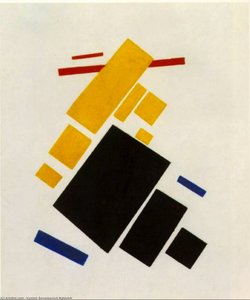
Geometric abstraction is a form of abstract art based on the use of geometric forms sometimes, though not always, placed in non-illusionistic space and combined into non-objective (non-representational) compositions. Although the genre was popularize...
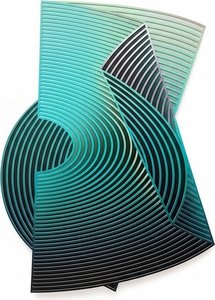
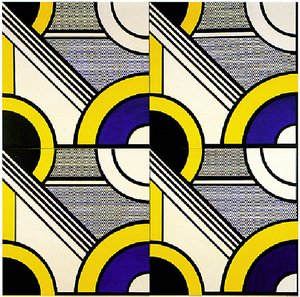
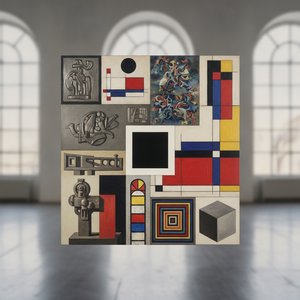
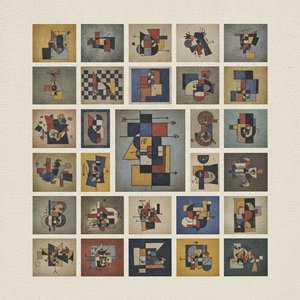
In the frantic pulse of modern living, our homes have become more than mere shelters; they are sanctuaries of intentionality. As we seek to curate spaces that soothe the spirit while stimulating the intellect, a profound shift is occurring in the way we approach color and pattern. We are moving away from the overwhelming noise of hyper-realistic imagery toward the quiet, structural elegance of geometric abstraction. This movement does not demand attention through loud narratives but invites it through a balanced language of shape and form. Much like a well-placed neutral tone, a soft geometric composition provides a foundation of stability, acting as an anchor in a room filled with varying textures and light.
The beauty of these non-objective forms lies in their ability to exist without the burden of literal interpretation. When we gaze upon a composition of intersecting lines or overlapping planes, our minds are not forced to identify a specific subject, but are instead free to experience the pure rhythm of the work. This creates a sense of psychological equilibrium. By utilizing shapes that suggest order—the circle, the square, the triangle—we introduce an inherent sense of architectural permanence into our interiors. It is a way of bringing the mathematical harmony found in nature into the domestic sphere, offering a visual breath of fresh air that feels both sophisticated and deeply restorative.
From Cubism to Contemporary Living: Bringing Fragmented Perspectives Home
 Cubism Explained: A Professional Guide to Geometric Abstraction for Modern Interior Design
The Cubist Revolution: Breaking the Single Perspective Cubism Unveiled: How Picasso and Braque Redefined Reality Through Geometric Abstraction The Fracture of Perspective: The Birth of a Revolution Cubism - Tate --- title: Cubism | Tate author: Clarr...
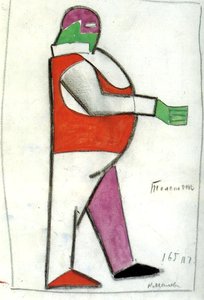
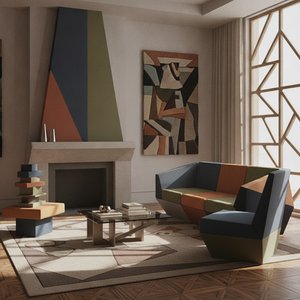
To truly appreciate how these shapes transform a room, one must look back at the radical revolution that shattered the single perspective forever. The dawn of the twentieth century brought with it a seismic shift in perception, led by visionaries like Pablo Picasso and Georges Braque. They moved beyond the traditional window-like view of art, choosing instead to deconstruct reality into a multifaceted experience. This Cubist legacy is not merely a historical footnote; it is a living design principle. In a modern living room, the use of fragmented forms allows us to play with depth and movement, breaking up the monotony of flat surfaces and creating a dynamic visual dialogue that keeps the eye wandering and discovering.
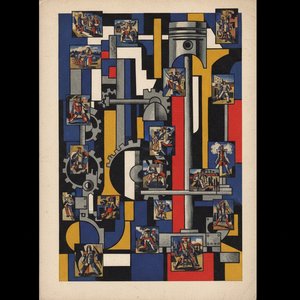
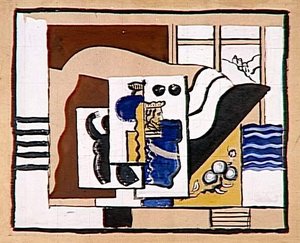
This fragmentation offers a unique opportunity for the contemporary decorator to introduce complexity without clutter. Consider the influence of artists like Fernand Léger, whose "Tubism" embraced the cylindrical, machine-inspired shapes of a changing world. His work demonstrates how rounded geometric elements can imbvi a space with vitality and industrial strength, preventing a modern room from feeling too sterile or cold. By integrating pieces that celebrate this broken perspective, we invite our guests to see our homes through multiple lenses, suggesting a space that is intellectually layered and rich with energetic ambiguity.
Architectural Depth: Using Geometric Planes to Define Modern Spaces
 Crystal Cubism
Crystal Cubism (French: Cubisme cristal or Cubisme de cristal) is a distilled form of Cubism consistent with a shift, between 1915 and 1916, towards a strong emphasis on flat surface activity and large overlapping geometric planes. The primacy of the...
A well-designed interior is often a study in layers, and geometric abstraction serves as the ultimate tool for adding architectural weight to a room. When we introduce large-scale works featuring overlapping planes—reminiscent of the Crystal Cubism period—we are essentially adding structural elements to our walls. These compositions act as much more than decoration; they function as extensions of the room's own architecture. Large, flat geometric shapes can visually expand a narrow hallway or provide a sense of height to a low-ceilinged lounge by directing the viewer's gaze upward and outward through carefully orchestrated lines.
The mastery of depth in these works comes from the interplay of light and shadow within the painted forms. Artists like Auguste Herbin pioneered a way to explore color and form that feels both grounded and ethereal. In a professional design context, choosing a piece with strong, defined geometric structures can help define "zones" within an open-concept home. A bold, multi-panel painting placed behind a dining area can act as a visual boundary, separating the eating space from the lounge without the need for physical walls. It is about using the weight of the composition to sculpt the air around us, turning empty space into a curated experience.
Curating the Rhythm: How to Balance Bold Shapes with Soft Textures
 Paolo Cotani
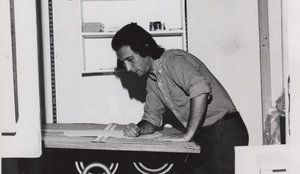
Paolo Cotani: Exploring the Geometry of Emotion Paolo Cotani, born in Rome in 1940, is an Italian painter whose distinctive approach to abstraction has garnered international acclaim. His artistic journey began amidst the vibrant intellectual current...
The secret to preventing a geometric-heavy room from feeling overly rigid lies in the art of contrast. While the precision of a square or the sharpness of a line provides structure, it must be tempered by the organic and the tactile. A sophisticated interior thrives on the tension between the mathematical and the sensory. Imagine a sleek, modern sofa upholstered in a soft, heavy boucle, set against a backdrop of a vibrant, fragmented abstract painting. The visual "hardness" of the geometric shapes is softened by the physical "softness" of the textile, creating a balanced, multi-sensory environment that feels curated rather than manufactured.
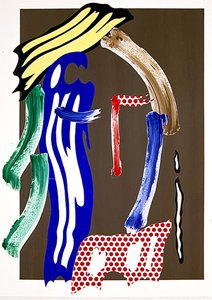
This rhythmic balance can be extended to every element of the room. We might pair the clean lines of a minimalist coffee table with the lush, visible brushstrokes of a handmade oil reproduction. The impasto technique—where paint is applied thickly enough to stand out from the canvas—adds a layer of organic unpredictability that complements the precision of geometric art. By layering smooth surfaces with textured ones, and sharp angles with rounded edges, we create a "visual melody" where the geometry provides the beat and the textures provide the harmony.
The Art of the Remix: Customizing Geometric Masterpieces for Your Color Palette
 The King of Cards
A Glimpse into Modernity’s Rhythm: Deconstructing Léger's “The King of Cards” Fernand Léger’s 1927 painting, “The King of Cards,” is not merely a depiction of an interior scene; it’s a vibrant distillation of the modern spirit. The artwork presents a...
Perhaps the most exciting frontier for the modern decorator is the ability to personalize these historical movements to fit a specific interior vision. We no longer have to settle for art that merely "fits" a room; we can now "remix" art history itself. Through advanced customization, a designer can take the structural essence of a Cubist masterpiece and request a color shift to align with a new seasonal palette—perhaps moving from the moody ochres of the early twentieth century to the soft, airy pastels of a coastal contemporary aesthetic.
This level of bespoke creation allows for a seamless integration of art and architecture. Whether it is through using AI tools to reimagine a personal photograph in a Cubist style or commissioning a professional artist to paint a custom multi-panel set that flows across a grand staircase, the possibilities are limitless. This personalized approach ensures that the geometric balance we seek is not just an aesthetic choice, but a deeply personal expression of our own identity and the unique soul of our homes. Through this intersection of historical mastery and modern technology, we transform our living spaces into true galleries of self-expression.
For those looking to begin their journey into curated abstraction, explore our collection of hand-painted reproductions and custom commissions at ArtsDot.com.