


The Molecular Foundation: Inorganic Pigments vs. Organic Dyes
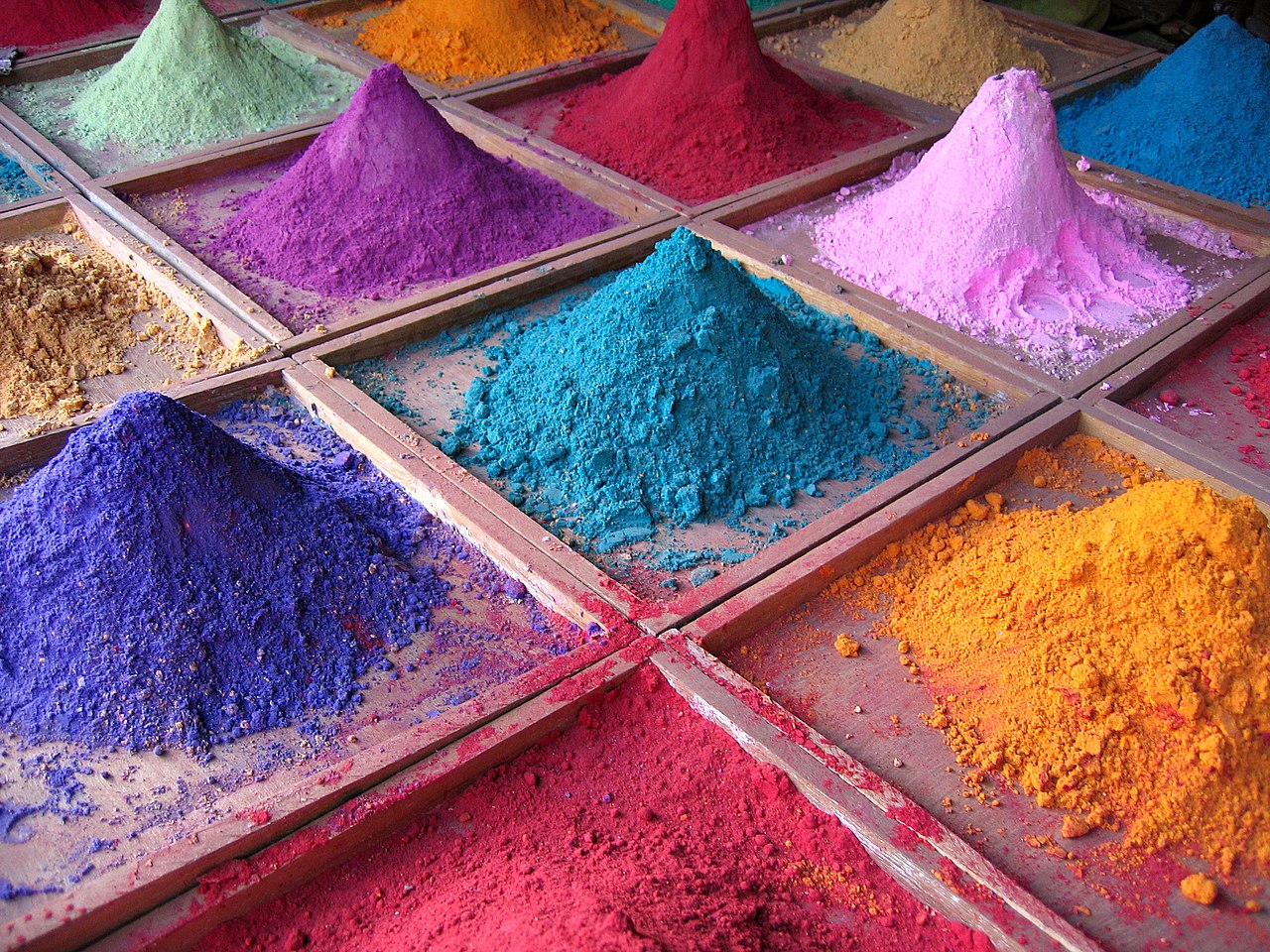 Pigment
A pigment is a chemical compound that gives a substance or organism color, or is used by humans to add or alter color or change visual appearance. Pigments are nearly or completely insoluble and chemically unreactive in water or another medium; in co...
To gaze upon a classical masterpiece is to witness more than mere aesthetic triumph; it is to observe a profound chemical achievement. Long before the advent of modern synthetic laboratories, the history of art was, in essence, a history of alchemy. For the discerning designer or procurement manager furnishing a luxury hotel, understanding this distinction is vital for ensuring that an investment remains as vibrant in fifty years as it is on the day of installation. The enduring brilliance of these works resides in the fundamental difference between pigments and dyes. While dyes are organic compounds that dissolve into a medium—often leaving behind a beautiful but fleeting trace—pigments are nearly or completely insoluble particles. These chemical compounds, such as the prehistoric ochre or the precious lapis lazuli, possess an inherent resistance to the elements that allows them to remain suspended in their medium without losing their structural integrity. This molecular stability is what separates a temporary decoration from a permanent asset.
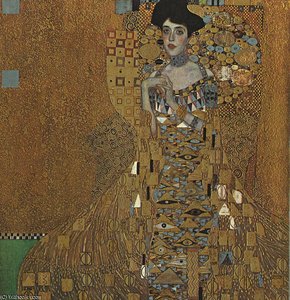
The selection of pigments was never a matter of mere preference but a calculated decision for longevity. When we observe the deep, celestial blues of an Old Master work, we are often seeing the legacy of lapis lazuli, ground into a fine powder to create ultramarine—a pigment so precious it was once valued more than gold. The mastery of the painter lay in understanding how these minerals would interact with their medium, ensuring that the artist's vision would not merely exist for a lifetime, but endure through centuries of environmental shifts. This foundational chemistry allows light to dance within the paint layers, creating a luminosity that remains the hallmark of true fine art.
Lightfastness and the Science of Photodegradation
 Lightfastness
Lightfastness is a property of a colourant such as dye or pigment that describes its resistance to fading when exposed to light. Dyes and pigments are used for example for dyeing of fabrics, plastics or other materials and manufacturing paints or pri...
In the high-traffic environments of hotels and corporate spaces, lighting is an inescapable element of the interior landscape. However, light itself carries the potential for destruction through a process known as photodegradation. The electromagnetic spectrum contains wavelengths that can act as microscopic hammers, striking the chemical bonds of a colorant's chromophore—the part of a molecule responsible for its color. When high-energy ultraviolet radiation encounters a painted surface, it can break these essential bonds, causing colors to bleach or change entirely. This is why lightfastness is the most critical metric for any professional acquiring art for permanent installation.
Materials that resist this effect are said to be lightfast, a property that defines the lifespan of the artwork's visual impact. Inorganic colourants, often derived from minerals and earth, are generally considered much more lightfast than their organic counterparts. For instance, iron-based pigments like Mars Black possess an ASTM lightfastness rating of I, representing the highest level of permanence. By prioritizing works created with stable, inorganic compounds, designers can mitigate the risks posed by UV exposure, ensuring that the carefully curated color palette of a lobby or suite remains uncompromable by the sun's rays.
The Role of Drying Oils: Polymerization and Structural Integrity
 Drying oil
A drying oil is an oil that hardens to a tough, solid film after a period of exposure to air, at room temperature. The oil hardens through a chemical reaction in which the components crosslink (and hence polymerize) by the action of oxygen (not throu...
The soul of an oil painting lies not just in its color, but in its binder. Oil painting is a sophisticated method involving pigments suspended in a drying oil, such as linseed, poppy, or walnut oil. Unlike water-based media that dry through evaporation, drying oils undergo a complex chemical reaction known as polymerization. As the oil is exposed to oxygen, its components crosslink, transforming from a liquid into a tough, solid, and flexible film. This process of hardening through oxidation creates a durable matrix that encapsulates the pigment particles, protecting them from much of the external environment.
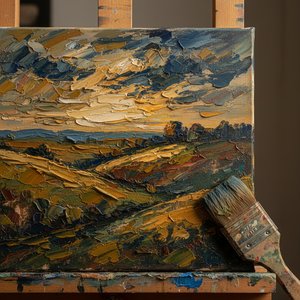
This chemical transformation provides the unique advantages required for high-quality reproductions: greater flexibility, richer and denser color, and a wider range of tonal depth. At ArtsDot.com, we utilize specific oils, such as safflower for whites, to prevent the common issue of yellowing over time. Furthermore, we employ flexible gesso to prevent cracking, ensuring that the structural integrity of the canvas remains intact even as the building settles or temperatures fluctuate. This meticulous attention to the drying process ensures that the artwork possesses a physical depth and texture—visible brushstrokes and impasto layers—that no digital print can replicate.
Material Selection for Longevity: From Lapis Lazuli to Iron Oxides
 The Chemistry of Permanence: Why Masterpiece Colors Survive the Centuries
The Alchemy of Pigment: Inorganic Stability vs. Organic Evanescence Pigment A pigment is a chemical compound that gives a substance or organism color, or is used by humans to add or alter color or change visual appearance. Pigments are nearly or comp...
The history of art is a chronicle of the search for stable minerals. The vibrant hues that continue to captivate the modern collector were born from a meticulous search for precious earth elements. In the realm of professional art procurement, the choice between inorganic stability and organic evanescence is paramount. Inorganic pigments, such as earthy ochres, rich cadmiums, or deep iron oxides, provide a foundation of ruggedness that defies the passage of time. They are chemically unreactive and possess a molecular weight that contributes to the physical presence of the work.
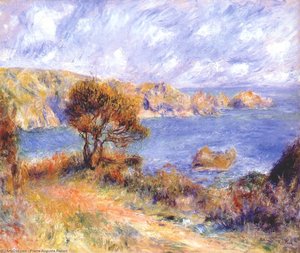
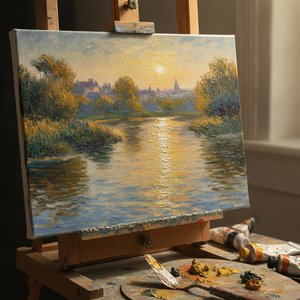
In contrast, organic pigments, while capable of offering breathtakingly vivid and modern hues, can be more susceptible to the whims of chemistry and environmental degradation. The tension between these two—the permanent and the transient—is what gives an Impressionist painting its unique, breathing quality. When selecting pieces for large-scale architectural projects, such as multi-panel sets for a grand staircase, understanding this balance allows a designer to mix the stability of earth tones with the brilliance of more reactive colors, creating a cohesive and enduring aesthetic.
Preservation Techniques: Varnishing and Environmental Protection
 Conservation science (cultural property)
With respect to cultural property, conservation science is the interdisciplinary study of the conservation of art, architecture, technical art history and other cultural works through the use of scientific inquiry. General areas of research include t...
The final stage in the chemistry of permanence is the application of a protective shield. Every professional oil painting we produce is finished with a coat of Damar varnish. This is not merely for aesthetic gloss; it serves as a critical barrier against dust, moisture, and atmospheric pollutants. The varnish acts as a sacrificial layer, absorbing the brunt of environmental impacts so that the underlying pigment layers remain untouched. This ensures that the artwork can withstand the rigors of being moved, cleaned, or displayed in diverse climates.
For those managing long-term art collections in hospitality, we also recommend best practices for preservation. To protect your investment, it is wise to avoid direct sunlight and utilize acid-free matting when framing prints to create an air gap that prevents moisture damage. Whether you are commissioning a bespoke portrait or installing large-format murals, the combination of high-quality pigments, professional polymerization, and archival varnishing ensures that your selection remains a testament to craftsmanship for generations to come.