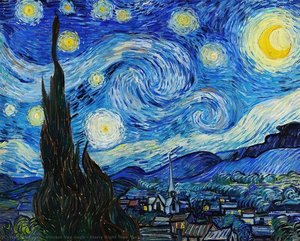
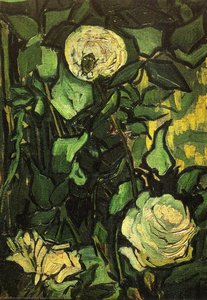
The Alchemy of Light: How Oil Pigments Breathe Life into the Impressionist Vision
The Alchemy of Pigment: Understanding the Soul of Oil on Canvas To behold a true oil painting is to witness a slow, deliberate alchemy where earth and light converge upon a woven surface. Unlike the ephemeral nature of digital imagery or the flat uni...
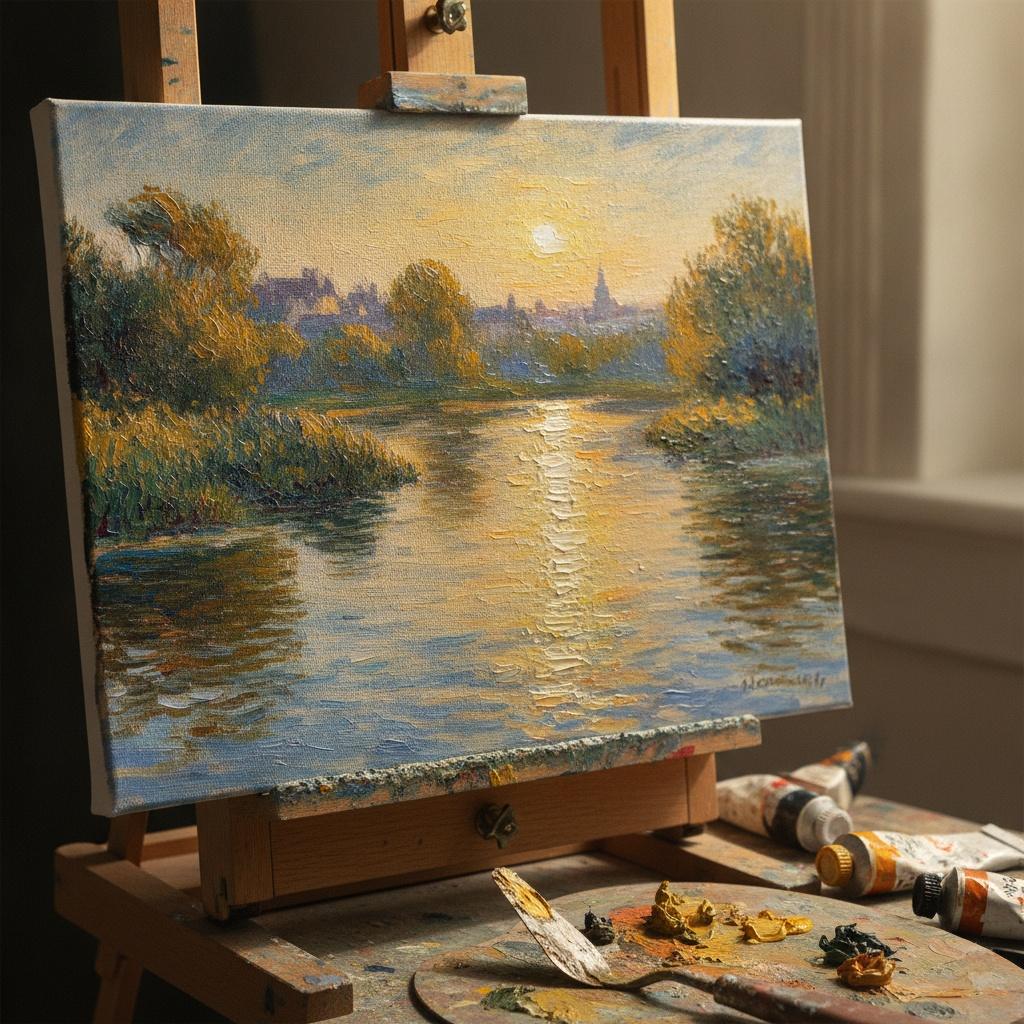
To behold a true oil painting is to witness a silent, chemical dance that has captivated the human spirit for centuries. For those of us who have spent decades wandering through the hallowed halls of museums, drawn by the soft glow of a Monet or the vibrant energy of a Renoir, we understand that art is more than mere pigment on fabric. It is an alchemy where earth and light converge upon a woven surface. Unlike the ephemeral nature of digital media, which often feels flat and detached, the medium of oil offers a profound depth born from the marriage of organic pigments and drying oils. This slow-drying, translucent quality allows an artist to blend colors with a seamlessness that is simply impossible in any other medium, creating a substance that does not merely sit upon a surface but becomes part of it.
The magic begins with the very essence of the paint itself—the pigments suspended in linseed, poppy, or safflower oils. This delicate balance allows for a biological rhythm, a breathing quality that gives Impressionist works their legendary vitality. When we look at a landscape by Pissarro or Sisley, we are not just seeing colors; we are seeing the way light has been captured and held within the fibers of the canvas. The choice of oil is critical, as it dictates the sheen and the longevity of the brilliance, ensuring that the whites remain pristine and free from the dreaded yellowing of age. It is this meticulous chemistry that allows the Impressionist vision to transcend a simple depiction of nature, turning a fleeting afternoon into an eternal moment of light.
Beyond the Surface: The Emotional Depth of Glazing and Translucent Layers
 Oil on Canvas: A Historical & Technical Exploration of a Timeless Artistic Medium
The Origins of Oil Painting: From Ancient Murals to Early European Masters The allure of oil painting—its capacity for luminous depth, its forgiving nature, and the sheer richness of color it allows—has captivated artists for millennia. Yet, tracing ...
If the pigments are the soul of the painting, then glazing is its breath. One of the most enchanting secrets of the masters lies in the application of thin, transparent layers known as glazes. This technique allows light to pass through the paint film, strike the white primer of the canvas, and reflect back to the viewer’s eye. This creates an inner glow, a spectral brilliance that seems to emanate from within the artwork itself. For the discerning enthusiast, this is the difference between seeing a window and looking through one. It is a technique that requires immense patience, as each layer must dry before the next is applied, building a complex architecture of color.
In the works of the Impressionists, glazing serves to soften edges and create those ethereal, atmospheric effects that define the movement. Imagine the way sunlight filters through a willow tree or the hazy morning mist over a pond; these are not achieved through heavy, opaque strokes alone, but through the careful layering of light. A single shade of forest green might contain hidden whispers of ultramarine and burnt umltramarine, tucked beneath a veil of translucent glaze, waiting to be discovered by a wandering eye. This depth provides a richness that a mere print can never replicate, offering a sensory experience that invites us to linger, to search, and to feel the subtle complexity of the artist's intent.
The Heartbeat of the Canvas: Impasto and the Tactile Poetry of Brushstrokes
 The Timeless Beauty of Oil on Canvas: A Masterclass in Texture, Impasto, and Artistic Mastery
The Alchemy of Pigment: Understanding the Soul of Oil on Canvas To behold a true oil painting is to witness a silent, chemical dance that has captivated the human spirit for centuries. Unlike the ephemeral nature of digital media, the medium of oil o...
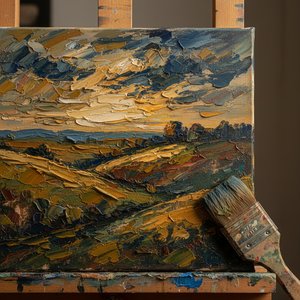
Beyond the subtle whispers of glazing lies the more muscular, structural side of oil painting: the technique known as impasto. If glazing is the breath of a painting, impasto is its heartbeat. This method involves applying paint in thick, heavy layers, often straight from the tube, to create a three-dimensionally textured surface. When an artist utilizes this technique, the canvas ceases to be a flat plane and becomes a topographical map of emotion. One can observe the ridges left by a palette knife or the rhythmic grooves of a stiff brush, which catch the ambient light of the room, creating shadows and highlights that change as you move past the work.
This tactile dimension is perhaps most profoundly expressed in the works of Post-Impressionists like Van Gogh. Here, the paint is not just color; it is sculpture. The thick, swirling applications of pigment create a sense of movement and immediacy, an urgent energy that pulls the viewer into the artist's psychological landscape. This texture invites us to feel the movement of the artist’s hand, to sense the physical struggle and the joyful abundance of the creative act. In a world increasingly dominated by smooth, frictionless digital screens, the rugged, textured reality of impasto offers a much-needed connection to the human touch and the raw power of physical creation.
Capturing the Fleeting Moment: The Symbiosis of Texture and Natural Illumination
 Light in painting
Light in painting serves both technical and aesthetic purposes. Technically, it is essential to visual representation, as it conditions the perception of color, texture, and volume. Aesthetically, its interplay with shadow and its effects on color an...
The true genius of Impressionism lies in its ability to capture the ephemeral—the way light changes in a heartbeat, the way a shadow stretches as the sun dips below the horizon. This is achieved through a masterful symbiosis of texture and illumination. By using broken brushstrokes and varied textures, artists like Monet were able to mimic the way the human eye perceives light: not as static shapes, but as a series of flickering impressions. The interplay of light and shadow shapes the composition, directing our gaze and evoking the specific mood of a particular time of day.
This technique relies heavily on the physical properties of oil on canvas. Because the medium allows for such a wide range from light to dark, artists can manipulate the perception of volume and atmosphere with incredible precision. The bright colors of Impressionist canvases were once considered shocking for eyes accustomed to more sober, academic tones, yet it is precisely this vibrancy that allows them to communicate the vitality of modern life. Whether it is the sun-drenched petals of a bouquet or the shimmering reflections on a river, the texture of the paint works in tandem with natural light to recreate the sensory experience of being present in that very moment.
A Legacy Preserved: Why Hand-Painted Oils Endure in a Digital Age
 The Enduring Legacy of Oil on Canvas: Technique, History & Aesthetic Impact
The Genesis of Oil Painting: From Ancient Origins to Renaissance Mastery Wikipedia: Oil painting Oil painting is a painting method involving the procedure of painting with pigments combined with a drying oil as the binder. It has been the most common...
In our modern era, we are surrounded by the ephemeral nature of digital imagery—images that can be copied, deleted, and lost in an instant. In contrast, a hand-painted oil on canvas offers a promise of permanence. There is a biological rhythm to a real painting, a commitment to capturing light and shadow in a way that transcends the fleeting moment. Each stroke carries the weight of history, and each layer holds a piece of time itself. For those of us who cherish the classics, the allure lies in this enduring presence—the ability to own a piece of a legacy that has survived centuries.
At ArtsDot.com, we celebrate this enduring beauty by specializing exclusively in the works of the Impressionist and Post-Impressionist masters. We understand that for a true lover of art, a print is merely a shadow; what you truly desire is the soul of the movement. Our mission is to bring the profound depth of hand-painted reproductions—from the luminous glazes of Monet to the textured impasto of Van Gogh—into your home. Whether you are looking to transform a personal memory into a masterpiece through our custom services or seeking to find a new centerpiece for your collection, we invite you to experience the timeless magic of oil on canvas. Let us help you bring the eternal light of Impressionism into your life.