The Nuremberg Blueprint: Craftsmanship and the Goldsmith's Legacy
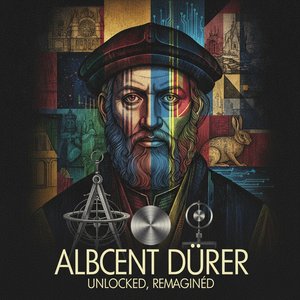 German Renaissance Unlocked: The Bold Precision and Iconic Mastery of Albrecht Dürer Reimagined
The Nuremberg Blueprint: Craftsmanship and the Soul of the German Renaissance Albrecht-Dürer-Haus A Portal to the Renaissance: The Soul of Albrecht Dürer’s House Nestled within the historic, cobblestone heart of Nuremberg, Germany, the Albrecht-Dürer...
To understand the pulse of the German Renaissance, one must first wander through the cobblestone arteries of Nuremberg. This was not merely a city; it was a high-octical hub of commerce and technical precision, where the very air seemed heavy with the scent of heated metal and the meticulous discipline of the artisan. Unlike the sweeping, sun-drenched idealism often associated with the Italian masters, the Northern awakening was forged in the fires of the workshop. It was an era defined by a lineage of craftsmanship, where the boundary between a goldsmith’s precision and a painter’s vision was beautifully blurred.
The foundation of this movement lay in the rigorous apprenticeship systems that nurtured its greatest minds. Young talents were not just taught to paint; they were immersed in a world of illuminated manuscripts, intricate metalwork, and the burgeoning mechanics of printmaking. This environment instilled a profound respect for texture and material reality—a devotion to capturing the weight of velvet, the cold sheen of steel, and the organic complexity of the natural world. It was this very dedication to the tangible that allowed the German Renaissance to develop a distinct, soulful character, rooted in a deep-seated spirituality and an unparalleled obsession with detail.
Albrecht Dürer: The Architect of Technical Precision
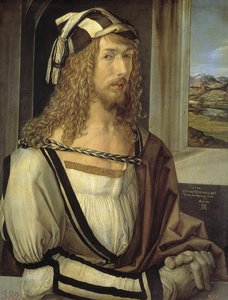 Albrecht Dürer
A Life Forged in Nuremberg: The Early Years and Apprenticeship Albrecht Dürer, a name synonymous with the German Renaissance, emerged from the bustling artisan city of Nuremberg in 1471. His father, Albrecht Dürer the Elder, was a successful goldsmit...
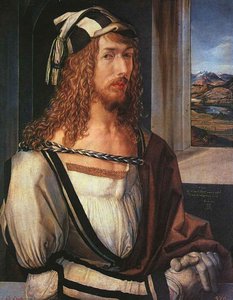
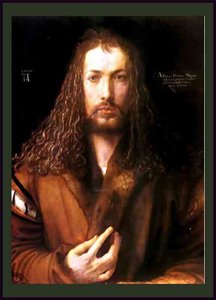
Emerging from this bustling artisan environment in 1471, Albrecht Dürer became the name synonymous with the German Renaissance. Born to a successful goldsmith, his early life was steeped in the meticulous precision of handiwork. While his father initially envisioned a path in the family trade, Dürer’s exceptional gift for drawing soon led him to the workshop of Michael Wolgemut. Here, he absorbed the techniques of design and composition that would later allow him to revolutionize European art. His talent was so precocious that by his teenage years, silverpoint self-portraits were already demonstrating a mastery of form that rivaled much older masters.
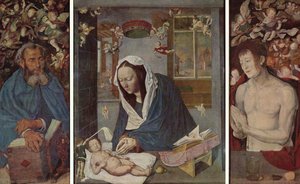
Dürer’s genius lay in his ability to bridge two worlds. Driven by an insatiable curiosity, he embarked on transformative journeys to Italy, encountering the works of Raphael, Bellini, and Leonardo da Vinci. He absorbed their classical motifs and harmonious compositions, yet he never abandoned the Northern obsession with realism. This synthesis created a unique artistic language where technical brilliance served profound spiritual ambitions. In his hands, a simple engraving became a meditation on faith; a landscape became a window into the divine. His work remains a testament to the moment when scientific observation met religious fervor, creating an enduring legacy of intellectual and artistic ambition.
The Art of the Print: Woodcuts, Engravings, and Mass Communication
List of woodcuts by Albrecht DürerThe following is a list of woodcuts by the German painter and engraver Albrecht Dürer. == Art catalogs == One of the earliest list of woodcuts by Dürer was assembled in 1808 by Adam Bartsch in his "Le Peintre Graveur" volume 7 and in the appendix. In...
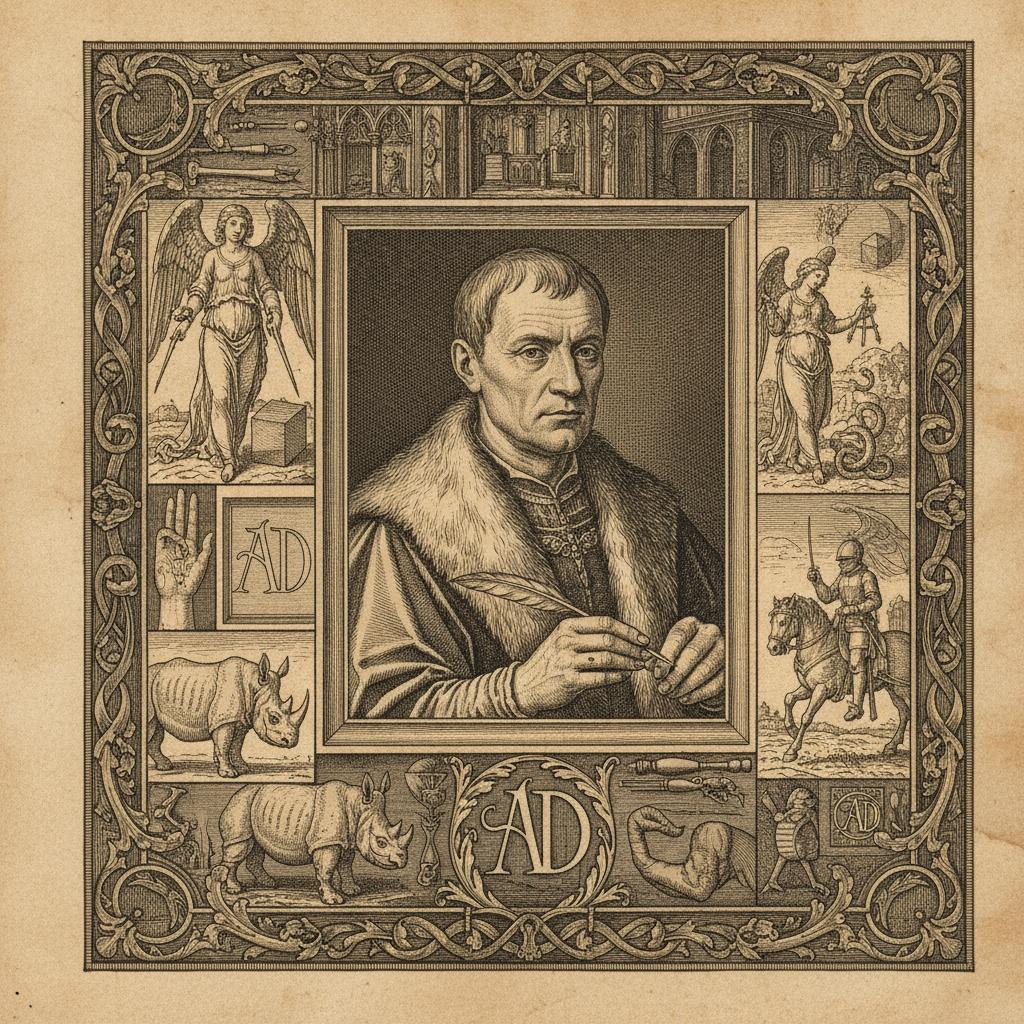
One of the most significant contributions of the German Renaissance was the elevation of printmaking from a secondary craft to a high art form. The invention of the printing press was democratizing knowledge, challenging established authorities, and fostering new ways of seeing across Europe. Dürer stood at the epicenter of this revolution. Through his masterful application of engraving techniques—utilizing copper plates etched with intricate lines—he achieved an astonishing level of detail and tonal gradation that had never before been seen in mass-produced media.
In works such as
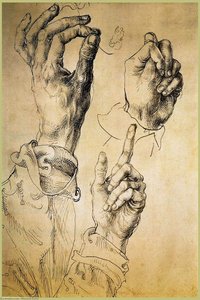
The Large Passion, Dürer utilized hatching and crosshatching patterns to skillfully simulate textures, conveying the roughness of clothing alongside the smoothness of skin. These fine lines were not merely decorative; they were fundamental to capturing the dramatic interplay of light and shadow. His woodcut prints, in particular, allowed his vision to travel far beyond the borders of Nuremberg, establishing his reputation across the continent. This ability to disseminate complex religious and humanist narratives through high-quality imagery transformed the print into a powerful tool for both spiritual reflection and cultural influence, making art accessible to a much broader audience than ever before.
Northern Humanism: Blended Classical Ideals with Spiritual Depth
 German Renaissance
The German Renaissance, part of the Northern Renaissance, was a cultural and artistic movement that spread among German thinkers in the 15th and 16th centuries, which developed from the Italian Renaissance. Many areas of the arts and sciences were in...
The German Renaissance was characterized by a profound intellectual awakening, driven by the spread of Renaissance humanism through various German states. This movement sought to reconcile the rediscovered wisdom of classical antiquity with the deep-seated Christian spirituality of Northern Europe. It was an era of intense religious upheaval and unprecedented creative flourishing, where artists grappled with fundamental questions of faith, mortality, and the human condition.
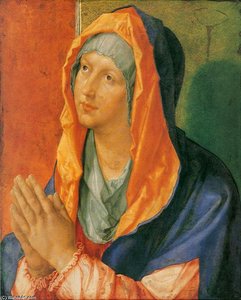
This tension is palpable in the works of the period. While Italian art often focused on the idealized human form, German masters like Dürer infused their subjects with a psychological depth and an unflinching honesty. His religious works are not merely depictions of biblical narratives; they are carefully crafted meditations on divine grace and human aspiration. The upward gaze of a figure in an engraving might embody prayerful devotion, while the symmetrical design of a composition reinforces a sense of spiritual elevation. This seamless blending of classical structure with Northern emotional resonance created an art that was as intellectually stimulating as it was spiritually moving.
Preserving the Renaissance: From Historical Masterpieces to Modern Reproductions
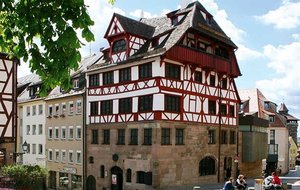 Albrecht-Dürer-Haus
A Portal to the Renaissance: The Soul of Albrecht Dürer’s House Nestled within the historic, cobblestone heart of Nuremberg, Germany, the Albrecht-Dürer-Haus stands as far more than a mere museum; it is a living, breathing fragment of the European Re...
Today, the spirit of the German Renaissance continues to inspire, bridging the gap between the 16th century and the modern era. The architectural marvels like the Albrecht-Dürer-Haus in Nuremberg serve as portals to this past, offering a tangible connection to the domestic environment that nurtured such greatness. For the modern enthusiast or professional decorator, the challenge lies in bringing this sense of historical weight and meticulous detail into contemporary spaces.
At ArtsDot.com, we honor this legacy through our commitment to academic excellence and technical mastery. We specialize in creating high-quality, hand-painted oil reproductions that capture the very essence of these masterpieces. Our artists, many of whom hold degrees from prestigious Fine Arts academies, utilize 100% cotton canvas and traditional oils to recreate the visible brushstrokes and deep tonal ranges found in the originals. Whether it is a large-scale multi-panel set for a corporate lobby or a custom portrait reimagined in a historical style, our process ensures that the precision of the German masters lives on. From professional digital mockups to global logistics via DHL and FedEx, we provide a reliable service for procurement managers and art lovers alike, ensuring that the profound beauty of the Renaissance remains a vibrant part of the modern world.