The Gothic Blueprint: Transitioning from Romanesque Weight to Architectural Light
 Shadows & Splendor: A Journey Through the Soul of Gothic Art and Architectural Grandeur
The Divine Ascent: From Romanesque Shadows to Gothic Light The Shadow of Faith: Exploring Gothic Art's Spiritual Intensity & Architectural Innovation The Birth of Gothic: From Romanesque Roots to a New Spiritual Vision Wikipedia: Gothic architecture ...
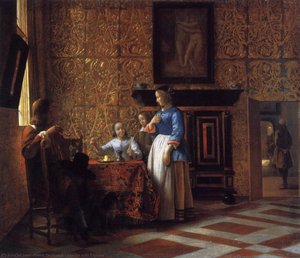
To understand the profound impact of the Gothic era on modern spatial design, one must first envision the world as it existed before this revolutionary shift. For centuries, European architecture was defined by the heavy, earth-bound silhouettes of the Romanesque period. These structures were characterized by a sense of somative permanence, utilizing thick walls, rounded arches, and small windows to create interiors of profound shadow and monastic seclusion. In these spaces, the divine was felt through sheer mass and impenetrable strength, offering a landscape of protection and stability.
However, as we move into the High Middle Ages, a radical transformation began to stir, particularly within the Île-de-France. This was not merely a change in masonry but a fundamental shift in human consciousness and architectural ambition. The heavy shadows of the Romanesque gave way to a new spiritual vision—one that sought to bridge the gap between the earthly and the eternal through the medium of light. By introducing the pointed arch and the soaring spire, architects began to replace squat, defensive structures with skeletal frameworks that seemed to defy gravity itself. For the modern hotel designer, this transition offers a masterclass in how to move from a sense of enclosure to an invitation for contemplation, replacing weight with a pursuit of height and luminous clarity.
Mastering Chiaroscuro: Utilizing Dramatic Shadows for Atmospheric Hotel Interiors
 Gothic Vibes: From Dark Shadows to Bold Modern Edge | The Ultimate Trend Forecast
The Gothic Blueprint: From Medieval Shadows to Modern Noir Gothic Art Unveiled: The Dark Beauty and Drama of a Timeless Era The Gothic Dawn: Transitioning from Romanesque Rigidity to Emotional Depth To understand the profound impact of the Gothic era...
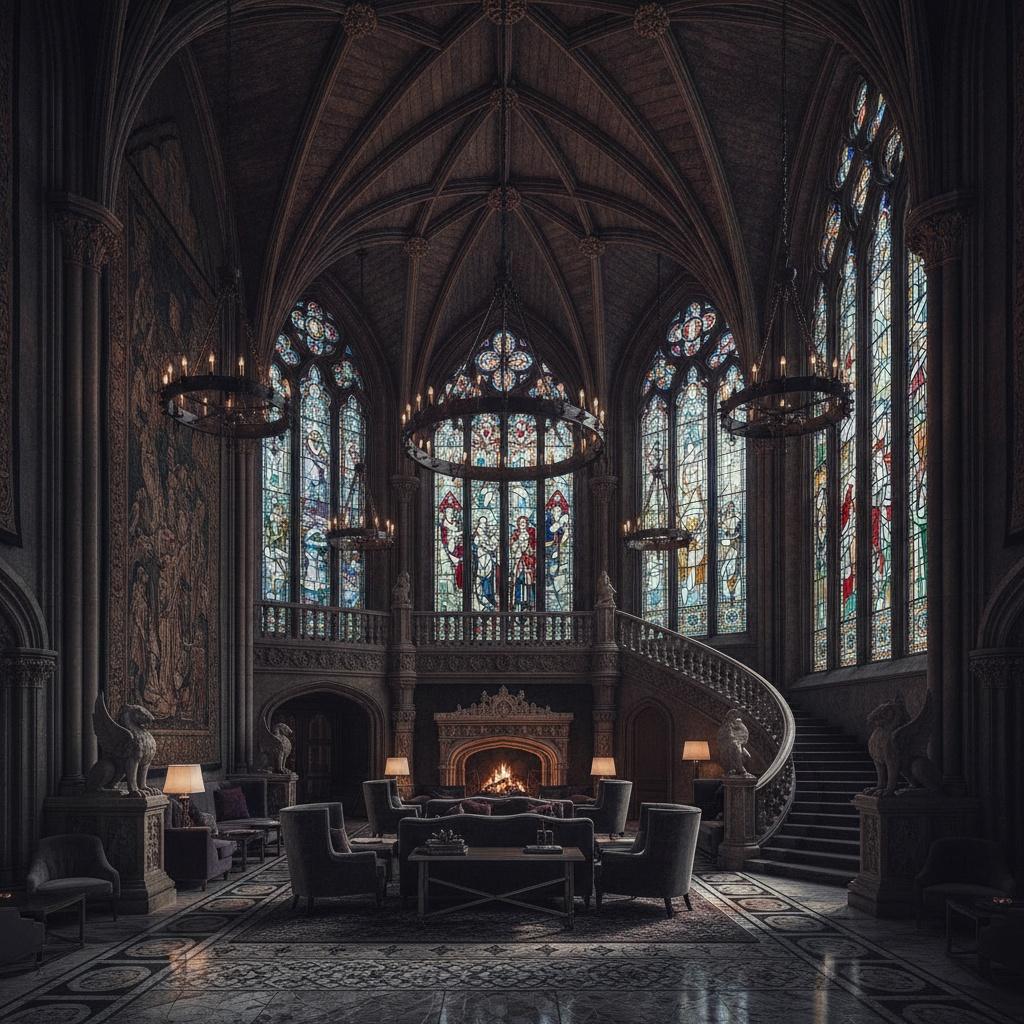
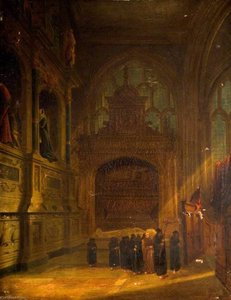
The essence of Gothic art lies in the dramatic interplay between what is revealed and what remains hidden. This fascination with the unseen provides a powerful toolkit for designers aiming to create "Modern Noir" or high-contrast atmospheres within luxury hospitality settings. The Gothic aesthetic does not merely embrace darkness; it utilizes deep, moody tones to cultivate mystery and emotional resonance. By manipulating light and shadow—a technique known as chiaroscuro—designers can sculpt the perception of a room, creating pockets of intimacy amidst grander, more expansive volumes.
In contemporary hotel design, this translates to the strategic use of high-contrast silhouettes and deep shadows to evoke a sense of cinematic drama. Much like the transition from Romanesque rigidity to Gothic emotional depth, modern interiors can utilize these "shadowed" elements to move away from sterile, flat lighting toward a more layered, psychological experience. Whether through the placement of accent lighting that mimics the ethereal glow of a cathedral or the selection of artworks featuring deep tonal ranges, the goal is to create an atmosphere where light serves as a storyteller, guiding the guest's eye and evoking a sense of profound wonder.
Verticality and Volume: Integrating Gothic Structural Elements into Modern Hospitality Design
--- title: Gothic architecture: an introduction (article) | Khan Academy url: https://www.khanacademy.org/humanities/medieval-world/gothic-art/beginners-guide-gothic-art/a/gothic-architecture-an-introduction hostname: khanacademy.org description: Ess...
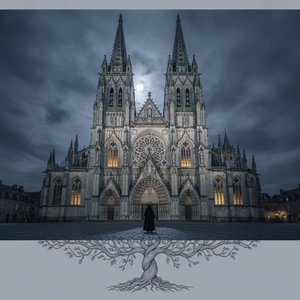
Gothic architecture introduced a revolutionary way of experiencing space through verticality. The movement was a deliberate reaching for something beyond the tangible world, utilizing soaring spires and pointed arches to create a tension between the terrestrial and the celestial. This architectural ambition sought to dissolve the boundaries of the wall, allowing the structure to breathe and reach upward. For the professional designer, these structural bones provide a blueprint for creating sense of awe in large-scale lobbies, atriums, and grand staircases.
Integrating these elements into modern hospitality requires an understanding of volume and scale. The use of pointed arches, trefoils, and quatrelobes can be subtly woven into contemporary millwork or structural motifs to provide a sense of historical continuity without descending into cliché. By emphasizing vertical lines and creating a sense of upward momentum, designers can replicate the "divine ascent" characteristic of Gothic cathedrals, transforming a standard hotel entrance into a monumental experience that commands respect and inspires a feeling of grandeur.
Textural Depth: Incorporating Gothic Sculpture, Stained Glass, and Intricate Ornamentation
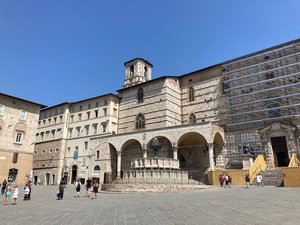 Piazza 4 Novembre
Piazza 4 Novembre: A Living Canvas of Umbrian Heritage Perugia’s Piazza 4 Novembre isn't merely a square; it’s an immersive experience—a journey through centuries of artistic evolution and civic significance nestled within the heart of Umbria. Unlike...
The richness of the Gothic era is found in its meticulous craftsmanship and the tactile nature of its ornamentation. From the intricate wooden carvings of the Ptujska Gora workshop to the profound sculptural reliefs of Perugia’s Piazza 4 Novembre, the period was defined by an obsession with detail. These works were not merely decorative; they were expressions of deep devotion, utilizing materials like sandstone and bronze to convey complex narratives and moral lessons through texture and form.
In a luxury interior, this translates to a focus on material layering and ornamental complexity. The incorporation of elements reminiscent of Gothic stained glass—where light is filtered through vibrant, saturated hues—can transform a window or partition into a focal point of spiritual and aesthetic intensity. Furthermore, the use of textured surfaces, such as those found in hand-painted oil reproductions with visible impasto brushstrokes, can mimic the intricate detail of medieval sculpture. By layering these rich textures, designers can create a sensory-rich environment that feels both historically grounded and exquisitely modern.
Curating the Gothic Aesthetic: Selecting Period-Accurate Reproductions and Large-Scale Murals
Gothic vocabulary gradually permeated all forms of art throughout Europe. Pointed arches, trefoils, quatrelobes, and other architectural ...
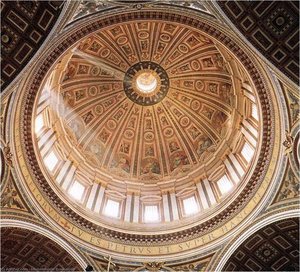
For the procurement manager or hotel designer, the challenge lies in sourcing art that captures this historical grandeur while meeting the logistical demands of large-scale projects. The Gothic aesthetic is best realized through works that offer significant scale and depth. This might include massive canvas rolls for ceiling frescoes that recreate the majesty of a cathedral vault, or multi-panel "group set" paintings that allow a single masterpiece to span an entire feature wall or staircase.
When selecting pieces, consider the ability to customize. The beauty of high-end reproductions lies in the ability to "remix" history—requesting a specific color palette to match a hotel's branding or even transforming a modern image into a 15th-century masterpiece through professional digital mockups. Whether utilizing the deep, tactile textures of hand-painted oils on cotton canvas or the expansive reach of architectural murals, the right selection of art serves as the soul of the space, providing the final, essential layer of luxury and historical narrative that defines a world-class hospitality experience.