
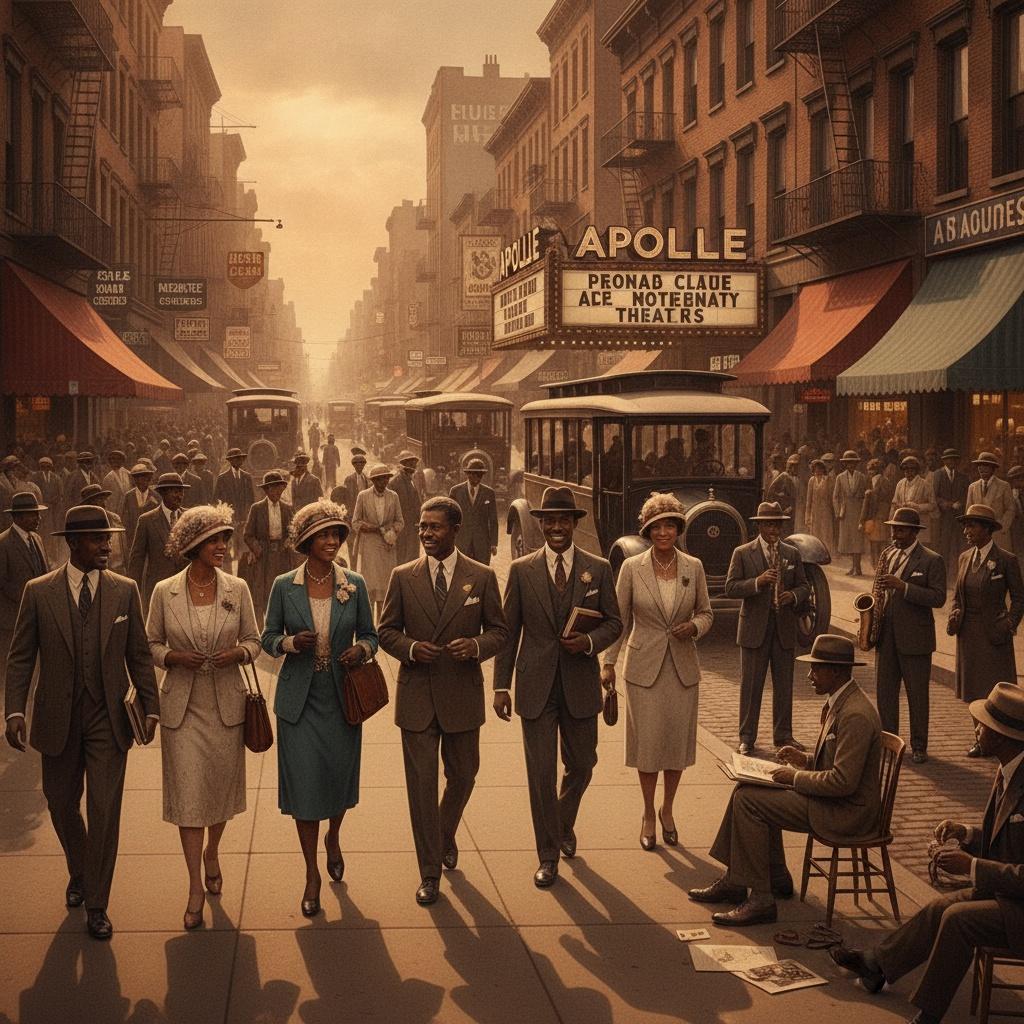
The Great Migration and the Birth of the New Negro Movement
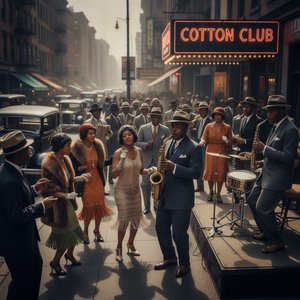 Soul, Jazz, and Street Style: The Unstoppable Visual Energy of the Harlem Renaissance
The Original Cultural Explosion: Setting the Scene in Harlem The Harlem Renaissance: A Masterclass in Black Identity, Visual Modernism, and Cultural Resurgence The New Negro Movement: Redefining Identity Through the Visual Arts A New African American...
To understand the seismic shift in American aesthetics during the 1920s, one must first look to the movement of people that preceded the movement of art. The Harlem Renaissance was not merely a localized artistic flourish; it was the profound cultural byproduct of the Great Migration. As African Americans fled the oppressive, systemic shadows of the Jim Crow South, they sought refuge in the urban North, bringing with them a rich, unyielding tapestry of traditions, rhythms, and stories. This influx transformed Harlem into a high-voltage epicenter of identity reclamation.
At the heart of this era was what philosopher Alain Locke famously termed the "New Negro Movement." It was a period defined by a renewed militancy in the struggle for civil rights, paired with an unprecedented intellectual flowering. This was not just about survival; it was about the deliberate construction of a modern Black identity that refused to be sidelined by traditional Western narratives. Through literature, politics, and scholarship, the movement established a foundation where art could serve as a potent tool for political empowerment and social resilience, turning the streets of Manhattan into a laboratory for a new American soul.
Visual Modernism: The Rhythms of Jazz and Color in Harlem Art
 Stuart Davis: Modernist Abstraction & the Vibrant Spirit of the Jazz Age
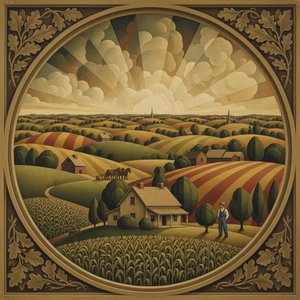
Early Influences & The Ashcan School: Davis's Formative Years Stuart Davis Stuart Davis: Explore bold American Modernism! Jazz-inspired paintings & proto-pop art from this Ashcan School pioneer. Discover his vibrant style today! Stuart Davis, a name ...
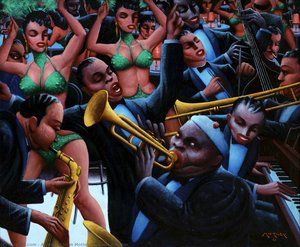
If one wishes to truly decode the visual language of this era, one must first learn to listen to its music. There existed an inseparable, symbiotic relationship between the syncopated rhythms of jazz and the emerging visual modernism on canvas. The energy of the jazz club—the brassy trumpet flares and the fluid movement of dancers—found a direct translation in the bold, experimental techniques of the period's painters. This was an era where the pulse of the city dictated the stroke of the brush.
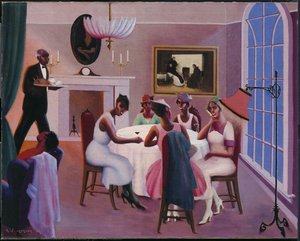
The visual landscape was characterized by an exuberant energy, often utilizing a palette that mirrored the vibrancy of the nightlife. We see this reflected in later works that pay homage to this era, such as Faith Ringgold’s American Collection #4: Jo Baker’s Bananas, where the scene unfolds as a joyous jazz performance. The use of deep reds, vibrant yellows, and saturated blues creates a symphony of color that captures the very essence of movement and emotion. This aesthetic was not merely decorative; it was a way to capture the fragmentation and dynamism of modern life, much like the way Stuart Davis utilized the energy of the Jazz Age to push the boundaries of American abstraction.
Iconic Figures: From the Murals of Aaron Douglas to the Lens of Gordon Parks
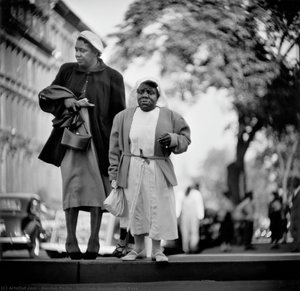 Untitled, Harlem, New York
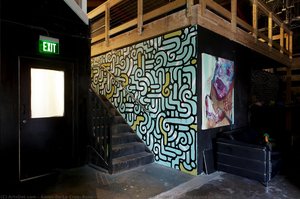
A Moment Frozen in Harlem’s Soul: Gordon Parks' "Untitled, Harlem, New York" Gordon Parks’ “Untitled, Harlem, New York,” created in 1952, isn’t merely a photograph; it’s a distilled essence of an era and a poignant testament to the dignity of everyda...
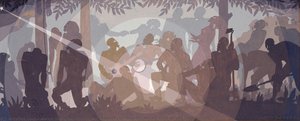
The brilliance of the Harlem Renaissance was anchored by individual masters who translated complex social realities into enduring visual legacies. Aaron Douglas, often regarded as a central figure of the movement, revolutionized the medium of mural painting. By integrating African-centric imagery with the geometric silhouettes of modernism, Douglas created a visual vocabulary that addressed themes of race and segregation with profound dignity. His work did more than decorate walls; it set the stage for generations of African American artists to enter the public arts realm through a sophisticated, stylized lens.
While Douglas mastered the mural, others captured the quiet, unvarnished truth of the era through different mediums. The legendary photographer Gordon Parks provided a poignant testament to the dignity of everyday life. In his striking black-and-white compositions, such as Untitled, Harlem, New York, we see the strength and resilience of the community captured in the purposeful stride of elderly women walking down a bustling street. His documentary style eschewed romanticized tropes, opting instead for an unvarnished realism that revealed the complexities of post-war America. Together, these artists created a multi-dimensional portrait of a people—one part monumental myth-making, one part intimate human truth.
A Legacy of Resilience: The Enduring Influence on Global Black Identity
African-American culture, also known as Black American culture or Black culture in American English, refers to the cultural expressions of African Americans, either as part of or distinct from mainstream American culture. It is defined by a history o...
The ripples of the Harlem Renaissance extended far beyond the borders of New York City, influencing Francophone writers in Paris and shaping the cultural landscapes of the Caribbean and beyond. It was a period of extraordinary growth that institutionalized African American art-making within the broader global consciousness. The movement’s ability to weave together poetry, sculpture, dance, and fashion created a blueprint for how culture can be used as a vehicle for self-determination and global influence.
<The era's legacy is one of profound reclamation. It proved that the most powerful way to combat invisibility is through the creation of an undeniable, vibrant, and sophisticated aesthetic presence. Today, we see the echoes of this resilience in every modern movement that seeks to reclaim identity through the power of the image and the strength of the narrative.Curating History: Preserving the Renaissance through Modern Collections
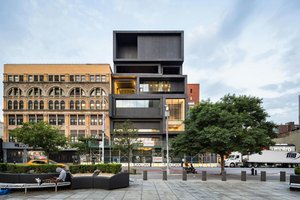 The Studio Museum in Harlem
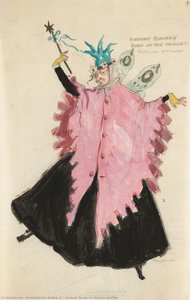
A Beacon of Black Art: The Soul of Harlem In the vibrant, rhythmic heart of Manhattan, where the energy of 125th Street meets the profound historical echoes of the African diaspora, stands The Studio Museum in Harlem. More than a mere repository for ...
Preserving the spirit of the Harlem Renaissance requires more than just maintaining archives; it requires an active engagement with the beauty and the struggle that defined it. Institutions like The Studio Museum in Harlem serve as vital cultural pulses, ensuring that the narratives of Black artists are not merely preserved but actively shaped and celebrated for future generations. Similarly, collections such as The Kinsey African American Art – History Collection act as living chronicles, unveiling a journey of discovery through artistry and historical artifacts.
For the modern collector or professional decorator looking to honor this era, the challenge lies in finding pieces that capture this historical weight while fitting contemporary spaces. Whether through the acquisition of museum-quality prints or the commissioning of custom oil reproductions that utilize the impasto techniques of the masters, the goal is to keep the conversation alive. By bringing the textures, colors, and stories of the Harlem Renaissance into our modern environments, we ensure that the "New Negro Movement" remains a vibrant, breathing part of our global cultural heritage.
For professional inquiries regarding large-scale reproductions, custom commissions, or volume orders for hospitality projects, please visit ArtsDot.com.