
The Genesis of the Witness: From Early Daguerreotypes to Social Realism
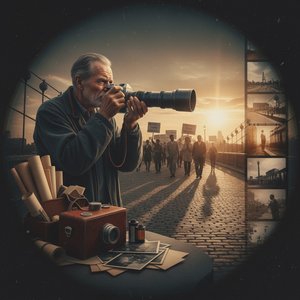
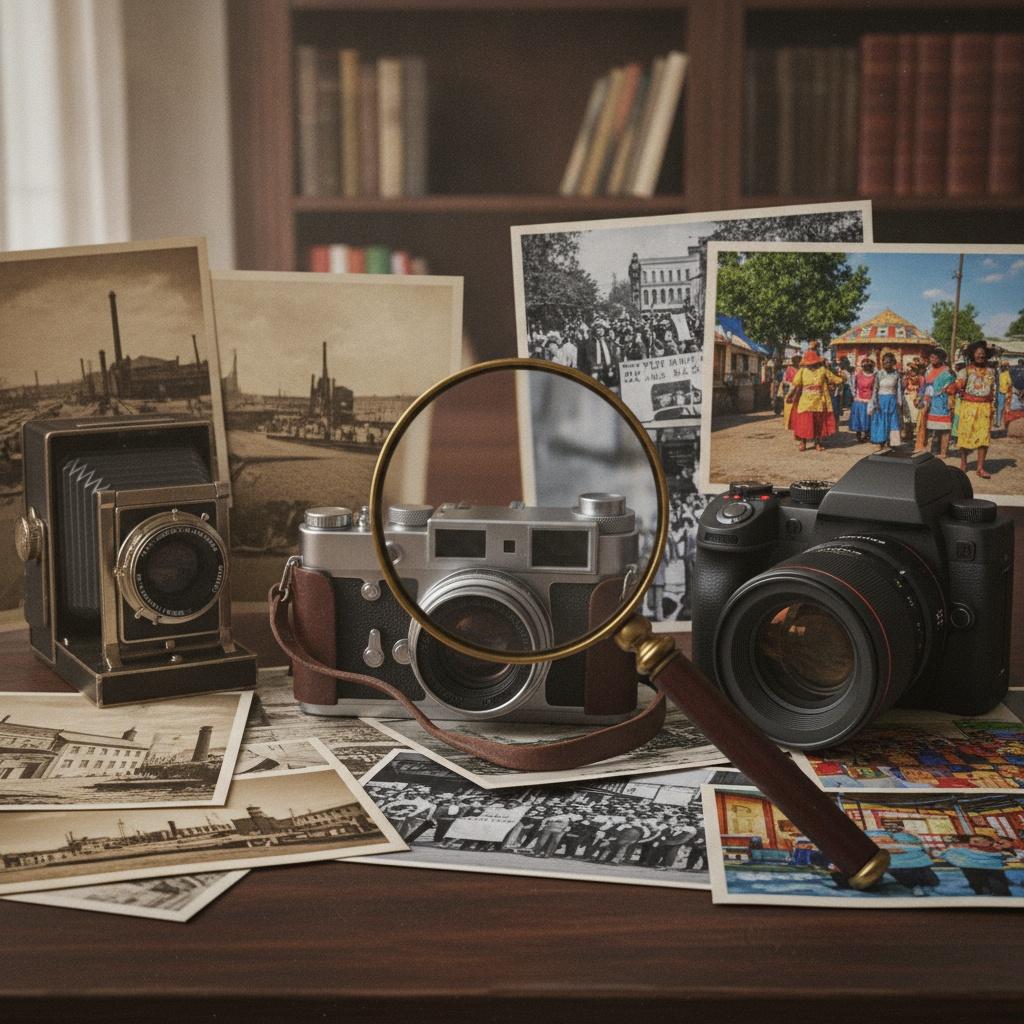
To understand the profound weight of a photograph, one must first look back to the era when light was first captured and tamed by silver and chemistry. The birth of photography was not merely a technological triumph but a philosophical shift in how humanity perceives truth. In those early days of the daguerreotype, the image was a precious, singular artifact—a mirror with a memory. As the medium evolved, it moved beyond the static, formal portraits of the elite to become a tool for profound social observation. This transition marked the dawn of an era where the camera ceased to be a mere ornament of the upper class and began to function as a witness to the burgeoning complexities of the industrial age.
As we progressed into the early 20th century, the movement toward Social Realism breathed life into the lens. Photographers began to seek out the grit, the shadow, and the unvarnished reality of the human experience. No longer content with the staged perfection of studio lighting, these pioneers sought the raw textures of existence. They understood that to document a culture is to capture its struggles as much as its triumphs. This period laid the foundational belief that the camera possesses a unique moral authority, capable of stripping away artifice to reveal the structural truths of society, setting the stage for a century of visual storytelling that would forever alter our collective consciousness.
The Decisive Moment: How Photojournalism Redefined Historical Narrative
In the mid-20th century, the concept of the decisive moment—a term famously associated with the mastery of timing and composition—transformed photography from a passive recording tool into an active narrative force. This was the era when photojournalism emerged as the heartbeat of global events. The ability to freeze a fraction of a second allowed historians to see not just the aftermath of conflict or celebration, and but the very tension of the event itself. It was a period where the shutter click became synonymous with the pulse of history, capturing the ephemeral essence of motion and emotion that words alone could never convey.
Consider the legendary work of Mohamed Amin, whose lens captured the visceral energy of the 1974 East African Safari Rally. Through his eyes, we do not merely see a sporting event; we witness the dust, the roar of the Mitsubishi Colt Lancer CS74, and the vibrant, swirling crowd that defines the spectacle. Such images exemplify how photojournalism transcends mere reporting to become a form of high art. By isolating a singular, perfect moment of action, these photographers created a permanent archive of human vitality, ensuring that the kinetic energy of the past remains perpetually present for future generations to contemplate.
Urban Chronicles: Capturing the Pulse of Modernity through Black and White
The city, with its labyrinthine streets and towering architectures, has always served as the ultimate stage for documentary exploration. In the monochrome palette of black and white, the urban landscape is stripped of its distracting colors, leaving behind a stark study of light, shadow, and geometry. This aesthetic choice was never merely about technical limitation; it was a deliberate artistic pursuit to emphasize the structural soul of the metropolis. The interplay of deep blacks and brilliant whites allowed photographers to highlight the rhythmic patterns of urban life, from the soaring heights of skyscrapers to the intimate corners of a local storefront.
Berenice Abbott’s 1937 work, such as her evocative depiction of a New York City bakery in Zito, serves as a masterclass in this urban chronicle. Through her lens, the mundane details of a NYC bakery are elevated to something monumental. The stark contrast and sharp architectural detail showcase the vibrant, bustling life of the New Deal era, turning a simple scene of commerce into a profound study of urban texture. In these images, the city is not just a setting; it is a living, breathing protagonist, documented with a precision that honors both the grit of the street and the grandeur of the built environment.
The Human Condition: Vulnerability and Resilience in Documentary Portraits
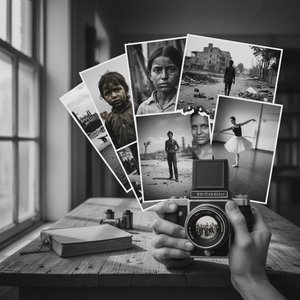
Beyond the architecture and the action lies the most profound subject of all: the human face. Documentary photography has always been deeply invested in the study of the human condition, seeking to capture the quiet dignity found within vulnerability. The camera has a unique capacity to bridge the gap between the observer and the observed, fostering an empathy that transcends borders and eras. Through portraiture, photographers have documented the resilience of the spirit amidst decay, poverty, and isolation, creating a visual dialogue about what it truly means to endure.
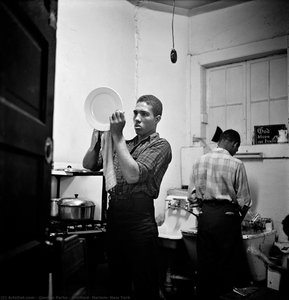
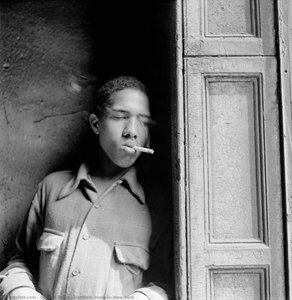
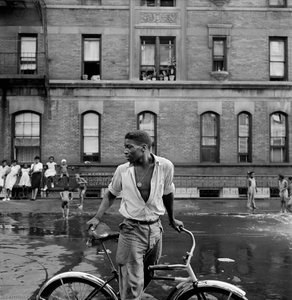
The work of Gordon Parks stands as a monumental testament to this power. His 1948 photograph, Untitled, Harlem, New York, is a hauntingly beautiful exploration of urban isolation. Through the use of stark black and white tones and textured details, Parks captures a sense of both vulnerability and profound resilience within the landscape of Harlem. This style of portraiture does not merely document a person or a place; it evokes an emotional resonance that speaks to the universal struggles of identity and survival. It is in these intimate, often heartbreaking glimpses into the lives of others that photography achieves its highest calling: the cultivation of a shared human empathy.
Beyond the Frame: The Enduring Legacy of Photography in Art History
As we reflect on the evolution of the documentary lens, we see that its impact extends far beyond the boundaries of newsprint or archives. Documentary photography has fundamentally reshaped the trajectory of art history, influencing painters, sculptors, and contemporary creators alike. The raw honesty of the photograph has challenged the idealized traditions of classical art, introducing a new vocabulary of texture, contrast, and realism. Today, the legacy of these pioneers lives on in every medium that seeks to capture the truth of our existence, reminding us that the most powerful stories are often those found in the unscripted moments of reality.
This enduring influence is celebrated by those who seek to preserve the essence of history through various artistic forms. At ArtsDot.com, we honor this legacy of visual storytelling by bridging the gap between historical truth and contemporary expression. Whether through the meticulous recreation of a masterwork or the transformation of a personal memory into a hand-painted oil masterpiece, we believe that every image carries a soul worth preserving. Our mission is to ensure that the profound emotions captured by the great witnesses of history continue to inspire and decorate the homes of collectors worldwide, maintaining the vital connection between our past and our present.