The Birth of Witness: Early Documentary Photography & Its Roots
Photojournalism is journalism that uses images to tell a news story. It usually only refers to still images, but can also refer to video used in broadcast journalism. Photojournalism is distinguished from other close branches of photography (such as ...
Before the term “documentary photography” solidified, the very impulse to capture reality with a lens was born from a desire to record what existed – places unseen, events unfolding, and cultures distant. The earliest examples weren’t necessarily driven by social commentary, but rather by an almost scientific urge to catalog the world. Consider the daguerreotypes of John Beasly Greene in 1850s Nubia, meticulously documenting ancient ruins. These images, while lacking a clear agenda beyond preservation, established photography's potential as a tool for historical record-keeping. Simultaneously, the French Missions Heliographiques embarked on a similar project, archiving France’s architectural heritage before it vanished. These early surveys laid the groundwork, demonstrating that the camera wasn’t merely an instrument of artistic expression but also one of factual representation.
The American Civil War provided a crucible for this nascent art form. Mathew Brady and his team didn't simply capture battlefields; they captured the human cost of conflict. Timothy O'Sullivan, working under Brady, produced haunting images of the dead at Antietam, photographs that forced viewers to confront the brutal realities of war in a way previously unimaginable. George N. Barnard’s work further expanded this scope, documenting the logistical infrastructure and aftermath of battles. These weren’t romanticized depictions; they were stark, unvarnished glimpses into a nation torn apart. The USGS surveys followed, with photographers like William Henry Jackson capturing the vastness and beauty – and potential for exploitation – of the American West. Crucially, these images weren't created in isolation; they were widely disseminated through publications, reaching a broad audience and shaping perceptions of these events and landscapes.
Social Realism & The FSA Photographers: Capturing American Life in Crisis
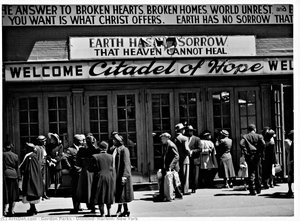
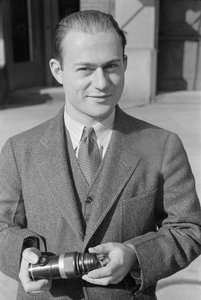 arthur rothstein
Arthur Rothstein (1915-1985): American photojournalist of the FSA & OWI, documenting the Great Depression, Dust Bowl, and rural life. Powerful social realism.
The late 19th and early 20th centuries witnessed a shift. Photography increasingly turned its gaze inward, focusing on the urban crises unfolding alongside rapid industrialization. This is where Jacob Riis emerges as a pivotal figure. A New York police reporter, Riis used photography to expose the appalling living conditions of the city’s poor in works like “How the Other Half Lives” (1890). His photographs weren't simply observations; they were weapons in his fight for social reform. He didn’t just show poverty; he aimed to *change* it, galvanizing public opinion and influencing legislation.
Lewis Wickes Hine built upon Riis’s foundation, undertaking systematic surveys of child labor for the National Child Labor Commission. His photographs, published in sociological journals like “The Survey,” were instrumental in advocating for child-labor laws. Hine's work wasn’t just about documenting exploitation; it was about humanizing the children forced into grueling labor, forcing viewers to confront the moral implications of industrial progress. During the Great Depression, the Farm Security Administration (FSA) employed a remarkable group of photographers – Dorothea Lange, Walker Evans, Arthur Rothstein, and John Vachon among them – to document the plight of rural Americans. Lange’s “Migrant Mother” became an iconic symbol of the era, embodying the hardship and resilience of those displaced by economic devastation. These images weren't just reportage; they were powerful statements about social injustice and the human spirit.
Beyond Reportage: Gordon Parks and the Power of Personal Narrative
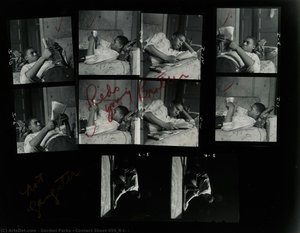
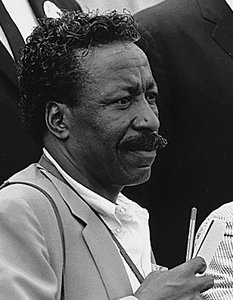 Gordon Parks
Discover Gordon Parks: groundbreaking photographer, filmmaker & author who documented American life, civil rights & poverty with powerful imagery. A true pioneer!
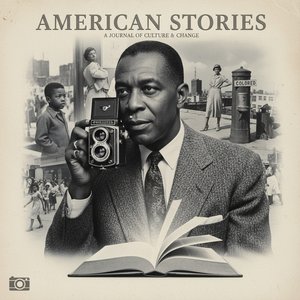
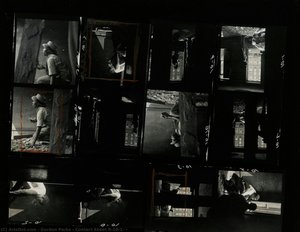
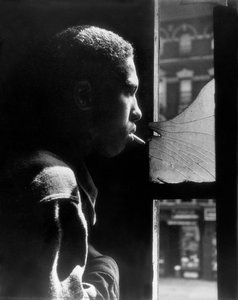
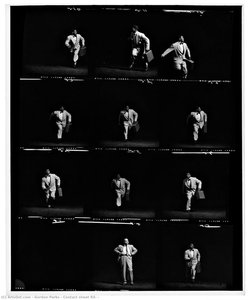
While the FSA photographers focused on broad societal issues, Gordon Parks revolutionized documentary photography by infusing it with a deeply personal perspective. Parks wasn’t simply documenting poverty or racial segregation; he was documenting *life* – his life, the lives of those around him, and the complexities of the African American experience. His work transcended mere reportage, becoming a powerful form of self-expression and social commentary. Parks masterfully employed photography, filmmaking, and writing to tell stories that were often overlooked or marginalized.
Parks’s images weren't just about what he saw; they were about how he *felt* about what he saw. He captured the dignity and resilience of his subjects with a sensitivity and empathy rarely seen in documentary photography before him. His work challenged viewers to confront their own biases and preconceptions, fostering a deeper understanding of the human condition. He became a pioneer, breaking down barriers and paving the way for future generations of photographers to explore personal narratives within the framework of social documentation.
Defining Documentary: Ethics, Objectivity, and the Photographer's Role
The very act of photographing raises fundamental questions about ethics and objectivity. Can a photograph truly be “objective”? Or is it always filtered through the photographer’s perspective? This debate has been central to documentary photography since its inception. While the intention is often to present an accurate representation of reality, the selection of subject matter, framing, composition, and even post-processing techniques inevitably introduce a degree of subjectivity.
The pursuit of objectivity doesn't negate the importance of empathy or personal connection. In fact, many argue that a photographer’s genuine engagement with their subjects is crucial to creating meaningful work. However, it’s essential to acknowledge the inherent power dynamics at play – the photographer as observer versus the subject being observed. Contemporary ethical guidelines emphasize informed consent, respect for privacy, and avoiding manipulation or exploitation. The role of the documentary photographer isn't simply to record events but also to consider the impact of their work on those they photograph and the broader public.
Documentary Photography Today: Evolution and Contemporary Voices
With the rise of television and digital technology, the landscape of documentary photography has undergone a dramatic transformation. While traditional forms of published photojournalism have declined, documentary photography has found new audiences in art galleries and museums. This shift has led to a re-evaluation of its role – from simply bearing witness to sparking dialogue and challenging conventional narratives.
Contemporary photographers are pushing the boundaries of the genre, experimenting with new techniques and approaches. They’re exploring complex social issues through long-term projects, immersive storytelling, and collaborative practices. The focus has broadened beyond traditional reportage to encompass environmental concerns, identity politics, and personal experiences. Organizations like World Press Photo continue to uphold ethical standards while showcasing powerful work from around the globe. Documentary photography remains a vital force for social change, reminding us of our shared humanity and inspiring action.
The Enduring Legacy: How Documentary Photography Shapes Our Understanding of the World
From its humble beginnings as a tool for historical record-keeping to its current role as a catalyst for social justice, documentary photography has profoundly shaped our understanding of the world. The images created by pioneers like Riis, Hine, Lange, Evans, and Parks continue to resonate today, serving as powerful reminders of past struggles and inspiring hope for a better future.
The power of these photographs lies not just in their ability to document events but also in their capacity to evoke empathy, challenge assumptions, and foster dialogue. At ArtsDot.com, we believe in the enduring value of visual storytelling and are proud to offer a curated collection of museum-quality prints that celebrate the legacy of documentary photography. Explore our selection today and discover how these iconic images can transform your perspective and connect you with the world around you. Whether you’re seeking a striking statement piece for your home or a meaningful gift, ArtsDot.com provides access to timeless works that will inspire generations to come.