The Rebellion of 1848: Challenging the Royal Academy's Traditions
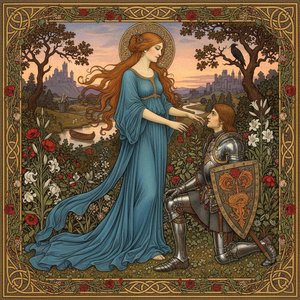 The Pre-Raphaelite Brotherhood: Rediscovering Romanticism, Mythological Depth, and Vivid Detail in Victorian Art
The Rebellion Against Tradition: The Birth of the Pre-Raphaelite Brotherhood In the mid-19th century, the rigid corridors of the British Royal Academy felt increasingly stifling to a group of young, fervent visionaries. Driven by a profound dissatisf...
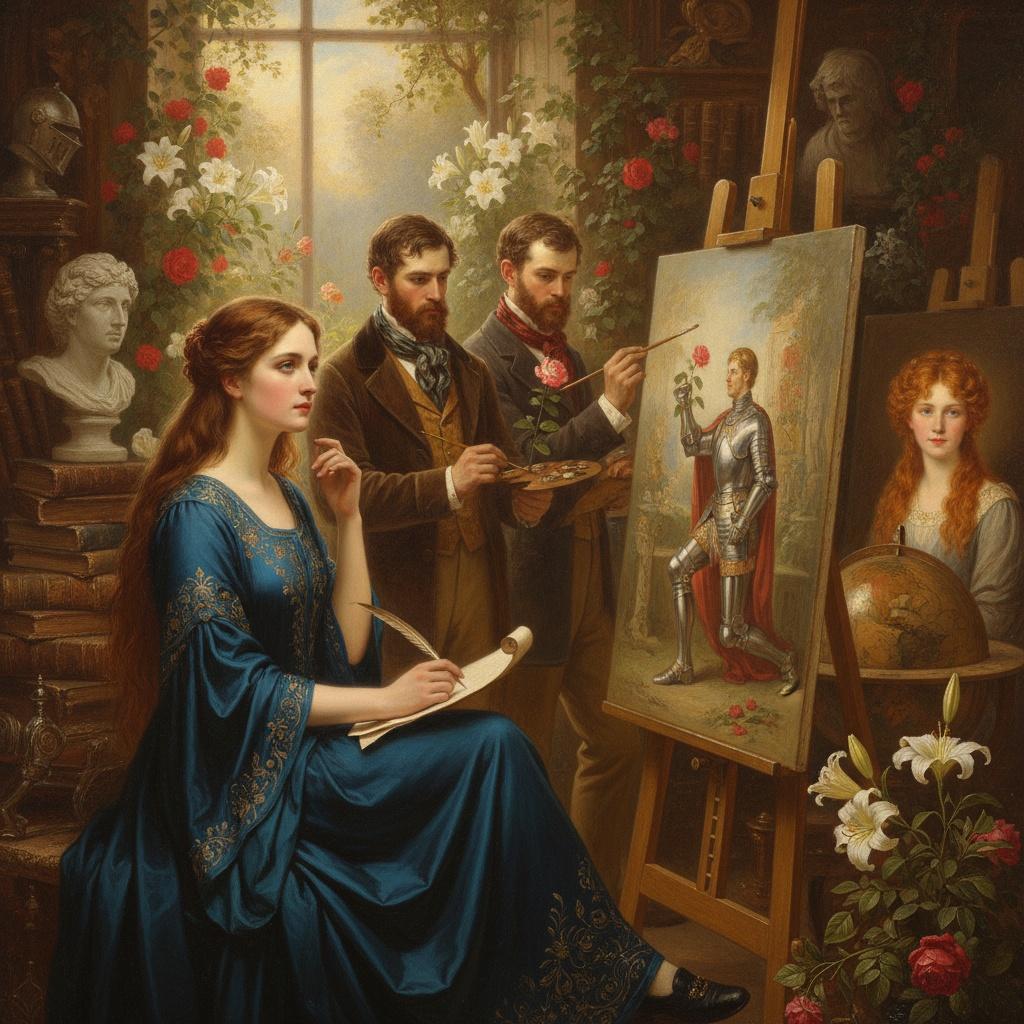
In the mid-19th century, the air in London was thick with the scent of revolution. As political fervor swept across the European continent in 1848, a different, more quiet uprising was taking shape within the rigid corridors of the British Royal Academy. A small circle of young, fervent visionaries—including figures like Frederic George Stephens and William Holman Hunt—felt increasingly stifled by the formulaic, dark, and overly academic compositions dictated by their predecessors. They viewed the prevailing style as a formary of "slosh," a term they disparagingly used to describe the heavy-handed, mechanistic techniques of the Academy, particularly those championed by Sir Joshua Reynolds, whom they mockingly dubbed Sir Sloshua.
This was not merely an aesthetic disagreement; it was a moral imperative. The founding members of the Pre-Ralphaelite Brotherhood sought to stage a revolution that looked backward to move forward. They found their inspiration in the era before Raphael, a period they believed possessed a raw, unadulterated sincerity and spiritual purity that had been lost to the corrupting influences of Mannerism. By rejecting the artificiality of contemporary trends, these artists aimed to reclaim a sense of truth, seeking a return to the clarity and emotional depth found in early Renaissance art. This audacious challenge to artistic convention would forever alter the trajectory of British art history.
A Symphony of Detail: The Pursuit of Luminous Naturalism and Truth
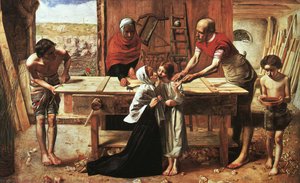 Christ in the House of His Parents
Sir John Everett Millais's 'Christ in the House of His Parents': A Window into Victorian Faith Sir John Everett Millais’s “Christ in the House of His Parents,” often referred to as "The Carpenter’s Shop," stands as a monumental achievement within the...
To witness a Pre-Raphaelite canvas is to experience a sudden, breathtaking clarity that stands in stark contrast to the muted, somber palettes dominating Victorian salons. The Brotherhood pioneered a technique that allowed light to radiate from within the painting itself, often by applying pigments onto a wet white ground. This method ensured that colors remained vibrant, saturated, and startlingly real, reminiscent of the luminous brilliance found in stained glass. Theirs was a pursuit of naturalism that demanded an almost scientific level of observation, where every leaf, every fold of fabric, and every glint of light served as a testament to the divine complexity of nature.
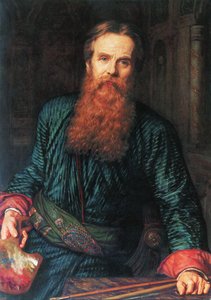
This dedication to detail extended far beyond mere decoration; it was a commitment to mimesis—the imitation of nature in its most authentic form. In works such as William Holman Hunt’s early self-portraits, one sees an extraordinary level of painstaking execution. The rendering of clothing, the precise stitching of a suit, and the subtle gradations of tone achieved through thin glazes of oil paint demonstrate a refusal to bypass the difficult work of true observation. For the Pre-Raphaelites, beauty was found in the microscopic truth of the world, a belief that transformed the canvas into a window through which the viewer could reconnect with the tangible, breathing reality of the natural world.
Masters of the Movement: From Rossetti’s Poetry to Hunt’s Realism
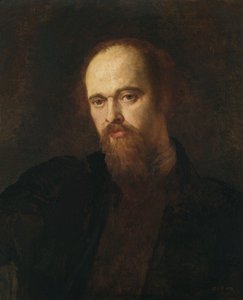
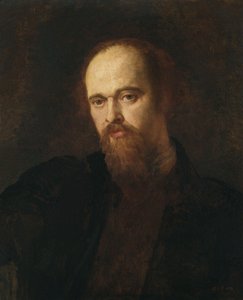 Dante Gabriel Rossetti
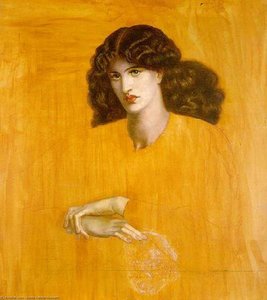
A Life Immersed in Beauty: The World of Dante Gabriel Rossetti Dante Gabriel Rossetti, born May 12, 1828, in London, was a pivotal figure in the Pre-Raphaelite Brotherhood and a poet whose verses were as richly symbolic and evocative as his paintings...
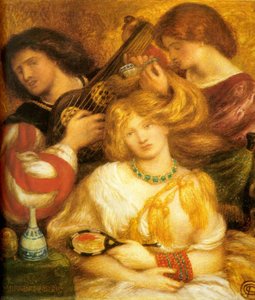
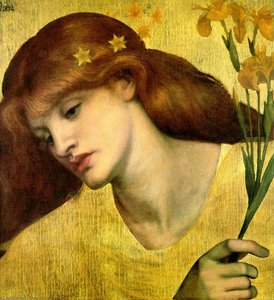
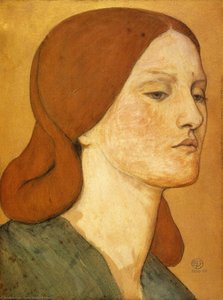
The Brotherhood was never a monolithic entity but rather a loose association of brilliant, diverse minds. Dante Gabriel Rossetti stands as perhaps the most pivotal and polymathic figure of the group. A poet whose verses were as richly symbolic as his paintings, Rossetti’s work blurred the boundaries between literature and visual art. His Italian heritage instilled in him a lifelong fascination with the Renaissance masters and the evocative power of Dante Alighieri. Through his brush, the movement embraced Aestheticism, championing "art for art's sake" and imbuing portraiture with a quiet emotional depth and a romantic fascination with the past.
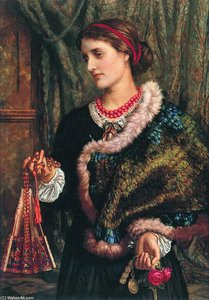
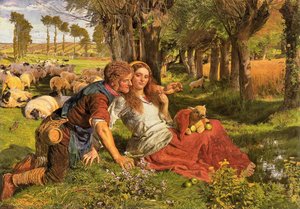
While Rossetti explored the symbolic and the poetic, William Holman Hunt anchored the movement in a profound moral and realistic truth. His work often wrestled with the burgeoning realities of Victorian England, using intense realism to convey spiritual and social messages. Similarly, John Everett Millais contributed monumental achievements like Christ in the House of His Parents, an immersive tableau that utilized meticulous realism to depict domestic life with such startling accuracy that it occasionally scandalized the Victorian public. Even figures like Emma Sandys, though often overlooked, brought a delicate sensitivity and a unique approach to portraiture that refined the movement's established conventions with luminous skin tones and exquisite textures.
Myth, Legend, and Medievalism: Narrative Depth in Pre-Raphaelite Canvas
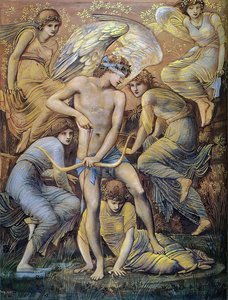 Cupid's Hunting Fields
Cupid's Hunting Fields: A Pre-Raphaelite Reverie Edward Coley Burne-Jones’s “Cupid’s Hunting Fields” is more than simply a depiction of a mythological scene; it’s an immersion into the very heart of Pre-Raphaelite ideals – a yearning for beauty, a re...
Beyond the meticulous rendering of flora and fauna, the Pre-Raphaelites were masters of narrative storytelling. They drew heavily from the wellspring of medieval legends, Arthurian myths, and classical literature to create works that breathed with a quiet intensity. Edward Coley Burne-Jones, a later follower of these principles, exemplified this through works like Cupid's Hunting Fields. In such paintings, the viewer is invited into a timeless realm where gods and mortals intertwine amidst landscapes of idyllic serenity, utilizing a rich, saturated palette of deep greens and shimmering golds to evoke an otherworldly beauty.
This engagement with mythology allowed the artists to explore complex themes of love, innocence, and mortality. The inclusion of symbolic objects—a bow, a rosary, or a specific flower—added layers of meaning that required the viewer to engage intellectually with the canvas. Whether depicting the ethereal beauty of a mythological nymph or the somber dignity of a historical figure, the Pre-Raphaelites used the weight of history and legend to ground their contemporary visions, creating an art form that was simultaneously deeply rooted in the past and vibrantly alive in the present.
The Lasting Legacy: How the Brotherhood Redefined Victorian Aesthetics
The impact of the Pre-Raphaelite Brotherhood extends far beyond the mid-19th century. By challenging the rigid structures of the Royal Academy, they paved the way for subsequent movements such as Aestheticism and the Arts and Crafts movement led by William Morris. Their emphasis on the beauty of craftsmanship and the integration of art into everyday life left an indelible mark on British design and culture. They taught a generation of artists that truth could be found in the smallest detail and that beauty was not a matter of idealized perfection, but of sincere observation.
Today, the legacy of the Brotherhood continues to resonate in our appreciation for texture, color, and narrative depth. Their ability to marry the scientific precision of naturalism with the romantic allure of legend remains a cornerstone of art history. As we look back upon their vibrant canvases, we see more than just relics of a bygone era; we see a enduring testament to the power of art to reclaim beauty from the shadows of convention and to illuminate the profound complexity of our shared existence.