Introduction
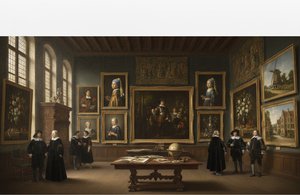
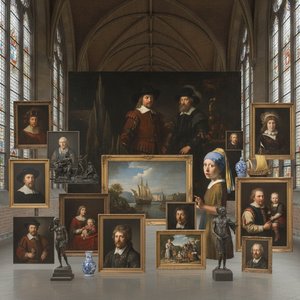
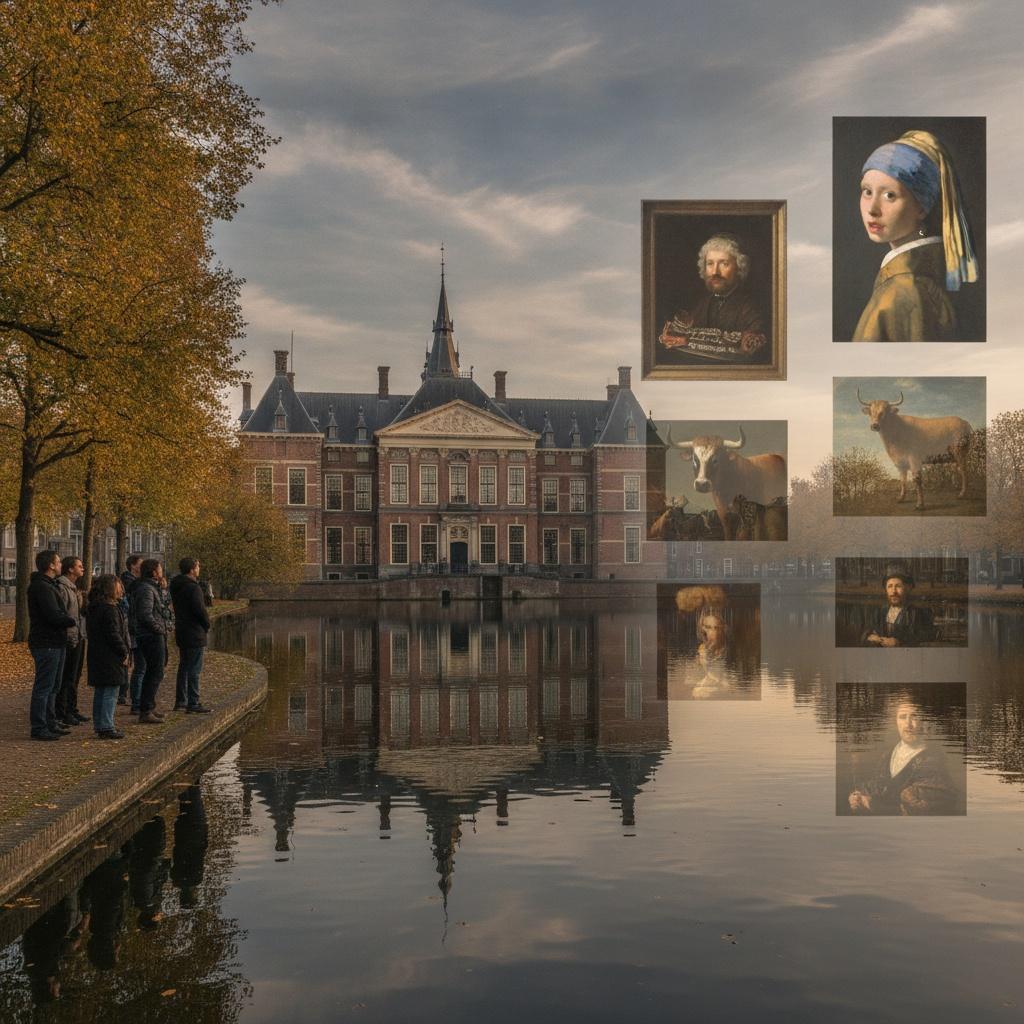
To step into the Mauritshuis is to leave the modern bustle of The Hague behind and enter a sanctuary where the 17th century breathes through every gilded frame. This is not merely a museum; it is a concentrated jewel box of the Dutch Golden Age, housed within a palace designed with the very precision and elegance that defines the era's greatest masters. As you walk through its symmetrical halls, originally built for Count Johan Maurits van Nassau-Siegen, you are not just viewing art—you are participating in a silent dialogue with history, light, and the profound human condition.
The collection within these walls offers an intimate encounter with the soul of Dutch Classicism. Unlike sprawling galleries that can overwhelm the senses, the Mauritshuis invites a focused, meditative gaze. Here, the mastery of light is unparalleled. You can almost feel the cool stillness of a room captured by Johannes Vermeer or sense the dramatic, heavy shadows of a Rembrandt masterpiece. These works remain deeply meaningful today because they transcend their era; they capture universal truths about identity, wealth, domesticity, and the fleeting nature of time through meticulous brushwork and an almost supernatural command of luminosity.
In the following selection, we guide you through twenty-five of the most significant works that define this institution. From the enigmatic gaze of a girl wearing a single, luminous pearl to the sprawling, narrative complexities of Dutch genre painting, these pieces represent the pinnacle of artistic achievement. Each work on this list has been chosen for its ability to stop time, offering a window into a period when art became a mirror for a burgeoning, prosperous society.
The Girl with a Pearl Earring - Johannes Vermeer
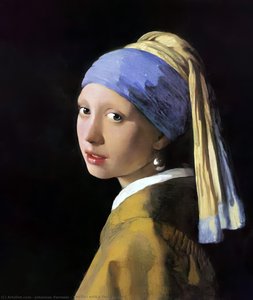
In the Girl with a Pearl Earring by Johannes Vermeer, structural harmony meets profound mystery. The composition is anchored by a masterful use of organic shapes and soft, blended lines that guide the eye toward the subject's enigmatic gaze. A subtle triangular structure provides essential visual stability, while the diagonal line created by her tilted head introduces a dynamic energy that prevents the stillness from becoming static. This balance of weight and light creates a sense of timeless perfection, making it a cornerstone among the top 25 artworks in Mauritshuis, The Hague .
The painting’s internal equilibrium—the contrast between the deep, dark void of the background and the luminous highlights on the pearl and skin—resonates deeply with the principles of modern minimalist design. Much like a contemporary clean aesthetic, Vermeer strips away unnecessary detail to focus on essential form and light. The rich ultramarine of her turban and the warm, golden flesh tones offer a sophisticated palette that grounds any space, proving that 17th-century Dutch realism remains a vital inspiration for modern, high-end interior curation.
The Anatomy Lecture of Dr. Nicolaes Tulp [1632] - Rembrandt van Rijn
![The Anatomy Lecture of Dr. Nicolaes Tulp [1632]](/media/artworks/images-thumb/e5/fc/e5fcb33447eac6b24ab049b22effa1a3.jpg) The Anatomy Lecture of Dr. Nicolaes Tulp [1632] - Rembrandt van Rijn
The Anatomy Lecture of Dr. Nicolaes Tulp [1632] - Rembrandt van RijnIn The Anatomy Lecture of Dr. Nicolaes Tulp , Rembrandt van Rijn captures a profound moment where scientific inquiry meets dramatic artistry. This seminal work stands as a cornerstone of the Mauritshuis collection, representing the intellectual peak of the Dutch Golden Age. Through his masterful use of chiaroscuro , Rembrandt plunges the room into deep, atmospheric shadows, allowing a singular, piercing light to illuminate the grim reality of the dissection and the intense, focused expressions of the surgeons gathered around.
The painting’s power lies in its ability to transform a clinical procedure into a theatrical event. The stark contrast between the pale, lifeless anatomy and the warm, living faces creates an emotional tension that remains captivating centuries later. For modern collectors and interior designers, this piece offers a masterclass in using tonal depth and dramatic lighting to create a focal point of gravity and prestige. Its heavy textures and earthy palette of browns and blacks provide a sophisticated template for creating commanding, scholarly atmospheres in contemporary corporate or residential spaces.
View of Delft - Johannes Vermeer
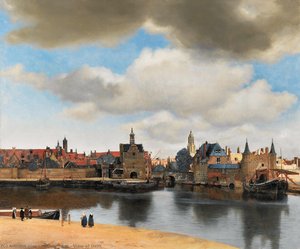 View of Delft - Johannes Vermeer
In View of Delft by Johannes Vermeer, a soft, luminous silver-grey dominates the sky and water, establishing a mood of profound tranquility and atmospheric stillness. This masterful use of a muted, pearlescent palette is precisely why this work remains a cornerstone of the top 25 artworks in 'Mauritshuis, The Hague' . Vermeer achieves a breathtaking sense of depth through subtle gradations of cool blues and earthy ochres, capturing the precise light of a Dutch morning with unparalleled realism.
For the discerning decorator or procurement manager, this painting offers a sophisticated blueprint for modern interior curation. The serene color scheme—characterized by balanced neutrals and soft highlights—can be used to anchor the emotional lighting of a large-scale corporate lobby or a refined dining room. By integrating the painting's calm, reflective tones into a space, you introduce an element of historical prestige and architectural stability. It serves as a timeless centerpiece that promotes a sense of order and quiet luxury, making it an essential selection for high-end hospitality projects seeking to evoke the enduring spirit of the Dutch Golden Age.
Diana and her Companions - Johannes Vermeer
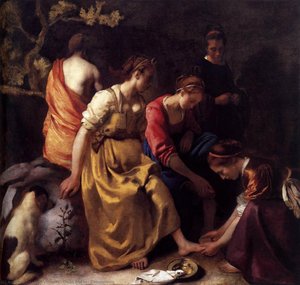 Diana and her Companions - Johannes Vermeer
Step into a moment of profound stillness, where the clamor of the world fades into a soft, luminous hush. In Diana and her Companions , Johannes Vermeer invites us to witness not a grand mythological battle, but an intimate ritual of quiet devotion. As you stand before this masterpiece in the Mauritshuis, The Hague, you feel the weight of a shared secret; the goddess Diana sits in repose, surrounded by nymphs whose gentle movements—washing feet, tending to preparations—create a rhythmic, meditative atmosphere.
This work earns its place among the top 25 artworks in the Mauritshuis due to its extraordinary psychological depth. Vermeer eschews Baroque drama for a subtle play of light and shadow, using muted earthy tones and translucent glazes to breathe life into the divine. The presence of a loyal dog and a solitary thistle adds layers of symbolic mystery, inviting endless contemplation. Such timeless tranquility offers a powerful antidote to the frantic pace of modern existence, reminding us that even within our busiest spaces, we can curate moments of serenity and grace through the enduring presence of fine art.
Tronie - Rembrandt van Rijn
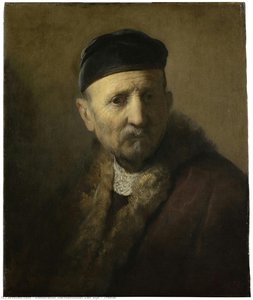 Tronie - Rembrandt van Rijn
Acquiring a reproduction of Tronie by Rembrandt van Rijn is more than an aesthetic choice; it is a strategic investment in the enduring legacy of the Dutch Golden Age. As one of the top 25 artworks in the Mauritshuis, The Hague, this 1631 masterpiece holds immense historical significance, serving as a definitive study in the tronie genre—where character and psychological depth supersede mere portraiture. Its position in the global art canon is cemented by Rembrandt’s unparalleled command of chiaroscuro , using dramatic light to pull weathered textures and soulful gazes from deep, amber-hued shadows.
The painting's profound influence on the evolution of Baroque technique makes it a cornerstone for any serious collection. For the modern professional decorating high-end corporate spaces or luxury hospitality suites, this work offers a sophisticated anchor. The muted palette of ochre, deep brown, and midnight black provides a sense of gravitas and timelessness. A high-quality oil reproduction carries this same aesthetic authority, bringing the monumental presence of Rembrandt’s textured impasto into contemporary, prestigious interiors.
Saul and David - Rembrandt van Rijn
 Saul and David - Rembrandt van Rijn
In the hallowed halls of the Mauritshuis, a profound drama unfolds within the shadows of Rembrandt van Rijn’s Saul and David . This masterpiece is far more than a biblical depiction; it is an intimate window into the human soul, capturing a moment of intense psychological tension. Through the masterful use of chiaroscuro , Rembrandt directs our eyes through a landscape of heavy shadows and sudden, brilliant highlights. We witness the broken King Saul, weighed down by jealousy, contrasted against the luminous, pure presence of the young David playing his harp.
There is a gaze in Saul and David that follows you—not with judgment, but with understanding . This isn’t merely a painting; it is a mirror reflecting the eternal struggle between internal torment and divine grace. As one of the top 25 artworks in 'Mauritshuis, The Hague', its power lies in making the invisible visible. Imagine this profound gravity in your own space—not watching you, but reminding you that you are part of a much larger, timeless story.
The Laughing Man - Rembrandt van Rijn
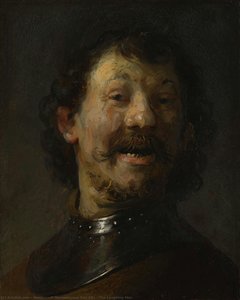 The Laughing Man - Rembrandt van Rijn
Imagine standing before a canvas where the heavy shadows of the Dutch Golden Age suddenly fracture under the force of an unexpected, boisterous joy. In The Laughing Man , Rembrandt van Rijn captures more than a mere facial expression; he freezes a visceral moment of human vulnerability and unbridled spirit. As you gaze into the subject's wide eyes and weathered features, the dramatic interplay of light and shadow—Rembrandt’s signature chiaroscuro —pulls you into a psychological study that feels startlingly modern.
This piece earns its place among the top 25 artworks in the Mauritshuis because it transcends the boundaries of a traditional portrait. Through his masterful use of texture and light, Rembrandt explores the duality of the human condition: the exhilaration of laughter intertwined with a hint of underlying melancholy. Such profound emotional depth offers a timeless reminder of our shared humanity. Bringing the energy of this masterpiece into a contemporary space can transform a room, providing a focal point of character and soulful resonance that inspires daily reflection and connection.
Woman Writing a Letter, with her Maid - Johannes Vermeer
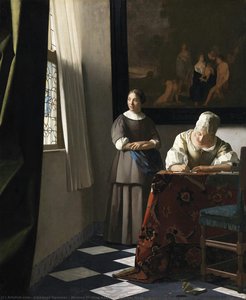 Woman Writing a Letter, with her Maid - Johannes Vermeer
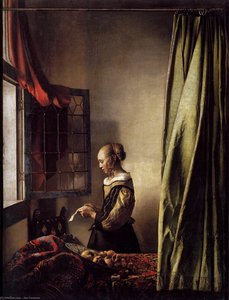
A hush falls over the room as light spills from an unseen window, illuminating a moment of profound, quiet intimacy in Woman Writing a Letter, with her Maid by Johannes Vermeer. This masterpiece earns its place among the top 25 artworks in the Mauritshuis through its unparalleled ability to transform a mundane domestic task into a cinematic experience of anticipation and emotion. Vermeer utilizes a muted palette of creams, deep browns, and subtle reds to create an atmosphere where every shadow tells a story of hidden connection.
The composition is a masterclass in visual intrigue; the maid’s presence behind the green curtain adds a layer of mystery, while the soft light captures the tactile reality of 17th-century Delft life. It is this very ability to capture the 'soul' of a moment that makes Vermeer an eternal influence on visual culture. Today, this same tranquil energy serves as a profound inspiration for modern interiors. By choosing a high-fidelity oil reproduction, you can bring this transformative presence and the serene, light-drenched elegance of the Dutch Golden Age into your own home, office, or private gallery.
Self-Portrait - Rembrandt van Rijn
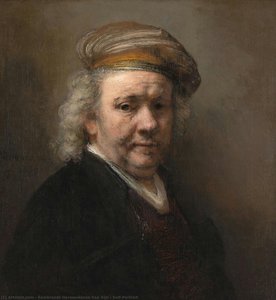 Self-Portrait - Rembrandt van Rijn
Standing before Rembrandt’s 1669 Self-Portrait , one does not merely see a face; one encounters the weight of a lifetime. There is a profound, heavy silence in the room as you meet his unflinching gaze—a look that has weathered both the heights of fame and the depths of financial ruin. The painting captures a moment of raw, psychological truth, where the dramatic Baroque chiaroscuro carves his features out of the surrounding darkness, highlighting the textures of skin and the weary wisdom in his eyes.
This work earns its place among the top 25 artworks in 'Mauritshuis, The Hague' because it serves as a masterclass in human resilience. Through meticulous oil layering and masterful light manipulation, Rembrandt transforms personal vulnerability into universal strength. It is a hauntingly beautiful meditation on mortality and identity that transcends the centuries. Bringing such profound depth into a modern space allows us to reconnect with this timeless emotional gravity, providing a focal point of introspection and quiet dignity amidst the rush of contemporary life.
Two Moors - Rembrandt van Rijn
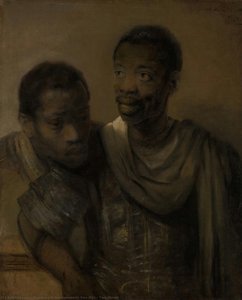 Two Moors - Rembrandt van Rijn
In the quiet, amber-hued depths of Rembrandt van Rijn’s 1661 masterpiece, Two Moors , one encounters a profound meditation on human connection and vulnerability. As one of the most emotionally resonant pieces among the top 25 artworks in 'Mauritshuis, The Hague', this painting transcends simple portraiture through its masterful use of chiaroscuro . Rembrandt does not merely depict light; he sculpts it using thick, tactile impasto layers that allow the glow to catch on the ridges of the pigment, creating a palpable three-dimensionality.
The visceral intimacy—seen in the gentle way one man supports his companion—offers a rare glimpse into a moment of shared dignity and unspoken emotion. For the modern professional or interior designer, this work provides an unparalleled sense of atmospheric depth. Its dramatic interplay of brilliant illumination and impenetrable gloom makes it an exquisite choice for creating a sophisticated, moody ambiance in corporate spaces or luxury hotel suites, where the weight of history meets contemporary elegance.
Andromeda - Rembrandt van Rijn
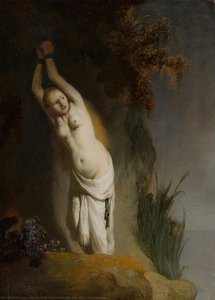 Andromeda - Rembrandt van Rijn
In Andromeda , Rembrandt van Rijn strips away the grand spectacle of Greek mythology to reveal a raw, psychological truth that remains one of the most arresting highlights among the top 25 artworks in Mauritshuis, The Hague. Rather than focusing on the heroic arrival of Perseus, Rembrandt directs our gaze toward the profound vulnerability of the princess. Chained to the jagged rocks, her form is sculpted by an early, masterful use of chiaroscuro , where brilliant, luminous whites clash against swallowing nocturnal shadows.
This dramatic interplay of light and dark creates a sensory experience that feels remarkably modern; the painting’s moody, high-contrast tonality serves as a powerful inspiration for contemporary interior design seeking to add depth and narrative weight. By emphasizing human emotion over epic action, Rembrandt transforms a legendary myth into a universal study of fear and resilience. For collectors and decorators, this piece offers an unparalleled atmospheric presence, making it a timeless cornerstone for any curated collection of Dutch Golden Age masterpieces.
The Presentation of Jesus in the Temple - Rembrandt van Rijn
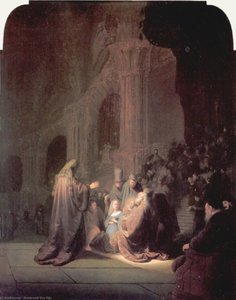 The Presentation of Jesus in the Temple - Rembrandt van Rijn
In the heart of the Mauritshuis collection, Rembrandt van Rijn’s The Presentation of Jesus in the Temple acts as a profound meditation on divine grace. Painted in 1631, this work showcases the master's early brilliance in orchestrating chiaroscuro —that dramatic, soul-stirring interplay between deep shadow and radiant light. As you stand before it, a celestial beam descends upon Mary and the infant Jesus, pulling your focus into the center of this sacred, crowded tableau.
There is a gaze within this masterpiece that follows you—not with judgment, but with understanding . It does not merely depict a biblical moment; it acts as a mirror to our own capacity for awe. The movement of the figures, from the reverent Simeon to the ethereal angelic attendants, creates a rhythmic energy that breathes life into the temple setting. To possess such a work in your space is to invite a constant reminder of the sublime; it is an invitation to find stillness and light amidst the complexities of the modern world.
Venus with an Organist and a Dog - Titian Ramsay Peale II
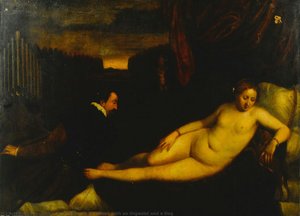 Venus with an Organist and a Dog - Titian Ramsay Peale II
In Venus with an Organist and a Dog by Titian Ramsay Peale II, the mastery of light serves as the primary narrator. The composition is anchored by a sophisticated play of chiaroscuro, where soft, luminous glazes illuminate the reclining figure of Venus, creating an ethereal glow that seems to emanate from within the canvas itself. This delicate handling of illumination, reminiscent of the Venetian High Renaissance, directs the eye across the intimate scene—from the subtle textures of the organ in the background to the warm, watchful presence of the dogs.
Peale II’s command over light and shadow does more than just define form; it imbues the work with a quiet prestige and emotional depth that secures its place among the top 25 artworks in Mauritshuis, The Hague. For collectors looking to elevate a contemporary space, a faithful reproduction of this piece offers unparalleled luxury. The way the light interacts with the painted textures adds a profound sense of dimensionality and architectural depth, transforming any modern wall into a window of historical elegance and timeless beauty.
Portrait of Emperor Charles V (1500-1558) - Titian Ramsay Peale II
 Portrait of Emperor Charles V (1500-1558) - Titian Ramsay Peale II
In the curated halls of the Mauritshuis, The Hague, the Portrait of Emperor Charles V by Titian Ramsay Peale II stands as a profound study in imperial dignity and the enduring power of the Venetian tradition. This work transcends simple portraiture; it is a masterclass in capturing authority through light and shadow. Peale II utilizes a subdued palette of deep ochres and dark browns, employing delicate glazing layers to create an ethereal luminescence that brings the Emperor’s weathered features and textured beard to life.
The painting's visual language—characterized by tonal harmony and a piercing, direct gaze—resonates deeply within modern high-end interiors. In contemporary corporate and hospitality design, such works serve as sophisticated focal points, offering a sense of classical weight and historical permanence. As one of the top 25 artworks in Mauritshuis, this piece remains a vital cultural talking point, bridging the gap between the zenith of Habsburg power and the refined aesthetic demands of today’s most prestigious curated spaces.
Fruit Still Life - Jan van Huysum
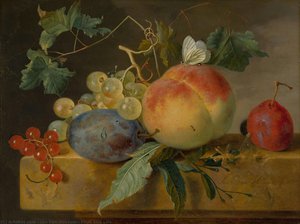 Fruit Still Life - Jan van Huysum
To encounter Jan van Huysum’s Fruit Still Life is to witness a masterclass in the sensory opulence of the Dutch Golden Age. As one of the standout treasures within the Mauritshuis, The Hague, this work transcends simple botanical study, offering instead a breathtaking symphony of texture and light that commands attention from any connoisseur. Van Huysum orchestrates a lavish tableau where the deep purples of ripe plums and the velvety blush of peaches appear almost tactile, rendered with a precision that captures the very dew on their skins.
Beyond its visual feast, the painting serves as a sophisticated vanitas ; the delicate presence of a butterfly and the subtle movement of an ant remind the viewer of life's fleeting beauty. For the modern collector or designer, this piece offers more than historical value—it provides a timeless anchor for refined interiors. Its rich, saturated palette and dramatic chiaroscuro bring a sense of established legacy and architectural depth to any space, making it a definitive highlight among the top 25 artworks in the Mauritshuis collection.
Nymph and Satyr - Peter Paul Rubens
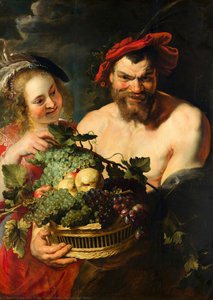 Nymph and Satyr - Peter Paul Rubens
A deep, sun-drenched crimson dominates “Nymph and Satyr” by Peter Paul Rubens , setting a mood of visceral passion and Baroque opulence. This vibrant hue, found in the ripe grapes and flowing drapery, works in tandem with radiant golds and lush greens to create a palette that is both energetic and profoundly sensual. It is this masterful command of color and chiaroscuro —the dramatic interplay of light and shadow—that secures its place among the top 25 artworks in 'Mauritshuis, The Hague'.
For professionals managing large-scale interior projects, such as boutique hotels or fine dining establishments, this painting offers a masterclass in emotional lighting. Integrating a reproduction of this work can anchor a room with a sense of classical stability and warmth. The rich, warm tones are ideal for curating a sophisticated atmosphere in a lounge or executive suite, where the interplay of deep shadows and luminous highlights can complement heavy wood textures or gold-leaf accents, bringing the legendary vitality of the Dutch Golden Age into a modern architectural context.
Venus Trying to Restrain Adonis from Departing for the Hunt - Peter Paul Rubens
 Venus Trying to Restrain Adonis from Departing for the Hunt - Peter Paul Rubens
In the presence of Peter Paul Rubens’ Venus Trying to Restrain Adonis from Departing for the Hunt , one immediately confronts the visceral tension between eternal devotion and the fleeting nature of mortal impulse. This masterpiece serves as a profound exploration of the struggle between passion and duty, capturing the precise moment where the goddess of love attempts to anchor a wandering spirit. As part of the top 25 artworks in 'Mauritshuis, The Hague', this work stands out for its psychological depth, moving beyond mere mythological illustration to touch upon the universal human experience of loss and resistance.
Rubens employs a breathtaking Baroque vocabulary; his use of chiaroscuro sculpts the luminous, fleshy tones of the figures against a dynamic, pastoral backdrop teeming with life. The vibrant reds and golds evoke a sense of divine urgency, while the swirling composition creates a rhythmic energy that mirrors the emotional turbulence of the scene. In today’s curated spaces, this painting remains a powerful cultural touchstone, resonating with modern fascinations regarding the boundaries of intimacy and the inevitable pull of external destiny.
River Landscape at Sunset - Aert van der Neer
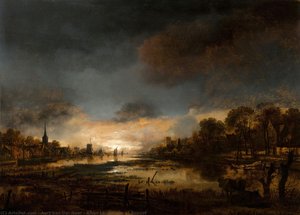 River Landscape at Sunset - Aert van der Neer
In River Landscape at Sunset by Aert van der Neer, the eye is immediately drawn to the masterful layering of thin glazes that define his revolutionary approach to light. The texture of the oil on canvas captures the fiery, atmospheric transition of twilight, where the water reflects a spectrum of warm, glowing hues against the encroaching shadows of the trees. Van der Neer’s ability to render the subtle, shimmering movement of the river and the delicate silhouettes of distant boats creates a profound sense of stillness and psychological depth, marking this as a cornerstone among the top 25 artworks in 'Mauritshuis, The Hague'.
At ArtsDot.com, we believe such atmospheric brilliance should not be confined to museum walls. Our high-end, hand-painted reproductions are meticulously crafted to preserve this tactile, three-dimensional quality. By utilizing authentic brushstrokes and heavy impasto techniques on 100% cotton canvas, we ensure that the luminous depth and emotional resonance of Van der Neer’s sunset are brought into your professional or private space with absolute fidelity.
Beach View - jacob isaackszoon van ruisdael
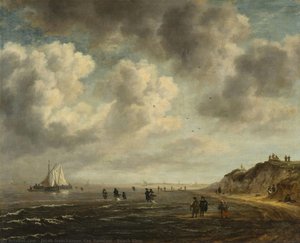 Beach View - jacob isaackszoon van ruisdael
To encounter Beach View by Jacob Isaackszoon van Ruisdael is to witness the profound mastery of the Dutch Golden Age’s most significant landscape architect. This work secures its position among the top 25 artworks in 'Mauritshuis, The Hague' through its unparalleled ability to capture the atmospheric tension of a coastal afternoon. Ruisdael moves beyond simple topography, using a sophisticated layering of pigments to simulate a heavy, overcast sky that breathes life into the scene.
The composition is a study in movement and scale; scattered figures along the shoreline, riders on horseback, and vessels navigating the grey waters create a rhythmic vitality. The subtle interplay of light through cloud cover lends a sense of quiet drama, making it an ideal centerpiece for refined, modern interiors seeking a connection to historical depth. For the discerning collector, this painting offers more than a view; it provides a timeless window into the resilience and atmospheric beauty of the 17th-century Dutch coast, embodying a legacy of prestige and enduring aesthetic grace.
Singing Round the Star on Twelfth Night - Cornelis Troost
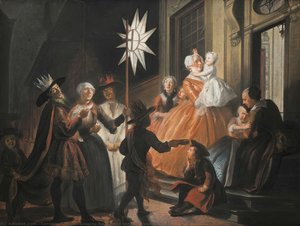 Singing Round the Star on Twelfth Night - Cornelis Troost
Cornelis Troost’s Singing Round the Star on Twelfth Night serves as a luminous window into the theatricality of 18th-century Dutch life. As one of the top 25 artworks in the Mauritshuis, The Hague, this masterpiece captures the vibrant energy of the Epiphany celebrations in Amsterdam. Troost, drawing from his background as an actor, utilizes the delicate pastel hues and graceful movements characteristic of the Dutch Rococo style to transform a domestic scene into a grand stage production.
The composition is anchored by the ethereal glow of a star-shaped lantern, which illuminates a diverse group of richly dressed figures, children, and even a quiet infant, all united in communal joy. This work earns its prestigious placement through its masterful ability to blend social commentary with pure aesthetic delight. It invites us to reflect on the enduring human need for ritual and togetherness. For collectors and designers, the painting’s soft light and festive warmth offer timeless inspiration, providing a sophisticated focal point that brings a sense of historical elegance and lively character to any curated modern environment.
The Four Burgomasters of Amsterdam Learning of the Arrival of Maria de’ Medici on 1 September 1638 - Thomas de Keyser
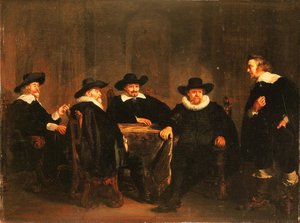 The Four Burgomasters of Amsterdam Learning of the Arrival of Maria de’ Medici on 1 September 1638 - Thomas de Keyser
While many view 17th-century portraiture as mere documentation, Thomas de Keyser used The Four Burgomasters of Amsterdam Learning of the Arrival of Maria de’ Medici to capture a palpable moment of political tension. Beyond the formal attire and the heavy documents scattered across the table, there is a hidden psychological depth; De Keyser masterfully utilizes Mannerist techniques—stylized poses and dramatic light—to signal the anxiety felt by Amsterdam's leaders during the upheaval of the Thirty Years’ War. The composition, with its pyramidal arrangement and somber palette of golds and deep browns, directs your gaze toward the gravity of their decision-making.
The technical genius lies in how De Keyser renders textures—from the crispness of the collars to the weight of the drapery—creating a scene that feels both monumental and intensely intimate. As one of the top 25 artworks in 'Mauritshuis, The Hague', this piece serves as a profound study of leadership and focus. Much like the burgomasters gathered in solemn deliberation, bringing such a commanding, historical presence into a modern home office or executive study can inspire an atmosphere of disciplined productivity and sophisticated intellectual rigor.
A Meal of Oysters - Frans van Mieris
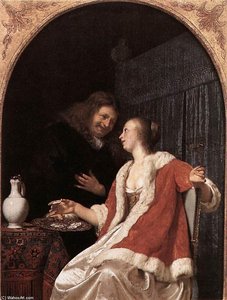 A Meal of Oysters - Frans van Mieris
In Frans van Mieris’ 1661 masterpiece, A Meal of Oysters , the viewer is invited into a theatrical, arched niche that feels less like a painting and more like a whispered secret. As one of the most captivating works among the top 25 artworks in 'Mauritshuis, The Hague', this piece exemplifies the fijnschilder technique—a style defined by hyper-realistic precision and microscopic detail. Van Mieris captures the shimmering sheen of the oysters and the heavy, luxurious texture of fur-trimmed capes with an almost tactile brilliance.
There is a tension in this scene that follows you—not with judgment, but with understanding . The interplay of light and shadow sculpts a moment of clandestine flirtation, where every spilled drop of wine and averted gaze suggests a narrative of hidden desire. This isn’t merely a depiction of a meal; it is a mirror reflecting the complexities of human intimacy and deception. To possess such a work in your collection is to bring that same sense of profound, quiet drama into your space, reminding you that even the smallest moments hold infinite stories.
Still Life with Copper Pot, Cheese and Eggs - Jean-Baptiste-Siméon Chardin
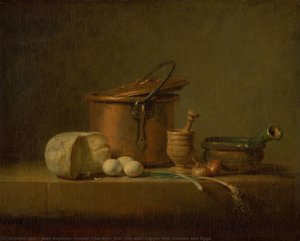 Still Life with Copper Pot, Cheese and Eggs - Jean-Baptiste-Siméon Chardin
There is a profound, quiet dignity in Jean-Baptiste-Siméon Chardin’s Still Life with Copper Pot, Cheese and Eggs that transcends the simple arrangement of domestic objects. It captures a universal moment of stillness, inviting the viewer to find sanctity in the mundane. As one of the top 25 artworks in the Mauritshuis, The Hague, this 1735 masterpiece stands out for its ability to elevate humble items—a gleaming copper pot, a wedge of cheese, and fragile eggs—into icons of light and texture. Chardin’s mastery lies in his soft, diffused lighting and a tactile brushwork that breathes life into the surfaces of earthenware and metal.
This painting earns its place among the museum's greatest treasures through its emotional resonance and its dialogue with the Dutch Golden Age masters. It serves as a timeless reminder that beauty resides in simplicity. At ArtsDot.com, we honor this legacy by offering hand-painted oil reproductions that preserve Chardin’s original textures and subtle tonal ranges, allowing you to bring this sense of serene, classical elegance into your own professional or private space.
Cottages in a Forest - meindert lubbertszoon hobbema
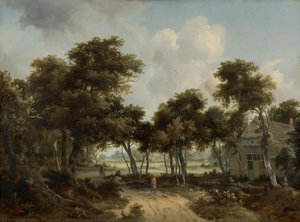 Cottages in a Forest - meindert lubbertszoon hobbema
What story does the dappled sunlight and rustling canopy in Cottages in a Forest by Meindert Lubbertszoon Hobbema tell? This 1665 masterpiece serves as a profound window into the Dutch Golden Age, capturing a period when landscape painting transitioned from simple topography to a medium of deep spiritual and moral reflection. As one of the top 25 artworks in the Mauritshuis, The Hague, Hobbema’s work breaks ground through its masterful use of atmospheric perspective, where soft brushstrokes and subtle tonal gradations create an immersive, luminous depth that feels almost tactile.
The scene—featuring charming cottages nestled among sunlit glades and figures wandering peacefully through the woods—evokes a sense of domestic tranquility and the eternal harmony between humanity and nature. For the modern collector, this painting offers more than just historical value; it provides a curated escape. Integrating such a serene, pastoral vista into a contemporary interior allows for a moment of quiet contemplation, bringing the timeless, restorative peace of the Dutch countryside directly into the home.
St Barbara - Parmigianino
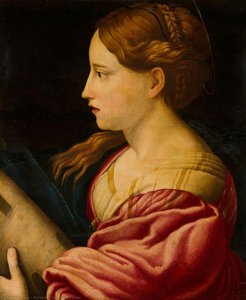 St Barbara - Parmigianino
Parmigianino’s St Barbara is a profound masterclass in Mannerism, representing the pivotal moment when the balanced ideals of the High Renaissance gave way to the elegant distortions and psychological tension of a new era. As one of the top 25 artworks in the Mauritshuis, The Hague, this piece captures a sense of ethereal beauty through its elongated forms and the soft, atmospheric use of sfumato . The saint is depicted with a delicate, almost fragile grace, her red hair and pink attire providing a subtle warmth against the somber devotion of her prayer.
Beyond its technical brilliance, the painting invites us to contemplate the intersection of vulnerability and spiritual strength. The deliberate, stylized proportions challenge our perception of realism, offering instead a window into an idealized, emotional truth. For collectors and designers looking to infuse a space with historical depth, this work serves as a timeless anchor. Its ability to evoke melancholy beauty makes it a perfect inspiration for curated collections that seek to balance classical elegance with a sophisticated, modern edge.
Conclusion
As we draw the curtain on this journey through the Mauritshuis, we are left with more than just a mental gallery of brushstrokes and pigments; we carry away a profound sense of the enduring human spirit. These twenty-five masterpieces do not merely exist as relics of the Dutch Golden Age, frozen in the amber of history. Instead, they act as living presences, breathing life into the spaces they inhabit. Whether it is the enigmatic gaze of Vermeer’s subject or the dramatic shadows of a Rembrandt portrait, these works continue to shape our visual language, our emotional landscapes, and the very way we curate the sanctuaries we call home.
To bring these echoes of greatness into your own environment is to engage in an eternal dialogue between the past and the present. When a classic composition meets a modern interior, it does more than decorate a wall; it anchors a room with depth, character, and a sense of timelessness that transcends fleeting trends. These paintings remind us that beauty, when rendered with such mastery, possesses the power to move hearts across centuries, turning a simple living space into a place of contemplation and wonder. We invite you to continue this exploration and find your own connection to these legendary works within our full collection , where the legacy of the masters remains ever-present and ready to inspire.