
Introduction
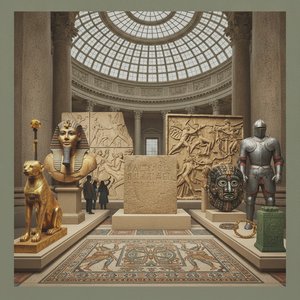
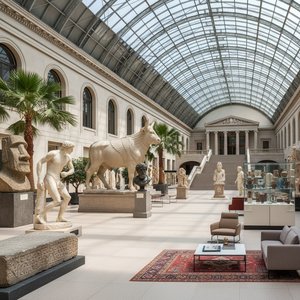
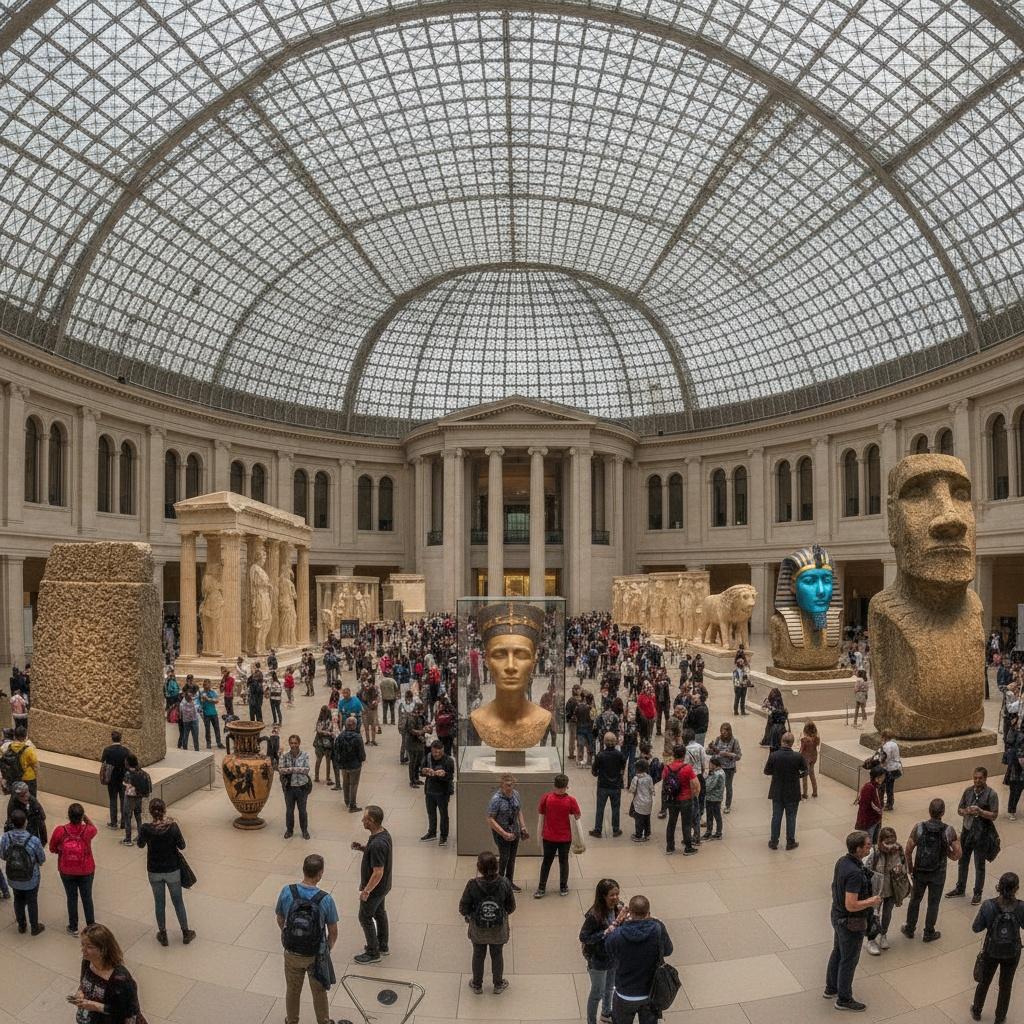
To step across the threshold of the British Museum is to leave the modern bustle of London behind and enter a profound dialogue with time itself. It is not merely a visit to a gallery, but an odyssey through the collective memory of humanity. Within these walls, the fragments of fallen empires, the sacred relics of forgotten gods, and the masterful strokes of ancient creators converge, offering a rare glimpse into the shared soul of our species. From the moment you stand beneath the soaring, light-drenched glass canopy of the Great Court, you are invited to witness a narrative that spans millennia and continents.
The museum’s journey—from Sir Hans Sloane’s private cabinet of curiosities to a global cornerstone of scholarship—reflects our eternal impulse to collect, preserve, and understand. Its halls house the very keys to civilization, such as the Rosetta Stone, which bridged the silence between lost languages and modern comprehension. These objects are more than mere artifacts; they are vessels of human emotion, ingenuity, and resilience. They remain deeply meaningful today because they remind us that despite the vast distances of geography and the deep chasms of history, the fundamental human desires for beauty, power, and meaning remain unchanged.
As we prepare to navigate this monumental collection, we invite you to look beyond the stone and pigment to find the stories etched within them. The following selection represents a curated journey through twenty-five of the museum's most significant treasures—works that have shaped our understanding of art, culture, and the very essence of what it means to be human.
Rome: The Colosseum - Joseph Mallord William Turner
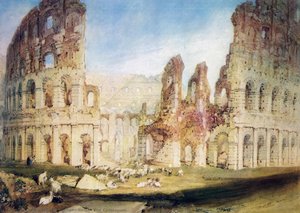 Rome: The Colosseum - Joseph Mallord William Turner
In Rome: The Colosseum by J.M.W. Turner, the lines of antiquity aren’t merely drawn; they are choreographed within a swirling vortex of light and atmosphere. This is not just a watercolor depiction of a Roman ruin; it is a dance frozen in time , where the heavy stone of the amphitheater dissolves into the ephemeral beauty of the sky. As one of the most evocative pieces among the top 25 artworks in the British Museum, London, Turner moves beyond topography to capture the sublime. The palette—a masterful blend of ochre, hazy blue, and brilliant gold—uses light as a storytelling force, illuminating scattered sheep that represent a fragile innocence against the backdrop of imperial decay.
The composition breathes with a rhythmic, turbulent energy, making the chaos of a storm-swept sky feel like perfect harmony. What if your corporate space or hotel lobby could hold that same balance? What if your walls could breathe rhythm and invite the same profound sense of history into a modern interior?
Study of the Madonna and Child with a Cat - Leonardo da Vinci
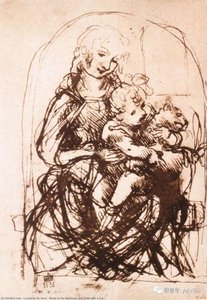 Study of the Madonna and Child with a Cat - Leonardo da Vinci
What story does the intimate atmosphere of Study of the Madonna and Child with a Cat by Leonardo da Vinci tell about the quiet moments of human connection? Emerging from the height of the Italian Renaissance, this 1478 masterpiece transcends mere preparatory sketching to offer a profound glimpse into the artist's soul. Through delicate pen and ink, Leonardo captures a tender maternal embrace, punctuated by the playful presence of two cats that infuse the scene with unexpected domestic warmth. This work stands among the top 25 artworks in 'British Museum, London' because it showcases the early mastery of chiaroscuro —the dramatic interplay of light and shadow—and a scientific precision in anatomical detail.
For those seeking to curate an escape within modern home decor, this drawing offers a sense of timeless prestige. The soft, flowing lines and the emotional depth of the nurturing figures evoke a tranquil, historical sanctuary, making it a perfect inspiration for collectors looking to bring a touch of Renaissance grace and quiet, soulful beauty into their professional or private spaces.
Crucified Christ with Mary and John - Michelangelo Buonarroti
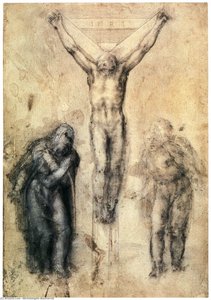 Crucified Christ with Mary and John - Michelangelo Buonarroti
To encounter Crucified Christ with Mary and John by Michelangelo Buonarroti is to witness a moment of profound spiritual gravity frozen in chalk. This work does not merely depict a biblical event; it captures the raw, muscular tension of human grief and divine sacrifice. As one of the top 25 artworks in the British Museum, London, this masterpiece stands as a testament to the High Renaissance's ability to merge anatomical precision with deep theological emotion. Through masterful hatching and tonal subtlety, Michelangelo transforms simple chalk into a dramatic interplay of light and shadow that breathes life into the figures of Mary and Saint John.
Its inclusion in the museum's premier collection is earned through its sheer emotional authority—a piece that redefines the boundaries of expressive rendering. At ArtsDot.com, we believe such monumental energy should not be confined to museum halls. By bringing a high-quality oil reproduction of this Renaissance master into your professional or private space, you transform a mere wall into a sanctuary of historical significance and timeless beauty.
The Entombment - Hieronymus Bosch
 The Entombment - Hieronymus Bosch
There is a gaze in The Entombment by Hieronymus Bosch that follows you—not with judgment, but with understanding . This intricate etching, a cornerstone of the British Museum’s collection, acts less like a traditional religious depiction and more like a mirror for the human condition. As you trace the fine, meticulous lines of the Northern Renaissance master, you encounter a scene of profound sorrow where the weight of mortality is palpable.
The composition is a dense, almost claustrophobic dance of light and shadow. Through masterful hatching and cross-hatching, Bosch renders the textures of mourning garments and the harrowing detail of the crown of thorns with unsettling precision. The monochromatic palette strips away distraction, forcing an intimate confrontation with the grief surrounding Christ’s burial. Its place among the top 25 artworks in the British Museum, London, is a testament to its power to make the invisible visible—capturing the psychological anxieties of an era. Now, imagine that hauntingly beautiful gaze in your own space. Not watching you, but reminding you : you are seen. You are part of this eternal story.
Study for an Annunciation (recto) - Michelangelo Buonarroti
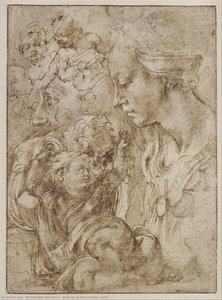 Study for an Annunciation (recto) - Michelangelo Buonarroti
In the hallowed galleries of the British Museum, London, few works offer a more profound glimpse into the creative psyche than Michelangelo Buonarroti’s Study for an Annunciation (recto) . This is not merely a preparatory sketch; it is a dance frozen in time. The lines within this chalk masterpiece aren’t simply drawn; they are choreographed , capturing a moment of divine intersection with breathtaking fluidity. As you stand before it, observe how the artist uses delicate shading to breathe life into the seated figure, creating a sense of movement that makes the paper feel as though it is breathing rhythm.
The composition balances the earthly and the celestial, where a subtle bird and suggested background figures create a harmony out of potential chaos. The interplay of light and shadow through meticulous chalk layering anticipates the profound depth seen in his later frescoes. For those seeking to bring this same sense of monumental balance and contemplative grace into a professional or residential space, this study serves as the ultimate blueprint for architectural elegance.
Sitting Male Nude (recto) - Michelangelo Buonarroti
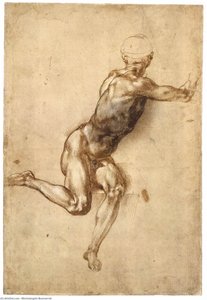 Sitting Male Nude (recto) - Michelangelo Buonarroti
In the quiet corridors of the British Museum, London, few works command the same raw, anatomical reverence as Sitting Male Nude (recto) by Michelangelo Buonarroti. This 1504 masterpiece captures the very pulse of the High Renaissance, offering a profound window into the artist's obsession with human strength and vulnerability. As one of the top 25 artworks in the British Museum, it serves as a foundational pillar of Western art history, showcasing the meticulous pen work and masterful shading that define Michelangelo’s legendary precision.
The drawing, originally a preparatory study for the unfinished Battle of Cascina , vibrates with an energy that transcends its monochromatic medium. The heavy, rhythmic lines trace every muscle and sinew, creating a sense of three-dimensional volume that feels almost tactile. For modern collectors and designers, this work provides a timeless blueprint for classical elegance; its focus on structural integrity and the idealized human form continues to inspire contemporary aesthetics in fine art reproductions and sophisticated interior compositions. It is not merely a sketch, but a monumental testament to human potential etched in ink.
Head of a Satyr - Michelangelo Buonarroti
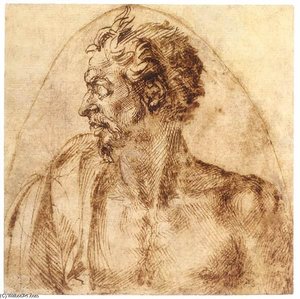 Head of a Satyr - Michelangelo Buonarroti
Acquiring a piece inspired by the Head of a Satyr by Michelangelo Buonarroti is an investment in the very pinnacle of Renaissance legacy and refined taste. As one of the most significant works within the British Museum, London , this 1501 masterpiece transcends simple mythological illustration; it is a profound psychological study. Through masterful pen and ink work, Michelangelo utilizes intricate hatching to sculpt light and shadow, capturing a sense of raw, primal emotion that has captivated scholars for centuries. The anatomical precision and dramatic tension found in this drawing establish its undisputed position among the top 25 artworks in the museum's collection.
For the discerning decorator or professional curator, the aesthetic authority of this work is unmatched. While the original remains a protected treasure, a high-quality, hand-painted oil reproduction carries that same commanding presence and historical status. Integrating such powerful, monochromatic textures into modern luxury interiors provides an anchor of intellectual depth, offering a sophisticated focal point that resonates with the timeless elegance required for high-end corporate or hospitality environments.
Photograph of a drawing of Quiriguá taken by A.P. Maudslay - alfred percival maudslay
 Photograph of a drawing of Quiriguá taken by A.P. Maudslay - alfred percival maudslay
The Photograph of a drawing of Quiriguá taken by A.P. Maudslay by Alfred Percival Maudslay represents much more than a historical record; it is an investment in the legacy of archaeological discovery and a testament to refined, scholarly taste for the discerning collector. As one of the top 25 artworks in the British Museum, London, this piece holds immense provenance, capturing the precise moment when 19th-century scientific rigor met the profound mystery of the Mayan civilization. The monochrome tones and sharp textures of the dry plate photography reveal a world of weathered stone and quiet contemplation, documenting Maudslay’s methodical survey of Guatemala's ancient grandeur.
The influence of this work lies in its ability to bridge eras, offering a window into a vanished landscape through a lens of immense clarity. Its presence in a curated collection signifies an appreciation for the intersection of photography and history. For those designing modern luxury interiors, a high-quality reproduction of this masterpiece carries the same aesthetic authority and intellectual status, providing a sophisticated focal point that anchors a room with timeless, historical depth.
The Lamentation of Christ (recto) - Michelangelo Buonarroti
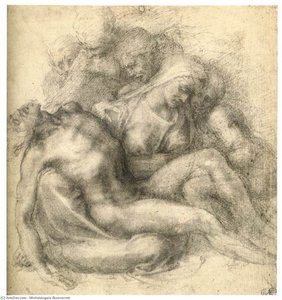 The Lamentation of Christ (recto) - Michelangelo Buonarroti
In the quiet corridors of the British Museum, London, few works command the atmosphere quite like The Lamentation of Christ (recto) by Michelangelo Buonarroti. This profound drawing, a window into the soul of a Renaissance titan, captures a moment of raw, spiritual gravity. There is a gaze in this work that follows you—not with judgment, but with understanding . It does not merely depict a religious scene; it acts as a mirror to our own shared human experiences of grief and devotion.
The stark, monochromatic lines trace the heavy silhouettes of figures gathered around the fallen Christ, creating a rhythmic movement of sorrow that feels both ancient and immediate. As you navigate this selection of the top 25 artworks in the British Museum, London, this piece stands out for its ability to make the invisible visible—translating profound theological weight into tangible, muscular form. Imagine the presence of such mastery in your own space; it does not watch you, but rather reminds you that you are seen, and that you are an essential part of the eternal human story.
Antique Warrior - Leonardo da Vinci
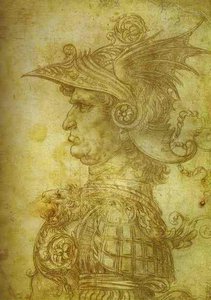 Antique Warrior - Leonardo da Vinci
To stand before a work from the dawn of a genius is to witness the first sparks of a revolution. In the quiet galleries of the British Museum, London, Antique Warrior by Leonardo da Vinci emerges as a profound testament to the artist's formative years. Painted in 1472 during his apprenticeship, this piece captures the transition from medieval tradition to Renaissance innovation. The figure, clad in an imposing helmet adorned with dramatic horns, possesses a controlled readiness that commands the viewer's attention.
The painting showcases the early application of sfumato , where soft, smoky transitions of light and shadow dissolve harsh outlines, lending the warrior a mysterious, lifelike presence. Every meticulous brushstroke on the armor and the subtle intensity in the subject's gaze reveals a burgeoning mastery of depth and texture. As one of the top 25 artworks in the British Museum, this masterpiece does more than depict a soldier; it embodies the intellectual curiosity of an era. Its enduring power reminds us how profound artistry continues to transform modern spaces, bridging centuries through sheer emotional resonance.
The Sixth Month (Right) - Utagawa Kuniyoshi
 The Sixth Month (Right) - Utagawa Kuniyoshi
In the vast collection of the British Museum, London, Utagawa Kuniyoshi’s 1849 woodblock print, The Sixth Month (Right) , stands as a profound meditation on the ephemeral beauty of the seasons. This masterpiece of the ukiyo-e genre transcends mere seasonal depiction, offering a narrative tableau where autumn's arrival is felt through every meticulously rendered detail. The central figure, draped in rich silks and holding a pumpkin, embodies a quiet grace that anchors the composition amidst a backdrop of glowing lanterns and autumnal foliage.
Kuniyoshi masterfully weaves themes of transience and harvest into the visual fabric, using light and shadow to evoke a sense of nostalgic melancholy. As one of the top 25 artworks in the British Museum, this piece remains strikingly relevant today; its focus on the intersection of nature, ritual, and the passage of time resonates with modern sensibilities regarding environmental cycles and mindfulness. The print’s ability to blend traditional Japanese motifs with a theatrical sense of depth ensures it remains a captivating talking point for any global art enthusiast exploring the museum's treasures.
Profile of a warrior in helmet - Leonardo da Vinci
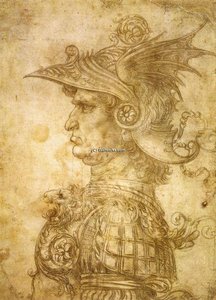 Profile of a warrior in helmet - Leonardo da Vinci
In the quiet, hallowed corridors of the British Museum, London, few works command a sense of intimate mystery quite like Leonardo da Vinci’s Profile of a Warrior in Helmet . Created around 1472, this silverpoint masterpiece is far more than a mere study of military attire; it is a profound meditation on the intersection of human vulnerability and engineered strength. As you stand before this delicate work, the fine, luminous lines etched by Da Vinci’s silver stylus reveal an extraordinary precision that seems to breathe life into the cold metal of the visor.
The composition captures a moment of silent dignity, where the warrior’s partially obscured face invites the viewer into a world of Renaissance intrigue. The interplay of light and shadow across the intricate folds of the armor evokes a sense of tactile depth, while subtle elements—like the delicate presence of a bird—add a layer of poetic balance. To possess a reproduction of such a legendary work is to invite the spirit of scientific inquiry and the soul of the Renaissance into your own space, transforming a simple room into a personal gallery of human genius.
Small Passion: 6. Christ's Entry into Jerusalem - Albrecht Dürer
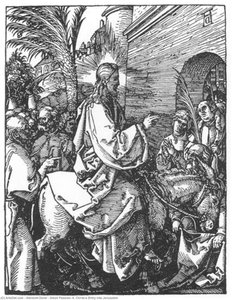 Small Passion: 6. Christ's Entry into Jerusalem - Albrecht Dürer
To encounter Albrecht Dürer’s 1511 woodcut, Small Passion: 6. Christ's Entry into Jerusalem , is to witness the pinnacle of Northern Renaissance technical mastery. As one of the standout treasures within the British Museum, London, this work transcends simple religious illustration, offering a profound study in light and human emotion. Dürer utilizes an incredibly demanding cross-hatching technique to sculpt deep, velvety shadows and brilliant highlights directly into the paper, creating a three-dimensional volume that feels remarkably tactile.
The composition is a symphony of movement; a bustling crowd of onlookers surrounds Christ, their gestures ranging from adoration to quiet curiosity. This intricate interplay of fine lines and architectural depth provides a sophisticated visual texture that resonates powerfully within modern, refined interiors. For the discerning collector, this print represents more than historical significance—it is an enduring symbol of precision and narrative depth. Its ability to command attention through monochrome complexity makes it a timeless cornerstone for any curated collection of the world's top 25 artworks.
Pattern from the Series of Six Knots 3 - Albrecht Dürer
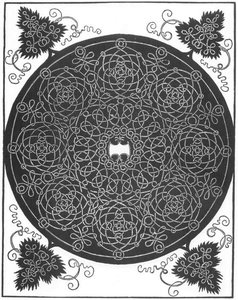 Pattern from the Series of Six Knots 3 - Albrecht Dürer
In the vast collection of the British Museum, London, few pieces demonstrate the intersection of mathematical precision and artistic soul as profoundly as Pattern from the Series of Six Knots 3 by Albrecht Dürer . This 1505 woodcut is more than a mere decorative ornament; it is a masterclass in German Renaissance intellect, where every carved line serves to explore the concept of eternal interconnectedness. As one of the top 25 artworks in the museum, its placement is earned through Dürer's unparalleled ability to transform a rigid medium like wood into a fluid, rhythmic dance of black ink and white space.
The composition, anchored by a monumental central circle, invites viewers to lose themselves in an intricate web of interlocking knots that symbolize the infinite complexity of our universe. This work transcends its era, offering a timeless meditation on order and beauty that continues to resonate. For the modern collector or designer, the stark, monochromatic geometry of this print provides a sophisticated architectural element, proving that the structured harmonies of the 16th century can still anchor and elevate contemporary aesthetic environments.
King David Playin a Psaltery - Fra Angelico
 King David Playin a Psaltery - Fra Angelico
In Fra Angelico’s King David Playing a Psaltery , the lines are not merely drawn; they are choreographed . This is not just a depiction of biblical piety, but a dance frozen in time, where the rhythmic movement of the psaltery meets the profound stillness of prayer. As you stand before this masterpiece in the British Museum, London, you witness the Early Renaissance at its most lyrical. The artist uses a muted, earthy palette to create an atmosphere of solemn tranquility, allowing the intricate textures of the royal robes and the delicate instrument to emerge with breathtaking precision.
The composition achieves a rare equilibrium, making the spiritual weight of the subject feel as light as a whispered hymn. It is a work that makes chaos feel like harmony. Imagine if your own professional or residential space could hold that same balance—where your walls do not just decorate, but breathe rhythm and historical depth. Through our meticulous oil reproductions, we bring this Florentine serenity to your collection, preserving the luminous textures and spiritual essence of Angelico’s divine vision.
Mosaic of a Double-headed Serpent - aztec empire
 Mosaic of a Double-headed Serpent - aztec empire
The deep, mesmerizing field of turquoise and azure within the Mosaic of a Double-headed Serpent by the Aztec Empire establishes an immediate atmosphere of profound tranquility and ancient mystery. This mastery of color—punctuated by sudden, vibrant flashes of red and warm orange on the serpent's heads—is precisely why this piece remains one of the top 25 artworks in 'British Museum, London' . The innovative use of these precious hues creates a visual rhythm that balances the cool, aquatic tones with the heat of divine authority.
For the modern interior designer or collector, this mosaic offers a sophisticated blueprint for emotional lighting and spatial curation. Integrating such a palette into a dining room or lounge allows one to evoke a sense of balanced duality; the cool tesserae can anchor a room's aesthetic, while the fiery accents provide a focal point that inspires deep thought. As a standout treasure of Mesoamerican craftsmanship, it serves as a powerful statement piece for any space seeking to blend historical weight with a contemporary, high-end atmosphere.
Christian II of Denmark - Albrecht Dürer
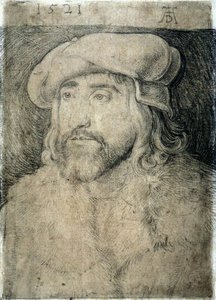 Christian II of Denmark - Albrecht Dürer
In the presence of Christian II of Denmark by Albrecht Dürer, time seems to suspend itself, capturing a heavy, regal silence that resonates through the halls of the British Museum. This masterpiece stands among the top 25 artworks in the British Museum, London, not merely as a portrait, but as a profound psychological study of authority and vulnerability. Dürer utilizes a rich, jewel-toned palette where deep reds and shimmering golds whisper of royal prestige, while his mastery of texture brings the velvet robes and intricate facial details to life with startling realism.
The painting’s ability to balance the weight of historical tragedy with breathtaking Renaissance technique offers a sense of quiet sophistication. The subtle interplay of light and shadow across the King's stern features creates an emotional depth that transcends centuries. For the modern collector, such a work serves as a cornerstone of prestige; its commanding presence and somber elegance provide a focal point of intellectual gravity, inspiring a sense of timelessness and cultured calm in any high-end interior or corporate space.
Studies of grotesque heads - Michelangelo Buonarroti
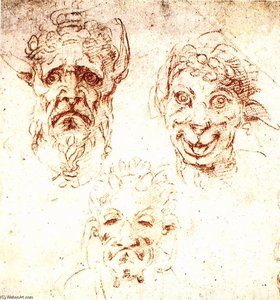 Studies of grotesque heads - Michelangelo Buonarroti
To witness Studies of Grotesque Heads by Michelangelo Buonarroti is to peer directly into the restless, searching mind of a Renaissance titan. This work captures a raw, psychological intensity that transcends mere sketching, offering a visceral glimpse into the transition from High Renaissance idealism to the expressive tension of Mannerism. As one of the top 25 artworks in the British Museum, London, these chalk studies are indispensable; they showcase Michelangelo’s unparalleled mastery of light and shadow, using the softness of the medium to render distorted, emotive facial expressions that range from grimacing displeasure to haunting laughter.
The profound emotional depth found in these anatomical explorations serves as a masterclass in human complexity, making it a cornerstone of visual culture. Just as these sketches once revolutionized the boundaries of form, they continue to inspire modern collectors seeking to inject character and intellectual weight into their environments. Through high-fidelity oil reproductions, you can bring this transformative, dramatic presence into your own home, office, or personal gallery, allowing the masterful energy of Michelangelo to anchor your contemporary space with historical soul.
Small Passion: 2. Expulsion from the Paradise - Albrecht Dürer
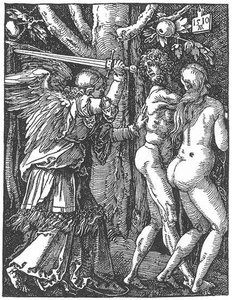 Small Passion: 2. Expulsion from the Paradise - Albrecht Dürer
There is a profound tension in Small Passion: 2. Expulsion from the Paradise by Albrecht Dürer that lingers long after you turn away. As one of the most significant works within the British Museum’s collection, this 1510 woodcut does more than illustrate a biblical moment; it captures the very weight of human fallibility. Through a masterful command of monochromatic linework, Dürer directs the eye along sharp, diagonal trajectories—from the angel’s righteous, sword-bearing hand to Adam’s posture of profound shame and regret.
The texture of the print, achieved through meticulous carving in pearwood, creates a dramatic interplay of light and shadow that breathes life into the foliage and the coiled serpent. Every fine line serves as a pulse of emotion, making the loss of innocence feel visceral. To encounter this piece is to witness the Northern Renaissance at its most technically precise and emotionally raw. It acts as a mirror to our own complexities, reminding us that even in moments of profound displacement, there is an undeniable, haunting beauty in the truth of the human condition.
Death and the Landsknecht - Albrecht Dürer
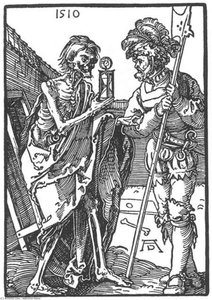 Death and the Landsknecht - Albrecht Dürer
In Albrecht Dürer’s Death and the Landsknecht , the dominant presence of stark, monochromatic blacks and bone-whites establishes an atmosphere of profound, somber gravity. This absence of color is not a limitation but a masterful choice; the high-contrast interplay of light and shadow amplifies the dramatic tension between the skeletal figure and the opulent warrior. As one of the top 25 artworks in the British Museum, London, this woodcut earns its prestige through Dürer’s unparalleled technical precision, using intricate cross-hatching to create a tactile sense of texture that feels almost sculptural.
For those looking to curate a sophisticated modern interior, the dramatic, high-contrast aesthetic of this piece offers incredible inspiration. The stark, monochrome palette can be used to anchor a minimalist dining room or a professional corporate space, providing a focal point of intellectual depth. By integrating such powerful tonal variations into your decor, you can evoke an emotional lighting scheme that emphasizes structure and shadow, bringing the timeless, contemplative weight of the German Renaissance into a contemporary architectural setting.
The Plum-Pudding in Danger - james gillray
 The Plum-Pudding in Danger - james gillray
To encounter The Plum-Pudding in Danger by James Gillray is to witness a masterclass in the art of political satire, presented with the sharp, biting wit that defines one of the top 25 artworks in the British Museum, London. While many view the era through static portraits, Gillray offers a dynamic, visceral tableau where the boundaries between domestic ritual and geopolitical tension dissolve. The scene captures a moment of intense narrative weight, utilizing meticulous detail—from the glistening texture of the traditional pudding to the focused postures of the figures—to mirror the high-stakes divisions of the Napoleonic era.
For the discerning collector or professional decorator, this work provides an unparalleled infusion of historical character and intellectual depth. Its ability to blend 19th-century social commentary with a rich, textured aesthetic makes it a profound choice for luxury interiors that demand more than mere decoration. Integrating such a piece into a curated space evokes a sense of legacy and sophisticated storytelling, transforming a modern room into a gallery of timeless, much-discussed history.
Solicitudo Rustica (Country Concerns) - Pieter Bruegel the Elder
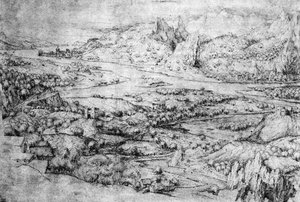 Solicitudo Rustica (Country Concerns) - Pieter Bruegel the Elder
While many view the Northern Renaissance through vibrant oils, Pieter Bruegel the Elder achieved a profound psychological depth in 1552 with the monochrome precision of Solicitudo Rustica . This masterwork is not merely a landscape; it is a visceral study of human vulnerability. Through meticulous pen and ink hatching, Bruegel captures the heavy atmosphere of a gathering storm over the Brabant countryside, where every fine line conveys the tension of rural life. The artist employs a sophisticated atmospheric perspective, allowing distant mountains to recede into a hazy, uncertain grey, mirroring the very 'country concerns'—the anxieties of survival—suggested by the title.
The technical discipline required to render such vast, panoramic detail with nothing but light and shadow is staggering. This level of focused, intentional composition offers more than historical insight; it provides a blueprint for mental clarity. Integrating a piece of such immense scale and structural integrity into a modern study or executive office can foster an environment of profound contemplation and disciplined productivity, grounding a professional space with the timeless resilience of the human spirit.
Laughing Peasant Woman - Albrecht Dürer
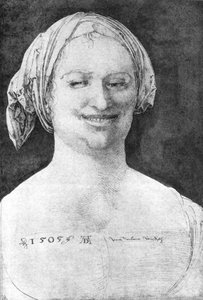 Laughing Peasant Woman - Albrecht Dürer
A single, spontaneous burst of mirth can bridge five centuries, and nowhere is this more evident than in Albrecht Dürer’s “Laughing Peasant Woman.” At ArtsDot.com, we believe in democratizing beauty, ensuring that the profound emotional depth found in the British Museum's most cherished treasures is accessible to all. This masterpiece earns its place among the top 25 artworks in London not merely for its technical brilliance, but for its radical humanism; while his contemporaries focused on the stoic nobility, Dürer captured the raw, infectious vitality of the common spirit.
Through a masterful alchemy of pen and ink, Dür er uses intricate hatching to sculpt light and shadow, creating a tactile sense of life within a monochromatic world. The subject's tilted head and joyful expression offer an intimate connection that transcends time, providing a soulful focal point for any collection. This work serves as a timeless inspiration for modern interiors, where its unpretentious grace can balance sophisticated decor with warmth. By choosing a high-fidelity reproduction, you can bring this transformative presence into your home, office, or personal gallery, inviting the enduring light of the Northern Renaissance into your daily life.
Landscape with a Goatherd - claude lorrain (claude gellée)
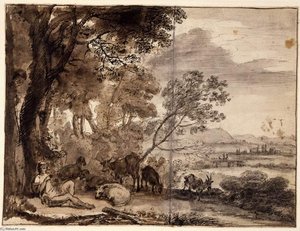 Landscape with a Goatherd - claude lorrain (claude gellée)
In Landscape with a Goatherd , the lines of Claude Lorrain are not merely drawn; they are choreographed . This is not a simple pastoral scene from 1637; it is a dance frozen in time. As you stand before this masterpiece within the British Museum, London, you witness a symphony where light and shadow perform a delicate ballet across the verdant landscape. The goatherd and his flock move through layers of dappled sunlight and textured foliage, creating a composition that makes the chaos of nature feel like absolute harmony.
Lorrain’s technical mastery allows the canvas to breathe with a rhythmic, ethereal quality, inviting the viewer into an Arcadian ideal of peace and permanence. For those looking to bring this same sense of balance to a professional or residential space, imagine your walls holding this very equilibrium. What if your environment could capture this profound stillness? This work stands in the top 25 artworks of the museum because it offers more than a view; it offers a sanctuary of light and eternal grace.
Portrait of Emperor Maximilian - Albrecht Dürer
 Portrait of Emperor Maximilian - Albrecht Dürer
To stand before Albrecht Dürer’s Portrait of Emperor Maximilian is to encounter the weight of history through a single, piercing gaze. The portrait captures a moment of profound stillness, where the flickering light of the Northern Renaissance meets the stoic authority of a ruler. Dürer’s mastery of line creates an almost tactile experience; one can sense the heavy velvet of the imperial robes and the delicate, weathered texture of the Emperor's skin, rendered with unparalleled precision through intricate hatching and cross-hatching.
The monochrome depth of this work evokes a sense of quiet prestige and timelessness. There is a melancholic dignity in Maximilian’s expression that transcends the centuries, offering a window into an era of shifting empires. In a modern interior, such a piece serves as a powerful anchor for reflection. Its disciplined composition and rich, tonal shadows bring a sophisticated, scholarly atmosphere to any space, inspiring a mood of intellectual depth and calm permanence that complements both classic and contemporary architectural settings.
Conclusion
As the golden light of sunset filters through the soaring glass canopy of the Great Court, leaving the galleries in a soft, amber hush, one realizes that leaving the British Museum is not an end, but a continuation. The masterpieces we have encountered today—from the silent strength of ancient stone to the vibrant, emotive strokes of legendary canvases—do not remain trapped behind museum glass. They exit these halls with us, carried in our memories as living forces that continue to pulse with relevance, shaping our modern perceptions of beauty, struggle, and triumph.
These works are far more than historical artifacts; they are enduring dialogues between the past and the present. They possess a unique ability to transcend the boundaries of time and geography, finding new life within our contemporary spaces, inspiring the architecture of our homes, and providing a profound emotional anchor in an ever-changing world. To encounter them is to touch the very essence of human creativity—a legacy that remains as vital and breathing today as it was at the moment of its creation.
Whether you seek to bring a piece of this timelessness into your own professional or personal environment, we invite you to explore our full collection . Let these echoes of history serve as a permanent inspiration, reminding us that true art never truly fades; it only waits for a new light to reveal its soul once more.