
The Spatial Canvas: Redefining Interior Architecture Through Custom Art
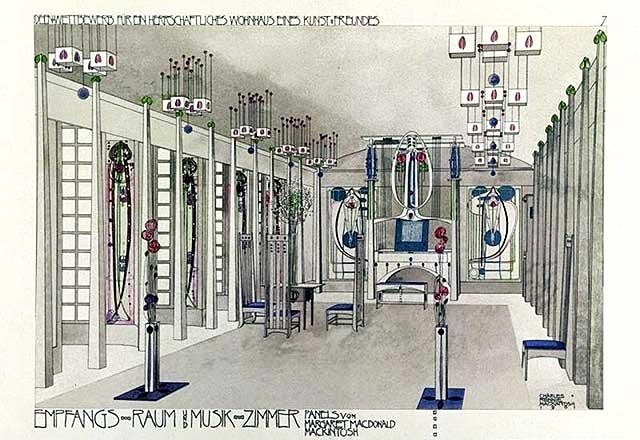 Wikipedia: Interior architecture
Interior architecture is the design of a building or shelter from inside out, or the design of a new interior for a type of home that can be fixed. It can refer to the initial design and plan used for a building's interior, to that interior's later ...
For centuries, the walls of our dwellings have served as more than mere structural boundaries; they’ve been silent witnesses to evolving aesthetics, cultural shifts, and deeply personal narratives. But increasingly, within contemporary interior architecture, these surfaces are being reimagined not simply as backdrops for life, but as active participants in shaping it. This isn't merely about decoration—it’s a fundamental re-evaluation of how art interacts with space, influencing perception, mood, and the very essence of an environment. The rise of custom paintings, both meticulously crafted reproductions and uniquely commissioned originals, embodies this shift, transforming interiors into immersive experiences rather than static displays.
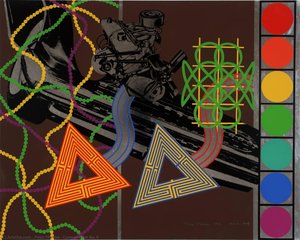
The power resides in intentionality. A carefully chosen reproduction, echoing a beloved period or style, can seamlessly integrate with existing architectural features, reinforcing a sense of continuity and historical resonance. Conversely, a bold, contemporary commission—a vibrant abstract expression or a subtly textured landscape—can introduce dynamic tension, creating focal points that draw the eye and spark conversation. Consider the legacy of artists who challenged conventional boundaries; while not paintings in the traditional sense, works like Daniel Graham’s “Two Home Homes” (1966) – a photographic exploration of domesticity and urban perception – exemplify how art can deconstruct our understanding of environments, prompting us to question established norms. This spirit of inquiry is directly applicable to custom artwork designed to provoke thought or challenge preconceived notions about space.
A History of Integration: From Gesamtkunstwerk to Contemporary Bespoke Design
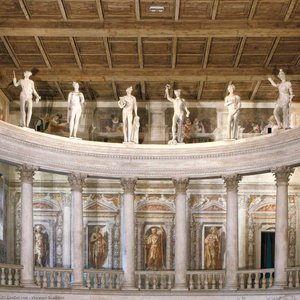
The notion of integrating art into the architectural fabric isn’t new. Trace its roots back to the 19th-century concept of the Gesamtkunstwerk, or “total work of art,” championed by figures like Richard Wagner. This ideal envisioned a unified artistic experience where all disciplines—architecture, painting, sculpture, music, drama—converged to create a holistic and immersive environment. While Wagner’s vision was rooted in theatrical spectacle, the underlying principle – that art should be inseparable from its surroundings – resonates deeply with contemporary interior design.
The early modernist movement, however, saw a fragmentation of this integrated approach. A focus on minimalist forms, functional efficiency, and industrial materials often relegated visual elements to secondary status. Yet, even within this austere aesthetic, the careful placement of artwork could subtly alter spatial perception or introduce moments of human warmth. The post-modern era witnessed a resurgence of interest in ornamentation and eclecticism, paving the way for a more holistic approach. The rise of adaptive reuse – repurposing existing structures—further emphasized the importance of visual elements in redefining spaces. As buildings evolve and their purposes change, interiors often undergo significant revisions, and custom paintings can play a crucial role in visually signaling a new identity while respecting the building’s historical character.
Site-Specific Strategies: How Artwork Responds to and Shapes Environments
Site-specific art is artwork created to exist in a certain place. Typically, the artist takes the location into account while planning and creating the artwork. Site-specific art is produced both by commercial artists and independently, and can inclu...
The emergence of site-specific art in the 1970s marked a pivotal shift. Artists like Robert Irwin, Patricia Johanson, and Dennis Oppenheim began creating works intrinsically linked to their environments, challenging the traditional notion of the transportable artwork. These pieces weren’t simply *placed* within a space; they were conceived *for* that specific location, responding directly to its unique characteristics—its light, volume, texture, and even its social context.
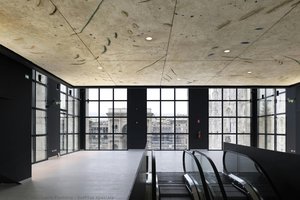
The key characteristic of site-specific art is its inseparability from its surroundings. Removing the artwork would fundamentally alter its meaning and impact. This principle has profound implications for interior architecture, suggesting that custom commissions should be conceived as integral components of a space rather than decorative additions. Consider an artist collaborating with an architect to create a mural that echoes the building’s façade or a sculpture that interacts with existing architectural features. Such works transcend mere ornamentation; they become extensions of the structure itself.
Curating Identity: Art Packages for Brand Enhancement & Emotional Resonance
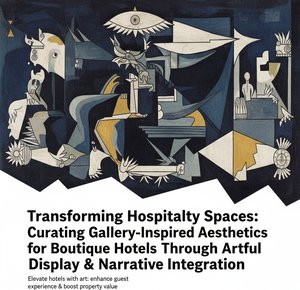
 Atmospheric Harmony: Curating Art Packages to Elevate Hotel Guest Experience & Brand Identity
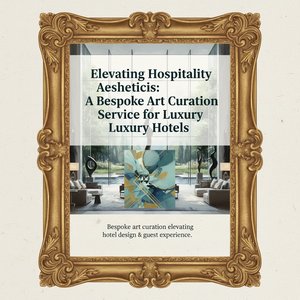
Elevate your hotel guest experience with strategic art curation. Discover how to enhance brand identity, create emotional resonance & maximize ROI through expertly sourced artwork. A guide for hoteliers and designers.
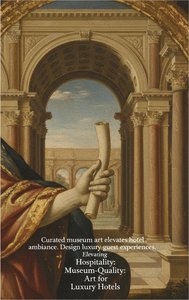
Strategic art curation extends beyond aesthetic considerations, delving into the realm of brand identity and emotional resonance. In commercial spaces—hotels, resorts, offices—artwork can significantly influence guests’ perceptions, shaping their overall experience and fostering a sense of connection with the brand. A well-curated art package isn't simply about selecting visually appealing pieces; it’s about telling a story, evoking specific emotions, and reinforcing the company’s values.
A bespoke approach begins with a conceptual brief outlining the project’s goals and target audience. This includes considerations such as architectural style, color palette, desired mood, and brand personality. Expert consultants then curate a selection of artwork—both reproductions and original commissions—that aligns with these criteria. The use of custom artwork offers several advantages: greater control over size, composition, and subject matter; the ability to incorporate unique elements that reflect the company’s history or values; and the opportunity to support local artists and add a layer of authenticity.
Beyond Aesthetics: The Psychology of Color, Composition, and Spatial Impact
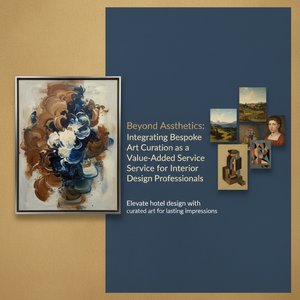
 Beyond Aesthetics: Emotionally Intelligent Art Curation as a Catalyst for Guest Experience and Brand Identity in Contemporary Hospitality Design
Elevate your hospitality design with emotionally intelligent art curation. Expert insights on brand identity, guest experience & ROI. Discover bespoke solutions for luxury hotels and commercial spaces.
The impact of art extends beyond the purely visual realm. Emerging research in neuroaesthetics explores the relationship between artwork and the brain, revealing how specific colors, compositions, and textures can evoke distinct emotional responses. Understanding these principles is crucial for creating spaces that are not merely aesthetically pleasing but also emotionally supportive and conducive to well-being.
Color psychology plays a significant role; warm tones like reds and oranges can stimulate energy and excitement, while cool tones like blues and greens promote tranquility and relaxation. Compositional elements—the arrangement of shapes, lines, and forms—also influence perception. Symmetrical compositions often convey a sense of order and stability, while asymmetrical compositions can create dynamic tension and visual interest. In hospitality design, these principles are particularly relevant; carefully selected artwork can create a welcoming atmosphere, reduce stress levels, and promote positive interactions.
Commissioning with Confidence: A Practical Guide to Custom Paintings
Embarking on a custom painting commission requires careful planning and execution. Begin by clearly defining your vision—the desired style, size, subject matter, and overall mood. It’s crucial to establish clear communication channels with the artist and provide regular feedback throughout the process. Selecting an appropriate artist is paramount; consider their experience, portfolio, and ability to translate your ideas into reality.
Once the painting is complete, careful consideration must be given to framing and installation. The choice of frame should complement the artwork’s style and enhance its visual impact. Professional installation ensures that the piece is securely mounted and properly lit. At ArtsDot, we offer a comprehensive range of services—from expert art consultation and custom reproduction to bespoke commissions and professional installation—to guide you through every step of the process. Our commitment to quality, craftsmanship, and customer satisfaction ensures that your vision is brought to life with precision and artistry. We believe that art has the power to transform spaces, elevate experiences, and create lasting memories.