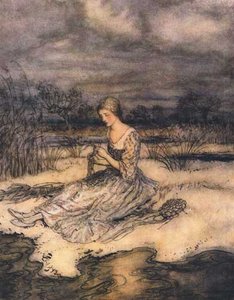
The Rise of British Book Illustration: A Golden Age
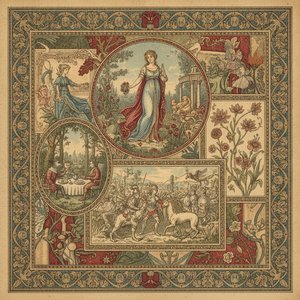
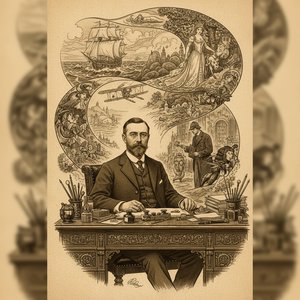
The late 19th and early 20th centuries witnessed a remarkable flourishing of book illustration, often referred to as the Golden Age. This period, coinciding with advancements in printing technology and a growing appetite for beautifully illustrated editions, saw artists elevate the art of visual storytelling to unprecedented heights. While many talented figures contributed to this movement, Arthur Rackham emerged as one of its most distinctive and beloved voices. Before photography fully captured the public imagination, illustration held a unique power – it wasn’t merely about replicating reality but about *interpreting* it, imbuing narratives with atmosphere, personality, and a touch of magic. The demand for high-quality illustrated books, often presented as lavish gifts, created a fertile ground for artists like Rackham to thrive, fostering a market that valued both artistic skill and imaginative vision.
Rackham's Distinctive Style: Pen, Ink & Watercolour Magic
Arthur Rackham’s artistry is immediately recognizable. His signature style wasn’t born overnight; it was the culmination of diverse influences and dedicated practice. Initially working as a journalistic illustrator, he honed his skills in pen and ink, developing a robust line quality that would become a hallmark of his work. However, it was his masterful integration of watercolour that truly set him apart. Unlike many contemporaries who used colour sparingly, Rackham embraced its potential to create depth, mood, and luminosity. His technique involved layering washes of translucent colour, often building up subtle gradients and textures to evoke a sense of ethereal beauty. This wasn’t simply about applying pigment; it was about capturing light itself, lending his illustrations an almost dreamlike quality. He didn't shy away from loose lines or expressive brushstrokes – these imperfections were integral to the charm and character of his work, conveying a feeling of spontaneity and life.
Illustrating the Classics: *Peter Pan*, *Gulliver’s Travels* and Beyond
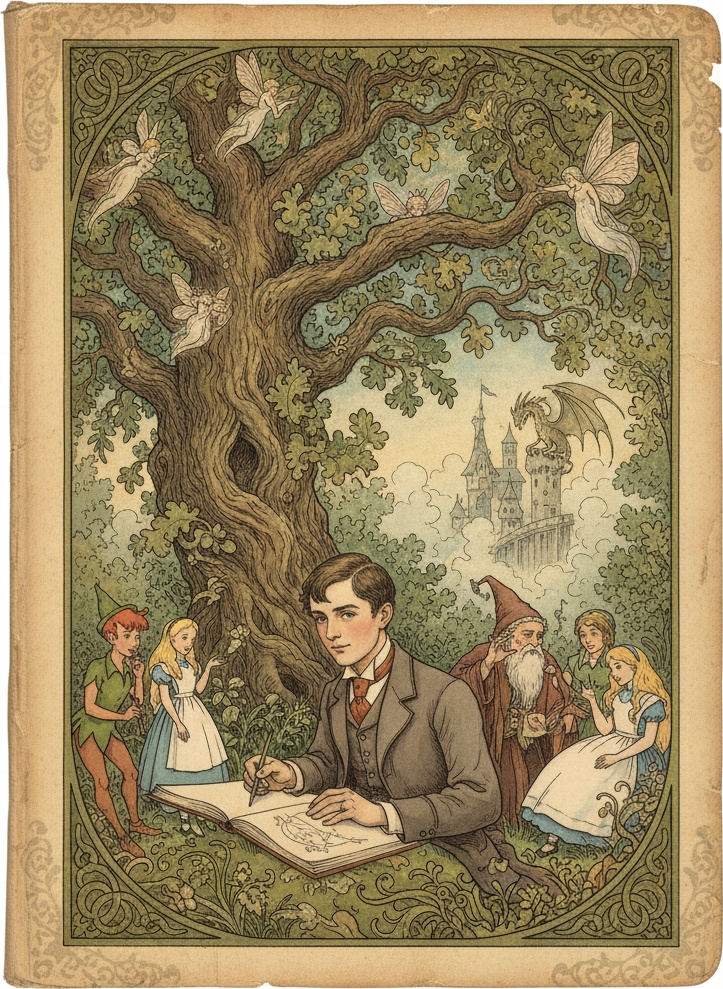
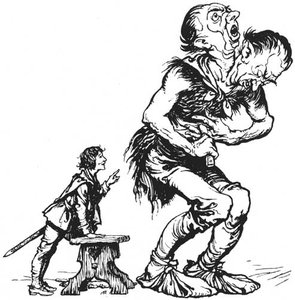
Rackham’s career was defined by his interpretations of beloved literary works. While he tackled numerous projects throughout his lifetime, certain illustrations stand as enduring testaments to his genius. His depictions of J.M. Barrie's *Peter Pan in Kensington Gardens* are perhaps his most iconic achievement. He captured the mischievous spirit of Peter and the delicate beauty of the fairy world with unparalleled sensitivity. Similarly, his reimagining of Jonathan Swift’s *Gulliver’s Travels*, though darker in tone, showcased his ability to create fantastical landscapes and memorable characters. But Rackham wasn't limited to these famous titles; he also brought a unique vision to Washington Irving’s *Rip Van Winkle* and the *Fairy Tales of the Brothers Grimm*. Each project allowed him to explore different facets of his artistic style, adapting his approach to suit the specific narrative and atmosphere of the story. His 1905 colour plates for *Rip Van Winkle* were a turning point in book production, demonstrating the accurate reproduction of colour artwork through colour-separated printing.
Symbolism and Narrative in Rackham’s Fairy Tale Art
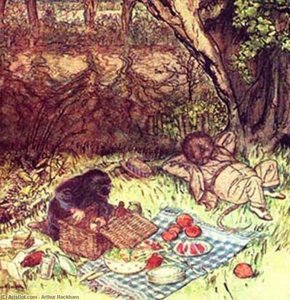
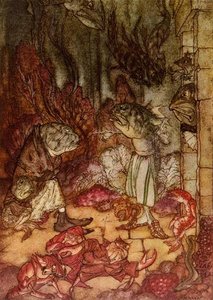
Rackham's illustrations weren’t merely decorative; they were deeply imbued with symbolism and narrative depth. He possessed an uncanny ability to capture not just *what* was happening in a story, but also the underlying emotions and themes. His trees, for example, often served as more than just background elements – they could represent wisdom, age, or even the passage of time. Characters were rarely depicted with straightforward expressions; their faces hinted at hidden depths, anxieties, and desires. They offered a cow for each leg of her cow-but she would not accept that offer, exemplifies this subtle storytelling, conveying a sense of stubbornness and otherworldly resolve through composition and character expression. His work frequently explored themes of innocence, loss, and the power of imagination, resonating with audiences on a profound emotional level. Wind in the Willows 2, with its whimsical depiction of a squirrel picnic, showcases his romantic style and narrative charm, inviting viewers into a world of playful fantasy.
The Enduring Legacy of Arthur Rackham
Arthur Rackham’s influence on illustration continues to be felt today. His distinctive style has inspired generations of artists, and his illustrations remain cherished by collectors and art enthusiasts worldwide. He helped redefine the role of the book illustrator, elevating it from a purely functional craft to a respected art form. While tastes in art have evolved over time, Rackham’s work retains its timeless appeal – a testament to his exceptional skill, imaginative vision, and ability to capture the magic and wonder of storytelling. His legacy is not simply about the beautiful images he created but also about the enduring power of illustration to transport us to other worlds and ignite our imaginations. At ArtsDot.com, we are proud to offer high-quality reproductions of Rackham’s iconic works, allowing you to experience the enchantment of his art firsthand.