

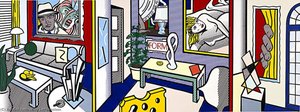
The Evolving Narrative: From Functionality to Experiential Dining
Experiential dining is a modern form of dining that offers customers a unique experience that expands beyond a "traditional" dining experience. A unique experience provided by a restaurant or food truck may include dining in darkness, in a large spac...
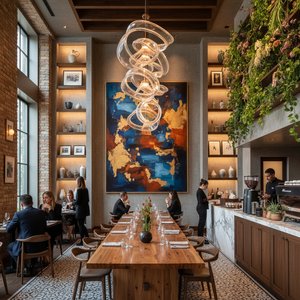
For centuries, the dining space was primarily defined by function – a place to nourish the body. Yet, even in its most utilitarian forms, an awareness of atmosphere existed. The grand halls of medieval castles weren’t merely lit for visibility; tapestries and heraldic displays communicated power and lineage. As societies evolved, so too did our expectations of dining. The Renaissance saw elaborate banquets adorned with still lifes and allegorical paintings, not simply as decoration but as demonstrations of wealth, learning, and refined taste. This wasn't just about *what* you ate; it was about *where* and *how*. Today, we’ve entered an era where the experience itself is paramount – a shift driven by a desire for connection, authenticity, and memorable moments. Experiential dining isn’t simply a trend; it represents a fundamental re-evaluation of hospitality, recognizing that a restaurant can be more than just a place to consume food; it can be a stage for storytelling, an immersive environment that engages all the senses.
Historical Precedents: Art & Ambiance in Grand Culinary Spaces
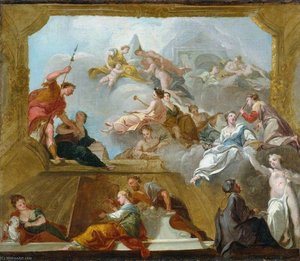 A Representation of the Liberal Arts Ceiling Design for the State Dining Room at Grimsthorpe Castle
Consider Francesco Sleter’s “A Representation of the Liberal Arts Ceiling Design for the State Dining Room at Grimsthorpe Castle.” This isn't merely a depiction of architectural ornamentation; it’s a visual manifesto, celebrating intellectual pursuits and aristocratic patronage. The ceiling itself *was* the experience – a constant reminder of the host’s cultural sophistication. Similarly, Alexander Golovin’s set design for Molière’s “Dom Juan’s Dining Room” transcends its theatrical origins. The elegant, sophisticated atmosphere he created wasn't incidental to the play; it was integral to understanding the characters and themes within. The carefully chosen details – the rich fabrics, the ornate furniture – spoke volumes about Dom Juan’s decadent lifestyle and moral failings. These examples demonstrate a long-standing tradition of using art not as an afterthought but as a foundational element in shaping the dining experience. Even further back, Roman frescoes weren't simply decorative; they depicted scenes of abundance, mythology, and daily life, creating a sense of place and reinforcing social values. The act of dining was always intertwined with visual storytelling.
Psychology of Place: How Art Shapes Perception and Appetite
The impact of art on our perception extends far beyond conscious appreciation. Color psychology plays a crucial role; warm tones like reds and oranges can stimulate appetite, while cooler hues create a sense of calm and relaxation. The subject matter also matters profoundly. Abstract art can evoke feelings of sophistication and modernity, whereas landscapes might foster a connection to nature and tranquility. But the influence is more subtle than simply choosing aesthetically pleasing images. Art creates a narrative context – it sets expectations, influences mood, and shapes our interpretation of the entire experience. A minimalist space with bold, geometric artwork suggests a focus on innovation and precision, while a room filled with Impressionistic paintings might evoke feelings of nostalgia and romance. The brain subconsciously processes these visual cues, influencing not only how we *feel* in a space but also how we *taste* the food. Research shows that diners are more likely to perceive flavors as richer and more complex in aesthetically pleasing environments.
Curating the Palette: Selecting Artwork for Brand Identity & Menu Harmony
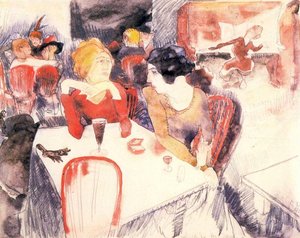 Nana, seated left, and satin at Laure's Restaurant
Experience Charles Demuth’s ‘Nana…’ – a captivating Precisionist painting of restaurant life. Explore this iconic work showcasing American Modernism & industrial landscapes. Own a piece of art history.
Successful art integration begins with a deep understanding of your restaurant’s brand identity. What story are you trying to tell? What values do you want to communicate? The artwork should be an extension of this narrative, reinforcing your core message and creating a cohesive experience. Consider Charles Demuth’s “Nana, seated left, and satin at Laure's Restaurant.” This Precisionist painting captures the energy and dynamism of American Modernism, reflecting a specific moment in time and a particular aesthetic sensibility. Imagine a contemporary restaurant aiming for a similar vibe – the artwork would need to echo that same spirit of innovation and industrial chic. Beyond brand alignment, consider menu harmony. A seafood restaurant might benefit from marine-themed artwork or paintings with cool blues and greens, while an Italian trattoria could showcase still lifes depicting fresh produce and rustic landscapes. The goal is not necessarily literal representation but rather a subtle resonance – a visual echo that enhances the overall dining experience.
Beyond Aesthetics: Integrating Art into Restaurant Design – Practical Considerations
While artistic vision is paramount, practical considerations are equally important. Scale and proportion are crucial; overly large pieces can overwhelm a small space, while diminutive works might get lost in a vast dining hall. Lighting plays a vital role – ensure that artwork is properly illuminated to showcase its details and create the desired mood. Durability is also essential. Restaurants are high-traffic environments prone to spills and wear and tear. Opt for materials that are easy to clean and resistant to damage, or consider protective glazing. Sightlines matter too; ensure that artwork is visible from key vantage points, creating a visual flow throughout the space. Don’t underestimate the power of framing – it can dramatically alter the impact of a piece. A simple, elegant frame might complement a minimalist painting, while an ornate frame could enhance a more traditional work. Finally, consider the overall composition – how does the artwork interact with the furniture, lighting, and other design elements? The goal is to create a harmonious whole, where every element works together to enhance the dining experience.
The ROI of Resonance: Measuring the Impact of Art on Guest Experience & Revenue
Investing in art isn’t simply an expense; it's a strategic investment in your brand and customer loyalty. While quantifying the direct impact can be challenging, several indicators suggest a strong return on investment. Increased dwell time is one key metric – diners are more likely to linger longer in aesthetically pleasing environments, leading to higher check sizes. Social media engagement is another valuable indicator; visually striking spaces generate more user-generated content and positive word-of-mouth marketing. Furthermore, art can differentiate your restaurant from the competition, attracting a discerning clientele willing to pay a premium for unique experiences. The rise of experiential dining demonstrates that consumers are increasingly seeking more than just food – they’re looking for connection, authenticity, and memorable moments. By strategically integrating art into your design, you can create an immersive environment that resonates with your target audience, enhances their perception of value, and ultimately drives revenue. At ArtsDot.com, we specialize in helping restaurants curate artwork that transforms spaces and elevates the dining experience. From museum-quality reproductions to custom commissions, our team provides expert guidance and personalized solutions tailored to your specific needs. Explore our extensive collection today and discover how art can unlock the full potential of your restaurant.