
The Renaissance Roots: From Humanist Ideals to Modern Identity
 Portrait of a Humanist
A Portrait of Humanist Ideals: Giovanni Bellini’s “Portrait of a Humanist” Giovanni Bellini's "Portrait of a Humanist," painted in 1475, is more than just a likeness; it’s a carefully constructed meditation on the burgeoning humanist movement that wa...
To understand the electric pulse of today’s visual culture, one must first look back at the quiet, intellectual revolution that laid its foundation. Long before neon lights and mass-produced icons, the concept of Humanism emerged as a seismic shift in how we perceive our place in the universe. During the Italian Renaissance, this movement moved away from purely divine preoccupations to celebrate the agency, intellect, and potential of the individual. When we gaze upon Giovanni Bellini’s Portrait of a Humanist from 1475, we aren't just seeing a man in a dignified robe; we are witnessing a carefully constructed meditation on classical learning and civic responsibility. This era established the human figure as the ultimate starting point for moral and philosophical inquiry, creating a legacy where the individual's gaze—direct, engaging, and authoritative—became the focal point of artistic truth.
This historical emphasis on the dignity of the person provided the DNA for everything that followed. While the Renaissance sought meaning in ancient texts and classical proportions, later movements would seek it in the streets, the supermarkets, and the silver screen. The thread connecting a 15th-century Venetian oil painting to a 20th-century pop masterpiece is the unwavering belief in the importance of human experience. Whether through the meticulous brushwork of a Renaissance master or the bold, saturated lines of a contemporary graphic artist, the goal remains the same: to capture the essence of what it means to exist, to feel, and to impact the world around us.
Pop Art Unmasked: Decoding the Vibrant Language of Mass Culture
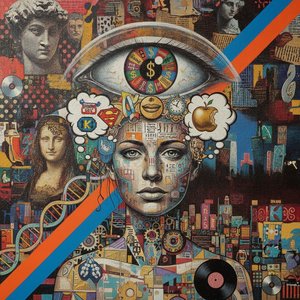 More Than Meets the Eye: Decoding the Hidden Symbols and Bold Layers of Allegorical Pop Art
Beyond the Surface: Why Pop Art is More Than Just Eye Candy Pop art Pop art is an art movement that emerged in the United Kingdom and the United States during the mid-to late 1950s. The movement presented a challenge to traditions of fine art by incl...
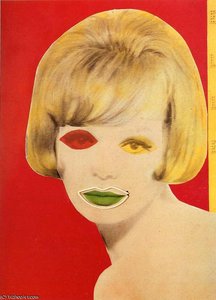
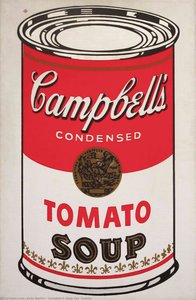
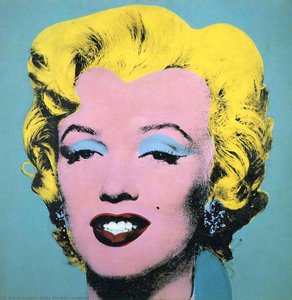
Fast forward through the centuries, and the quiet contemplation of the Renaissance exploded into a neon-soaked kaleidoscope. Emerging in the mid-to-late 1950s, Pop Art arrived as a deliberate rebellion against the heavy, introspective shadows of Abstract Expressionism. It didn't just change what we looked at; it changed how we understood our reality. By elevating the banal, the kitsch, and the mass-produced—the very things society often overlooks in favor of "high art"—Pop Art turned the objects of our daily consumerist dreams into icons of profound cultural significance. It found the sublime in a soup can and the poetic in a comic strip, blurring the boundaries between high culture and the everyday.
<At first glance, Pop Art looks like mere eye candy—a vibrant, glossy surface designed for easy consumption. However, to dismiss it as such is to miss the entire point of its subversive power. The movement utilized the imagery of advertising, celebrity obsession, and mass media to create a visual language that felt instantly at home in the modern, digital age. It was an art of the surface, yes, but a surface that reflected the heartbeat of a world undergoing rapid technological and social transformation. Through the use of bright colors and familiar faces, Pop Art forced us to confront the commodification of our own identities, making the supermarket aisle just as worthy of artistic scrutiny as the cathedral altar.The Neo-Pop Revolution: Reimagining Icons through Bold Lines and Social Commentary
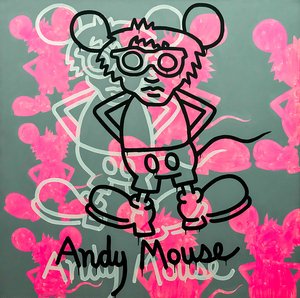 Andy mouse
Andy Mouse: A Pop Art Icon Reimagined Keith Haring’s *Andy Mouse* isn't merely a cartoon; it’s a vibrant collision of artistic movements and cultural icons. Born from the late 20th-century Neo-Pop Art movement, this piece brilliantly merges the unive...
As the movement evolved into the late 20th century, a new wave known as Neo-Pop emerged, carrying a sharper, more critical edge. This wasn't just about celebrating consumerism; it was about questioning the very nature of art’s relationship with commerce. A prime example of this vibrant collision is Keith Haring’s Andy Mouse. In this brilliant piece, Haring merges the global recognition of Disney’s Mickey Mouse with the groundbreaking, silkscreen aesthetic pioneered by Andy Warhol. It is a masterful hybrid that resonates with both playful nostalgia and biting social commentary, using simplified forms and bold, energetic lines to explore how icons are manufactured and consumed.
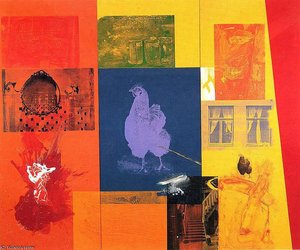
This era of art thrives on the remix. Artists like Jean-Paul Faubert continue this lineage today, utilizing the rhythmic grid repetition of celebrity portraits and industrial iconography to explore the mechanical precision of the modern gaze. The energy is unapologetic and confrontational, much like Roy Lichtenstein’s Studio the Dance, which uses a comic-book explosion of color to comment on the ephemeral nature of human interaction and mass media. In this space, the boundary between the "real" and the "reproduced" dissolves entirely, leaving us with an art form that is as much about the impact of the image as it is about the subject itself.
Pop Surrealism: Where Dreamlike Subconscious Meets High-Impact Aesthetics
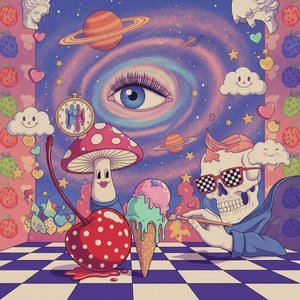 Pop Surrealism Unveiled: The Sophisticated Intersection of Vibrant Pop Art and Dreamlike Subconscious Landscapes
The Genesis of a Movement: From Post-War Optimism to Underground Rebellion Pop Surrealism: A Collision of Culture, Dreams & the Subconscious in Post-War Art The Roots of Rebellion: From Post-War Optimism to Underground Expression 100 Sources of Pop A...
Beyond the bright, hard edges of traditional Pop Art lies a more mysterious territory: Pop Surrealism. This sophisticated intersection takes the vibrant, saturated palette of Pop and infuses it with the unsettling, dreamlike logic of the subconscious. It is a movement born from the tension between post-war optimism and an underground rebellion. If Pop Art celebrates the tangible world of products and celebrities, Pop Surrealism peers beneath that polished veneer to find the psychological depth hidden within. It creates landscapes that are simultaneously familiar and alien, using recognizable pop icons to navigate the complexities of the human psyche.
This aesthetic collision allows for a breathtakingly unique visual experience—one where the high-energy pulse of graphic expression meets the fluid, often unsettling imagery of dreams. It is an art of tension, utilizing asymmetrical arrangements and aggressive color palettes—think cyan, magenta, and orange—to command attention while simultaneously pulling the viewer into a state of hypnotic wonder. By recontextualizing mass-media symbols within surrealist frameworks, artists can explore themes of identity, desire, and the uncanny, proving that even the most "pop" of subjects can hold profound, haunting depth.
Trend Forecast: The Future of Human Agency in Digital & Contemporary Art
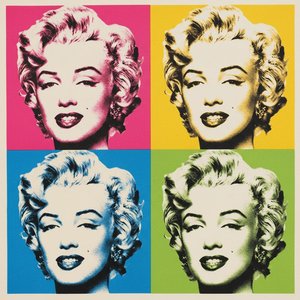 Jean-Paul Faubert
The Architect of Pop Iconography Born in 1973 and currently based in the vibrant cultural hub of Lyon, Jean-Paul Faubert has established himself as a preeminent figure in contemporary digital imagery. His practice is an uncompromising devotion to the...
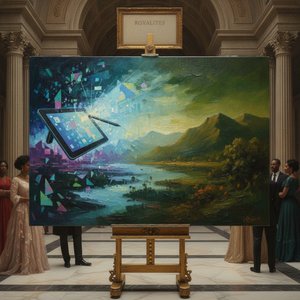
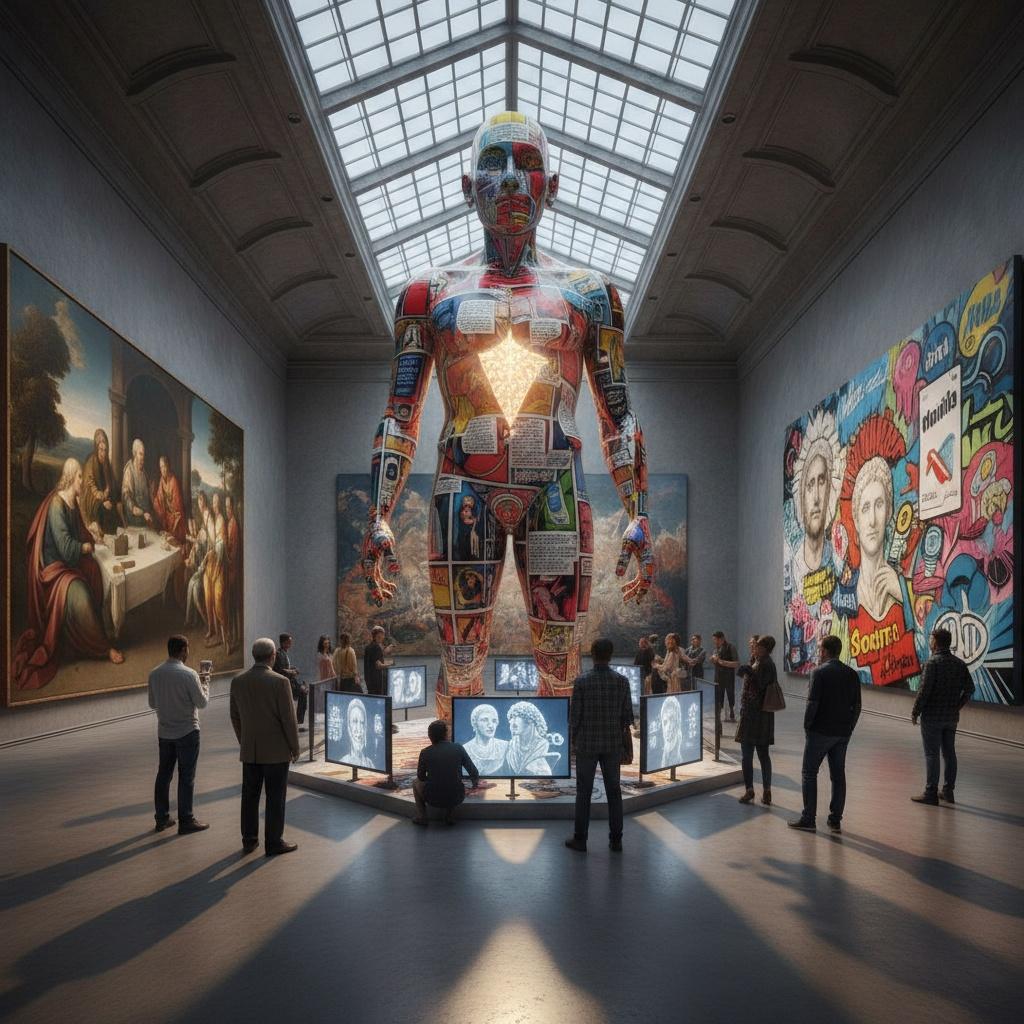
As we move further into a digital-first era, the evolution of humanism in art is entering an unprecedented phase. We are witnessing a fascinating intersection where technology and tradition collide. Tools like AI-driven transformations allow us to reconstruct personal memories into Cubist or Surrealist masterpieces, yet the desire for the tactile, the physical, and the "hand-made" remains stronger than ever. The future of contemporary art lies in this very tension: the ability to use digital precision to reimagine history while maintaining the soul found in a visible brushstroke or the texture of oil on canvas.
The trend is moving toward an even more personalized, "remixed" version of reality. We see this in the rise of custom commissions that transform modern selfies into 17th-century masterpieces, or the use of large-scale murals to recreate historical grandeur in modern urban spaces. The focus remains steadfast on human agency—the power of the individual to shape, alter, and redefine their own narrative through visual impact. Whether through a digital mockup or a hand-painted oil reproduction, the mission of contemporary art continues to be the celebration of the human spirit, rendered in the boldest, most impactful colors possible.
This article was originally published on ArtsDot.com.