
The Golden Standard: Gold, Light, and the Visual Power of Byzantine Mosaics
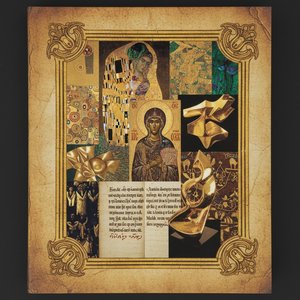
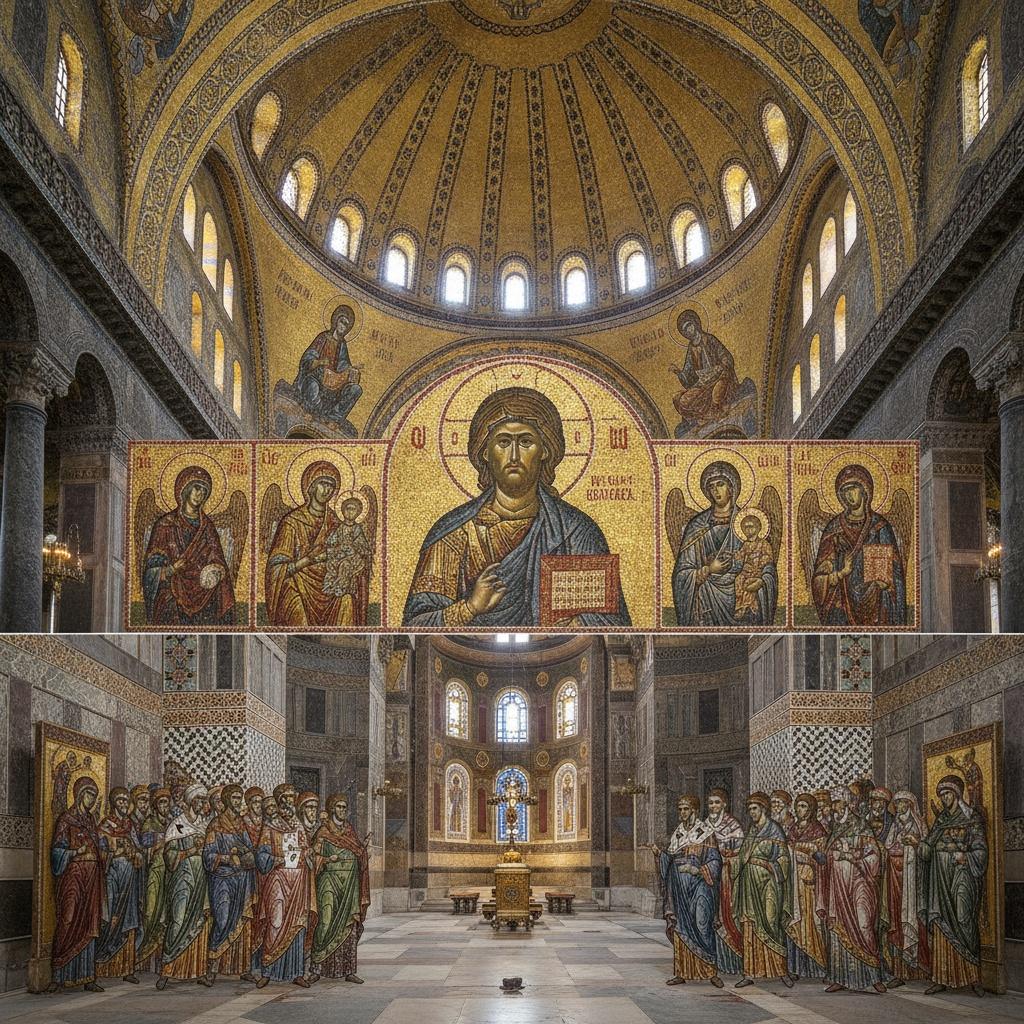
To step into a Byzantine space is to abandon the mundane world and enter a realm of pure, unadulterated radiance. This was not merely an aesthetic choice; it was a high-impact visual strategy designed to overwhelm the senses. The era’s most defining characteristic was the masterful use of gold, a material that functioned as much more than a luxury pigment. In the hands of Byzantine artisans, gold became a medium of light itself. When sunlight or candlelight hit the uneven surfaces of glass tesserae, the walls did not just reflect light—they seemed to breathe with it, creating a shimmering, supernatural atmosphere that felt disconnected from earthly gravity.
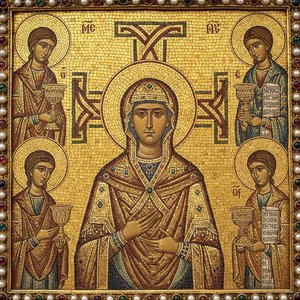
This brilliance is nowhere more evident than in the intricate mosaics that adorned the ceilings and apse of sacred structures. Unlike the flat surfaces of modern prints, these mosaics utilized depth and texture to manipulate perception. The use of rich blues and deep, saturated tones provided a cosmic backdrop, allowing the golden figures to pop with a 3D-like intensity. This technique created a sense of divine presence that was both heavy with importance and light with spiritual energy. For any lover of high-impact design, the Byzantine mosaic represents the ultimate achievement in using material texture to command a room’s entire visual identity.
Divine Geometry: Decoding the Symbolism and Sacred Narratives of Icons
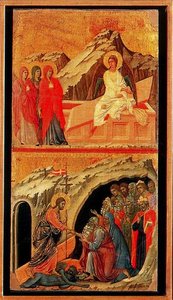
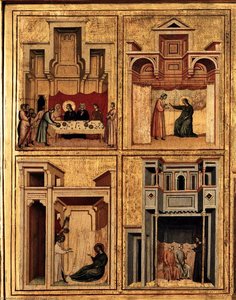
Beyond the sheer spectacle of gold lies a complex language of symbols, a coded system where every line, color, and posture tells a story. Byzantine iconography was never about realism in the modern sense; it was about capturing the eternal essence of a subject. The figures within these icons—often characterized by large, soulful eyes and elongated forms—were designed to facilitate a direct connection between the viewer and the divine. This was art as a window, a portal through which sacred narratives could be accessed by all, regardless of literacy.
The geometry of these works provided a structural rhythm that guided the eye through complex theological tales. Symmetry and balance were used to evoke a sense of cosmic order, ensuring that even the most crowded compositions felt intentional and stable. Every element, from the specific arrangement of halos to the symbolic placement of hands, served as a visual anchor for the viewer's meditation. This era mastered the art of "visual storytelling" long before the term existed, using a highly curated palette and rigid geometric frameworks to turn flat surfaces into profound spiritual journeys.
Imperial Aesthetics: The Intersection of Political Might and Religious Art
In the Byzantine Empire, there was no clear line between the power of the throne and the power of the altar. Art served as the ultimate propaganda tool, blending imperial grandeur with religious devotion to solidify the authority of the Emperor. The reign of figures like Constantine IX Monomachos showcased an era where art was used to communicate stability, reform, and divine right. When we look at the depictions of emperors surrounded by celestial beings, we are seeing a deliberate fusion of political and spiritual legitimacy.
This intersection created an aesthetic of overwhelming opulence. The sheer scale of imperial commissions—massive frescoes, intricate gold-leafed altarpieces, and sprawling mosaics—was intended to remind the subject of the unstoppable force of the state. This was art designed for impact, meant to be seen from a distance and felt in the gut. It utilized the most expensive materials available to ensure that the visual weight of the empire was undeniable, setting a standard for luxury and prestige that would influence royal courts across Europe for centuries.
From Ravenna to Venice: The Lasting Legacy of Byzantine Design in Western Art
The ripples of Byzantine brilliance did not stop at the borders of the empire; they flowed through history, reshaping the artistic landscape of the West. From the breathtaking mosaics of Ravenna to the grand architectural flourishes in Venice, the Byzantine DNA is visible in much of the Mediterranean’s most treasured heritage. This legacy can be seen in the way later artists approached light and color, adopting the Byzantine obsession with luminosity and symbolic depth to elevate their own works.
Even as art moved toward the more naturalistic styles of the Renaissance, the foundational principles of Byzantine design remained a powerful undercurrent. The influence is found in the heavy use of gold leaf in later medieval works and the continued reverence for iconographic tradition. This historical thread connects the ancient masters to the innovators of the modern age, proving that the "Golden Era" was not just a moment in time, but a permanent shift in how humanity perceives the relationship between beauty, light, and meaning.
Modern Echoes: How Byzantine Boldness Inspires Contemporary Visual Impact
In today’s design-conscious world, the spirit of Byzantium finds a surprising new home. We see its echoes in the contemporary craving for high-contrast, high-impact visuals that demand attention. The way a modern graphic designer uses bold, saturated colors to create a focal point is a direct descendant of the Byzantine mosaicist's approach to tesserae. The era’s ability to blend luxury with deep, symbolic meaning continues to inspire those looking to create spaces that are not just decorated, but transformed.
Whether it is through the resurgence of textured, tactile art or the use of metallic accents in modern interiors, the "Golden Era" remains a blueprint for visual excellence. We continue to be drawn to the same things that captivated the ancients: the interplay of light and shadow, the power of a well-placed symbol, and the sheer, unapologetic beauty of gold. Byzantine art teaches us that true impact comes from a fearless commitment to brilliance, a lesson that remains as relevant in a digital age as it was in the halls of Constantinople.
At ArtsDot.com, we celebrate this enduring legacy of craftsmanship and visual power. Our mission is to make the profound beauty of art history accessible to everyone, offering museum-quality reproductions that capture the soul of these historical masterpieces. Whether you are looking for a custom oil painting that reimagines a classic or a high-impact print to anchor your modern space, we bring the expertise of master artists to your doorstep. Explore our collection and find the piece that brings your own golden era to life.