The Divine Radiance: Understanding the Spiritual Essence of Byzantine Aesthetics
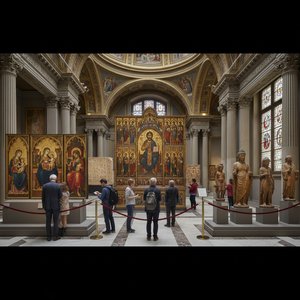
To step into the presence of Byzantine art is to leave the temporal world behind and enter a realm where the boundaries between the earthly and the divine become beautifully blurred. Unlike the naturalistic pursuits of later Renaissance masters, which sought to capture the anatomical precision of the human form, Byzantine aesthetics were fundamentally preoccupied with the metaphysical. The artist’s goal was not to replicate the physical reality of a person or a landscape, but to provide a window into the eternal. This spiritual orientation dictated every stylistic choice, from the flattened perspectives to the elongated, ethereal figures that seem to float rather than stand.
< p>This era of art functioned as a visual liturgy, a silent sermon designed to evoke awe and contemplation in the faithful. The use of light was not merely a tool for visibility but a theological instrument; it represented the uncreated light of God. When one gazes upon these works, there is a profound sense of stillness, an intentional rejection of movement and chaos in favor of a divine, unchanging order. This sacred atmosphere was achieved through a rigorous adherence to tradition, ensuring that each icon served as a reliable conduit for prayer and spiritual connection.Gilded Heavens: The Mastery of Gold Leaf and Mosaic Tesserae
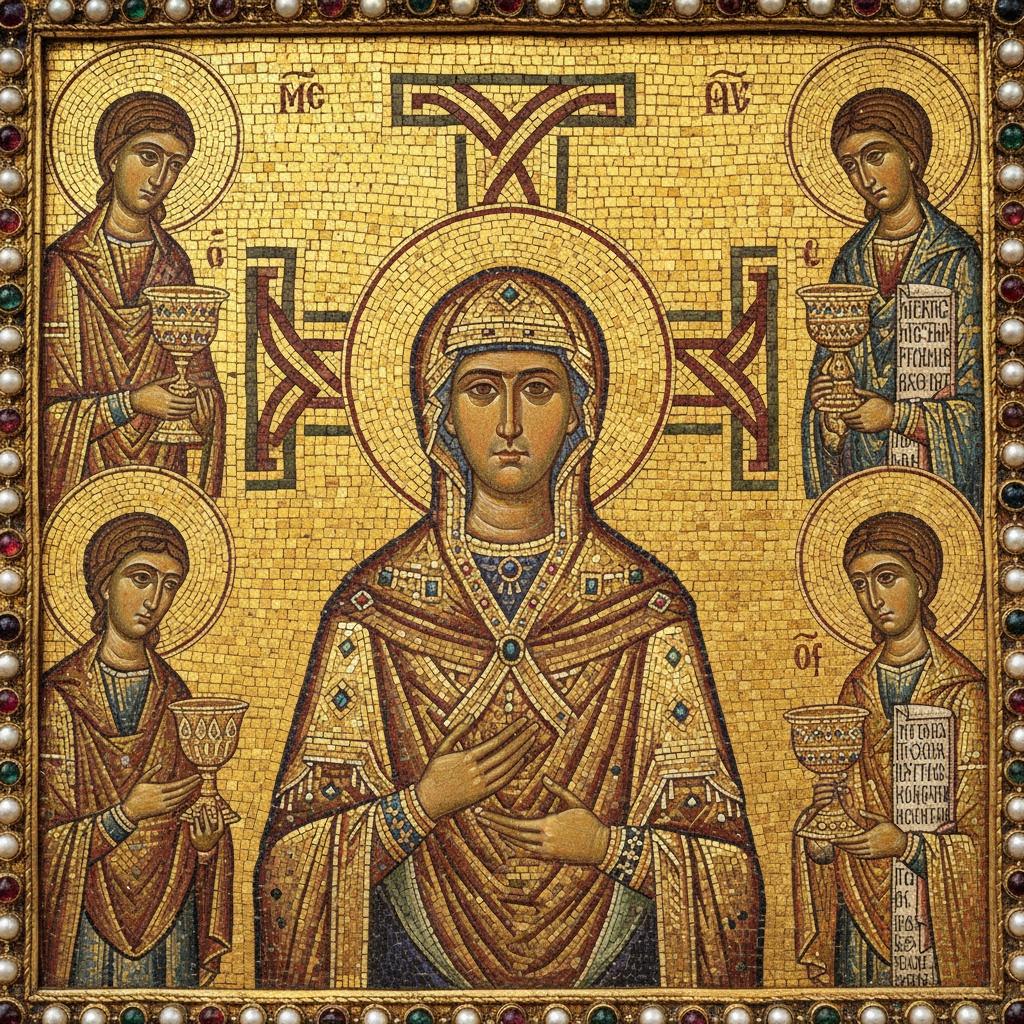
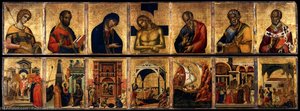
The most striking characteristic of the Byzantine period is undoubtedly its obsession with gold. This was not merely an expression of imperial wealth, but a deliberate technical choice to create a "heavenly" environment. By utilizing vast expanses of gold leaf and shimmering tesserae, Byzantine craftsmen transformed church interiors into luminous sanctuaries. The application of gold in mosaics involved setting small pieces of glass or stone—often backed with precious metal—at slight angles to the surface. This technique allowed the flickering candlelight of a cathedral to catch the light from multiple directions, creating a dancing, breathing brilliance that seemed to emanate from within the walls themselves.
The craftsmanship required for such feats was nothing short of miraculous. Consider the intricate work found in masterpieces like the Deesis mosaic by Jacopo Torriti, where the interplay of gold and deep blue tesserae creates a celestial depth that defies the flat surface of the wall. Even in later centuries, innovators like Giandomenico Facchina would look back to these Byzantine-inspired techniques to revitalize the grandeur of spaces like St. Mark's Basilica. The sheer labor involved—the preparation of lime mortar, the careful selection of colored glass, and the precise placement of each tiny cube—ensured that the resulting splendor was as much a feat of engineering as it was an act of devotion.
Iconography and Symbolism: Decoding the Sacred Language of the East
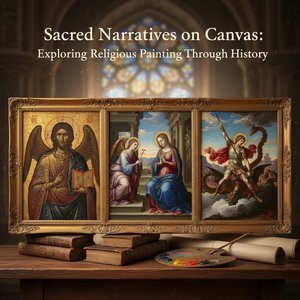
For the viewer of the Byzantine era, every color, gesture, and object carried a profound weight of meaning. To look upon an icon without understanding its symbolic vocabulary would be to read a poem without knowing the language. The art was a highly codified system of communication. For instance, the color blue often represented the humanity of Christ or the mysteries of the heavens, while red symbolized divinity, sacrifice, and imperial authority. The placement of figures within a composition followed strict hierarchical rules; the most sacred subjects were positioned centrally and at a higher elevation to denote their spiritual primacy.
Gestures, too, acted as a silent language. A hand raised in a specific manner could signify a blessing, while a tilted head might represent mourning or intercession. This symbolic density allowed even the illiterate to engage with complex theological narratives. Even when Byzantine influences bled into later works, such as the stunning mosaics found in the Armenian Cathedral in Lviv by Józef Mehoffer, the echoes of this ancient symbolic language remain palpable. The richness of detail and the intentional use of color continue to tell stories that transcend the written word, inviting the observer into a deep, meditative dialogue with the past.
Imperial Grandeur: The Intersection of Byzantine Power and Artistic Patronage
The splendor of Byzantine art cannot be separated from the political might of the Empire itself. Art was the ultimate instrument of statecraft, used by Emperors to project an image of divinely ordained authority. The reign of figures such as Constantine IX Monomachos serves as a poignant reminder of how closely the fate of the throne and the evolution of art were intertwined. Under imperial patronage, artists were commissioned to create works that celebrated both the glory of God and the legitimacy of the Emperor. This fusion of the sacred and the secular created an aesthetic of overwhelming majesty.
The architecture of the period, characterized by massive domes and sprawling basilicas, provided the necessary stage for this imperial theater. Large-scale mosaics on building facades, such as those depicting Christ and angels, served as public declarations of faith and power. This era of patronage ensured that the highest levels of artistic skill were applied to the most significant public structures, creating a legacy where the splendor of the art was inseparable from the prestige of the Empire. The sheer scale of these commissions demanded an organized system of workshops and master craftsmen, establishing a standard of excellence that would influence Mediterranean art for centuries.
Legacy in Light: From Ancient Mosaics to Modern Art Appreciation
Though the Byzantine Empire eventually fell, its artistic soul never truly vanished. Its influence can be traced through the centuries, appearing in the religious fervor of the Middle Ages and even resurfacing in the decorative flourishes of the late Renaissance and Baroque periods. The techniques of mosaic and the use of gold leaf continued to inspire artists seeking to capture the sublime. Today, we see this legacy in the way modern collectors and enthusiasts approach the concept of "preciousness" in art—valuing not just the subject matter, but the tactile, luminous quality of the medium itself.
In our contemporary era, the appreciation of Byzantine beauty has found a new home through the preservation of its spirit. Whether through the study of historical fragments or the creation of high-quality reproductions that capture the texture and light of the originals, the "Golden Splendor" remains accessible. The enduring power of this art lies in its ability to evoke a sense of the eternal, reminding us that even in a rapidly changing world, there is a profound beauty in the unchanging, the gilded, and the divine.
At ArtsDot.com, we are dedicated to preserving this legacy of human creativity. From meticulously handcrafted oil reproductions that capture the tactile depth of historical masterpieces to museum-quality Giclée prints, our mission is to make the grandeur of art history accessible to all. Whether you are looking to transform a personal memory into a classical masterpiece or seeking an expert consultation to find the perfect piece for your collection, ArtsDot provides a bridge between the timeless beauty of the past and the modern home.