

The Allure of Gold: Why Metallic Accents Define Luxury Interiors
There is a profound, almost primal connection between the human spirit and the shimmer of precious metals. Throughout history, gold has never been merely a color; it is a symbol of divinity, power, and an enduring standard of excellence. When we introduce metallic gold artworks into a curated living space, we are not simply adding a decorative element, but rather inviting a sense of warmth and eternal light that transcends fleeting seasonal trends. This luminous quality possesses the unique ability to breathe life into a room, acting as a silent conductor of atmosphere.
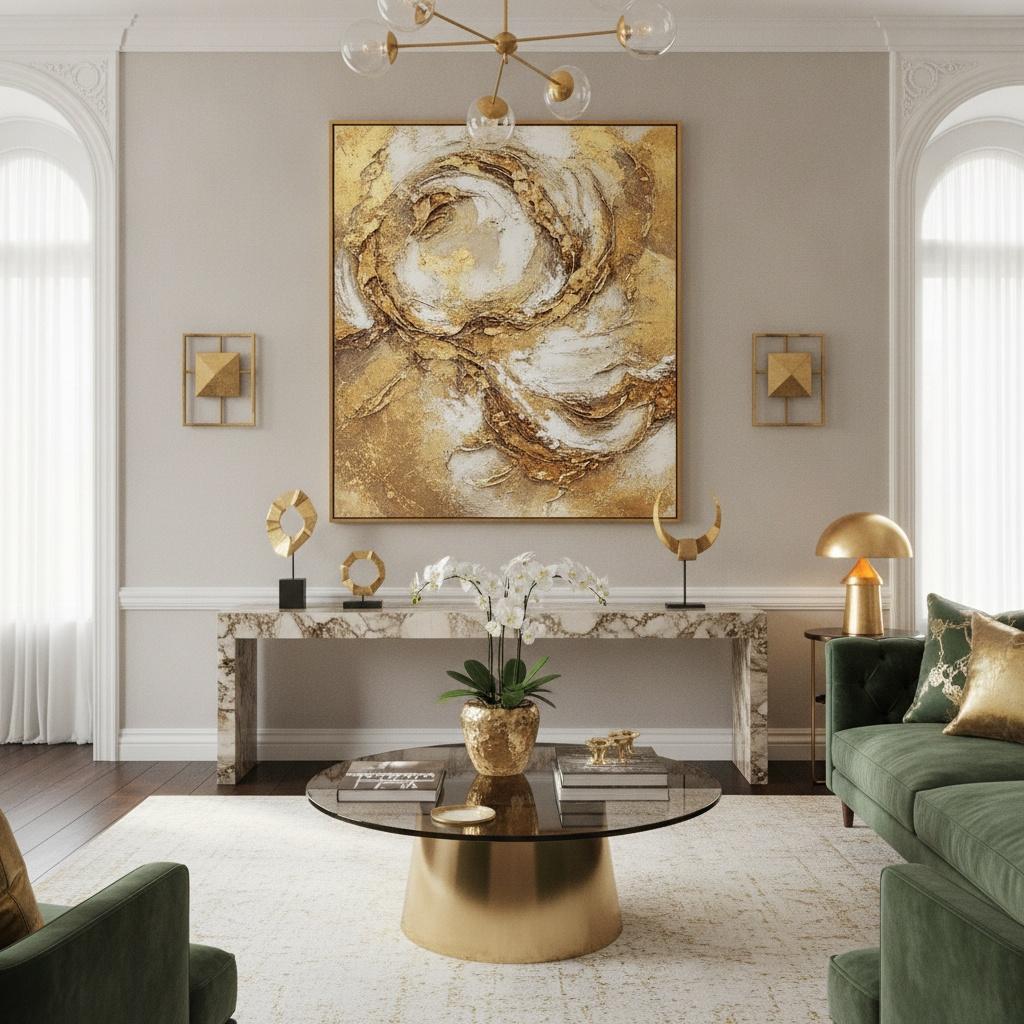
In the realm of high-end interior design, gold serves as the ultimate bridge between the classical and the contemporary. It carries the weight of Renaissance grandeur while simultaneously providing a sharp, sophisticated edge to modern minimalist aesthetics. To embrace gold is to embrace a legacy of opulence that feels both deeply rooted in tradition and vibrantly alive in the present moment. It provides a focal point that commands attention without ever feeling loud, offering instead a soft, radiant glow that suggests a life lived with intention and refined taste.
Curating Radiance: Selecting the Right Gold Textures for Your Space
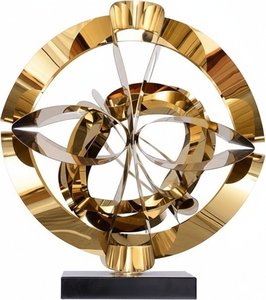
Achieving true luxury requires a discerning eye for texture, as the impact of gold is heavily dependent on how it interacts with its surroundings. One might choose the smooth, mirror-like finish of polished stainless steel to create a sleek, avant-garde atmosphere, or perhaps opt for the more organic, tactile depth found in gold leaf applications. The beauty lies in the nuance; a matte gold can offer a subtle, understated elegance that complements neutral palettes, whereas a high-shine metallic sculpture can serve as a breathtaking centerpiece that anchors an entire gallery-style hallway.
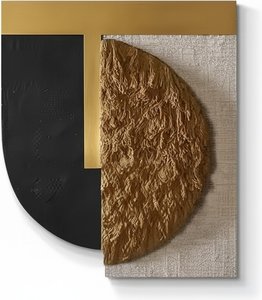
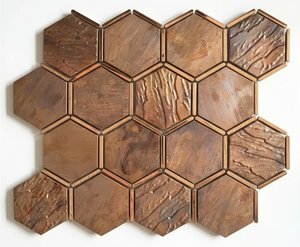
When selecting pieces, consider the interplay between light and surface. For instance, iridescent metal mosaic tiles can introduce a rhythmic, shimmering pattern to a feature wall, creating a sense of movement that changes as one moves through the room. Similarly, textured metallic sculptures—such as those featuring gold-plated finishes or intricate geometric patterns—add a three-dimensional complexity that flat prints simply cannot replicate. The goal is to curate a collection where each piece contributes a different facet of light, ensuring the "golden glow" feels layered and multidimensional rather than monochromatic.
From Sculptural Statements to Gilded Canvases: Integrating Metal Art
The integration of metallic art into a home is an exercise in balance and composition. A large-scale golden leaf metallic wall sculpture can transform a grand living room, acting as a structural element that defines the architecture of the space. These substantial works, often measuring well over a meter in width, provide a sense of permanence and weight. However, the true art of curation lies in knowing when to pair these heavy, sculptural elements with the delicate beauty of gilded canvases or fine oil reproductions.
Imagine a room where a modern, gold-electroplated violin sculpture sits elegantly on a mantle, paired with a large-format canvas that utilizes subtle gold impasto strokes. This creates a dialogue between the physical object and the painted representation of light. For those looking to expand their collection, the "multi-panel" trend offers a magnificent way to utilize wide walls or staircases, where a single masterpiece is split across several panels, allowing the golden highlights to flow seamlessly across the architectural expanse. This approach turns a simple wall into a continuous narrative of light and luxury.
Mastering Light and Shadow: How Gold Artworks Interact with Ambient Lighting
Gold is a reactive medium; its character shifts with the sun's journey across the sky. In the bright, direct light of midday, metallic artworks can project brilliant, dancing reflections that energize a room, making it feel airy and expansive. As evening approaches and softer, warmer lamplight takes over, these same pieces undergo a metamorphosis, absorbing the amber tones of the setting sun or the soft glow of candlelight to create an intimate, cocoon-like environment.
To master this interaction, one must consider the placement of light sources in relation to the artwork. A strategically placed spotlight can accentuate the raised textures of a metallic spiral sculpture, casting dramatic shadows that emphasize its form. Conversely, placing gold accents near windows allows natural light to dance across surfaces like rose gold or polished copper, creating an ever-changing landscape of brilliance. This interplay between the seen and the unseen is what gives metallic art its "soul," ensuring that the decor remains dynamic and captivating throughout the day.
Harmonizing Metals: Pairing Gold with Rose Gold, Silver, and Modern Finishes
While gold is a commanding presence, it does not exist in a vacuum. The most sophisticated interiors are those that master the art of metallic harmony. Introducing rose gold geometric sculptures can soften the intensity of traditional yellow gold, adding a romantic, contemporary warmth that pairs beautifully with modern marble or velvet textures. This layering of precious tones creates a rich, "mixed metal" aesthetic that feels curated over time rather than purchased in a single moment.
< Haying a balanced palette also involves the strategic use of contrast. Pairing the warmth of gold with the cool, crisp elegance of silver or stainless steel can prevent a space from feeling overly heavy or monochromatic. This tension between warm and cool tones adds a layer of intellectual depth to the design. Whether it is through subtle accents like an elegant vintage gold desk clock or more prominent elements like silver-toned architectural hardware, the key is to maintain a cohesive thread of luxury that allows each metal to shine in its own unique light.The Finishing Touch: Expert Tips for Balancing Opulence and Sophistication
The final challenge in utilizing gold art is avoiding the pitfall of excess. True sophistication lies in restraint; the most impactful use of gold is often found in a single, breathtaking statement piece rather than an overwhelming abundance of gilded objects. Think of gold as the "exclamation point" at the end of a beautifully written sentence. It should highlight the excellence of your existing decor—your fine linens, your bespoke furniture, and your architectural details—rather than competing with them.
To achieve this balance, use gold to draw the eye toward areas of interest, such as a well-placed sculpture on a console table or a beautifully framed reproduction that complements a room's color palette. By focusing on quality over quantity, and texture over sheer brightness, you create a home that feels profoundly luxurious, deeply personal, and eternally elegant. The golden glow should not merely be seen; it should be felt as an unmistakable aura of grace and timelessness.