


The Alchemy of Form: Defining the Luxury of Metal Artistry
To behold a true masterpiece of metalwork is to witness a profound dialogue between elemental strength and human intention. Beyond the mere manipulation of raw material, the alchemy of metal art lies in its ability to transmute cold, industrial substances into vessels of profound emotion and light. For the discerning collector, the allure of metallic sculpture resides in its permanence—a defiant stand against the ephemeral nature of modern trends. When we speak of luxury in this medium, we are not merely discussing the cost of bronze or iron, but rather the mastery required to command such unyielding elements into a state of poetic fluidity.
The history of metalwork is inextricably linked to the evolution of civilization itself, from the ancient artisans who forged sacred relics to the contemporary visionaries who utilize advanced techniques to redefine spatial boundaries. This medium possesses a unique capacity for reflection; it captures the ambient light of a curated room, casting shadows that shift with the passing hours, thereby ensuring the artwork remains a living participant in its environment. It is this interplay of luster and shadow, of weight and perceived lightness, that elevates metal art from mere decoration to an essential component of a sophisticated aesthetic narrative.
Industrial Grace: Blending Organic Textures with Metallic Strength
There exists a captivating tension within contemporary metal sculpture—a delicate balance between the rugged, industrial origins of the material and the organic grace of its final form. We see this most strikingly in works that utilize textured iron to mimic the undulating rhythms of nature. Consider the way a flame-inspired sculpture can rise from a pedestal, possessing the structural integrity of forged steel yet retaining the ephemeral, flickering essence of heat and motion. This juxtaposition creates a sensory experience that is both grounding and transcendent, offering a tactile depth that few other mediums can replicate.
Modern masters often employ techniques such as assemblage or innovative inflation to challenge our perceptions of density. The use of repurposed metals, as seen in the striking works of artists like Lonnie Bradley Holley, allows for a narrative of transformation where industrial remnants are reborn into complex human forms. Similarly, the pioneering work of designers like Oskar Zięta demonstrates how metal can be manipulated through air pressure to achieve architectural lightness, blurring the lines between sculpture and structural innovation. In these works, the strength of the metal does not overpower the grace of the design; instead, it provides the necessary foundation for organic beauty to flourish.
Curating the Collection: Integrating Sculptural Metal into Modern Interiors
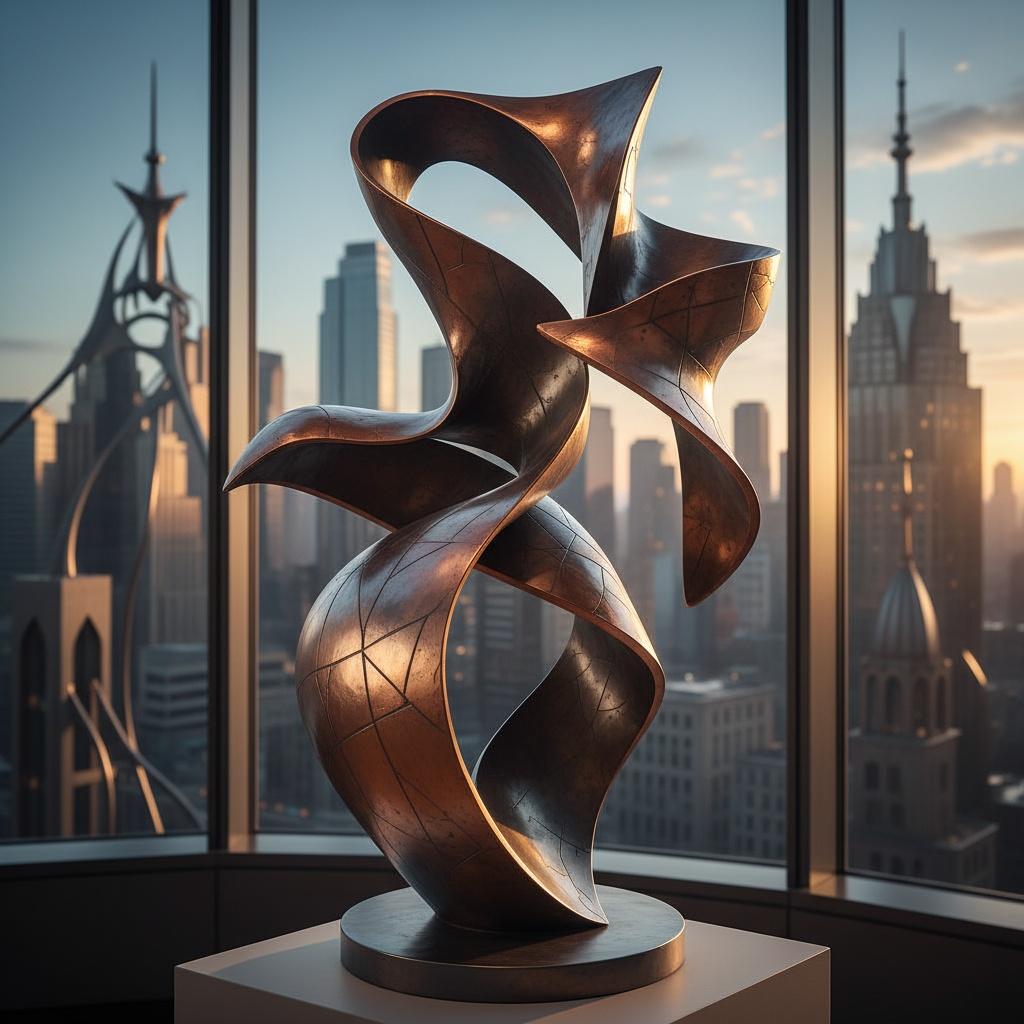
Integrating large-scale metalwork into a curated interior requires an eye for architectural harmony and spatial rhythm. A significant piece, such as a towering iron sculpture standing nearly two meters tall, acts as a gravitational anchor within a room, commanding attention and establishing a focal point around which the rest of the decor orbits. The challenge for the collector is to ensure that the metallic presence complements rather than overwhelms the surrounding textures—pairing the cool sheen of polished steel with the warmth of fine textiles or the matte finish of natural stone.
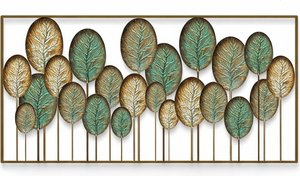
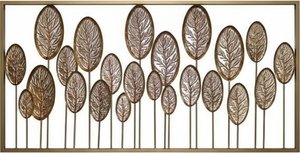
Placement is an art form in itself. A metallic piece positioned near a window can utilize natural sunlight to create dynamic light patterns across a gallery wall, while a more opaque, textured sculpture might serve to add much-needed weight to a minimalist, airy space. For those decorating expansive halls or grand staircases, the use of multi-panel metal installations or large-scale wall hangings can guide the eye through the architectural journey of a home. When executed with precision, these metallic elements do not merely occupy space; they define it, transforming a house into a curated sanctuary of high design.
The Collector's Eye: Distinguishing Between Handcrafted Sculpture and Mass-Produced Decor
In an era of rapid production, the true collector must possess the discernment to differentiate between ephemeral decor and investment-grade art. Mass-produced metallic objects often lack the soul that characterizes handcrafted works; they are characterized by uniform, machine-perfected surfaces that fail to tell a story. In contrast, a hand-forged sculpture bears the subtle signatures of its creation—the intentional hammer marks, the unique patina developed through chemical oxidation, and the nuanced variations in texture that reflect the artist's direct engagement with the medium.
The value of a piece is found in its complexity and its provenance. A true masterpiece often involves a rigorous process of experimentation, where the artist pushes the limits of what the metal can endure or achieve. Collectors should look for works that exhibit a mastery of "form and space," where the negative space within the sculpture is as carefully considered as the solid mass. By seeking out pieces that demonstrate academic excellence and technical innovation, the collector ensures that their acquisitions are not merely aesthetic choices, but enduring legacies of human creativity.
Preserving the Legacy: Maintenance and Longevity of Fine Metal Works
The acquisition of fine metal art is an investment in longevity, yet the preservation of such beauty requires a commitment to stewardship. While metals like bronze and high-grade iron are celebrated for their durability, they are not immune to the environmental factors of a modern home. To protect the integrity of a patina or the brilliance of a polished surface, it is essential to manage light exposure and humidity levels. Avoiding direct, harsh sunlight prevents the degradation of protective coatings, while maintaining a stable climate prevents the onset of unwanted oxidation or moisture-related damage.
For those housing significant collections, professional care involves regular, gentle cleaning with pH-neutral solutions and, in some cases, the reapplication of specialized waxes or varnishes to seal the surface against atmospheric pollutants. Much like the meticulous care required for a Renaissance oil painting, the stewardship of metal art ensures that the luster and structural integrity of the work remain vibrant for generations. Through thoughtful preservation, the collector honors the artist's original vision, allowing the masterpiece to continue its silent, powerful dialogue with the world for decades to come.
At ArtsDot.com, we are dedicated to the pursuit of excellence in the global art market. From providing access to master-level reproductions to facilitating the discovery of unique sculptural forms, our mission is to connect discerning collectors with works of profound significance. Whether you are seeking to transform a personal milestone into a hand-painted oil masterpiece or looking for expert consultation on integrating fine art into your architectural vision, ArtsDot stands as a trusted partner in your journey through the world of fine art.