The New Visual Language: How High-Impact Graphics are Redefining Modern Aesthetics
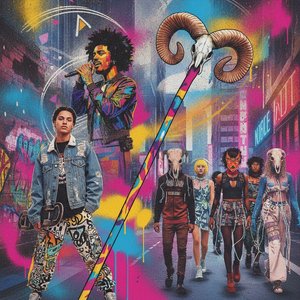
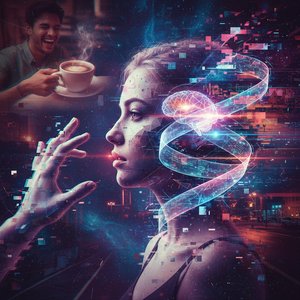
We are currently witnessing a seismic shift in the way we perceive visual reality. The era of subtle, muted tones is being aggressively dismantled by a new visual language—one that speaks in the loud, unapologetic dialect of high-impact graphics. This isn't just a change in preference; it is a fundamental restructuring of our aesthetic DNA. Today, the eye no longer seeks quietude; it craves the electric pulse of saturated pigments and the sharp, definitive edges of graphic precision. This movement draws its strength from a refusal to blend into the background, opting instead to command attention through sheer visual force.
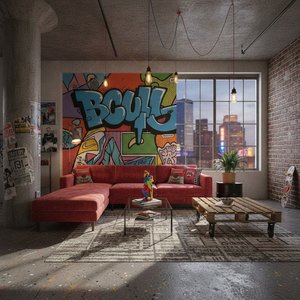
This new language is built on the tension between clarity and chaos. We see it in the way digital vectors can create impossible geometries that feel more real than the physical world, and how heavy, saturated color blocks can anchor a room with the weight of an industrial monument. It is a dialect of impact. For the modern urban dweller, this aesthetic serves as a mirror to our hyper-connected, high-speed existence. The visual impact of these works provides a necessary jolt, a moment of intense engagement in an otherwise scrolling, ephemeral world.
From Pop Art to Pixels: The Evolution of Bold Graphic Identity
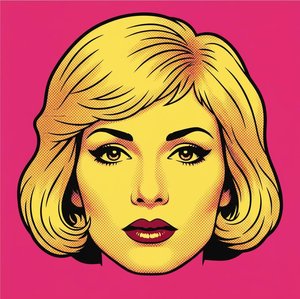
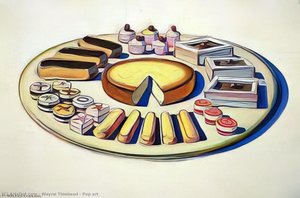
To understand where we are going, we must acknowledge the titans who paved the way. The DNA of today’s digital revolution is deeply embedded in the legacy of Pop Art. When Roy Lichtenstein utilized bold lines and simplified forms in works like Bananas and Grapefruit, he was already deconstructing reality into a graphic shorthand. He proved that everyday objects could be elevated to high art through the sheer power of stylized presentation. This lineage continues through the vibrant, stencil-driven energy of artists like Gordan Bijelic, whose work plays with iconic logos and pop culture symbols to create a surreal, contemporary twist on familiar imagery.
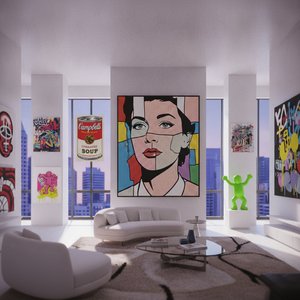
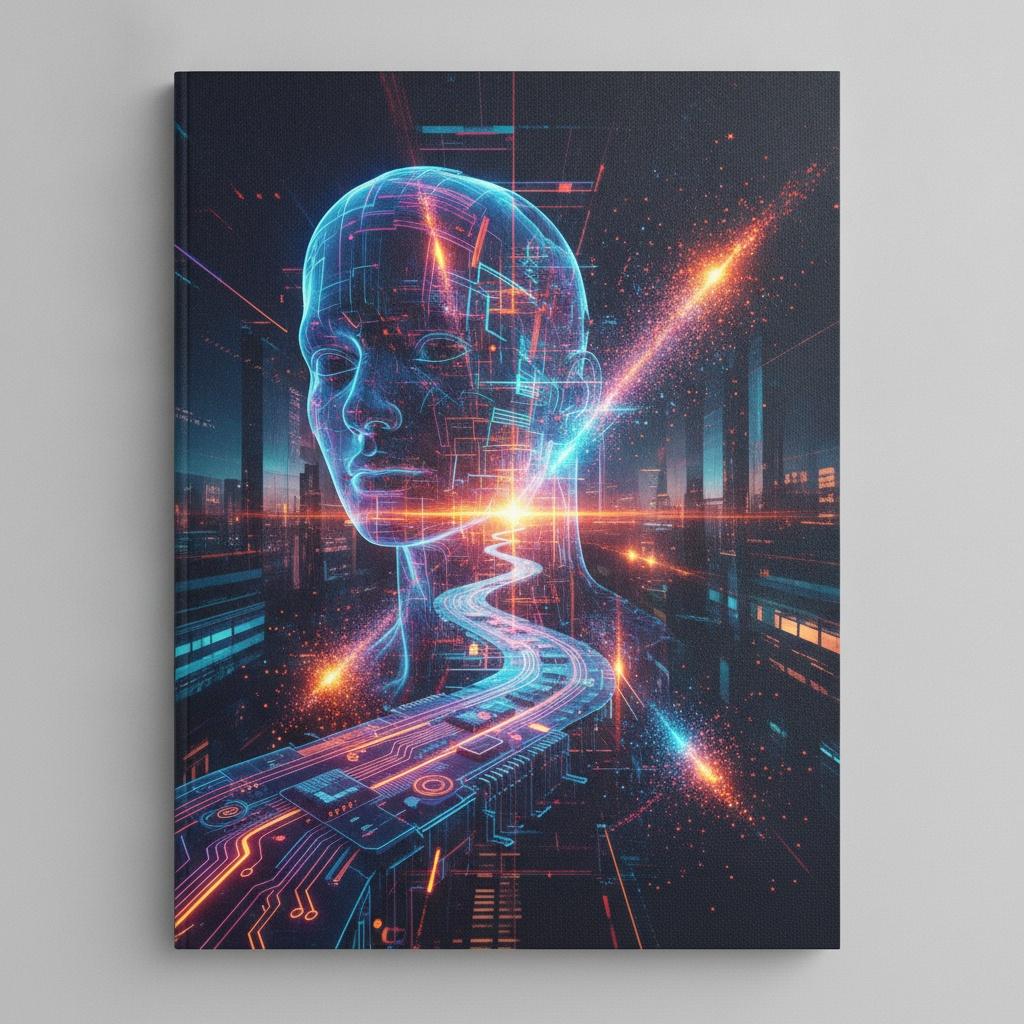
The transition from the physical halftone dots of the 1960s to the infinite resolution of the digital pixel has not changed the core mission: the celebration of the graphic. Where Andy Warhol used mass production to democratize the image, today’s digital artists use software to push the boundaries of what a "line" can even be. We have moved from the silk-screened repetition of soup cans to the complex, algorithmic layers of digital masters like Jakub Jernajczyk. The evolution is seamless; the medium has shifted from ink and canvas to light and code, but the bold identity remains constant.
The Digital Edge: Merging Street Art Energy with Cutting-Edge Design Tech
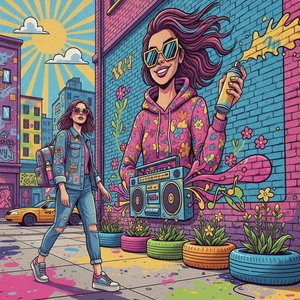
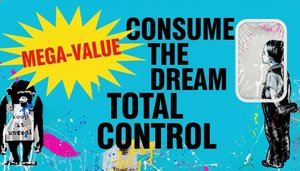
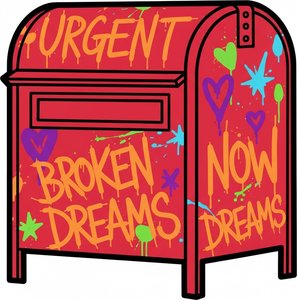
There is a raw, unrefined energy found in street art that is currently being synthesized with high-end digital precision. This fusion is where the most exciting contemporary design lives. We see it in the work of duos like Erris Huigens and Gysbert Zijlstra, who bring an immersive, urban grit to their compositions, blending graffiti techniques with structured graphic elements. It is a collision of the uncontrolled—the spray-painted drip and the weathered texture—with the ultra-controlled—the perfect vector and the mathematical gradient.
This intersection creates a unique tension that defines the modern era. Designers are no longer choosing between the organic and the digital; they are creating a third space. This is where technology allows us to simulate the tactile roughness of an etching or the heavy impasto of a physical painting within a purely digital framework. It is about capturing the soul of the street and refining it through the lens of advanced computation, resulting in works that feel both anciently textured and futuristically sharp.
Trend Forecast: Why Hyper-Vibrant Colors and Flattened Perspectives are Dominating the Future
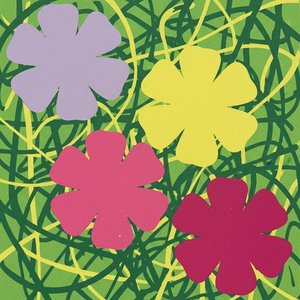
Looking ahead, the forecast for contemporary design is undeniably bright—literally. We are moving toward an era of hyper-vibrancy. The trend is shifting away from depth-heavy, realistic shading toward a more "flattened" perspective, much like the striking digital illustrations seen in Alex Katz’s work. This flattening removes the distraction of traditional shadows, forcing the viewer to engage directly with color relationships and shape composition. It is a minimalist approach to complexity.
Expect to see an increase in high-contrast palettes where neon oranges, electric yellows, and deep blacks dominate. The future of design lies in the ability to create depth through layering rather than shading. This trend is driven by our digital-first lifestyle; we are accustomed to the glow of screens and the high-definition clarity of OLED displays. As our physical environments begin to mimic these digital standards, the use of flattened, high-impact graphics will become the primary tool for creating modern, dynamic spaces.
Curating the Chaos: Integrating High-Impact Digital Works into Urban Interiors
The final frontier for this movement is the domestic space. How does one inhabit a world of such intense visual stimuli? The key lies in curation rather than accumulation. Integrating high-impact works requires a balance of structural anchors and visual breathing room. Much like the deconstructivist approach of graphic designer David Carson, who challenged traditional layouts by breaking rules of legibility, modern interior design is learning to embrace the "beautifully broken" aesthetic.
For the design-conscious collector, this means using large-scale, multi-panel pieces to create a focal point that acts as an architectural element. A series of three or four panels featuring a single, high-impact graphic can transform a plain wall into a window of digital energy. By pairing these bold works with clean, minimalist furniture and neutral textures, the art is allowed to perform its primary function: to disrupt, to excite, and to redefine the space. The goal is not to hide the chaos, but to frame it, turning the high-impact energy of the digital revolution into a sophisticated, lived-in reality.
Discover the future of your collection at ArtsDot.com, where we bring the boldest contemporary and pop art movements to life through museum-quality reproductions and custom commissions.