The New Visual Language: Why Pop Art & Street Style are Dominating Modern Interiors
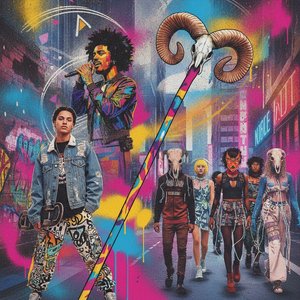
Forget the quiet, beige minimalism that has stifled residential design for far too long. We are witnessing a seismic shift in how we inhabit our spaces, moving away from sterile neutrality toward a visual language that is loud, unapologetic, and deeply connected to the pulse of global culture. This isn'_t just about decoration; it is about identity. The modern interior has become a canvas for storytelling, where the boundaries between high art and street-level grit dissolve into a singular, high-energy aesthetic. Today’s trendsetters are no longer looking for subtle accents; they are seeking pieces that demand a reaction, much like the iconic works of Andy Warhol or the subversive murals found in the heart of London or São Paulo.
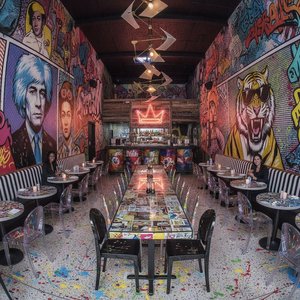
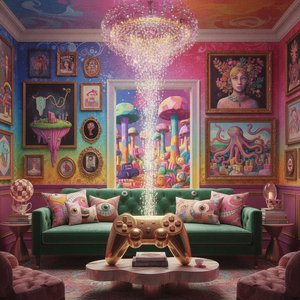
This movement draws its power from the intersection of mass media and urban rebellion. When we bring Pop Art into a living space, we are inviting the energy of the comic book, the advertisement, and the cinematic frame into our private sanctuaries. It is a celebration of the now. By embracing the bold outlines and saturated hues characteristic of this movement, we transform a room from a mere place of rest into an immersive experience that reflects our passion for gaming, anime, and the digital zeitgeist. The walls no longer just enclose a room; they broadcast a vibe.
Color Theory for the Bold: Using High-Impact Palettes to Redefine Your Vibe
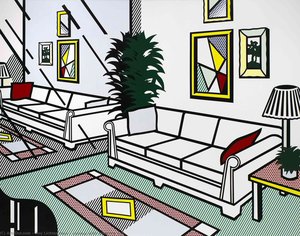
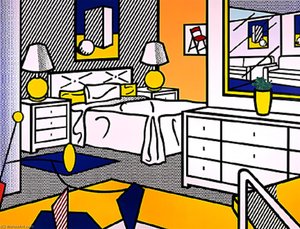
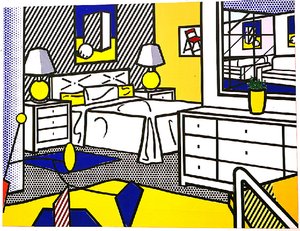
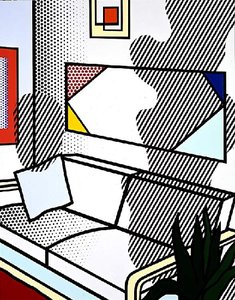
To master this aesthetic, one must first master the art of the chromatic punch. In the world of Pop Art and Street Style, color is not a secondary element; it is the protagonist. We are moving beyond the safe pastels into a territory defined by electric yellows, deep magentas, and cyan blues that vibrate against one another. Think of the way Roy Lichtenstein utilized primary colors to create instant visual impact, or how the neon textures of contemporary street art can instantly electrify a dim corner. Using color strategically allows you to direct the eye, creating focal points that act as the heartbeat of your home.
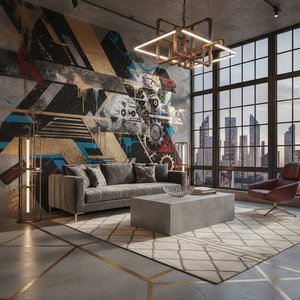
However, the secret to a sophisticated high-impact palette lies in balance. A room drenched entirely in neon can become visually exhausting, so the true designer knows how to pair these loud pigments with deep, grounding tones. Imagine a heavy, charcoal-colored sofa acting as a stage for a vibrant, multi-panel Pop Art installation. This contrast creates a sense of depth and intentionality, ensuring that your space feels curated rather than chaotic. It is about creating a visual symphony where the high notes are bright and piercing, but the rhythm is held together by a strong, structural foundation.
From Canvas to Concrete: Integrating Urban Murals and Graphic Textures into Your Space
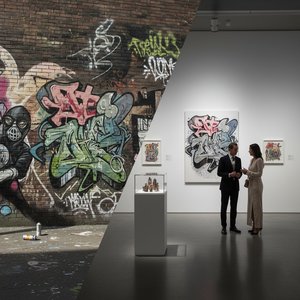
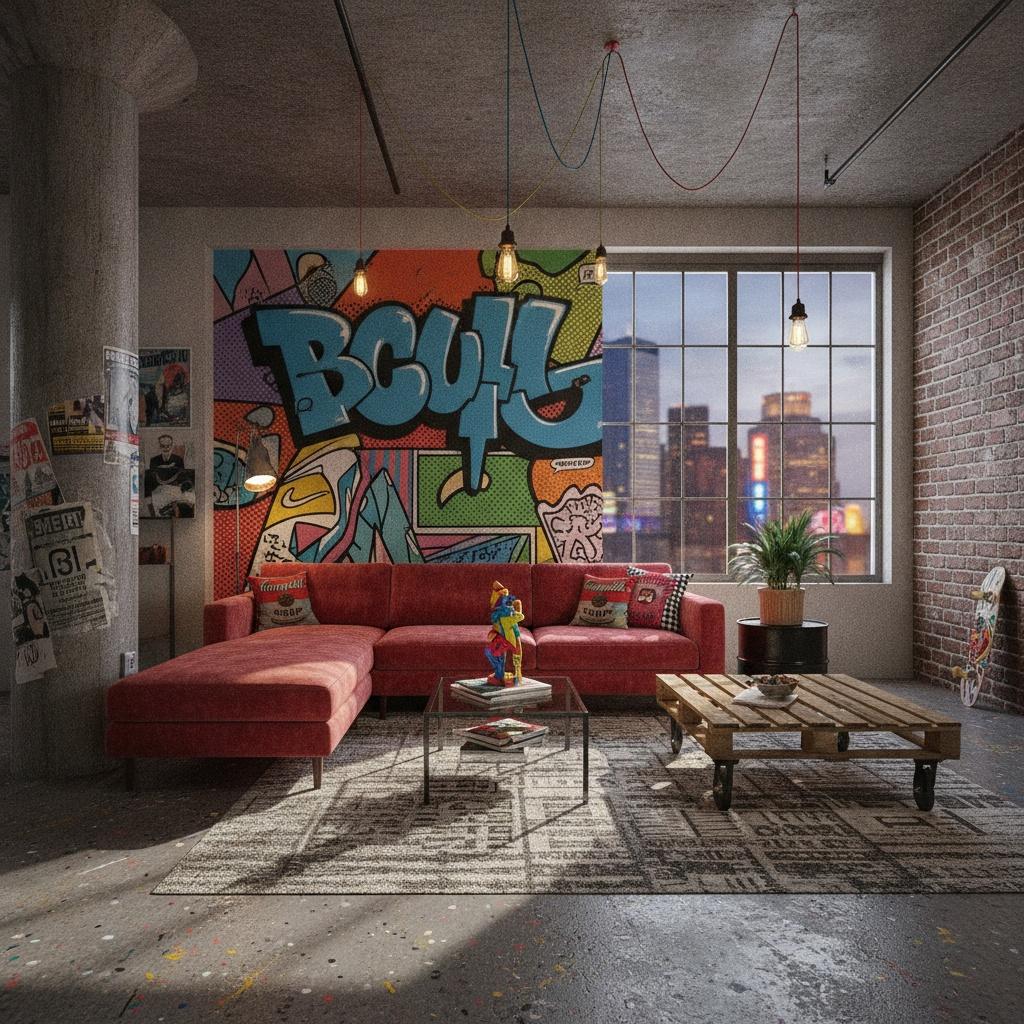
There is an undeniable raw magnetism in textures that mimic the urban landscape. The grit of a spray-painted stencil, the layered typography of a street poster, and the weathered look of concrete are all being translated into high-end interior elements. This trend brings the "outdoor" energy of the city—the spontaneous beauty of a Banksy mural or the sprawling, colorful complexity of São Paulo’s street art—directly onto your walls. It is about capturing that sense of discovery you feel when turning a corner in a vibrant urban district and finding an unexpected masterpiece.
Integrating these textures requires a fearless approach to layering. We are seeing a rise in the use of graphic, oversized works that mimic the scale of street murals, providing a sense of architectural drama. Whether it is through large-format canvas wraps or textured prints that simulate the tactile nature of urban graffiti, the goal is to break the flatness of traditional walls. When you introduce these rugged, spontaneous textures alongside sleek, modern furniture, you create a tension that is quintessentially contemporary—a sophisticated blend of the polished and the raw.
Iconic Remixes: Blending Pop Culture Legends with Contemporary Design
One of the most exciting frontiers in modern decorating is the "remix"—the ability to take established icons and recontextualize them for a new era. We see this in the way Keith Haring’s rhythmic, kinetic lines can be paired with ultra-modern, minimalist silhouettes, or how the playful satire of Banksy’s work can add a layer of intellectual depth to a high-tech gaming lounge. This is where nostalgia meets the future. By selecting pieces that reference legendary figures like Warhol or Lichtenstein, you are not just decorating; you'pre participating in a continuous cultural dialogue.
This blending of eras allows for a highly personalized aesthetic. You can take a classic motif and infuse it with modern digital energy, much like the way Laurent Charpentier’s work blends typography with street textures. The key is to avoid the museum-like feeling of a static collection and instead aim for a dynamic, living gallery. When you mix the heavy hitters of Pop Art history with contemporary graphic styles, you create a space that feels both timelessly cool and cutting-edge.
Curating the Chaos: Pro Tips for Layering Street Art with Designer Furniture
The greatest challenge in adopting a bold, street-inspired style is avoiding visual clutter. The difference between a curated masterpiece and an accidental mess lies in the art of layering. To achieve a professional look, treat your furniture as the structural anchor. High-end, clean-lined pieces—think mid-century modern chairs or sleek, industrial metal shelving—provide the necessary "negative space" for your bold artwork to breathe. The furniture should act as the frame for the art, not its competitor.
Consider the use of multi-panel layouts to spread visual weight across a large wall, preventing a single piece from overwhelming the room. This technique allows you to introduce multiple "stories" or colors without cluttering a single focal point. Furthermore, don't be afraid to play with scale. A massive, floor-to-ceiling graphic print can serve as a stunning backdrop for a minimalist seating area, creating an immersive environment that feels both expansive and intimate. The goal is a controlled explosion of energy—a space that feels alive, layered, and expertly composed.
The Future of Impact: How to Build a High-Energy Collection That Lasts
Building a collection of high-impact art is a marathon, not a sprint. As you evolve, your taste will shift, but the foundation of a strong, culturally-literate space remains the same: a commitment to pieces that provoke thought and emotion. Start with the "anchor" pieces—the large, vibrant works that define the room's primary vibe—and slowly layer in smaller, more experimental works as your collection grows. Look for quality over quantity; a single, high-quality reproduction with visible brushstrokes and deep tonal range will always carry more weight than a series of mass-produced prints.
As we look toward the future of interior design, the trend is clear: the walls are speaking, and they are louder than ever. Whether through the nostalgic punch of Pop Art or the rebellious spirit of Street Style, the most successful spaces will be those that embrace change, celebrate culture, and aren't afraid to make a statement. Your home is your personal manifesto; make sure it says something unforgettable.
Ready to transform your space? Discover curated, high-impact masterpieces at ArtsDot.com—where bold contemporary art meets museum-quality craftsmanship.