
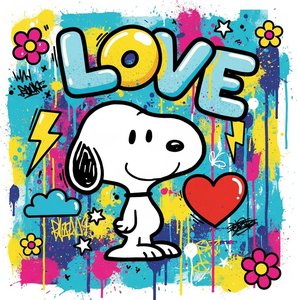
The Concrete Canvas: Tracing the Raw Origins of Urban Graffiti
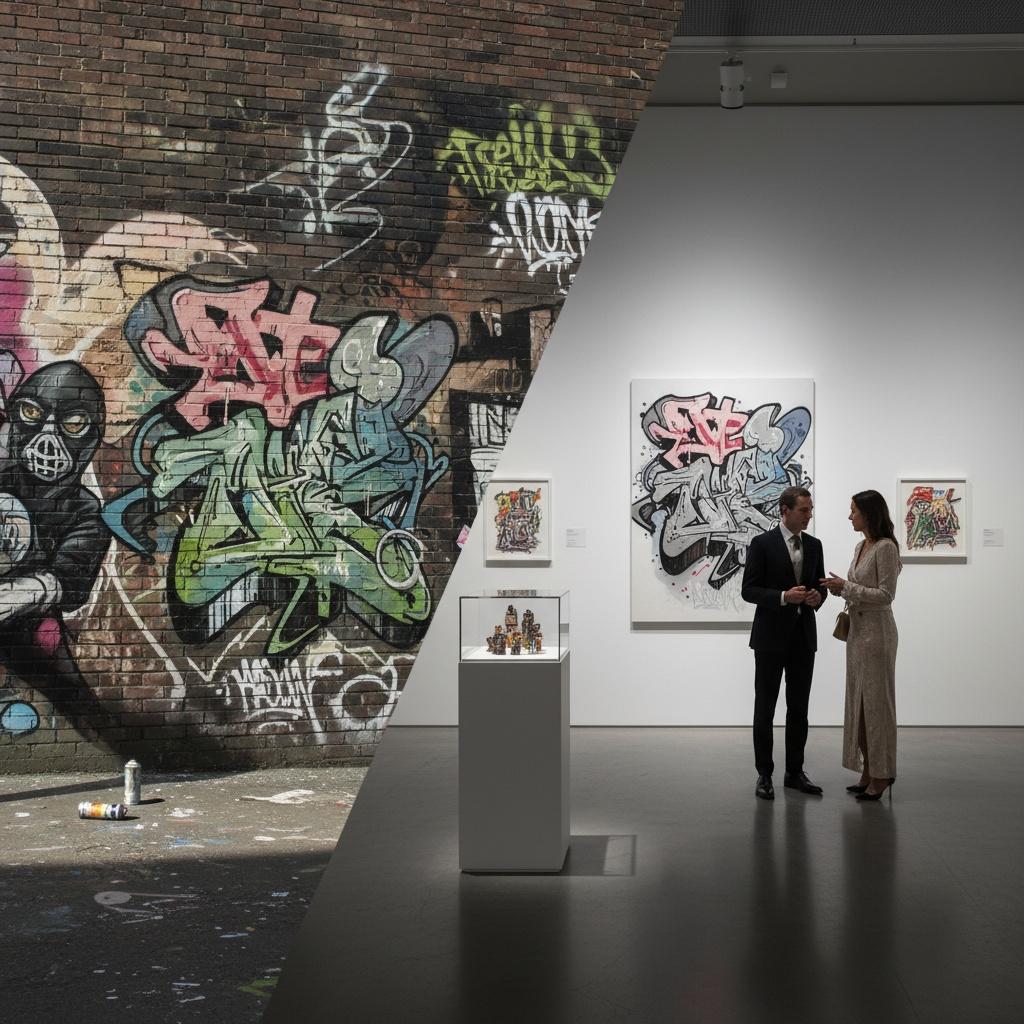
Before it graced the pristine white walls of prestigious auction houses, street art lived a much more rebellious life. It began as a whispered dialogue between the city and its inhabitants, etched in spray paint on subway cars and scrawled across crumbling brickwork. This was an era of raw energy, where the medium was defined by its illegality and its ephemeral nature. The concrete canvas was not chosen for its prestige, but for its accessibility; it was a democratic space where anyone with a canister of paint could claim a voice.
In these early days, the essence of graffiti was rooted in the concept of the tag—a rapid, stylized signature that asserted presence in an increasingly anonymous urban landscape. There was a rhythmic, almost musical quality to the way artists moved through the night, leaving behind layers of overlapping colors and aggressive strokes. This period was characterized by a sense of urgency and a deep connection to the pulse of the street, where every mural served as a temporary monument to a subculture that existed largely out of sight from the mainstream eye.
As we look back at these origins, we see more than just markings on a wall; we see the birth of a new visual language. The textures of weathered stone and the grit of industrial landscapes provided a foundation for an art form that was inherently tied to its environment. It was a period of pure, unadulterated expression, setting the stage for a global movement that would eventually demand the world's attention.
From Vandalism to Vision: The Cultural Shift into Fine Art
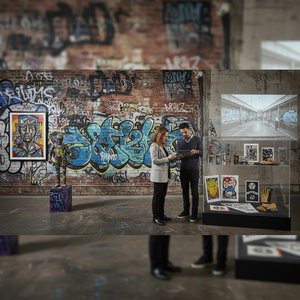
The transition from the shadows of the alleyway to the spotlight of the gallery was not an overnight phenomenon, but rather a profound cultural metamorphosis. For decades, the prevailing narrative labeled street art as mere vandalism—a disruption of the urban order. However, as the visual complexity of these works grew, so too did the recognition of their artistic merit. The world began to realize that the same hands applying paint to subway cars were capable of incredible technical mastery, utilizing color theory, composition, and scale in ways that rivaled traditional fine art.
This shift was driven by a growing fascination with the authenticity and social commentary embedded within urban works. Collectors and curators began to see that street art offered something the traditional art market often lacked: a visceral, unmediated connection to contemporary life. The movement began to bridge the gap between high culture and pop culture, inviting a new generation of enthusiasts into the conversation. As artists moved from clandestine night missions to commissioned murals, the definition of "fine art" began to expand, absorbing the energy of the streets into its very fabric.
Today, this evolution is complete. What was once dismissed as a nuisance is now celebrated as a vital component of our global heritage. The movement has successfully navigated the tension between its rebellious roots and its institutional acceptance, creating a unique space where the grit of the street meets the sophistication of the gallery. This metamorphosis has not only changed how we view urban spaces but has also redefined the boundaries of what we consider valuable in the art world.
A Visual Explosion: Iconic Styles and Global Street Art Pioneers
To wander through the history of street art is to witness a spectacular explosion of diverse styles, each reflecting the unique spirit of its geographic origin. From the vibrant, nature-inspired murals of Brazilian artist Milo Tchais Arte Graffiti, which bring whimsical color bursts to urban settings, to the large-scale, iconic female figures painted by Vinie Graffiti across cities like New York and Melbourne, the movement is a tapestry of global influences. Each artist brings a distinct technical vocabulary, whether it be through fluid, organic compositions or bold, graphic pop art aesthetics.
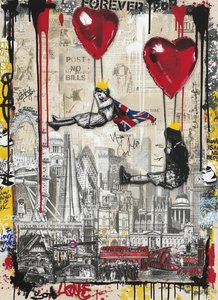
The influence of pioneers like Crash (blah) cannot be overstated; as a foundational figure in the New York scene, his work helped establish the intersection of graffiti and pop art that continues to inspire today. We see this legacy in the works of contemporary creators like kookoo, whose spray-painted murals blend urban grit with captivating, figurative elements. Even the more minimalist or photographic approaches, such as the striking black and white street photography of Hosni Hertelli, contribute to a multifaceted visual landscape that celebrates both the raw texture of the city and the polished beauty of modern composition.
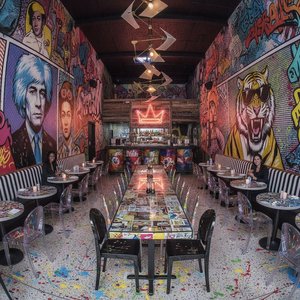
This era of street art is defined by its incredible range. It encompasses everything from the heavy, textured impasto-style murals that feel almost three-dimensional to the sleek, stencil-based works that demand precision. This diversity ensures that the movement remains perpetually fresh, constantly reinventing itself through new techniques and global collaborations that defy traditional artistic boundaries.
The New Collector's Edge: Bringing Urban Energy into Modern Interiors
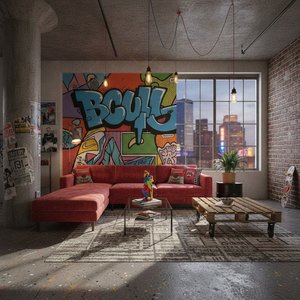
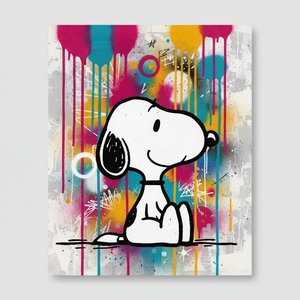
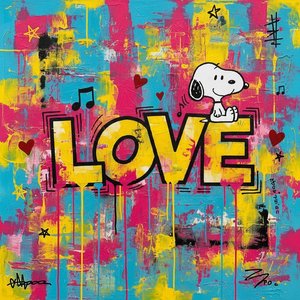
For the modern decorator and the pop-culture enthusiast, street art offers an unparalleled opportunity to inject character and dynamism into a living space. The rise of high-quality reproductions has made it possible to capture this urban energy without the need for a literal city wall. Integrating these bold, vibrant pieces into a contemporary interior allows for a sophisticated "remix" of history, where the raw emotion of a mural can coexist beautifully with minimalist or luxury architectural elements.
The key to successful integration lies in the play of contrast. Imagine a large-scale, multi-panel street art installation acting as a focal point in a wide, modern hallway, or a textured, spray-painted reproduction providing a striking counterpoint to a clean, neutral-toned living room. The tactile nature of these works—the visible brushstrokes and the depth of color—adds a layer of "living" quality to a room that flat prints simply cannot achieve. It is about creating a space that feels curated, energetic, and deeply personal.
Whether it is through a custom-commissioned piece that reflects your own travels or a carefully selected Giclée print that echoes the colors of your furniture, street art allows for a level of customization that is truly transformative. It enables homeowners to move beyond traditional decor and instead curate an environment that tells a story of movement, culture, and contemporary edge.
Beyond the Spray Can: The Future of Street Art in Digital and Physical Galleries
As we look toward the horizon, the evolution of street art shows no signs of slowing down; rather, it is expanding into new, technologically driven dimensions. We are entering an era where the boundary between the physical and the digital is increasingly blurred. The emergence of AI-driven tools allows for incredible creative transformations, enabling enthusiasts to reimagine personal photographs through the lens of Cubism or Pop Art, effectively bridging the gap between personal memory and urban aesthetic.
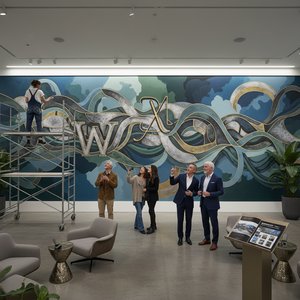
Furthermore, the future of street art lies in its ability to inhabit both the physical gallery and the digital landscape simultaneously. We are seeing a rise in large-format architectural installations, such as custom murals and frescoes, that bring the scale of the street into hotels and luxury residences. At the same time, the global accessibility of art through digital platforms ensures that a piece born in a small studio can find its way to a collector in a completely different hemisphere within days.
Ultimately, the journey from walls to galleries is a testament to the enduring power of human expression. As long as there are surfaces to be marked and stories to be told, street art will continue to evolve, pushing the limits of medium and meaning. It remains a vibrant, breathing movement that continues to challenge our perceptions and enrich our visual world, ensuring that the spirit of the street will always have a place in the halls of fine art.
At ArtsDot.com, we celebrate this entire journey. From providing museum-quality reproductions of iconic urban styles to facilitating custom oil paintings that transform your personal photos into contemporary masterpieces, we are dedicated to making the energy of the world's greatest art accessible to everyone. Whether you are looking for a textured Giclée print or a bespoke large-scale mural, our mission is to help you bring the bold evolution of art into your own home.