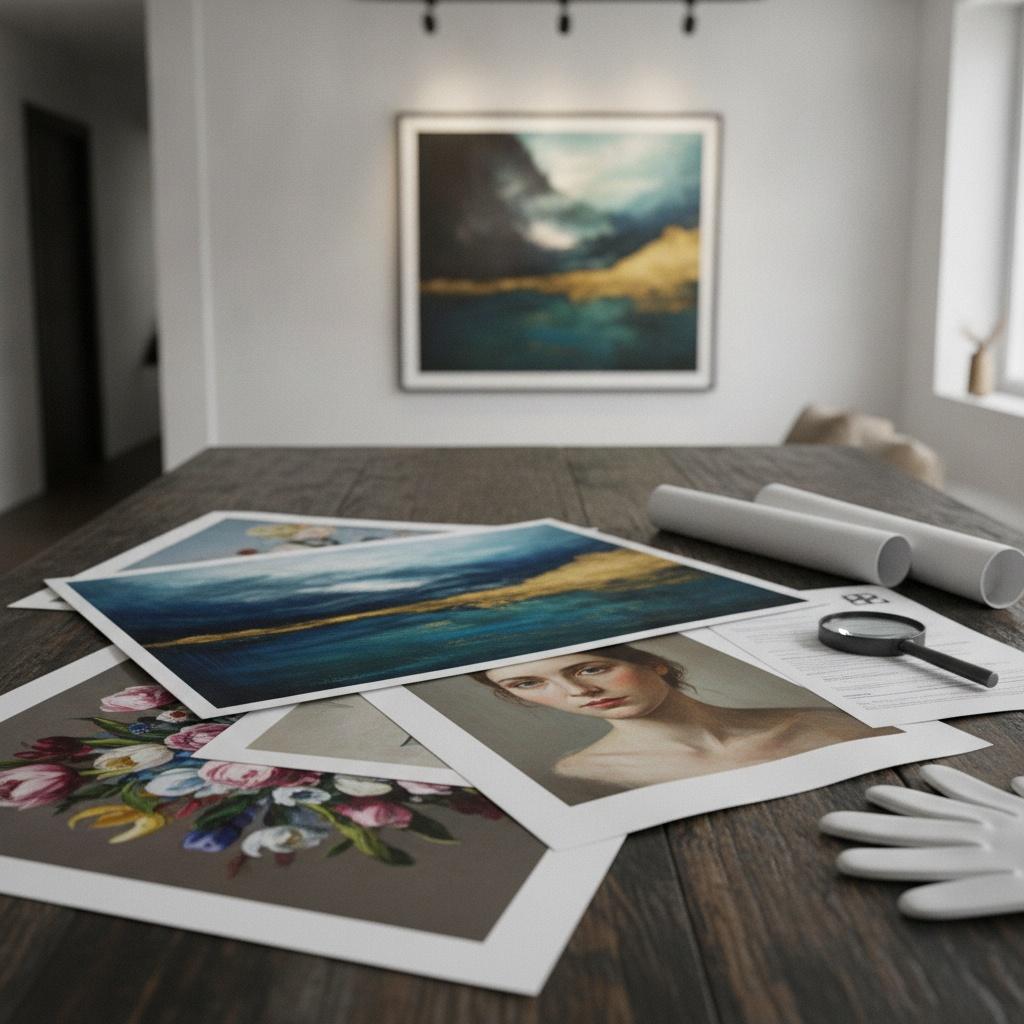





Beyond the Poster: What Makes a Giclée Print 'Museum-Grade'
In an era dominated by fleeting digital images and mass-produced, low-fidelity posters that fade before the season even changes, finding art with real staying power feels like discovering a rare drop in a high-stakes game. We have all seen them: those flimsy, thin-paper prints that lack depth, color saturation, and most importantly, soul. But then, there is the Giclée. To the uninitiated, it might sound like just another buzzword, but for those of us who curate our spaces with intention, it represents a massive level-up in visual fidelity. A true Giclée print isn'::t just a copy; it is a high-definition reconstruction designed to capture every nuance of the original masterpiece.
The distinction lies in the commitment to excellence. While a standard poster relies on cheap, dye-based inks that lose their edge under even minimal light exposure, a museum-grade Giclée utilizes archival-quality technology. This means we are talking about a level of detail so sharp it respects the artist's original intent, whether that is the aggressive, neon energy of a street art piece or the intricate, layered textures of a contemporary graphic work. When you invest in a Giclée, you aren't just buying decor; you are acquiring a high-fidelity asset for your collection that is built to endure.
The Tech Behind the Vibe: Pigment Inks, Archival Substrates, and Color Fidelity
If you want to understand why some art hits different, you have to look under the hood at the chemistry. The magic of a premium Giclée happens through the marriage of pigment-based inks and specialized, museum-grade substrates. Unlike traditional inkjet printers that use liquid dyes—which are prone to bleeding and rapid fading—Giclée printing utilizes microscopic pigment particles suspended in a carrier. These pigments are incredibly stable, meaning they bond with the surface on a molecular level, creating a color gamut that is wider, more vibrant, and significantly more resistant to the elements.
This technical precision extends to the canvas and paper itself. We use acid-free, archival substrates that prevent the dreaded yellowing or brittleness that plagues cheaper alternatives. This ensures that the electric blues, deep blacks, and searing magentas of your favorite pop art pieces remain as punchy ten years from now as they are on day one. It is about achieving a level of color fidelity where the digital reproduction becomes indistinguishable from the visual impact of the original work, providing that high-impact aesthetic that defines a modern, design-conscious space.
Visual Impact vs. Texture: Deciding Between Giclée Prints and Hand-Painted Oils
Choosing the right medium for your walls is much like choosing between a sleek digital render and a physical, tactile prototype; both have their place in a curated collection, but they serve different vibes. A Giclée print is the ultimate tool for visual impact. It is flat, precise, and incredibly crisp. If you are looking to showcase graphic works, street art, or digital illustrations where sharp lines and perfect color gradients are the priority, the Giclée is your go-to. It offers a clean, modern look that integrates seamlessly into minimalist or high-tech urban interiors.
However, there is an undeniable allure to the Handmade Oil Reproduction that a print simply cannot replicate. When you move from a print to a hand-painted oil, you are moving from two dimensions into three. You gain the impasto effect—the physical ridges of paint, the visible brushstrokes, and the way light catches the texture of the canvas. While a Giclée offers unparalleled accuracy and durability, an oil painting offers "soul" through its tactile depth and organic variance. For those seeking a centerpiece that demands attention through texture and heavy pigment, the hand-painted route is the ultimate luxury upgrade.
Curating Your Space: How to Scale and Frame Giclée Art for Maximum Punch
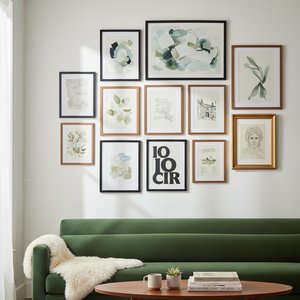
Art doesn't exist in a vacuum; it exists in relation to the architecture around it. To truly maximize the impact of your Giclée prints, you have to think like an interior designer. One of the most effective trends currently dominating high-end urban lofts is the multi-panel layout. Instead of a single, standard-sized frame, consider splitting a large-scale graphic work across three, four, or even five panels. This creates a sense of movement and architectural scale, turning a simple print into a massive, immersive installation that commands the entire wall.
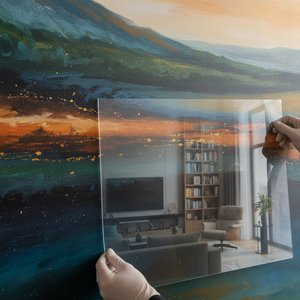
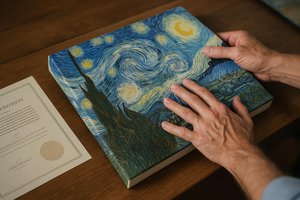
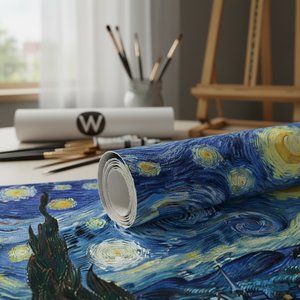
Framing is your final layer of customization. While many Giclée prints are shipped in protective rolls to ensure they arrive in pristine condition, the real magic happens during the checkout process when you opt for stretching or custom framing. A sleek, frameless MirrorWrap or ExtendedWrap can give a contemporary, edge-to-edge look that feels incredibly modern. Conversely, a heavy, solid wood frame in espresso or gold leaf can add a sense of prestige and weight to a more graphic piece. The goal is to use the frame to anchor the art within your room's specific design language.
Pro Tips for Longevity: Preserving Your High-Impact Collection
Once you have curated your space with these high-impact pieces, the final step is preservation. Even though Giclée prints are engineered for longevity, they are not invincible. To protect your investment, the golden rule is to avoid direct sunlight. UV rays are the enemy of all pigments; even the most advanced archival inks can eventually suffer if they are constantly bombarded by harsh afternoon sun. Positioning your art on a wall that receives indirect light will ensure those vibrant tones stay locked in for decades.
Furthermore, consider the environment of the frame itself. If you are using glass, utilizing acid-free matting is a pro move. This creates a microscopic air gap between the print and the glass, preventing moisture buildup and potential sticking or mold growth. By managing light exposure and humidity, you aren't just decorating; you are maintaining a gallery-grade collection that will continue to serve as a bold statement of your personal style for generations to come.
Ready to level up your space? At ArtsDot.com, we specialize in bringing high-impact, contemporary art to life. Whether you are looking for the crisp precision of a museum-quality Giclée or the textured depth of a hand-painted oil masterpiece, our collection is curated for those who demand nothing less than excellence. Explore our range of pop art, street art, and abstract works today.