

The Alchemy of Pigment: Understanding the Chemical Mastery of Oil on Canvas
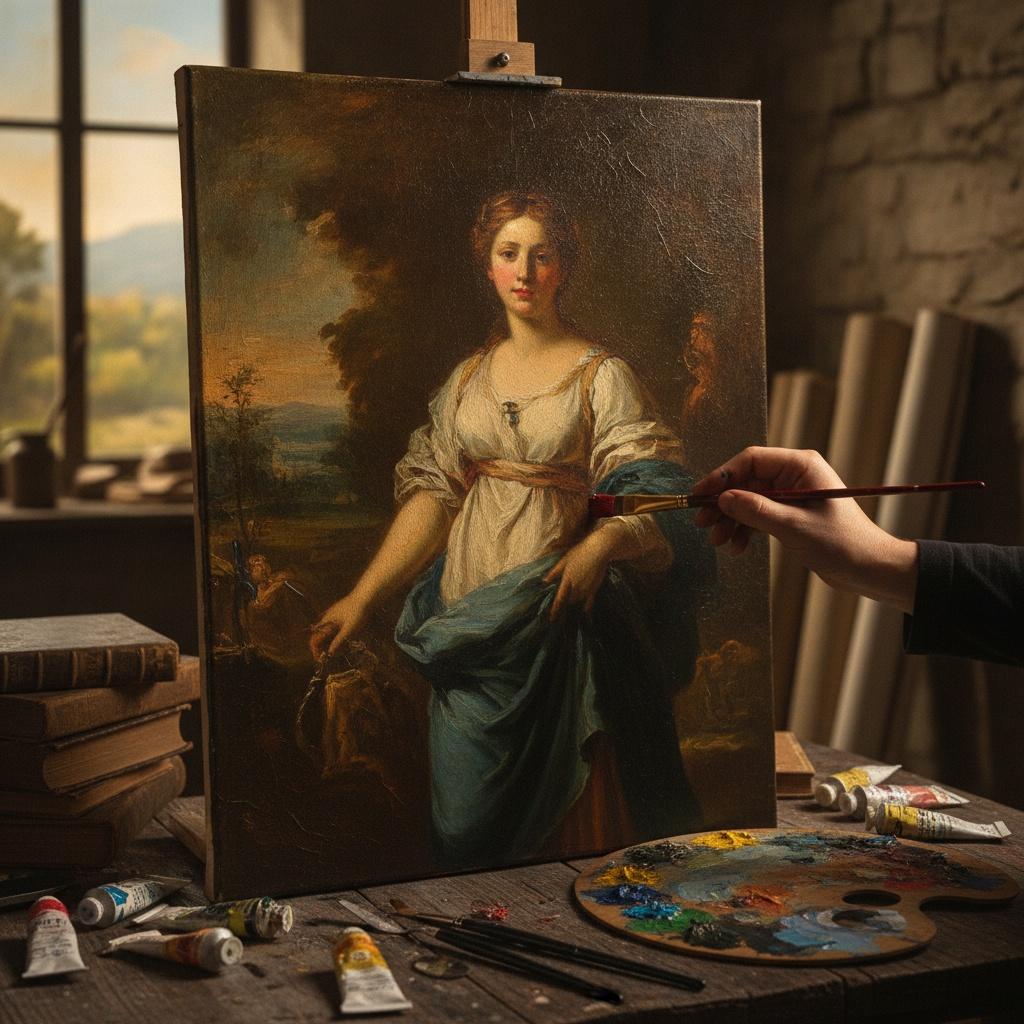
To behold a true oil painting is to witness a profound chemical dance, a slow-motion metamorphosis where light and matter converge. Unlike the rapid drying of watercolor or the flat immediacy of modern acrylics, oil paint possesses an inherent patience. This medium relies on the oxidation of drying oils—traditionally linseed or safflower—to transform liquid pigment into a durable, translucent film. This slow evaporation allows the artist to manipulate the medium with unparalleled precision, blending colors directly upon the canvas to achieve transitions so seamless they appear almost supernatural.
< and p>The true magic lies in the layering process, often referred to as glazing. By applying thin, transparent layers of pigment suspended in oil, the artist allows light to pass through the upper strata, reflect off the lower layers, and return to the viewer's eye with a luminous intensity. This depth is something no digital print or giclée can replicate; it is a three-dimensional interplay of light. When we use specific oils, such as safflower for our whites, we ensure that the brilliance remains untainted by the yellowing that often plagues lesser works, preserving the artist's original intent for generations to come.Tactile Grandeur: The Role of Impasto and Brushwork in Creating Depth
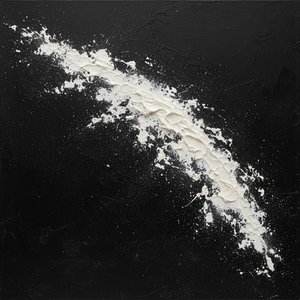
Beyond the chemical composition lies the physical topography of the canvas. Fine art is not merely a visual experience but a tactile one. Through the technique of impasto, artists apply paint with such thickness that the brushstrokes or palette knife marks remain visible, creating a sculptural relief upon the surface. Consider the bold, energetic textures found in an abstract impasto work featuring forest greens and whites; here, the paint does not merely represent a subject but becomes a physical presence within the room.
This texture serves to catch the ambient light of a space, casting microscopic shadows that change as the viewer moves. Whether it is the delicate, raised petal of a textured magnolia bloom or the rugged, earth-toned ridges of a terracotta and olive abstract, these physical elevations provide a sense of movement and life. This sculptural quality differentiates a hand-painted masterpiece from a flat reproduction, offering a sensory richness that invites the eye to wander across the peaks and valleys of the artist's labor.
A Legacy of Light: How Oil Painting Captures the Nuances of the Old Masters
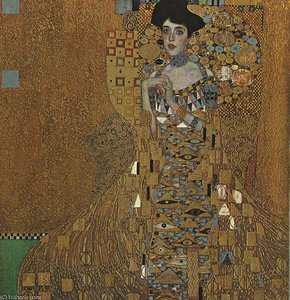
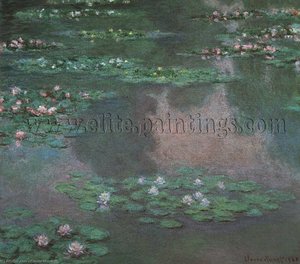
The history of Western art is, in many ways, a history of mastering light through oil. From the chiaroscuro of the Baroque era to the ethereal, sun-drenched impressions of the late 19th century, the medium has been the primary vehicle for capturing the ephemeral. The Old Masters understood that light is not merely something that illuminates a subject, but something that defines its very soul. Through the careful application of tonal ranges, they could evoke the weight of velvet, the translucency of human skin, and the atmospheric haze of a distant landscape.
This legacy continues today through the art of the reproduction and the "remix." The ability to take a modern moment—perhaps a cherished family portrait—and translate it into the light-drenched style of Monet or the dramatic, shadow-heavy aesthetic of Rembrandt allows us to bridge the gap between centuries. It is an act of temporal alchemy, using the same fundamental techniques of layering and tonal depth to breathe classical dignity into contemporary memories, ensuring that the grandeur of the past remains a living, breathing part of our modern aesthetic.
Beyond the Surface: The Longevity and Preservation of Hand-Painted Works
A true masterpiece is an investment in time, designed to endure far beyond the lifespan of its creator. The longevity of oil on canvas is rooted in the meticulous preparation of the substrate. Using flexible gesso ensures that the canvas can expand and contract with environmental changes without causing the paint to flake or crack prematurely. Furthermore, the application of a final coat of Damar varnish acts as a protective shield, sealing the pigments against the insidious effects of dust, moisture, and atmospheric pollutants.
However, even the most robust works require stewardship. To preserve the vibrant pigments and structural integrity of a hand-painted work, one must respect the chemistry of its creation. Avoiding direct, harsh sunlight and utilizing acid-free matting for framed pieces prevents the degradation of the organic materials. When properly cared for, these works do not merely survive; they mature, sometimes developing a beautiful craquelure—a fine network of cracks that adds a sense of historical weight and authenticity to the piece.
The Modern Renaissance: Reimagining Classical Techniques for Contemporary Interiors
In the contemporary era, we are witnessing a renaissance of the handmade. As our world becomes increasingly digital and ephemeral, there is a profound, growing hunger for the tangible and the permanent. This is reflected in the modern trend of multi-panel paintings, where a single, sweeping composition is split across three, four, or even five canvases to create a dramatic architectural statement on wide walls or staircases. These large-scale works bring the museum experience into the private home, transforming living spaces into curated galleries.
This movement also embraces the intersection of technology and tradition. We now possess the tools to use AI for stylistic exploration—reimagining personal photos in Cubist or Surrealist forms—only to then commission a human master to execute those visions with real oil and brush. This synergy allows for a personalized approach to art collecting, where one can "buy from photo" to turn a wedding, a pet, or a milestone into a bespoke heirloom. In this new era, the medium of oil on canvas remains the definitive standard, proving that while styles may shift, the magic of the handmade remains eternal.
At ArtsDot.com, we are dedicated to preserving this tradition of excellence. With a global legacy spanning decades, our mission is to make the profound beauty of fine art accessible to collectors in over 70 countries. Through our meticulous six-step process—from digital mockups to hand-painted perfection on 100% cotton canvas—we ensure that every commission, whether a reproduction of an Old Master or a custom portrait from your own photograph, meets the highest academic standards of the fine arts.