The New Aesthetic: Why High-Impact Visuals are the Ultimate Mood Booster
In the modern urban landscape, our living spaces have evolved far beyond mere shelters; they have become curated extensions of our digital identities and personal brands. The concept of a "chill zone" has undergone a radical transformation, moving away from the muted, beige minimalism of previous decades toward an era defined by visual stimulation and emotional resonance. We are witnessing a profound shift where the energy of a room is dictated by its ability to provoke thought and spark dopamine hits through color and form. This new aesthetic isn't about quiet contemplation in a vacuum; it is about creating a high-energy sanctuary that reflects the pulse of contemporary culture.
When we talk about mood boosting through art, we are discussing the psychological impact of saturation and contrast. A room filled with neutral tones may offer peace, but a space anchored by high-impact visuals offers vitality. By integrating pieces that demand attention, we interrupt the monotony of daily life, turning a standard apartment into a gallery of personal expression. This isn't just about decoration; it is about intentional curation designed to elevate our mental state, using the language of pop culture and abstract movement to build an environment that feels as alive as the people inhabiting it.
Pop Art Energy: Using Bold Colors and Iconic Imagery to Command Attention
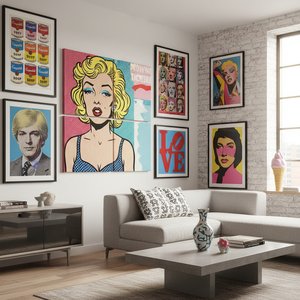
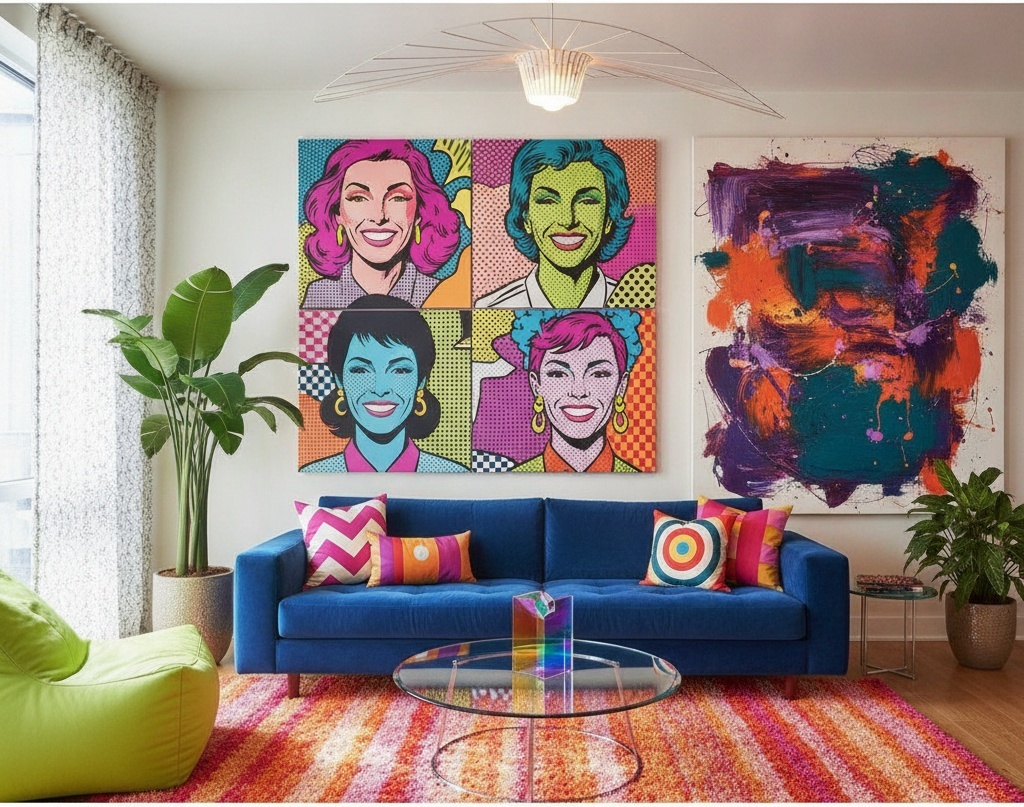
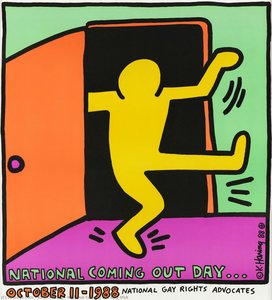
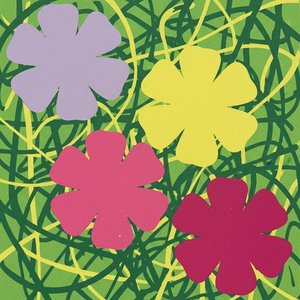
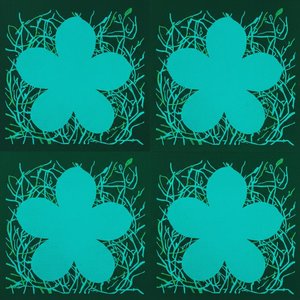
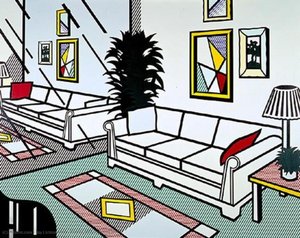
To understand the power of a high-impact space, one must look to the unapologetic legacy of Pop Art. Drawing inspiration from the electric energy of Warhol’s silk screens and the sharp, graphic punch of Lichtenstein’s comic-inspired aesthetics, this movement teaches us how to use iconic imagery as a focal point. Pop Art thrives on the familiar, taking elements of mass media, advertising, and street culture and elevating them into high art. In an interior setting, these works act as conversation starters, injecting a sense of playfulness and cultural literacy into even the most serious architectural layouts.
The secret to mastering this vibe lies in the strategic use of primary colors and heavy outlines. A single, vibrant print featuring bold, saturated hues can anchor an entire room, providing a visual weight that pulls disparate furniture pieces together. This style celebrates the graphic edge—the ability of a well-placed piece of art to act as a lightning rod for the eyes. Whether it is a nod to retro street art or a contemporary digital graphic, the goal is to create a sense of "visual noise" that is controlled, intentional, and undeniably cool. It is about embracing the loud, the bright, and the bold to ensure your space never feels stagnant.
Abstract Flow: Creating Zen through Geometric Shapes and Dynamic Textures
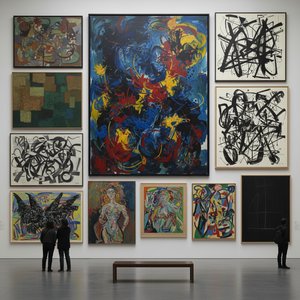
While Pop Art provides the punch, Abstract art provides the flow. If Pop Art is the heartbeat of a room, Abstract expressionism is its breath. For those seeking a "chill zone" that balances high energy with deep relaxation, abstract prints offer a sophisticated way to introduce movement without the literalness of figurative imagery. Through the use of geometric shapes, sweeping lines, and layered textures, abstract works create a sense of depth that invites the eye to wander. This prevents a room from feeling flat or static, instead fostering an atmosphere of continuous discovery.
The magic of abstraction lies in its ability to harmonize contrasting elements. A piece featuring sharp, angular geometries can provide structure to a soft, plush seating area, while fluid, organic shapes can soften the hard edges of modern industrial furniture. We see this most effectively when textures are emphasized—the illusion of thick, impasto brushstrokes or the sleekness of metallic finishes in a print can add a tactile dimension to a visual medium. By focusing on composition and rhythm rather than subject matter, you can curate a space that feels both intellectually stimulating and profoundly tranquil.
Curating the Vibe: How to Mix Street Art Vibes with Modern Minimalist Interiors
The most sophisticated modern interiors are rarely monochromatic or singular in style; they are masterclasses in eclectic tension. The current trend forecast suggests a move toward "maximalist minimalism," where a clean, streamlined architectural backdrop serves as the perfect canvas for high-contrast art. Imagine a room with sleek, low-profile furniture and a neutral palette, suddenly interrupted by a large-scale piece of street-inspired art or a vibrant, neon-hued graphic print. This juxtaposition creates a tension that is both modern and incredibly inviting.
Achieving this balance requires a careful eye for scale and color coordination. You don't want the art to compete with the furniture, but rather to complete it. One effective strategy is to use your art to pull colors from your textiles—perhaps a subtle blue in a rug finds its loud, expressive counterpart in an abstract print on the wall. This creates a cohesive visual narrative that feels curated over time rather than bought in a single afternoon. By blending the raw, gritty energy of street aesthetics with the polished lines of modern design, you create a space that feels both edgy and expensive.
The Statement Piece Strategy: From Single Prints to Multi-Panel Masterpieces
When it comes to transforming a space, the scale of your art is just as important as its subject. A common mistake in home styling is choosing pieces that are too small for the wall they inhabit, which can make a room feel cluttered rather than curated. The "Statement Piece Strategy" focuses on using large-format works to define the architecture of a room. This could be a singular, massive canvas that commands the entire living area, or more innovatively, the use of multi-panel layouts. Splitting a single, high-impact image across three, four, or even five panels creates a sense of movement and architectural grandeur that a single frame simply cannot achieve.
Multi-panel installations are particularly effective in modern, open-concept living spaces, where they can act as visual dividers between different functional zones. This technique allows you to wrap art around corners or across wide staircases, turning the very structure of your home into part of the art experience. Whether you are opting for a single, heavy-hitting graphic print or an expansive, multi-part abstract installation, the goal remains the same: to use art as a tool for spatial transformation. By thinking in terms of scale and layout, you move beyond mere decoration and begin to engineer an environment that is truly unforgettable.