
The Power of the Press: Why Graphic Art Hits Harder Than Traditional Canvas
In a world saturated with fleeting digital imagery, there is an undeniable, visceral punch that only graphic art can deliver. While traditional oil paintings often invite a quiet, contemplative reverence, lithography and graphic prints demand immediate attention. They don't just sit on a wall; they command the room. This high-impact energy stems from the very nature of the medium—the ability to utilize saturated, unapologetic colors and razor-sharp lines that bypass the subtlety of a brushstroke to strike directly at the viewer's visual cortex. For the modern urban professional, art is an extension of identity, a bold statement of presence, and graphic art provides the ultimate toolkit for this self-expression.
The magic lies in the tension between the mechanical and the manual. Unlike the soft, blended transitions of a classical landscape, graphic works thrive on contrast. Whether it is the heavy, rhythmic ink of a woodcut or the slick, industrial precision of a modern print, these works possess a structural integrity that feels architectural. They provide a foundation for contemporary interiors, acting as the visual anchor in a space defined by clean lines and high-concept design. When you choose a piece rooted in graphic tradition, you aren't just decorating; you are installing a concentrated dose of visual adrenaline.
Iconic Layers: From Warhol’s Pop Revolution to Street Art Legacies
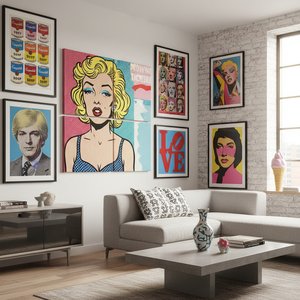
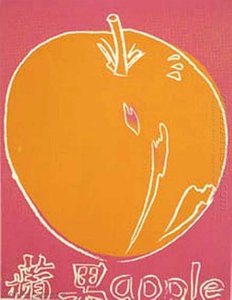
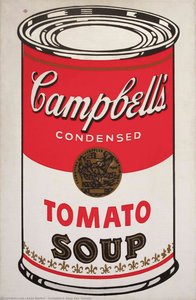
To understand the gravity of modern graphic art, one must look at the seismic shifts caused by the icons who weaponized the print medium. The Pop Art movement, led by the likes of Andy Warhol and Roy Lichtenstein, fundamentally rewrote the rules of what was considered "worthy" of a gallery. By utilizing techniques like silk-screening and dot-patterned lithography, these artists bridged the gap between high culture and mass production. Warhol’s ability to take the mundane—a soup can or a celebrity portrait—and elevate it through repetitive, vibrant layering transformed the print into a mirror of our consumerist reality. It was a revolution of accessibility and impact.
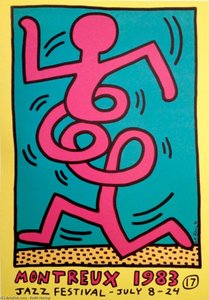
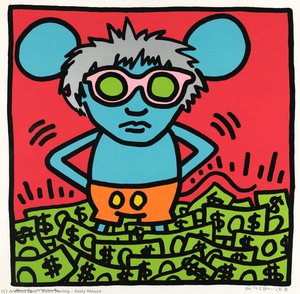
This lineage flows directly into the streets. The energy of Neo-Pop and street art, exemplified by the legendary Keith Haring, took the graphic language of the poster and the stencil and infused it with a raw, kinetic pulse. Haring’s work, much like his "Andy Mouse" concept, blends commercial iconography with a subversive, rhythmic line that feels both playful and urgent. This evolution has created a continuous loop of influence where the boundaries between fine art, advertising, and street culture are permanently blurred. For the collector today, owning a piece within this lineage means owning a fragment of a living, breathing cultural dialogue.
Mastering the Medium: Decoding Lithography, Woodcut, and Digital Impact
Beneath the surface of these striking visuals lies a complex world of technical mastery. Each medium carries its own unique "soul" and tactile signature. The woodcut, for instance, is an art of subtraction and resistance. As seen in historical works like those from the Calcutta Art Studio or the intricate designs of Chiura Obata, the woodblock process leaves behind a rugged, organic texture. There is a beautiful imperfection in the way ink meets grain, creating a sense of depth and history that feels grounded and ancient, even when the subject matter is modern.
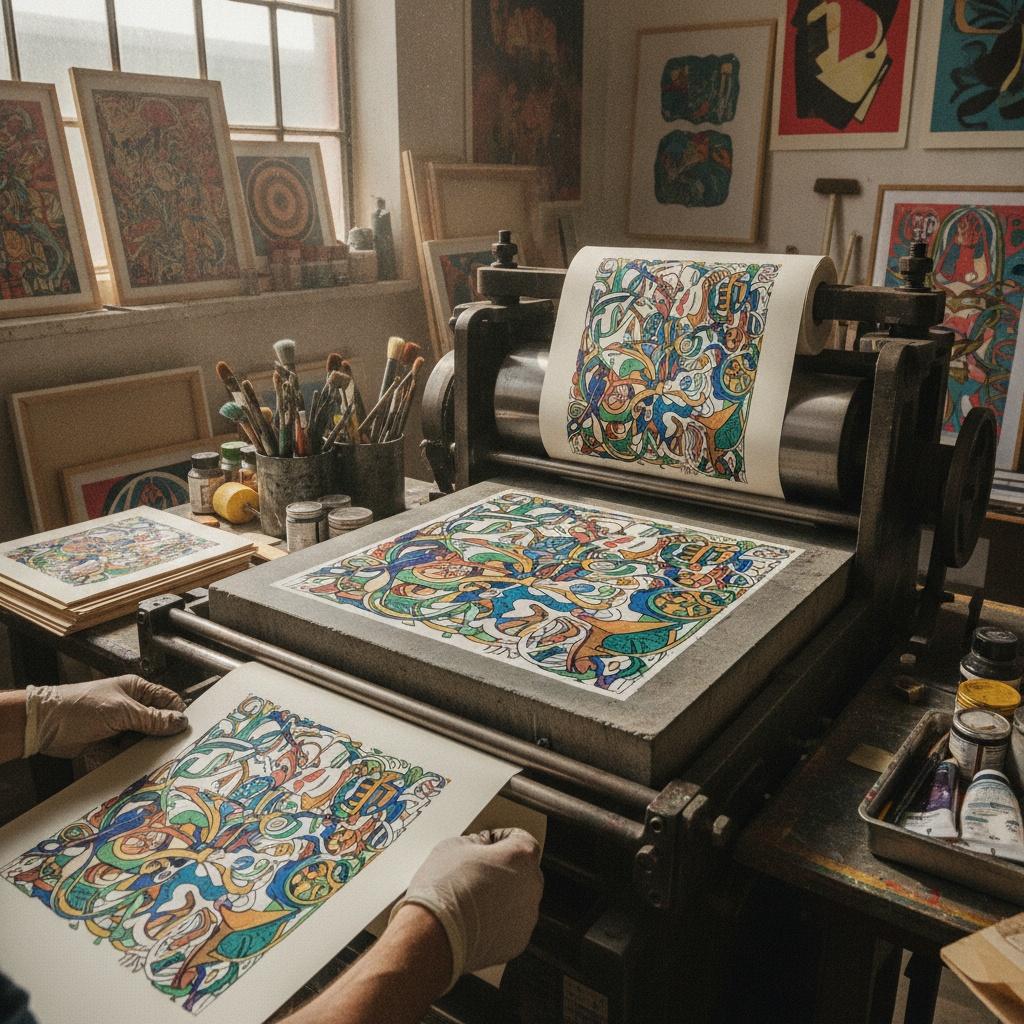
Lithography offers a different kind of sophistication, relying on the chemical repulsion between oil and water to create smooth gradients and incredibly fine detail. It allows for a fluid, painterly quality within a printed format, capable of capturing everything from the delicate textures of a peacock design to the heavy, saturated blocks of color found in mid-century graphic posters. In our contemporary era, this has expanded into the digital realm, where technology like high-end inkjet printing and digital layering allows for a level of precision and color depth that was previously unimaginable. The modern collector navigates a spectrum ranging from the textured, physical bite of the woodblock to the hyper-clean, luminous perfection of the digital print.
Curating Your Vibe: A Buyer's Guide to High-Contrast Graphic Prints
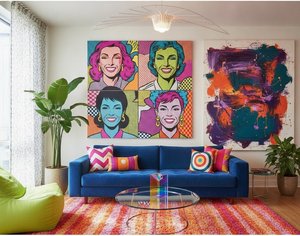
Entering the world of graphic art collecting requires a shift in mindset: stop looking for what is "pretty" and start looking for what is "powerful." The key to a successful collection lies in curation through visual impact. When selecting pieces, consider the role of color as a structural element. A high-contrast print featuring primary colors can serve as a focal point in a minimalist room, while more muted, monochromatic graphic works can add sophisticated texture to a complex, layered interior.
Look for works that offer "visual weight." This could be achieved through heavy black outlines, reminiscent of Lichtenstein, or through the use of bold, geometric shapes similar to the abstract Pop designs of Peter Phillips. Don't be afraid to mix eras; a 1960s-style poster design can sit seamlessly alongside a contemporary digital abstraction if they share a common language of intensity. The goal is to create a cohesive atmosphere that feels curated, not merely decorated. Think of your walls as a gallery of your own tastes, where every print contributes to a larger, high-energy narrative.
The Collector's Edge: Investing in Bold Visual Identity and Limited Runs
For the discerning buyer, the true value of graphic art lies in its ability to define a personal brand. In an age of mass-produced decor, seeking out limited editions and artist-driven prints provides a sense of exclusivity and permanence. While the medium is rooted in reproducibility, the scarcity of certain runs or the unique hand-finished elements—such as an artist painting over a Giclée print to add impasto texture—elevates a piece from a mere image to a collectible object.
Investing in graphic art is an investment in cultural literacy. By acquiring works that reference the legends of Pop, Street, and Abstract movements, you are building a collection that possesses both aesthetic punch and historical resonance. Whether it is a vibrant tribute to the era of Warhol or a cutting-edge digital creation, these pieces serve as lasting legacies of a bold, contemporary lifestyle. As you build your collection, remember that the most impactful art is that which refuses to be ignored, much like the person who chooses to hang it.
Discover more high-impact masterpieces and transform your space with curated excellence at ArtsDot.com.