Introduction
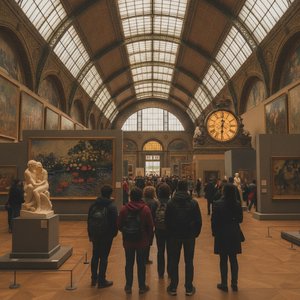
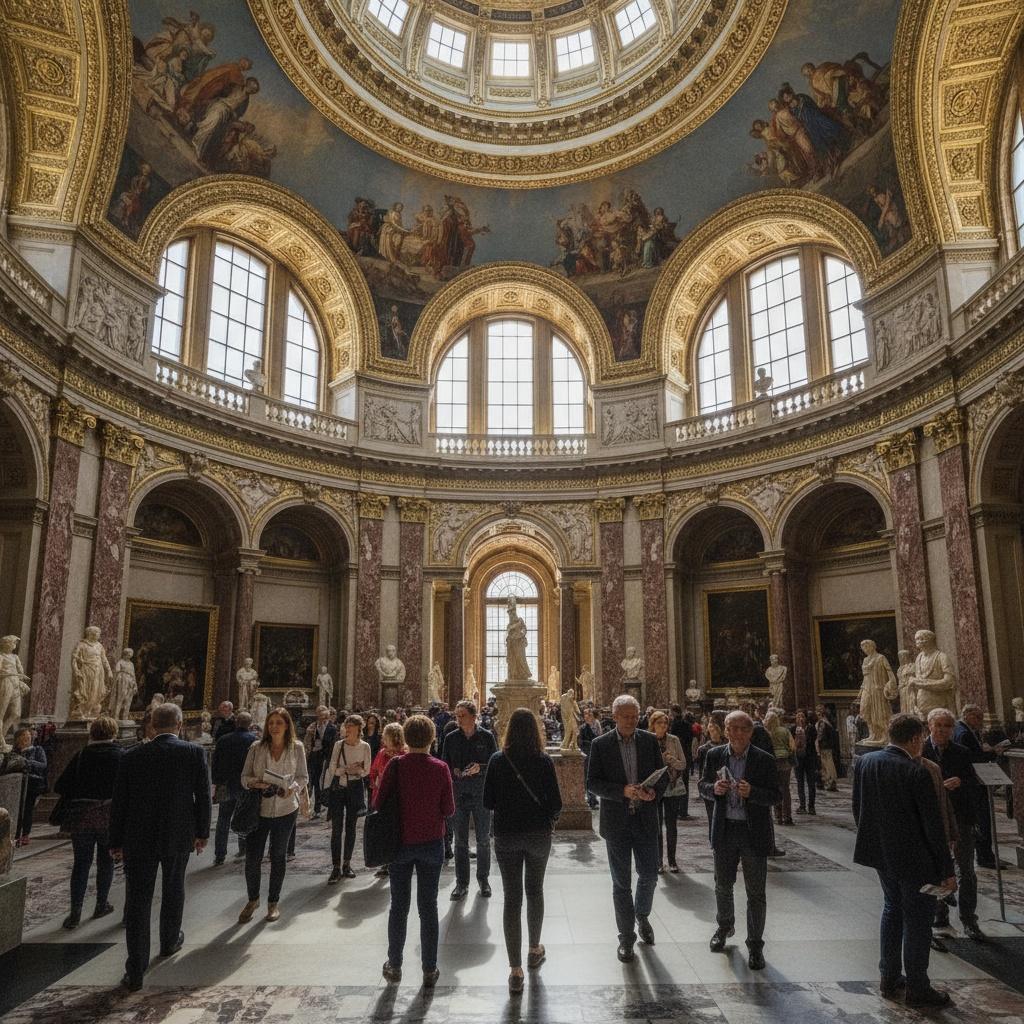
Stepping into the Kunsthistorisches Museum in Vienna is less like entering a gallery and more like walking into the very heart of European artistic ambition. The sheer scale of Gottfried Semper’s design—a monumental tribute to Roman grandeur—immediately pulls you into a world where architecture and art breathe as one. This isn't just a repository for the past; it is a living, breathing dialogue between centuries of human genius.
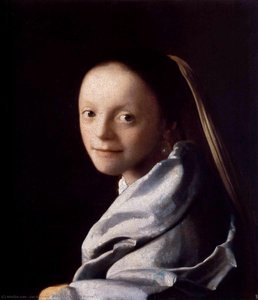
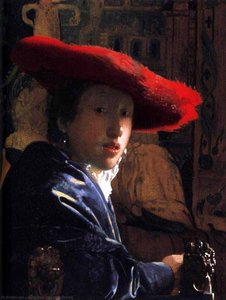
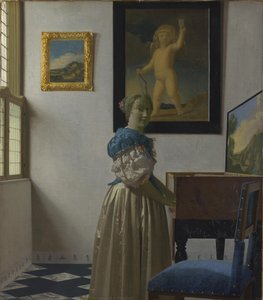
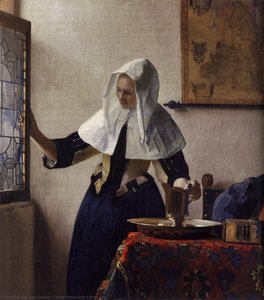
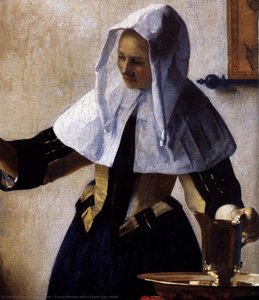
Within these grand, echoing halls, the heavyweights of art history command the room. You can almost feel the weight of the Habsburg legacy in every corridor, where the hyper-focused precision of Vermeer meets the profound, psychological depth of Rembrandt . These works are more than just historical artifacts; they are the original masters of visual impact, setting the stage for how we perceive light, shadow, and the human experience today.
In a modern world of rapid-fire digital imagery, there is something deeply magnetic about the physical presence of these masterpieces. The texture of the oil, the deliberate stroke of the brush, and the enduring power of their compositions offer a sense of permanence that transcends time. They remain vital because they are the blueprints for all visual storytelling that followed.
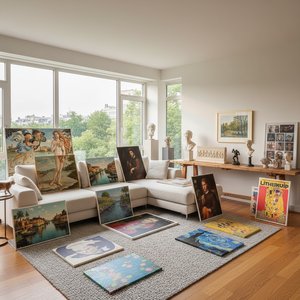
Prepare to journey through a curated selection of the most iconic pieces in the collection. We are diving into the top 25 artworks that define the Kunsthistorisches Museum—the essential, high-impact works that continue to captivate, challenge, and inspire every viewer who walks through these doors.
Adoration of the Trinity (Landauer Altar) - Albrecht Dürer
 Adoration of the Trinity (Landauer Altar) - Albrecht Dürer
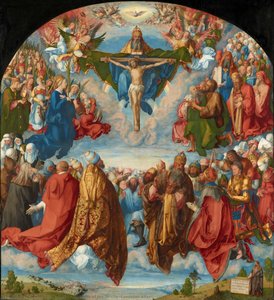
Imagine standing before a monumental window into the divine, where the sheer scale of Albrecht Dürer’s Adoration of the Trinity commands your entire field of vision. Before you even process the intricate details, you feel the weight of history—a massive, golden-hued epic that breathes with the vibrant spirit of Renaissance Nuremberg.
This masterpiece, commissioned by Matthias Landauer, is a breathtaking social tapestry. Dürer brilliantly fuses Northern precision with the airy, light-drenched perspective of Venice, populating this sacred scene with an incredible spectrum of humanity: from powerful popes and emperors to humble peasants at work. It earns its place among the top 25 artworks in the Kunsthistorisches Museum, Vienna because it transcends mere religious iconography; it is a profound celebration of human connection across all social strata.
In an age of fleeting digital images, encountering such layered, permanent storytelling offers a rare moment of stillness, proving that truly great art can transform any modern environment into a sanctuary of deep, historical meaning.
Portrait of a Young Venetian Woman - Albrecht Dürer
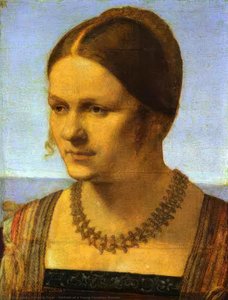 Portrait of a Young Venetian Woman - Albrecht Dürer
What story does the soft, atmospheric shadow behind Albrecht Dürer’s Portrait of a Young Venetian Woman tell? It whispers of a legendary cultural collision—the moment Northern European precision met the luminous, hazy grace of the Italian Renaissance. Created during Dürer’s transformative second journey through Italy, this masterpiece is a cornerstone of the top 25 artworks in the Kunsthistorisches Museum, Vienna , marking a pivotal shift where meticulous detail began to breathe with Venetian light. As you gaze upon the subtle modeling of her skin and the rich, warm ochres of her attire, the subject’s melancholic, averted gaze pulls you into a private world of quiet introspection. In an era of digital noise, integrating such a piece into your home decor offers a curated escape; it is more than mere art—it is a window into a serene, historical sanctuary that brings a sense of timelessness and soulful depth to any modern interior.
Peasant wedding - Pieter Bruegel the Elder
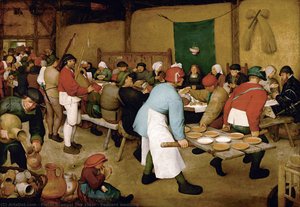 Peasant wedding - Pieter Bruegel the Elder
Acquiring "Peasant Wedding" by Pieter Bruegel the Elder represents far more than a mere aesthetic choice; it is a profound investment in a storied artistic legacy and a testament to refined taste. As a cornerstone of the Kunsthistorisches Museum, Vienna , this masterpiece commands its position among the world's top 25 artworks through its unparalleled ability to freeze the raw, vibrant pulse of 16th-century Flemish life.
Bruegel’s composition is a sensory feast, where earthy ochres, deep browns, and muted reds weave together a narrative of communal joy and social complexity. The meticulous detail—from the texture of rough wooden beams to the subtle glint of pottery—offers a window into the Northern Renaissance that remains as captivating today as it was in 1568. For the modern collector, the true power of this work lies in its versatility; a high-quality reproduction carries the same aesthetic authority and historical weight, serving as a commanding centerpiece that anchors contemporary luxury interiors with an unmistakable sense of prestige and timelessness.
Summer 1 - Giuseppe Arcimboldo
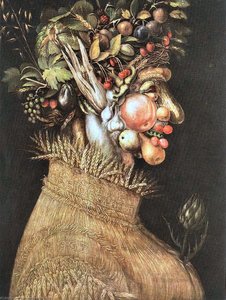 Summer 1 - Giuseppe Arcimboldo
Summer 1 by Giuseppe Arcimboldo hits you with an immediate, surreal shock. At first glance, you see a face; look closer, and you’re lost in a hyper-detailed mosaic of ripe plums, golden wheat, and bursting cherries. There is something deeply unsettling yet mesmerizing about this gaze, hidden beneath the weight of a bountiful harvest.
As one of the most iconic pieces among the top 25 artworks in Kunsthistorisches Museum, Vienna , it serves as a psychological mirror, reflecting the beautiful tension between life’s peak vitality and its inevitable decay. The dramatic interplay of light and shadow across the textured fruits creates a visceral, sensory experience that transcends time.
Bringing the energy of this Mannerist masterpiece into your own space can transform a modern interior into a sanctuary for profound reflection, where the boundary between humanity and the natural world completely dissolves.
The Hunters in the Snow (Winter) - Pieter Bruegel the Elder
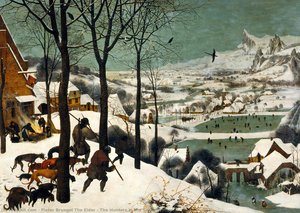 The Hunters in the Snow (Winter) - Pieter Bruegel the Elder
The lines in The Hunters in the Snow by Pieter Bruegel the Elder aren’t merely drawn; they are choreographed . This isn't just a landscape; it is a dance frozen in time . Within this iconic piece from the Kunsthistorisches Museum, Vienna, Bruegel captures the biting chill of the Little Ice Age through a masterclass in visual rhythm. A heavy diagonal of weary hunters and dogs pulls your gaze across the frost-bitten foreground, leading you toward the distant, hazy pulse of a village alive with skaters and movement. Through brilliant atmospheric perspective, the mountains dissolve into a cold, blue infinity, creating a sense of scale that is nothing short of cinematic. It is a breathtaking study in how to make environmental chaos feel like absolute harmony. What if your own space could hold that same structural balance? What if your walls could breathe rhythm just like this 16th-century masterpiece?
The Tower of Babel - Pieter Bruegel the Elder
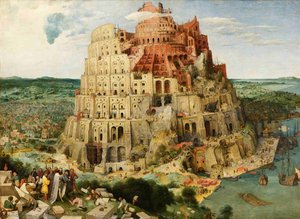 The Tower of Babel - Pieter Bruegel the Elder
Securing a piece as monumental as The Tower of Babel by Pieter Bruegel the Elder is an unparalleled investment in both artistic legacy and refined taste. As a definitive highlight among the top 25 artworks in Kunsthistorisches Museum, Vienna , this 1563 masterpiece holds immense cultural prestige, representing the pinnacle of Northern Renaissance technical mastery. Bruegel’s intricate layering of glazes and his dramatic use of light create a dizzying, atmospheric landscape of human ambition that has captivated collectors for centuries.
The painting's enduring influence on the evolution of landscape art ensures its status as a high-value icon in the global art market. Beyond its historical significance, the work offers a profound architectural gravity that resonates perfectly within modern luxury interiors . A high-quality, hand-painted oil reproduction captures this same commanding presence, allowing design-conscious collectors to infuse their spaces with the unmistakable aesthetic authority and timeless status of a true museum masterpiece.
Judith with the head of Holofernes - Lucas Cranach the Elder
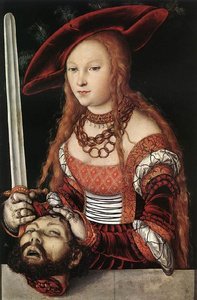 Judith with the head of Holofernes - Lucas Cranach the Elder
The lines in Judith with the head of Holofernes by Lucas Cranach the Elder aren’t drawn; they are choreographed . This is not just a composition; it is a dance frozen in time , where the brutal climax of a biblical legend meets an almost unsettling serenity. As you encounter this Northern Renaissance masterpiece within the Kunsthistorisches Museum, Vienna, you are struck by the visceral tension between the smooth, luminous skin of Judith and the grim, textured reality of Holofernes’ severed head. Cranach employs a palette of deep, warm reds and dramatic, directional lighting to pull the viewer into the psychological weight of the moment. The verticality of the piece reinforces Judith's commanding presence, turning a scene of violence into one of profound, quiet authority. It is a work that manages to make chaos feel like harmony, inviting us to contemplate the heavy cost of courage and faith through every precise, masterful stroke.
Lucretia - Paolo Veronese
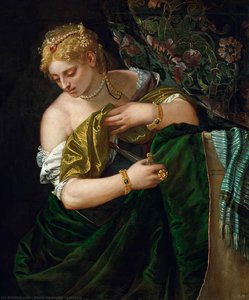 Lucretia - Paolo Veronese
Looking closely at Lucretia by Paolo Veronese, one is immediately captivated by the heavy, luminous texture of the Venetian silks and the brilliant, sharp highlights dancing across her intricate jewelry. Veronese’s revolutionary use of oil glazes creates a palpable depth, where the dramatic interplay of light and shadow—the signature chiaroscuro—bestows a lifelike, three-dimensional presence upon the subject. This technical mastery is exactly what secures its place among the top 25 artworks in Kunsthistorisches Museum, Vienna . The way his brushwork captures both the staggering opulence of the Renaissance and a profound, quiet melancholy is truly unparalleled. At ArtsDot, our mission is to preserve this tactile, three-dimensional quality for the modern connoisseur. Through our high-end reproductions, we ensure that the rich, layered textures and the soulful intensity of Veronese’s original masterpiece are translated into a physical experience that brings the grandeur of Vienna directly into your home.
Christ Carrying the Cross - Pieter Bruegel the Elder
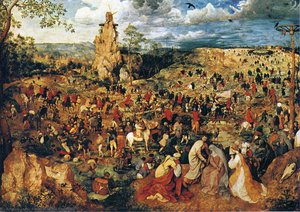 Christ Carrying the Cross - Pieter Bruegel the Elder
Did you know Bruegel could hide a divine tragedy inside a crowded street market? In Christ Carrying the Cross , the central figure is nearly swallowed by the sheer, kinetic energy of 16th-century Flanders. It’s a masterclass in visual density and a true standout among the top 25 artworks in the Kunsthistorisches Museum, Vienna . Instead of a lonely, dramatic spotlight, Bruegel uses a palette of earthy ochres and sudden, striking reds to weave Christ into a chaotic tapestry of peasants, horses, and bustling commerce. This isn't just religious art; it's a cinematic wide shot of humanity, blending the sacred with the gritty reality of everyday life. The technical genius lies in this layered perspective—where every tiny figure adds to the overwhelming scale. Integrating this level of intricate, high-impact storytelling into your decor is a total power move. This piece provides the perfect visual anchor to inspire deep focus and a sophisticated, intellectual atmosphere in a modern home office or study.
Pathway in Monet's Garden at Giverny - Claude Monet
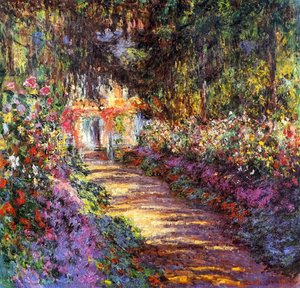 Pathway in Monet's Garden at Giverny - Claude Monet
There’s a gaze in "Pathway in Monet's Garden at Giverny" by Claude Monet that follows you—not with judgment, but with understanding . This isn’t just a landscape; it’s a mirror . Its place among the top 25 artworks in the Kunsthistorisches Museum, Vienna, is a testament to its power to make the invisible visible.
As you encounter this 1902 masterpiece, the winding path pulls you into a world of sun-drenched pinks, deep purples, and molten golds. Monet’s thick, expressive brushstrokes create a tactile energy, where light doesn't just hit the canvas—it vibrates through the very texture of the oil. The scene captures that fleeting, magical moment of a Giverny sunset, turning a garden stroll into an immersive sensory experience. Now, imagine that vibrant glow in your own space. Not watching you, but reminding you : you are seen. You are part of this living, breathing story of color and light.
Miracle of St. Ignatius of Loyola - Peter Paul Rubens
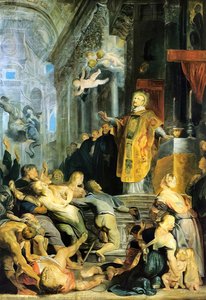 Miracle of St. Ignatius of Loyola - Peter Paul Rubens
Imagine the heavy silence of a cathedral suddenly shattered by a divine, blinding light. In Miracle of St. Ignatius of Loyola , Peter Paul Rubens delivers a cinematic explosion of Baroque energy that commands the room. This isn't just art; it is a visceral experience of movement and faith.
The composition is a masterclass in drama, where deep, burnished golds and intense crimsons collide with sharp, dramatic shadows. You can almost sense the palpable tension among the figures, their faces etched with desperation and awe, caught in a swirling dance of light and shadow. As one of the most powerful entries among the top 25 artworks in 'Kunsthistorisches Museum, Vienna' , Rubens uses every brushstroke to evoke the spiritual fervor of the Counter-Reformation.
Integrating such a high-impact masterpiece into a modern interior offers more than just decoration; it provides a focal point of profound emotional depth. The painting’s rhythmic energy and rich textures can transform a contemporary space into a gallery of storytelling and historical grandeur.
Children's Games - Pieter Bruegel the Elder
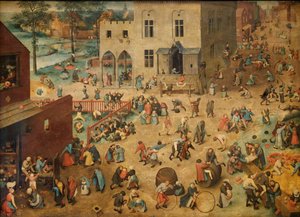 Children's Games - Pieter Bruegel the Elder
Stepping before Pieter Bruelar the Elder’s Children's Games in Vienna’s Kunsthistorisches Museum, one is immediately swept into a whirlwind of 16th-century Flemish vitality. This isn't merely a depiction of play; it is a sprawling, rhythmic tapestry of human connection. Through a dense, masterful composition, Bruegel captures the exuberant energy of childhood—from the focused precision of hoop rolling to the precarious joy of stilt walking. The palette, rich with earthy ochres and sudden, spirited bursts of crimson and azure, breathes warmth into the rustic village setting. Every inch of the panel vibrates with life, inviting the viewer to lose themselves in the intricate social choreography of the Northern Renaissance. To surround yourself with such a masterpiece is to invite more than just history into your home; it is to capture a moment of pure, unadulterated innocence, transforming a modern space into a profound gallery of the soul.
Stormy Landscape - Peter Paul Rubens
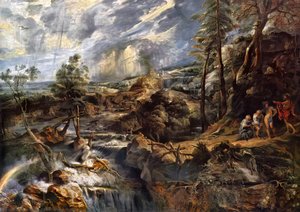 Stormy Landscape - Peter Paul Rubens
The lines in Stormy Landscape by Peter Paul Rubens aren’t merely drawn; they are choreographed . This is not just a composition; it is a dance frozen in time , where the raw power of a cascading waterfall meets the heavy, atmospheric tension of an impending storm. Within the Kunsthistorisches Museum, this masterpiece stands as a tribute to its ability to make chaos feel like harmony.
Rubens utilizes masterful chiaroscuro to sculpt rugged cliffs and churning water, while thick, impasto brushstrokes lend a tactile depth that makes the canvas pulse with life. Amidst a palette of cool blues and deep ochres, a subtle rainbow emerges—a flicker of divine promise cutting through the turbulence. What if your own space could hold this same electric balance? This work invites you to discover a world where nature’s wildness meets profound, rhythmic beauty.
Susanna and the Elders - Jacopo Tintoretto
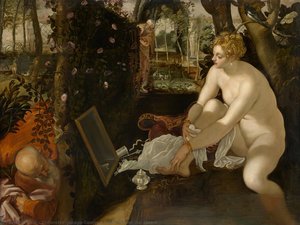 Susanna and the Elders - Jacopo Tintoretto
There’s a gaze in "Susanna and the Elders by Jacopo Tintoretto" that follows you—not with judgment, but with understanding . This isn’t a portrait; it’s a mirror . Its spot in the Top 25 of the Kunsthistorisches Museum is a testament to its power to make the invisible visible.
Within this masterwork, the tension is palpable. You feel the weight of the elders' predatory stares clashing against Susanna’s soft, luminous skin. Tintoretto, famously known as "Il Furioso," utilizes dramatic chiaroscuro to pull you into a lush, shadowed garden where morality hangs in the balance. His swift, energetic brushstrokes dance across the canvas, capturing the raw texture of damp foliage and shimmering water, creating an atmosphere that is both intimate and intensely theatrical.
Now, imagine that gaze in your space. Not watching you, but reminding you : you are seen. You are part of the story.
Jupiter and Io - Antonio Allegri da Correggio
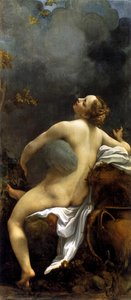 Jupiter and Io - Antonio Allegri da Correggio
Securing a masterpiece like Jupiter and Io by Antonio Allegri da Correggio is an ultimate power move for the discerning collector, representing a profound investment in artistic legacy and refined taste. As one of the crown jewels within the Kunsthistorisches Museum, Vienna, this 1531 triumph stands as a cornerstone of High Renaissance innovation. Its historical significance is unmatched, bridging the gap between classical myth and the visceral emotion of the Baroque era. The way Correggio manipulates chiaroscuro , allowing luminous, soft skin tones to emerge from deep, atmospheric shadows, creates a visual tension that has cemented its status among the world's most valuable artistic treasures.
For today's design-conscious professional, bringing this level of prestige into a modern luxury interior is about establishing aesthetic authority. A high-quality, hand-painted reproduction captures that same breathtaking depth and luminous texture, serving as a high-impact focal point that commands any contemporary space with timeless, quiet prestige.
The Large Forest - jacob isaackszoon van ruisdael
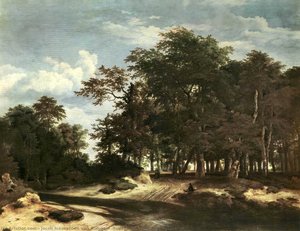 The Large Forest - jacob isaackszoon van ruisdael
Imagine standing before a window into a wild, untouched world, where the air feels heavy with the scent of damp earth and ancient moss. This profound sense of immersion is exactly what you encounter when facing The Large Forest by Jacob van Ruisdael . As a titan of the Dutch Golden Age, Ruisdael elevated landscape painting from mere background scenery to a powerful, psychological medium. This masterpiece earns its place among the top 25 artworks in the Kunsthistorisches Museum for its masterful command of atmospheric perspective and naturalistic detail.
The composition draws you down a winding path, guided by soft, diffused light filtering through a dense canopy. Ruisdael’s textured brushwork brings the rough bark and lush, muted greens to life, while a solitary figure provides a haunting sense of scale against the forest's vastness. It is more than a landscape; it is an emotional journey that continues to transform modern spaces with its quiet, enduring strength.
Madonna del Rosario (detail) - Caravaggio
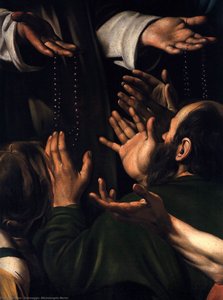 Madonna del Rosario (detail) - Caravaggio
What story does the impenetrable darkness surrounding Caravaggio’s Madonna del Rosario (detail) tell? It tells a tale of raw, unpolished reality. Emerging from the height of the Baroque era, Caravaggio shattered the polished, idealized traditions of his contemporaries. Instead of presenting divine perfection, he thrust the grit of everyday life—merchants and laborers—into the spotlight, bathed in a sudden, violent burst of light. This masterful use of tenebrism is precisely why this piece is essential among the top 25 artworks in Kunsthistorisches Museum, Vienna ; it represents a cinematic revolution where shadow meets soul.
For the modern collector, this painting offers a profound atmospheric escape. The high-contrast interplay of radiant light and deep, swallowing shadows creates a powerful anchor for contemporary interiors, bringing a sense of historical prestige and a moody, quiet intensity that transforms any room into a curated sanctuary of mystery.
The Fight between Carnival and Lent - Pieter Bruegel the Elder
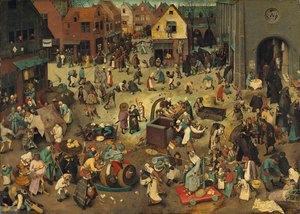 The Fight between Carnival and Lent - Pieter Bruegel the Elder
Zoom in on The Fight between Carnival and Lent , and you can almost feel the pulse of 1559 through Bruegel’s masterful oil application. The texture is a sensory overload; the heavy, layered paint captures the greasy, indulgent energy of the Carnival side against the somber, muted shadows of the Lenten procession. Bruegel revolutionized the Northern Renaissance by ditching stiff religious icons for this high-impact, panoramic "world landscape," where every visible brushstroke documents a different human emotion—from drunken revelry to pious restraint.
This isn't just a flat image; it is a cinematic clash of textures and tones that defines the legendary collection at the Kunsthistorisches Museum. At ArtsDot.com , our mission is to preserve this exact tactile, three-dimensional quality for your modern space. Our hand-painted oil reproductions don't just mimic the colors; they recreate the physical depth and heavy impasto of Bruegel’s original technique, bringing that unmistakable Renaissance energy directly into your home.
Kardinal Niccolò Albergati (?) - Jan van Eyck
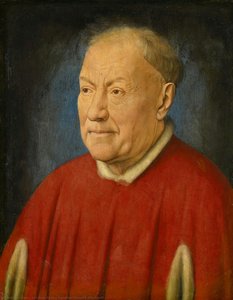 Kardinal Niccolò Albergati (?) - Jan van Eyck
There is a gaze in Kardinal Niccolò Albergati (?) by Jan van Eyck that follows you—not with judgment, but with understanding . As you wander through the grand halls of the Kunsthistorisches Museum, Vienna, searching for the world's top 25 artworks, this encounter demands a moment of stillness. This isn’t merely a portrait; it is a mirror . Through Van Eyck’s revolutionary mastery of oil, the vibrant, heavy crimson of the Cardinal’s robes and the profound, atmospheric blue of the background achieve a lifelike luminosity that feels almost tactile. Every meticulous brushstroke captures the weight of history and the dignity of the subject. Now, imagine that gaze in your own space. It does not watch you; it reminds you : you are seen. You are part of the story.
Three Philosophers - Giorgione
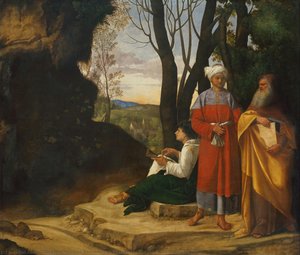 Three Philosophers - Giorgione
Imagine stepping into a heavy, silent mist where the air feels thick with secrets and ancient wisdom. Before you, the world blurs at the edges, caught in a dreamlike haze that makes time feel irrelevant. In Giorgione’s Three Philosophers , a profound stillness takes hold. Clad in striking crimson robes that pierce through an earthy palette of ochre and umber, these figures stand anchored against a rugged, weathered cliffside. Whether they are debating science, art, or the mysteries of the universe, their silent conversation is palpable.
This masterpiece earns its place among the top 25 works in the Kunsthistorisches Museum because it transcends mere portraiture; it is an atmospheric experience. Through his revolutionary use of sfumato , Giorgione invites us to lose ourselves in the interplay of shadow and light. Integrating such a soulful, contemplative energy into a modern space provides a powerful visual anchor, offering a moment of quiet reflection amidst the chaos of contemporary life.
Jane Seymour, Queen of England - Hans Holbein the Younger
 Jane Seymour, Queen of England - Hans Holbein the Younger
In Hans Holbein the Younger’s Jane Seymour, Queen of England , the light doesn't just illuminate; it defines. There is a sharp, almost hyper-realistic clarity in how the light hits the textures of her attire, creating a high-contrast visual that feels incredibly modern. This mastery of illumination is exactly why this piece commands its spot among the top 25 artworks in Kunsthistorisches Museum, Vienna . Holbein bypasses heavy shadows for a crisp, photographic precision that captures every subtle fold and regal detail. It’s not just history; it’s a masterclass in visual impact. When you bring a high-quality reproduction of this level into a contemporary space, that interplay of light and shadow adds an unmatched layer of depth and architectural luxury to your walls. It’s the ultimate way to anchor a modern room with a piece that possesses both historical weight and a timeless, graphic edge.
Girl in a Fur - Titian Ramsay Peale II
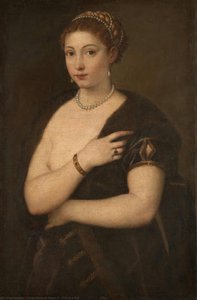 Girl in a Fur - Titian Ramsay Peale II
In the heavy-hitting lineup of the top 25 artworks in the Kunsthistorisches Museum, Vienna, Girl in a Fur by Titian Ramsay Peale II hits different. This isn't just a relic; it’s a masterclass in visual impact and texture. Peale II captures that raw, Venetian energy—the electric, tactile interplay between soft skin and the heavy, luxurious weight of a fur cloak.
The composition is pure drama. The glow of pearls and the sharp glint of gold rings serve as high-contrast markers of status, pulling you into a world of mystery and prestige. Her enigmatic gaze, directed somewhere out of frame, creates an irresistible tension that refuses to be ignored. This piece embodies how art liberates the soul; it doesn't just decorate a space—it transforms it into a gallery of the spirit, blending classical depth with a pulse that feels entirely modern.
The Conquest of Jerusalem by Emperor Titus - Nicolas Poussin
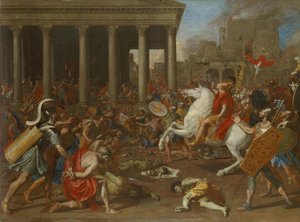 The Conquest of Jerusalem by Emperor Titus - Nicolas Poussin
In The Conquest of Jerusalem by Emperor Titus , Nicolas Poussin delivers a masterclass in cinematic chiaroscuro. The light doesn't just illuminate the scene; it slices through the battlefield, catching the sharp glint of Roman steel and the muscular tension of charging horses. This dramatic interplay of deep shadow and brilliant highlights is exactly why this piece commands its prestigious spot among the top 25 artworks in Kunsthelistorisches Museum, Vienna .
Poussin uses light to direct the chaos, transforming a historical conquest into a structured, high-impact visual narrative that has captivated connoisseurs for centuries. For the modern collector, bringing a reproduction of this intensity into a contemporary space offers more than just decor—it injects a layer of profound, moody luxury. The sophisticated use of shadow creates an incredible sense of architectural depth, making it the ultimate statement piece to elevate a minimalist loft or a design-conscious study with pure, historical prestige.
Diptych - Rogier van der Weyden
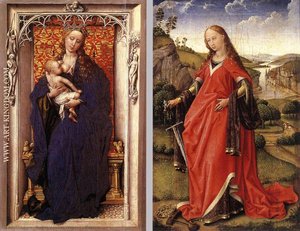 Diptych - Rogier van der Weyden
The Diptych by Rogier van der Weyden serves as a profound window into the spiritual heartbeat of the Northern Renaissance. As a standout among the top 25 artworks in the Kunsthistorisches Museum, Vienna , this piece commands attention through its technical mastery and emotional weight. Van der Weyden’s pioneering use of oil paint allows for an unprecedented luminosity, capturing the delicate textures of fabric and the poignant expressions of maternal devotion with breathtaking accuracy.
The juxtaposition of serene blues and striking scarlet robes invites us to reflect on the duality of human existence—the intersection of tenderness and strength. This miniature masterpiece transcends its era, offering a contemplative depth that continues to resonate today. In a modern curated collection, such a work acts as a powerful aesthetic anchor, bringing a sense of historical soul and quiet, sophisticated drama to any contemporary environment.
The Procession to Calvary [detail] - Pieter Bruegel the Elder
![The Procession to Calvary [detail]](/media/artworks/images/thumbnails/5c/99/5c9909a65fac4045bec3bb1335b4ab6c.jpg) The Procession to Calvary [detail] - Pieter Bruegel the Elder
The Procession to Calvary [detail] - Pieter Bruegel the ElderIn The Procession to Calvary [detail] by Pieter Bruegel the Elder , the composition operates through a complex, rhythmic geometry. Bruegel orchestrates a chaotic surge of humanity using sweeping diagonal lines that pull the viewer from the dense, textured foreground into the infinite depth of the Northern landscape. This structural harmony—a precise balance between the crowded, emotive masses and the vast, atmospheric openness of the horizon—is precisely what secures its place among the top 25 artworks in Kunsthistorisches Museum, Vienna .
There is a profound, enduring appeal in this tension. Much like the principles found in modern minimalist design, where intentional negative space grounds a bold subject, Bruegel uses scale and proportion to create a sense of stability amidst the frenzy. This equilibrium between intricate detail and expansive emptiness allows the piece to resonate with a contemporary aesthetic, offering a sophisticated, grounded focal point that feels as relevant in a sleek, modern loft as it does in a grand imperial gallery.
Conclusion
As the evening shadows stretch across the grand, echoing halls of the Kunsthistorisches Museum, we realize that these masterpieces are far more than mere historical treasures; they are the beating heart of our collective memory. The profound stillness of a Vermeer or the dramatic intensity of a Baroque canvas does not end at the museum's exit—it follows us into our streets, into our homes, and into the very way we perceive beauty in the everyday.
These works exist in an eternal, silent dialogue with the present, shaping our modern aesthetics and infusing our contemporary spaces with a sense of depth and soul. To encounter them is to touch the infinite, and to bring their essence into our own lives is to ensure that this magnificent artistic lineage continues to inspire, move, and transform generations to come. Explore the full collection and let these timeless echoes find a home within your own.