The Dawn of Impressionism: Challenging Academic Tradition
Impressionism was a 19th-century art movement characterized by visible brush strokes, open composition, emphasis on accurate depiction of light in its changing qualities (often accentuating the effects of the passage of time), ordinary subject matter...
The mid-19th century art world was a realm governed by rigid rules, steeped in tradition and the authority of institutions like the French Academy. Historical narratives, mythological scenes, and portraits of the elite were prized above all else. But beneath this polished surface, a quiet rebellion was brewing. A group of young artists, dissatisfied with the constraints imposed upon them, began to seek new ways of seeing – and representing – the world. They weren’t interested in grand pronouncements or moralizing tales; their focus lay instead on capturing the fleeting beauty of everyday life, the ephemeral qualities of light and atmosphere, and the subjective experience of perception. This nascent movement, initially derided as radical and unfinished, would come to be known as Impressionism.
The seeds of this revolution were sown in the studios of artists like Édouard Manet, whose works, though not strictly Impressionist, challenged conventional notions of form and subject matter. His Le Déjeuner sur l'herbe (Luncheon on the Grass), rejected by the Salon for its frank depiction of contemporary life and unconventional composition, signaled a break from academic norms. The rejection itself became a catalyst, prompting artists to seek alternative venues for exhibiting their work – independent salons that would become crucial platforms for showcasing their evolving style. This spirit of independence was fundamental to the Impressionist ethos; they were determined to forge their own path, even in the face of harsh criticism and public scorn.
En Plein Air: Painting the Ephemeral Effects of Light and Atmosphere
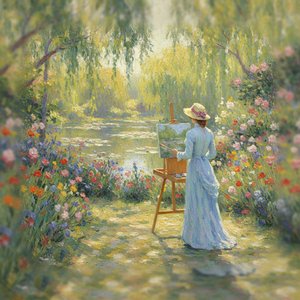
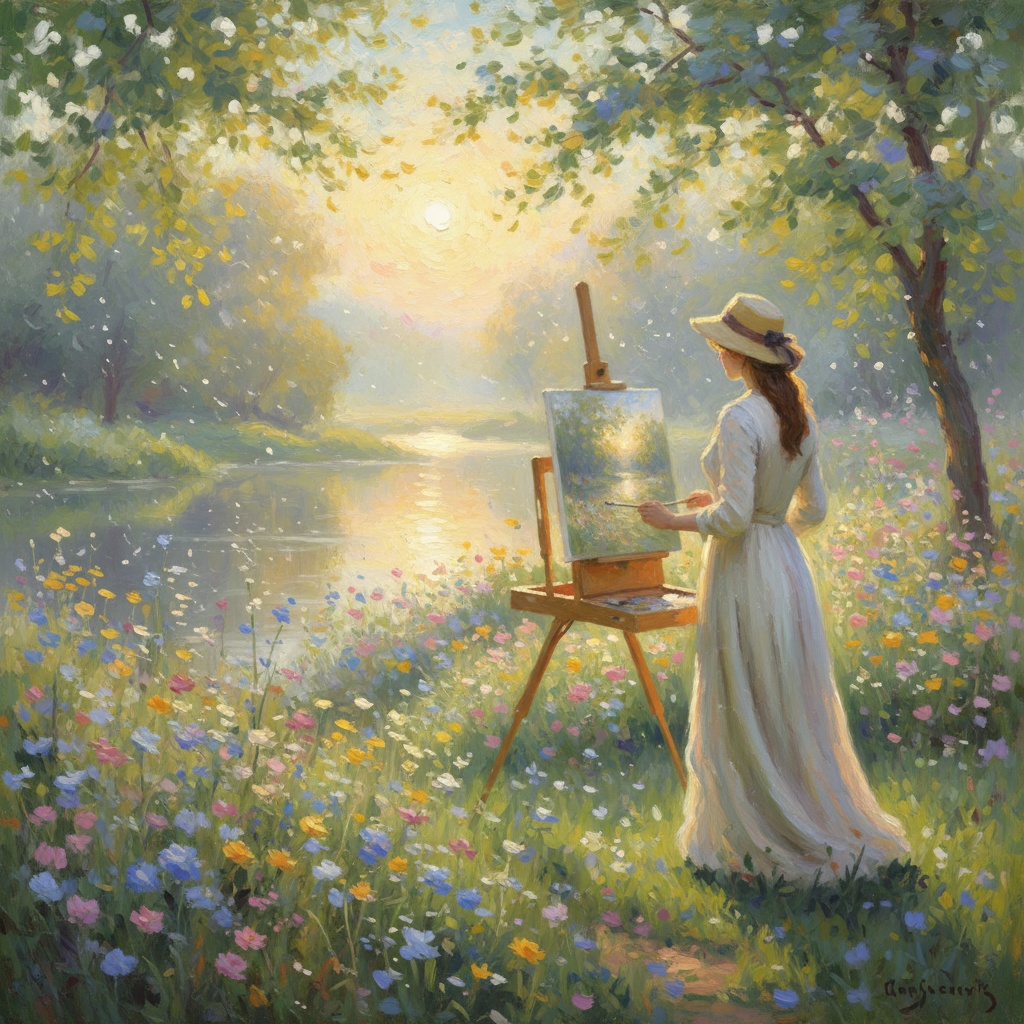
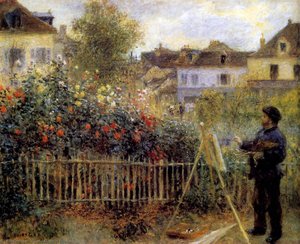
En plein air (pronounced [ɑ̃ plɛ.n‿ɛʁ]; French for 'outdoors'), or plein-air painting, is the act of painting outdoors. This method contrasts with studio painting or academic rules that might create a predetermined look. The theory of 'En plein air' ...
Central to the Impressionist project was a radical shift in working methods. Rather than confining themselves to the studio, these artists took their easels outdoors – embracing the practice of en plein air, or “in open air.” This wasn’t merely a change of scenery; it represented a fundamental re-evaluation of how art could be made. By painting directly from nature, they sought to capture the ever-changing effects of light and atmosphere on their surroundings. The theory behind this approach was championed by Pierre-Henri de Valenciennes in his treatise Reflections and Advice to a Student on Painting, Particularly on Landscape (1800), which advocated for landscape portraiture as a means of understanding the nuances of natural light.
The invention of portable paint tubes further facilitated this practice, allowing artists to easily transport their materials and work spontaneously in diverse locations. Claude Monet, perhaps the most dedicated proponent of en plein air, famously painted series of canvases depicting the same subject – haystacks, Rouen Cathedral, water lilies – at different times of day and under varying weather conditions. These weren’t attempts to create definitive representations; rather, they were explorations of how light transformed the appearance of objects over time, capturing a sense of movement and transience that had rarely been seen in art before.
Brushstrokes and Color Theory: The Techniques of an 'Impression'
The name “Impressionism” itself arose from Louis Leroy’s satirical critique of Monet’s 1872 painting, Impression, soleil levant (Impression, Sunrise). Leroy derided the work as a mere “impression,” suggesting it lacked the finish and detail expected of academic art. However, this seemingly dismissive label inadvertently captured the essence of the movement’s aesthetic. Impressionist painters rejected the smooth, blended brushwork favored by their predecessors, opting instead for visible, broken strokes of pure color.
This technique wasn't simply about stylistic innovation; it was rooted in a growing understanding of optics and color theory. They observed that colors are not inherent properties of objects but rather perceptions created by the way light interacts with our eyes. By juxtaposing complementary colors – blue and orange, red and green – they could create vibrant effects and simulate the play of light on surfaces. The goal wasn’t to meticulously recreate reality but to capture the *sensation* of seeing, the fleeting impression of color and light that registered in their minds.
Beyond Representation: Capturing Subjectivity and Modern Life
Impressionism marked a significant shift away from objective representation towards subjective experience. Artists were less concerned with depicting what things *were* and more interested in how they *appeared* to them at a particular moment. This emphasis on personal perception opened up new possibilities for artistic expression, allowing artists to explore their own emotions and interpretations of the world.
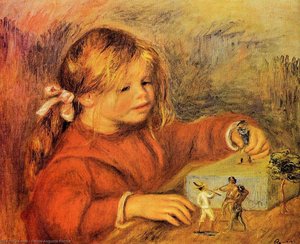
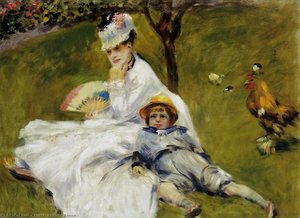
This shift also led to a focus on contemporary life as a worthy subject for art. Scenes of Parisian boulevards, cafés, railway stations, and leisure activities replaced historical narratives and mythological allegories. Edgar Degas’ paintings of ballet dancers, for example, captured the energy and dynamism of modern urban life, while Renoir’s depictions of social gatherings celebrated the pleasures of everyday existence. They weren't simply documenting their surroundings; they were capturing a specific mood, a fleeting moment in time that reflected the changing rhythms of modern society.
From Monet to Cézanne: Key Artists and Their Unique Visions
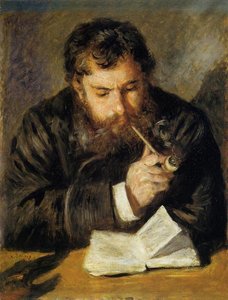
While united by shared techniques and philosophies, each Impressionist artist possessed a unique vision. Claude Monet, as previously mentioned, was perhaps the most dedicated explorer of light and atmosphere, his series paintings demonstrating the transformative power of observation. Pierre-Auguste Renoir brought a warmth and sensuality to his depictions of figures and landscapes, capturing the joy and vitality of human interaction. Edgar Degas, with his unconventional compositions and focus on movement, offered a more analytical and detached perspective on modern life.
Paul Cézanne, though initially associated with Impressionism, ultimately paved the way for Post-Impressionism. His later works, such as Les Grandes Baigneuses (The Large Bathers), demonstrate a more structured and analytical approach to form and composition, influencing movements like Cubism. These artists, each in their own way, pushed the boundaries of artistic expression, challenging conventional norms and laying the foundation for the radical innovations of the 20th century.
The Enduring Influence of Impressionism on Art History
The impact of Impressionism on art history is undeniable. It not only revolutionized painting techniques but also fundamentally altered our understanding of perception and representation. The movement’s emphasis on subjectivity, spontaneity, and the beauty of everyday life continues to resonate with artists today. Impressionism paved the way for subsequent movements – Post-Impressionism, Fauvism, Expressionism – each building upon its legacy in different ways.
Today, Impressionist paintings are celebrated worldwide for their vibrant colors, evocative brushwork, and ability to capture the fleeting beauty of a moment. Whether admiring Monet’s water lilies at the Musée des Impressionnismes Giverny or exploring Renoir’s depictions of Parisian life, we continue to be captivated by the enduring power of this revolutionary movement. At ArtsDot.com, we are proud to offer high-quality reproductions of these masterpieces, allowing you to bring the beauty and brilliance of Impressionism into your own home.