The Genesis of Color Field: From Abstract Expressionism to a New Vision
Color field painting (Colour field painting in Commonwealth English) is a style of abstract painting that emerged in New York City during the 1940s and 1950s. It was inspired by European modernism and closely related to abstract expressionism, while ...
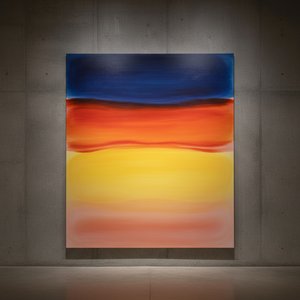
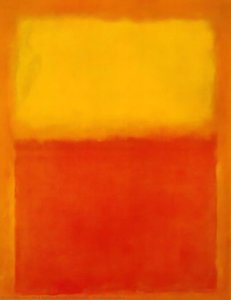
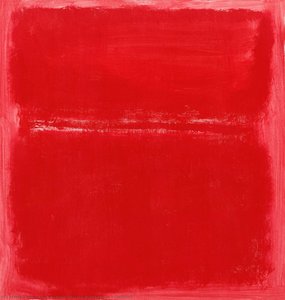
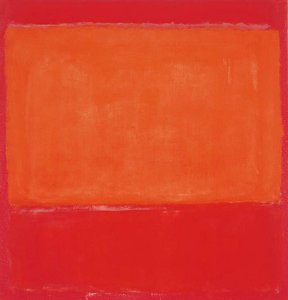
The mid-20th century witnessed a seismic shift in the art world, born from the ashes of World War II and a collective yearning for new modes of expression. Abstract Expressionism, with its raw energy and gestural brushwork – think Jackson Pollock’s dynamic drips and Willem de Kooning’s turbulent canvases – dominated the American scene. Yet, within this fervent movement, a quieter revolution was brewing. A group of artists began to question the very foundations of Abstract Expressionism, seeking to move beyond the subjective drama of individual expression towards something more contemplative, universal, and profoundly resonant. This nascent exploration would blossom into Color Field painting, a style characterized by large fields of flat, solid color designed not to represent anything *but* themselves – color liberated from objective context, becoming the subject in its own right.
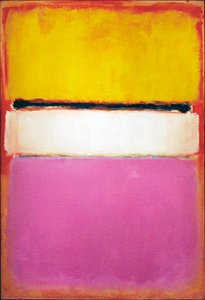
The transition wasn’t abrupt. Artists like Mark Rothko initially engaged with figuration and mythic symbolism before gradually stripping away recognizable forms, focusing instead on the emotive power of hue and scale. Early works hinted at landscapes or figures, but these slowly dissolved into luminous rectangles that seemed to float on the canvas. This reduction was not merely aesthetic; it was a deliberate attempt to bypass narrative and tap directly into primal emotions – joy, sorrow, transcendence. The influence of European modernism, particularly the work of painters like Henri Matisse with his bold use of color and simplified forms, is undeniable, but Color Field painting quickly forged its own distinct path, deeply rooted in American sensibilities.
Key Figures and Defining Characteristics: Rothko, Newman, and Beyond
Abstract expressionism in the United States emerged as a distinct art movement in the aftermath of World War II and gained mainstream acceptance in the 1950s, a shift from the American social realism of the 1930s influenced by the Great Depression an...
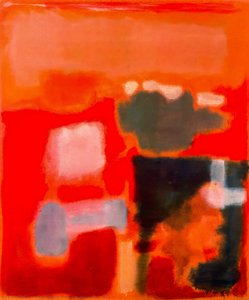
While many artists contributed to the development of Color Field, a few figures stand out as pivotal. Mark Rothko, perhaps the most iconic name associated with the movement, created canvases that are often described as ‘fields’ of color – layered planes that seem to breathe and pulsate before the viewer. His work, like “No. 61 (Rust & Blue),” invites prolonged contemplation, drawing the observer into a meditative state. Barnett Newman, another central figure, employed vertical lines—which he termed ‘zips’—to divide his canvases, creating a sense of scale and spiritual presence. These zips weren't merely compositional elements; they were intended to evoke a feeling of awe and the sublime.
Other important artists expanded upon these ideas in unique ways. Helen Frankenthaler’s ‘soak-stain’ technique, where she poured diluted paint onto unprimed canvas, resulted in luminous washes of color that blurred the boundaries between form and ground. Morris Louis further explored this method, creating veils of translucent color that seemed to defy gravity. Kenneth Noland, influenced by Frankenthaler, focused on geometric shapes and bold color combinations. What united these artists was a shared commitment to flatness, simplicity, and the expressive potential of color itself. The emphasis shifted from the artist’s gesture – the action painting of Pollock – to the inherent qualities of the paint and its interaction with the canvas.
Color as Subject: Exploring the Philosophical Underpinnings of the Movement
Color Field painting wasn't simply about aesthetics; it was deeply intertwined with philosophical concerns. Artists were grappling with questions of spirituality, existentialism, and the human condition in a post-war world. The vastness of Rothko’s canvases, for example, can be seen as an attempt to evoke a sense of the infinite, mirroring the anxieties and uncertainties of the time. Newman's ‘zips,’ similarly, were intended to represent a direct connection to the sublime – a feeling of awe and wonder that transcends rational understanding.
The movement drew inspiration from diverse sources, including Eastern religions and philosophies. The meditative quality of Rothko’s paintings reflects Zen Buddhism's emphasis on contemplation and emptiness. Newman explicitly sought to create artworks that could serve as ‘icons’ for a secular age, offering viewers a space for spiritual reflection. This desire to transcend the material world and connect with something deeper is central to understanding the philosophical underpinnings of Color Field painting.
Techniques and Materials: Achieving Luminosity and Depth in Color Field Painting
The techniques employed by Color Field painters were as deliberate as their conceptual aims. Unlike the impasto brushwork of Abstract Expressionism, these artists sought to create smooth, even surfaces that allowed color to take center stage. Rothko’s signature technique involved layering thin washes of oil paint on canvas, building up a luminous depth through subtle variations in hue and tone. He often used thinned paints and applied them in multiple layers, allowing the underlying colors to subtly influence the surface.
Frankenthaler's ‘soak-stain’ method was revolutionary in its simplicity. By pouring diluted paint onto unprimed canvas, she allowed the pigment to absorb directly into the fibers, creating a unique luminosity and blurring the boundaries between form and ground. Louis further refined this technique, tilting his canvases to allow the paint to flow and blend organically. The choice of materials – high-quality oil paints, unprimed canvas, and careful attention to surface preparation – were crucial in achieving the desired effects. These artists weren’t simply applying color; they were manipulating its very essence.
The Legacy of Color Field: Influence on Subsequent Art Movements
Color Field painting's influence extended far beyond its initial period of prominence. It paved the way for Post-Painterly Abstraction, a movement that further emphasized flatness and clarity, as exemplified by artists like Gene Davis and Paul Feeley. The emphasis on color and form also resonated with Minimalist art, which sought to reduce artworks to their essential geometric elements. The exploration of perceptual effects in Color Field painting anticipated later developments in Op Art and Conceptual art.
Even today, the legacy of Color Field continues to inspire artists across a wide range of disciplines. Its emphasis on emotional resonance, spiritual contemplation, and the expressive potential of color remains profoundly relevant. The works of Rothko, Newman, and their contemporaries continue to captivate audiences worldwide, offering viewers a space for introspection and connection in an increasingly complex world.
Collecting Color Field Paintings: Considerations for Enthusiasts
For those interested in collecting Color Field paintings, several factors should be considered. Authenticity is paramount, as the market has seen its share of forgeries. Thorough research and provenance checks are essential. The condition of the artwork is also crucial; these paintings are often delicate and susceptible to damage. The size and scale of a Color Field painting can significantly impact its price and visual effect – Rothko’s large-format canvases, for example, command considerable attention.
Beyond financial considerations, it's important to choose artworks that resonate with you personally. The emotional power of Color Field paintings is subjective; what one viewer finds moving, another may not. ArtsDot.com offers a curated selection of high-quality reproductions of iconic Color Field works, allowing enthusiasts to experience the beauty and depth of this influential movement in their own homes. Explore our collection today and discover the transformative power of color.