![Black Circle [1913] State Russian Museum, — Kazimir Malevich](/media/artworks/images/thumbnails/29/9f/299f2153e48d4d70918e77144b5835a6.jpg)
The Genesis of Constructivism: From Futurist Roots to Revolutionary Ideals
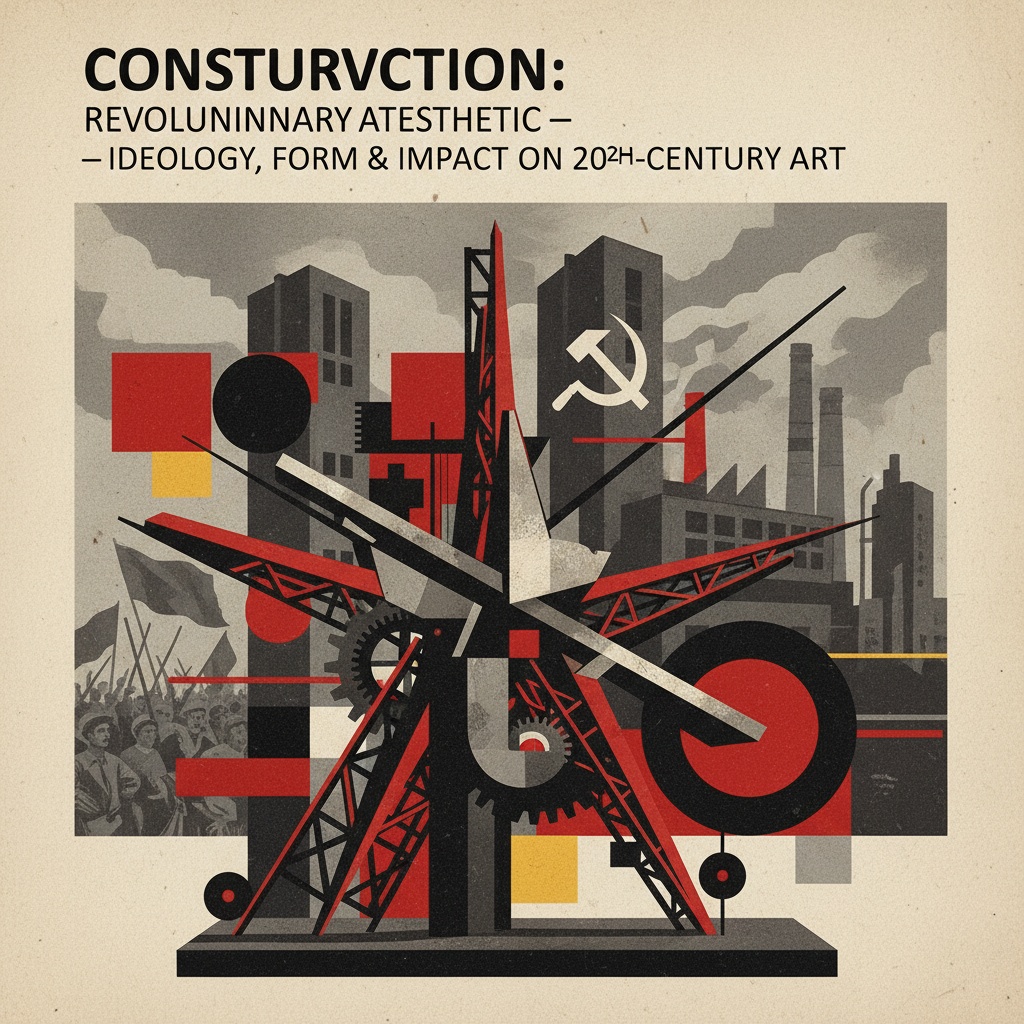
The early twentieth century was a period of seismic shifts, not only in politics and technology but also in the very foundations of artistic expression. Emerging from the wreckage of Tsarist Russia and fueled by the utopian fervor of the Bolshevik Revolution, Constructivism wasn’t merely an art movement; it was a philosophy, a worldview that sought to dismantle traditional aesthetic values and forge a new visual language for a radically altered society. Its origins lie in the Russian Futurism of artists like Vladimir Tatlin, who rejected representational painting in favor of dynamic compositions celebrating industrial progress and machine aesthetics. However, where Futurism often remained tethered to individual expression and chaotic energy, Constructivism aspired to something more disciplined – an art dedicated to serving practical needs and collective goals. The 1915 exhibition of Tatlin’s counter-reliefs marked a pivotal moment, signaling a departure from the canvas as a self-contained object towards three-dimensional constructions that engaged directly with space and materials. This nascent movement was born not in studios but in debates about art's role in building a socialist future, a future where art wasn’t confined to galleries but integrated into everyday life.
Key Figures & Defining Characteristics: Malevich, Lissitzky, Popova & Gabo
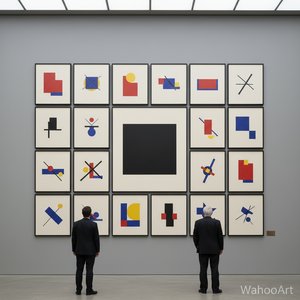
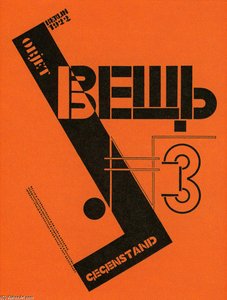
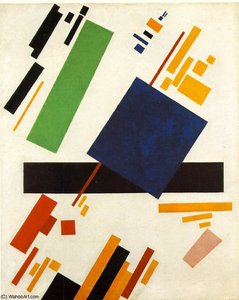
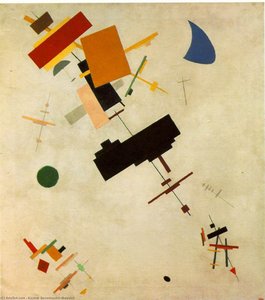
While Tatlin laid the groundwork, it was artists like Kazimir Malevich, El Lissitzky, Lyubov Popova, and Naum Gabo who truly defined Constructivism’s distinctive aesthetic. Malevich, initially a leading figure in Suprematism – an even more radical form of abstract art focused on pure geometric forms and spiritual experience – gradually shifted towards a more utilitarian approach. His iconic “Black Square” (1915) represented a rejection of all representational imagery, but his later work increasingly explored the possibilities of using simple shapes to create functional objects and architectural models. El Lissitzky, a master of graphic design and typography, became Constructivism’s most prominent propagandist, utilizing bold colors, dynamic angles, and innovative photomontage techniques in posters like “Beat the Whites with the Red Wedge” (1919) to rally support for the Bolshevik cause. Lyubov Popova, known for her vibrant abstract paintings, believed art should be a ‘laboratory’ investigating new forms and materials, applying her research to textile design and stage sets. Naum Gabo, along with his brother Antoine Pevsner, emphasized the importance of space and volume in sculpture, creating open, geometric constructions from materials like nylon and glass that explored kinetic energy and the interplay of light and shadow.
Form Follows Function: Exploring the Geometric Abstraction and Materiality of Constructivist Art
At the heart of Constructivism lay a commitment to geometric abstraction. Artists abandoned naturalistic representation in favor of simple, often primary shapes – squares, circles, triangles, rectangles – believing these forms possessed inherent purity and universality. This wasn’t merely an aesthetic choice; it was rooted in a belief that geometric forms reflected the underlying structure of the modern world, particularly its industrial processes and technological advancements. Equally crucial was the emphasis on materiality. Constructivist artists weren't interested in illusionistic painting or idealized beauty; they celebrated the inherent qualities of their chosen materials – metal, wood, glass, plastic – often leaving them raw and unpolished to reveal their texture and structure. Works like El Lissitzky’s “Proun 1 C” (1920) exemplify this approach, showcasing a dynamic interplay of floating geometric planes constructed from painted cardboard, demonstrating the artist's exploration of spatial relationships and the potential for art to exist beyond the traditional picture plane. The rejection of ornamentation and superfluous detail was deliberate; every element served a specific purpose, contributing to the overall functionality and clarity of the composition.
Constructivism in Service of Society: Propaganda, Design & the New Man
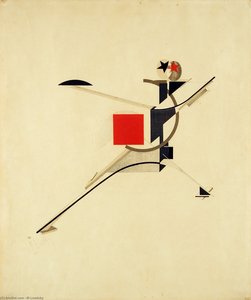
Unlike previous artistic movements that often prioritized individual expression or aesthetic contemplation, Constructivism explicitly aimed to serve society. Following the October Revolution, artists were eager to contribute to the building of a new socialist order, and they saw art as a powerful tool for propaganda. Posters, book covers, stage sets, and even textiles were designed to promote revolutionary ideals, celebrate industrial labor, and educate the masses. This commitment extended beyond visual communication into practical design, with Constructivist artists creating furniture, clothing, and architectural models that embodied the principles of functionality, efficiency, and accessibility. The concept of the “New Man” – a rational, collective individual dedicated to building a communist utopia – became a central theme in Constructivist art. El Lissitzky’s “New Man” (1923), with its dynamic arrangement of red and black geometric forms, embodies this ideal, representing the energy and dynamism of a society transformed by revolutionary principles. This wasn't simply about creating aesthetically pleasing objects; it was about shaping a new way of life.
Beyond Russia: The International Influence of Constructivism – Bauhaus, De Stijl & Modernism
Though rooted in the specific context of post-revolutionary Russia, Constructivism’s influence quickly spread beyond its borders, profoundly impacting art and design movements across Europe. The Bauhaus, founded in Germany in 1919, embraced many of Constructivism’s principles – geometric abstraction, functionalism, and the integration of art and technology – becoming a leading center for modern design education. Similarly, the Dutch movement De Stijl, led by Piet Mondrian and Theo van Doesburg, shared Constructivism’s emphasis on pure abstraction and primary colors, though with a more spiritual and philosophical orientation. Constructivist ideas also resonated with architects like Le Corbusier, who incorporated its principles of functionalism and geometric clarity into his designs for modern buildings. The movement's legacy can be seen in countless examples of modernism, from graphic design and typography to sculpture and architecture, shaping the visual landscape of the 20th century and continuing to inspire artists and designers today.
Collecting Constructivism Today: Identifying Value & Building a Significant Collection
For collectors seeking works that embody both historical significance and aesthetic power, Constructivism offers a compelling field. Original paintings by Malevich, Lissitzky, Popova, and Gabo are highly sought after, commanding substantial prices at auction. However, the movement also produced a wealth of graphic design – posters, book covers, photomontage – that remains relatively accessible. When building a collection, it’s crucial to focus on authenticity and provenance, ensuring works have been properly vetted by experts. Look for pieces that exemplify the key characteristics of Constructivism: geometric abstraction, dynamic compositions, bold colors, and an emphasis on materiality. Understanding the artist's role within the broader movement – their theoretical writings, their involvement in public projects – can also enhance appreciation and value. ArtsDot offers a curated selection of high-quality reproductions of iconic Constructivist works, allowing collectors to experience the energy and innovation of this revolutionary aesthetic firsthand. Whether you’re drawn to the bold propaganda posters of Lissitzky or the abstract compositions of Malevich, Constructivism represents a pivotal moment in art history – a testament to the power of art to shape society and inspire change.