
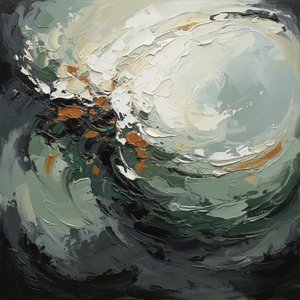
The Allure of Collecting: Defining Your Aesthetic Vision
The Metropolitan Museum of Art, colloquially referred to as the Met, is an encyclopedic art museum in New York City. By floor area, it is the fourth-largest museum in the world and the largest art museum in the Americas. With 5.727,258 million visito...
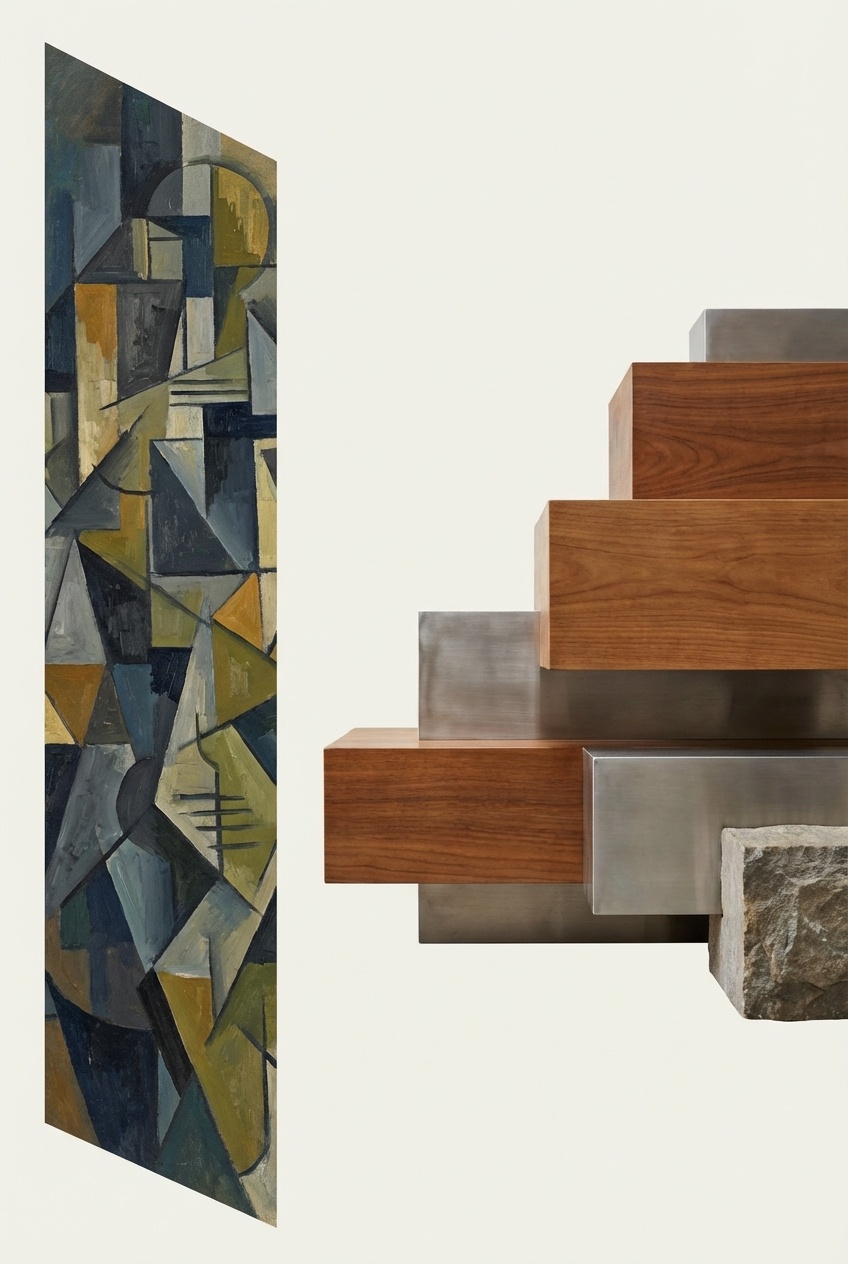
The impulse to collect is as old as civilization itself, a fundamental human drive rooted in our desire to preserve beauty, understand history, and express individual identity. But beyond the simple accumulation of objects lies a far more profound pursuit – the cultivation of a personal legacy through art. This isn’t merely about acquiring possessions; it's about embarking on an intellectual journey, forging a connection with artists across time, and ultimately, shaping a narrative that reflects your unique worldview. The first step in this transformative process is defining your aesthetic vision. What stirs your soul? Are you captivated by the ethereal light of Impressionism, the bold geometries of Modernism, or the raw emotion of Abstract Expressionism? A visit to institutions like The Metropolitan Museum of Art can be revelatory, offering a panoramic view of human creativity and helping you discern patterns in your preferences. Don’t shy away from exploring lesser-known movements or emerging artists; often, the most rewarding discoveries lie beyond the established canons. Consider not just *what* you like, but *why*. Is it the color palette, the subject matter, the technique, or the emotional resonance? This self-reflection is crucial for building a collection that feels authentic and deeply personal.
Beyond Trends: Identifying Emerging Artists & Undervalued Movements
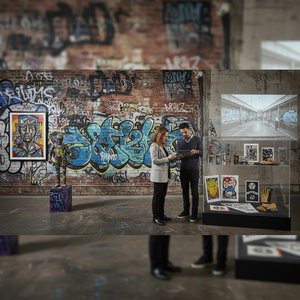 Beyond Graffiti: Exploring the Evolution & Cultural Impact of Street Art for Collectors
Explore the evolution of street art from rebellious origins to a respected fine art form. Discover key artists like Banksy & learn how to collect urban art with confidence. Expert insights for discerning investors.
The art world is in constant flux, with new voices emerging and established movements undergoing reevaluation. While it’s tempting to follow prevailing trends, true collectors seek out artists who are pushing boundaries, challenging conventions, and offering fresh perspectives. This requires a willingness to look beyond the hype and engage with the work on its own terms. Researching emerging artists demands diligence – attending gallery openings, art fairs, and studio visits can provide invaluable insights. Look for artists whose work demonstrates technical skill, conceptual depth, and a distinctive voice. Don’t underestimate the importance of artistic education and mentorship; often, promising talents emerge from prestigious institutions or under the guidance of established figures. Equally compelling is the opportunity to rediscover undervalued movements. Throughout history, countless artistic styles have been overlooked or dismissed, only to be later recognized for their significance. Exploring these forgotten corners of art history can yield both aesthetic rewards and potential financial gains.
Navigating the Art Market: Auctions, Galleries, and Private Sales
The art market is a complex ecosystem with its own unique rules and dynamics. Understanding these intricacies is essential for making informed acquisitions. Auction houses offer access to a wide range of works, but prices often include premiums and competition can be fierce. Galleries provide expert guidance and curated selections, fostering relationships with artists and offering insights into their work. However, commissions are typically higher. Private dealers can offer unique opportunities, particularly for rare or highly sought-after pieces, but require careful vetting and due diligence. Developing strong relationships with reputable gallerists and art advisors is paramount. Seek out professionals who share your aesthetic sensibilities and have a proven track record of success. Thoroughly research each piece before making a purchase, paying close attention to provenance – the documented history of ownership – as this significantly impacts its value and authenticity.
Art as a Reflection of Self: The Power of Biographical Context
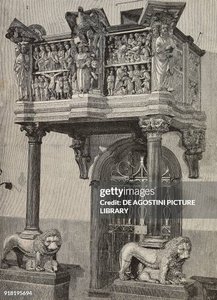 fra guglielmo
Explore the art of Guglielmo Achille Cavellini (1914-1990): Italian painter, collector & pioneer of Mail Art, Neo-Dada, and performance art. Discover his abstract works, influential collection, and self-historicization movement.
An artwork doesn’t exist in isolation; it is inextricably linked to the life and experiences of the artist who created it. Delving into an artist's biography can profoundly enhance your appreciation for their work, revealing hidden layers of meaning and contextualizing their creative choices. Consider the fascinating journey of Guglielmo Achille Cavellini, a pioneer of Mail Art, Neo-Dada, and performance art whose abstract creations were deeply influenced by his intellectual curiosity and rebellious spirit. Similarly, exploring the vibrant world of Alfonso Guerra Calle’s captivating paper artworks provides insights into Spanish postwar and contemporary art, reflecting the social and political landscape of his time. Understanding the historical context surrounding an artwork is equally crucial – what events shaped the artist's vision? What philosophical ideas were prevalent during their lifetime? By connecting with the human story behind the art, you transform a mere object into a powerful testament to creativity and cultural expression.
Building a Legacy: Preservation, Documentation, and Sharing Your Collection
The act of collecting is not merely about acquiring objects; it’s about creating a lasting legacy – a testament to your unique vision and cultural values. This requires careful consideration of preservation, documentation, and ultimately, sharing your collection with future generations. Proper storage and handling are essential for protecting your artworks from damage or deterioration. Maintaining detailed records – including provenance, exhibition history, and condition reports – will enhance their value and authenticity. Consider donating pieces to museums or galleries, allowing others to experience the beauty and inspiration they provide. By investing in emerging artists, supporting innovative movements, and fostering dialogue through your acquisitions, you contribute to the ongoing evolution of art itself. A well-curated collection can resonate with aesthetic harmony, cultural relevance, and financial returns, but its true value lies in its ability to inspire, educate, and connect people across time. At ArtsDot.com, we believe that everyone has the potential to build a meaningful legacy through art, and we are dedicated to providing the expertise, resources, and support you need to embark on this transformative journey.