

The Language of Non-Objectivity: Decoding the Emotional Resonance of Abstract Forms
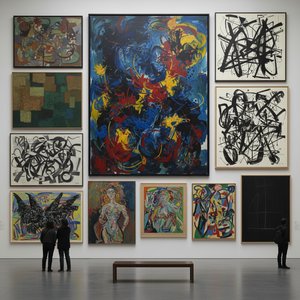
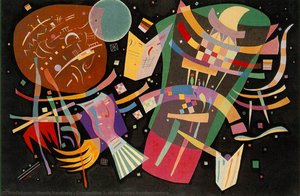
To encounter a truly profound abstract work is to step into a dialogue that transcends the limitations of spoken language. Unlike representational art, which relies on the recognition of a figure or a landscape to anchor the viewer, abstraction speaks through a primal vocabulary of color, rhythm, and weight. It invites the observer not merely to look, but to feel. When we gaze upon the vibrant, sweeping gestures found in works like those by Sofiane Pamart, where dynamic forms evoke the raw energy of movement, we are not searching for a literal subject; rather, we are experiencing the visceral impact of motion and vitality. This non-objective language operates on a subconscious level, bypassing the intellect to touch the core of human emotion. A deep, ceruleian blue may evoke the melancholic stillness of an ocean at dusk, while a sudden, jagged streak of crimson can stir feelings of urgency or passion. The power of abstraction lies in this ambiguity, allowing each viewer to project their own histories and sensibilities onto the canvas. It is a deeply personal encounter, where the boundaries between the artwork and the observer’s inner world begin to dissolve, creating a resonance that is as much about the viewer's soul as it is about the artist's hand.From Minimalism to Expressionism: Navigating the Diverse Movements of Contemporary Abstraction
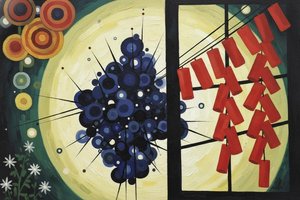
The landscape of contemporary abstraction is far from monolithic; it is a vast, intricate spectrum ranging from the austere silence of minimalism to the turbulent energy of neo-expressionism. At one extreme, we find the meditative precision of minimalist masters such as Ad Reinhardt. His studies in geometric form and subtle tonal shifts offer a sanctuary of stillness, where the reduction of elements forces a focus on the pure essence of light and space. In these works, the absence of narrative becomes a presence in itself, demanding a slow, contemplative engagement that rewards the patient collector. Conversely, the spectrum extends toward the lyrical and the emotive, where artists like Bernie Casey utilize vibrant circles and fluid hues to evoke memories and temporal shifts. This style of lyrical abstraction maintains a connection to rhythm and atmosphere, using color as a vessel for nostalgia and movement. For the discerning collector, navigating these movements requires an appreciation for how different structural approaches can alter the psychological temperature of a room. Whether one seeks the quiet authority of a geometric study or the spirited pulse of a contemporary expressive piece, each movement offers a unique way to command presence within a curated space.The Tactile Dimension: Why Texture and Brushwork Define the Value of Abstract Works
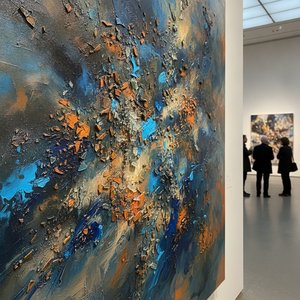
In an era increasingly dominated by digital reproduction, the true value of an abstract masterpiece is often found in its physical topography. The tactile dimension—the impasto, the visible brushstroke, and the layered depth of oil paint—is what breathes life into a composition. When an artist applies thick, deliberate layers of pigment, they create a sculptural surface that interacts with light in real estate-specific ways. As the sun moves across a room, the shadows cast by these raised textures change, ensuring that the painting is a living, breathing entity rather than a static image. This physical presence is precisely what distinguishes a Handmade Oil Reproduction from a mere print. In a high-quality oil work, one can trace the artist's journey through the direction of the bristles and the varying thickness of the medium. This depth provides a tonal range and a richness that digital inks simply cannot replicate. For the collector, investing in texture is an investment in permanence and authenticity; it is the difference between observing a window and touching the very fabric of the artist's intention. The presence of craquelure or the deliberate use of heavy gesso adds a layer of historical weight, making the work feel as though it possesses its own geological history.Curating the Unseen: Integrating Abstract Masterpieces into Sophisticated Interior Design
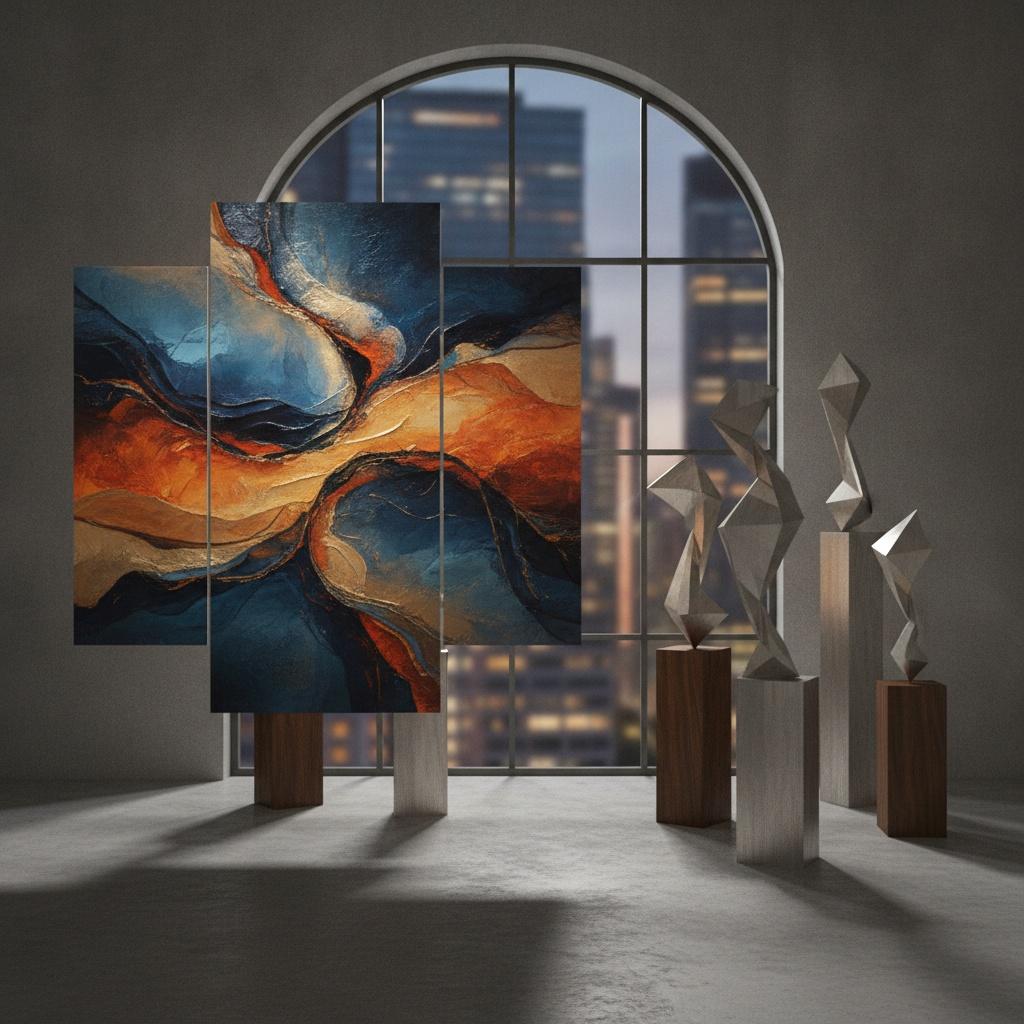
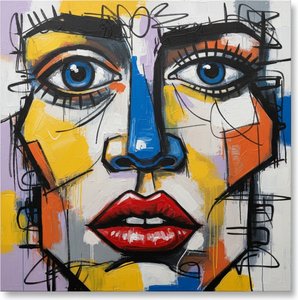
Integrating abstraction into a sophisticated interior requires a delicate balance between boldness and cohesion. An abstract painting does not merely decorate a wall; it defines the architectural character of a space. For large-scale environments, such as grand foyers or hotel lounges, the use of multi-panel layouts can transform a singular vision into an immersive experience. By splitting a composition across three or five panels, the artwork becomes part of the room's structural rhythm, guiding the eye through the architectural flow and creating a sense of modern grandeur. The key to successful curation lies in color analysis and spatial harmony. An abstract piece with bold, energetic forms, such as those seen in the works of Studio Marion, can serve as a powerful focal point in a minimalist room, providing much-needed warmth and energy. Alternatively, more muted, monochromatic abstracts can reinforce a sense of calm and continuity in a larger design scheme. Through professional consultation and digital mockups, collectors can visualize how specific palettes—be they earthy ochres or cool silvers—will interact with existing textures like marble, wood, or velvet, ensuring that the art serves as the soul of the interior rather than an afterthought.The Collector’s Perspective: Assessing Longevity and Market Trends in Abstract Art
For the serious collector, abstraction represents both an aesthetic passion and a strategic investment. The longevity of an abstract work is tied to its ability to remain relevant across changing eras—a quality inherent in non-representational art, which is not bound by the fashions of specific subjects. However, assessing value requires a keen eye for both technical mastery and market movement. The durability of materials, such as the use of safflower oils to prevent yellowing or Damar varnish to protect against atmospheric pollutants, is essential for ensuring that the artwork's vibrancy persists for generations. As we look toward the future of art collecting, the intersection of traditional craftsmanship and modern innovation continues to offer exciting opportunities. The rise of bespoke commissions, where personal milestones are reimagined through the lens of historical styles, allows collectors to build a legacy that is uniquely their own. Whether acquiring a piece through a global auction or commissioning a custom transformation of a cherished photograph, the discerning collector understands that true value lies in the marriage of technical excellence and emotional resonance. In the world of abstraction, the most enduring investments are those that continue to reveal new layers of meaning every time they are viewed.About ArtsDot.com
Since 2004, ArtsDot.com has been a global leader in making fine art accessible to collectors worldwide. From the meticulous creation of hand-painted oil reproductions to professional art consultations and custom commissions, we bridge the gap between historical mastery and modern living. Our mission is to preserve human creativity through high-quality, museum-grade artistry delivered to over 70 countries.