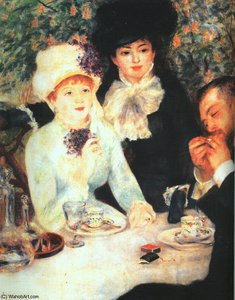

A History of Dining & Decoration: From Renaissance Feasts to Modern Gatherings
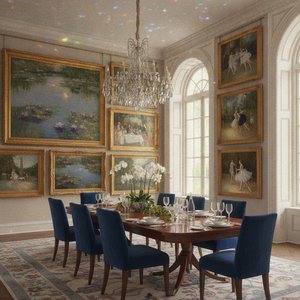
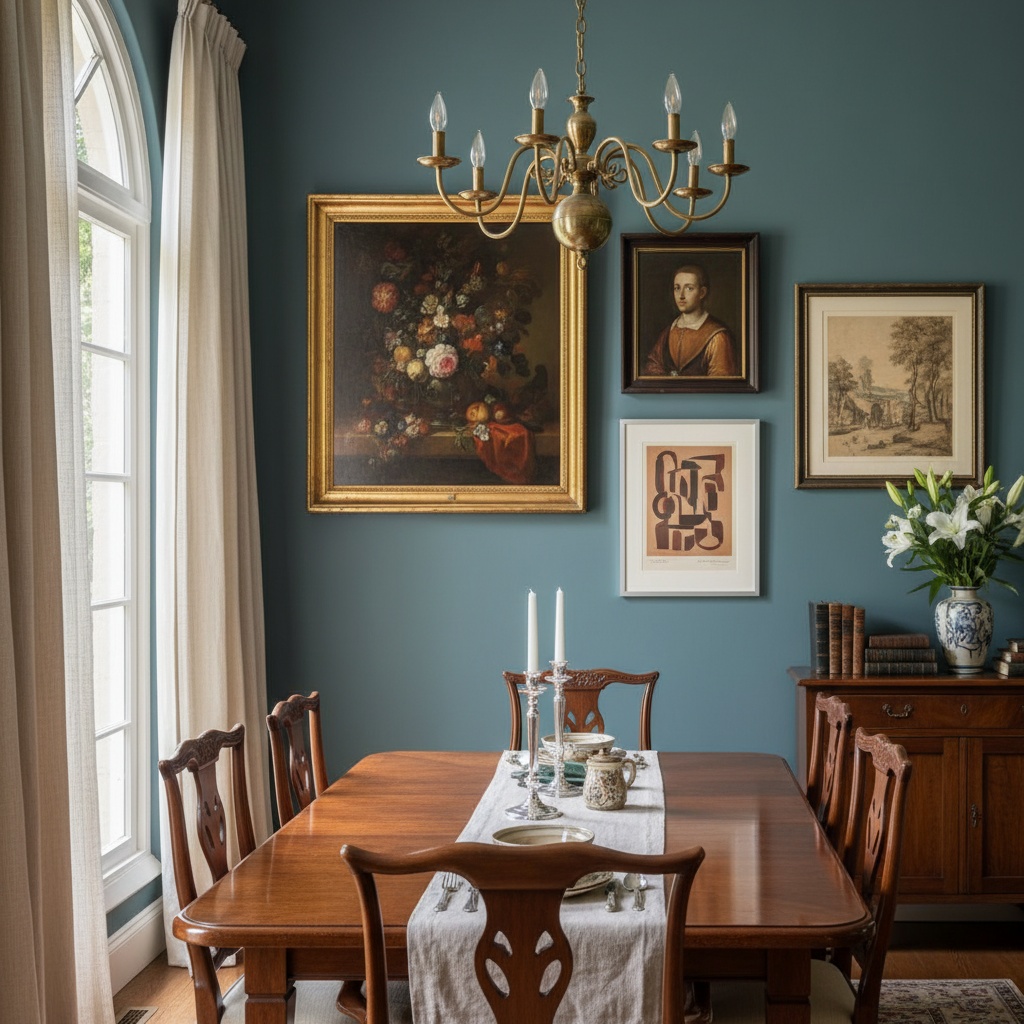
The dining room, as a dedicated space for communal eating, is surprisingly recent in the grand scheme of history. For centuries, feasting was an event, not confined to a single chamber but unfolding across great halls and open courtyards. Early depictions of meals – think Roman banquets or medieval hunts displayed on tapestries – weren’t about creating a specific *atmosphere* as we understand it today; they were assertions of power, celebrations of abundance, and narratives of the hunt. The Renaissance saw a shift, with wealthy families commissioning elaborate frescoes for dining areas, often featuring mythological scenes or portraits of ancestors—a subtle demonstration of lineage and refined taste. These weren’t merely backdrops but integral parts of the social performance of eating. As domestic architecture evolved in the 17th and 18th centuries, dedicated dining rooms emerged, mirroring the growing importance of privacy and sophisticated etiquette. The Dutch Masters, with their exquisite still lifes, began to dominate the walls, offering a quiet contemplation of earthly pleasures – a precursor to the modern focus on creating a welcoming and aesthetically pleasing space for shared meals.
The Victorian era brought an explosion of ornamentation, often bordering on opulence, reflecting a desire for comfort and social status. By the 20th century, however, movements like Art Deco and Modernism stripped away much of this excess, favoring clean lines, geometric forms, and a focus on functionality. Today, we stand at a fascinating intersection – drawing inspiration from across these eras to create dining rooms that are both beautiful and deeply personal.
The Psychology of Color in the Dining Room: Evoking Appetite & Atmosphere
 Chromatic Narratives: Exploring the Psychological & Cultural Significance of Color in Art History
Explore the fascinating intersection of color, emotion & culture in art history. Discover how master artists used hue to evoke feelings and learn how to select artwork that resonates with your personal aesthetic – a guide for discerning collectors.
Color is arguably the most potent tool in shaping the emotional landscape of any room, and the dining room is no exception. For centuries, artists have intuitively understood this power, employing specific hues to influence perception and mood. Warm tones – reds, oranges, and yellows – are known to stimulate appetite and encourage conversation. However, subtlety is key; a jarringly bright red can feel aggressive, while a muted terracotta or ochre creates a welcoming warmth. Consider the works of Pierre-Auguste Renoir, such as Cauliflower & Pomegranates, where the vibrant interplay of reds and greens evokes a sense of abundance and joyful conviviality. These aren’t accidental choices; they tap into our subconscious associations with ripe fruit and healthy nourishment.
Cooler tones – blues, greens, and violets – promote relaxation and serenity, ideal for longer, more contemplative meals. However, be cautious not to create a space that feels *too* detached or sterile. Balancing cool hues with warmer accents—perhaps through the use of wood furniture or strategically placed artwork—is crucial. The psychological impact extends beyond individual colors; consider the overall palette and its effect on light and shadow. A dimly lit dining room with rich, saturated tones can feel intimate and luxurious, while a brightly lit space with pastel shades feels airy and informal.
Still Life & Beyond: Exploring Compelling Subjects for Your Dining Space
A still life (pl.: still lifes) is a work of art depicting mostly inanimate subject matter, typically commonplace objects which are either natural (food, flowers, dead animals, plants, rocks, shells, etc.) or human-made (drinking glasses, books, vase...
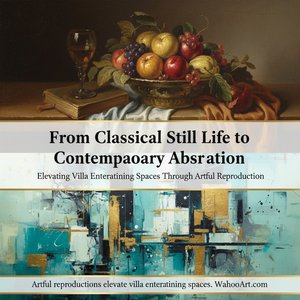
The still life genre has long been synonymous with the dining room, and for good reason. These paintings offer a celebration of earthly delights – fruit, vegetables, wine, and tableware—directly relating to the act of eating itself. From the meticulous realism of Juan Sánchez Cotán’s arrangements to the dramatic chiaroscuro of Caravaggio's compositions, still lifes invite us to savor the beauty of simple pleasures. However, don’t limit yourself to traditional depictions. Consider works that explore broader themes of abundance and hospitality. Landscapes can evoke a sense of place and connection to nature, while portraits can add a personal touch and spark conversation.
Even abstract art can be surprisingly effective in the dining room. A carefully chosen piece with dynamic colors and textures can create a focal point and stimulate the senses. The key is to select artwork that resonates with your personal taste and complements the overall aesthetic of the space. Pablo Picasso’s Glass & Fruits, for example, offers a Cubist interpretation of the still life tradition—a bold statement that adds a touch of modern sophistication.
Art Styles Through the Ages: Finding a Harmony with Your Décor
 Autumn
Discover Giuseppe Arcimboldo’s ‘Autumn’: A stunning 1572 masterpiece blending fruits & vegetables into a unique human portrait. Explore Mannerist style & symbolism.
The art adorning your dining room should be in conversation with its architectural style and furnishings. A grand, formal dining room calls for artwork that reflects this elegance—perhaps classical portraits or landscapes in ornate frames. A more rustic space might benefit from earthy tones and textured pieces inspired by nature. The Dutch Masters, as previously mentioned, are a timeless choice for traditional dining rooms, offering a sense of warmth and refinement. For Mid-Century Modern interiors, consider abstract expressionism or geometric art with bold colors and clean lines.
Don’t be afraid to mix styles, but do so thoughtfully. A contemporary painting can add a surprising contrast to a more traditional setting, creating a dynamic tension that sparks interest. Giuseppe Arcimboldo’s Autumn, with its whimsical arrangement of fruits and vegetables into a human portrait, is an example of Mannerist style that could inject a playful element into a more formal space. The goal is to create a cohesive aesthetic that reflects your personal taste and enhances the overall dining experience.
Scale, Placement & Presentation: Mastering the Art of Display
Selecting the right artwork is only half the battle; proper scale, placement, and presentation are equally important. A painting that’s too small will get lost on a large wall, while one that’s too big can feel overwhelming. Consider the height of your ceilings and the size of your furniture when determining the appropriate dimensions. As a general rule, artwork should be hung at eye level—approximately 60 inches from the floor to the center of the piece.
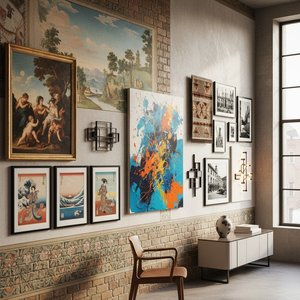
Placement is also crucial. A single large painting can serve as a focal point above a fireplace or buffet, while smaller works can be grouped together to create a gallery wall effect. Consider the lighting in your dining room and how it will affect the artwork’s appearance. Proper illumination can enhance colors and textures, bringing the piece to life. Framing is another important consideration—choose frames that complement both the artwork and the overall décor of the space. A well-chosen frame can elevate a painting from simple decoration to a statement piece.
Modern Applications & Personalization: Creating a Dining Room That Reflects You
Ultimately, the most important aspect of dining room art is its ability to reflect your personal taste and create a welcoming atmosphere for guests. Don’t be afraid to experiment with different styles, colors, and subjects until you find something that resonates with you. Consider commissioning a custom painting—perhaps a portrait of your family or a still life featuring your favorite foods. ArtsDot.com offers a wide range of reproduction options, allowing you to bring the masterpieces of history into your home.
Beyond traditional paintings, explore other art forms such as sculpture, ceramics, and textile art. These can add dimension and texture to your dining room, creating a more dynamic and engaging space. Remember that art is not merely decoration; it’s an expression of your personality and a reflection of your values. With careful consideration and thoughtful selection, you can transform your dining room into a captivating sanctuary—a place where memories are made and shared meals become cherished experiences.