




The Art of Curation: Establishing a Visual Narrative through Masterpieces
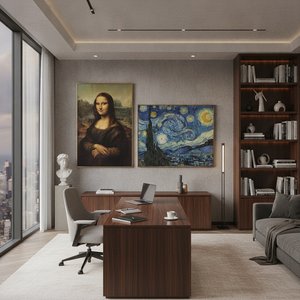
To the discerning decorator, a room is never merely a collection of furniture; it is a curated narrative, a silent dialogue between history and modernity. The true mastery of interior design lies in the ability to select pieces that do more than occupy space—they command it. When we introduce masterpiece reproductions into a residential or commercial setting, we are not simply hanging decor; we are inviting the ghosts of great eras to participate in the contemporary moment. A well-chosen reproduction acts as an anchor, providing a sense of permanence and cultural depth that mass-produced items can never achieve. By treating each wall as a canvas for storytelling, a designer can weave together disparate elements—a mid-century velvet sofa, a sleek marble mantel, or a minimalist architectural structure—into a cohesive, emotive experience that resonates with the soul of the inhabitant.
The process begins with understanding the emotional weight of the imagery. A landscape by Monet does not just offer greenery; it offers light, atmosphere, and a sense of fleeting tranquility. Conversely, a structured portrait or a dramatic Baroque scene can inject a sense of authority and gravitas into a formal dining room. The goal is to create a visual rhythm where the art serves as the punctuation mark in the sentence of the room's design. When curated with intention, these works transform a house into a gallery of personal significance, allowing the decorator to bridge the gap between the ephemeral nature of trends and the eternal beauty of the Old Masters.
Harmonizing Eras: Matching Period Reproductions with Modern Interior Styles
One of the most sophisticated challenges facing the freelance decorator is the reconciliation of historical aesthetics with contemporary minimalism or industrial chic. There is a profound elegance in the juxtaposition of eras, yet it requires a delicate hand to avoid creating a space that feels like a museum period room rather than a living environment. The secret lies in finding common ground through form and spirit. For instance, an Art Nouveau-inspired piece, characterized by its intricate, organic line work, can find a surprising and breathtaking home within a modern, clean-lined apartment. The fluidity of the floral motifs provides a necessary softness to the rigid geometry of modern architecture.
Consider the Regency elegance found in works like William Alfred Delamotte’s The Interior of The Chinese Room. While its Rococo influences and opulent details belong to a bygone era, its focus on light and spatial depth can be used to enhance a contemporary room that seeks a touch of classical luxury. Similarly, for those working within the sleek confines of the Viennese Secessionist aesthetic, integrating black and white line art or motifs reminiscent of Koloman Moser’s Wreath Bearer can reinforce a sense of structured, graphic sophistication. The key is not to replicate the past, but to remix it—using the essence of historical styles to breathe life into modern silhouettes.
Color Theory and Composition: Selecting Art to Complement Your Palette
Color is the most immediate language of design, and art serves as its most potent vocabulary. A decorator must look beyond the subject matter of a painting to analyze its underlying chromatic architecture. When designing a room around a specific palette, one can use art to either reinforce existing tones or provide a sophisticated counterpoint. For a monochromatic scheme, an artwork featuring rich, saturated pigments can act as a focal point, drawing the eye and preventing the space from feeling sterile. Conversely, in a vibrant, multi-colored room, a more muted, tonal piece—perhaps something inspired by the soft, earthy hues of an Art Nouveau library interior—can provide much-needed visual rest.
Compositional balance is equally vital. A large, heavy-set portrait requires sufficient "breathing room" on a wall to avoid overwhelming the surrounding furniture. The placement of art must respect the architectural lines of the room, ensuring that the weight of the image does not clash with the weight of the decor. By utilizing specialized search tools to browse by color palette or theme, a professional can identify works that share a DNA with their textile and paint selections, creating a seamless transition between the physical environment and the painted surface. This level of chromatic harmony is what separates a decorated room from a truly curated masterpiece.
Scale and Dimension: Utilizing Multi-Panel Layouts and Large-Format Murals for Architectural Impact
The architecture of a space dictates the scale of the art, and a skilled decorator knows how to manipulate this relationship to create drama. In grand halls or expansive staircases, a single, standard-sized frame often fails to meet the architectural demand. This is where the trend of multi-panel layouts becomes an indispensable tool. By splitting a singular, breathtaking image across three, four, or even five panels, a designer can create a sense of movement and rhythm that follows the flow of the architecture. These expansive compositions allow the artwork to become part of the room's very structure, turning a wide wall into a cinematic experience.
For even more ambitious projects, such as luxury hotel suites or high-end residential foyers, large-format murals and ceiling frescoes offer an unparalleled level of immersion. Recreating the grandeur of historical ceilings through hand-painted canvas rolls allows for the transformation of a standard room into something transcendent. These large-scale interventions demand precision in installation and a deep understanding of how light interacts with such vast surfaces. When executed correctly, these monumental works do not just decorate a wall; they redefine the very volume of the space, providing an architectural grandeur that feels both ancient and avant-garde.
Texture and Tactility: The Role of Impasto and Hand-Painted Details in Luxury Spaces
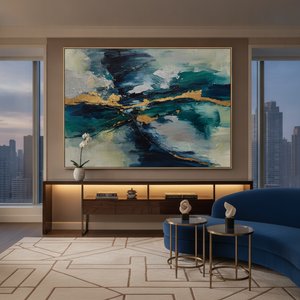
In an era dominated by flat, digital imagery, the resurgence of tactile art is a hallmark of luxury. A high-quality reproduction should never be mistaken for a mere print; it must possess a "living" quality that invites closer inspection. This is achieved through the meticulous application of oil paint in layers, creating a three-dimensional texture known as impasto. When a client runs their eyes—or perhaps even their fingers—over the surface of a hand-painted reproduction, they should feel the physical presence of the artist's brushstrokes. These ridges and valleys of paint catch the light differently throughout the day, adding a dynamic, shifting energy to the room.
The use of premium materials, such as heavy-duty cotton canvas and high-lightfastness pigments, ensures that this texture remains vibrant for decades. The depth provided by 5 to 10 layers of oil paint creates a luminosity that flat Giclée prints simply cannot replicate. For the decorator, this tactile element is a powerful tool for adding sensory richness to a room. It provides a sense of authenticity and craftsmanship that complements high-end materials like silk wallpapers, polished stone, and fine linens. In luxury design, it is often these subtle, physical details—the visible stroke, the build-up of pigment—that elevate a space from beautiful to extraordinary.
The Bespoke Approach: Customizing Historical Styles to Fit Contemporary Client Visions
The pinnacle of art curation for the professional decorator is the ability to offer bespoke solutions that transcend the boundaries of existing collections. The modern client often possesses a vision that is uniquely their own—perhaps they desire a portrait of a beloved pet rendered in the heroic style of a 19th-century general, or a contemporary family photograph reimagined through the light-drenched lens of Monet. This "remixing" of art history allows for a level of personalization that makes the artwork an inseparable part of the client's identity.
Through advanced digital mockups and professional coordination, the transition from concept to canvas can be managed with absolute transparency. A designer can present a client with a digital preview of how a custom-painted piece will look on their specific wall, adjusting colors or styles until the vision is perfected. Whether it is a "Period Shift" that transforms a modern image into a Rembrandt-style masterpiece or a large-scale mural designed to match a specific hotel's branding, the bespoke approach ensures that the art is never an afterthought. It becomes the heartbeat of the design, a custom-tailored element that ensures every project is as unique as the individuals who inhabit it.
For professionals seeking to integrate these extraordinary elements into their work, ArtsDot.com offers an unparalleled gateway to global art excellence. From hand-painted oil reproductions and custom commissions to museum-quality Giclée prints, ArtsDot provides the tools, the expertise, and the artistry required to transform any interior into a curated masterpiece.