
The Historical Context: Europe on the Brink of Disillusionment
The genesis of Dada wasn’t a spontaneous eruption of artistic whimsy, but rather a visceral reaction to the cataclysmic upheaval of World War I. The early 20th century was an era poised on a precipice – scientific advancements challenged established understandings of reality, Freudian psychology plumbed the depths of the unconscious, and Marxist ideologies questioned the very foundations of societal structures. Yet, beneath this ferment of intellectual change lay a growing sense of unease, culminating in the unprecedented brutality of global conflict. The war shattered the illusion of progress, exposing the hypocrisy and moral bankruptcy at the heart of European civilization. For a generation witnessing unimaginable carnage, traditional artistic expression felt not only inadequate but deeply offensive – a continuation of a system that had led to such devastation. The prevailing sense was one of utter meaninglessness, a void where reason and logic had failed spectacularly. This profound disillusionment became the fertile ground from which Dada would spring.
Zurich's Cabaret Voltaire: The Birthplace of Dada
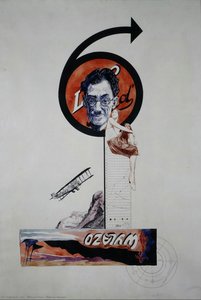 Poster design
Delve into the surreal world of Mieczysław Szczuka's 'Poster Design.' This 1925 Dadaist/Surrealist collage blends portraiture, architecture & abstract symbols. A captivating puzzle of warm colors and fragmented text.
In the neutral haven of Zurich, Switzerland, a small group of artists, poets, and intellectuals sought refuge from the horrors unfolding across Europe. Hugo Ball, a German writer and performer, established the Cabaret Voltaire in 1916 as a space for radical experimentation – a deliberate attempt to dismantle artistic conventions and challenge bourgeois sensibilities. The name itself, borrowed from the 18th-century satirist Voltaire, signaled an intent to mock societal norms with wit and irreverence. The Cabaret wasn’t merely a performance venue; it was a crucible where sound poems, nonsensical plays, and provocative art pieces were born. Emmy Hennings, Ball's wife and a gifted performer in her own right, contributed significantly to the atmosphere of chaotic creativity. Tristan Tzara, another key figure, quickly became a leading theorist and propagandist for the movement, disseminating its ideas through manifestos that deliberately defied coherent explanation. The very act of naming their collective “Dada” – reportedly chosen at random by stabbing a dictionary with a knife – underscored their rejection of logic and embrace of chance. It was an anti-movement, born from negation, a deliberate attempt to dismantle the established order.
Key Principles & Techniques: Challenging Artistic Conventions
 Wikipedia: Collage
Collage (, from the French: coller, "to glue" or "to stick together") is a technique of art creation, primarily used in the visual arts, but in music too, by which art results from an assembly of different forms, thus creating a new whole. (Compare w...
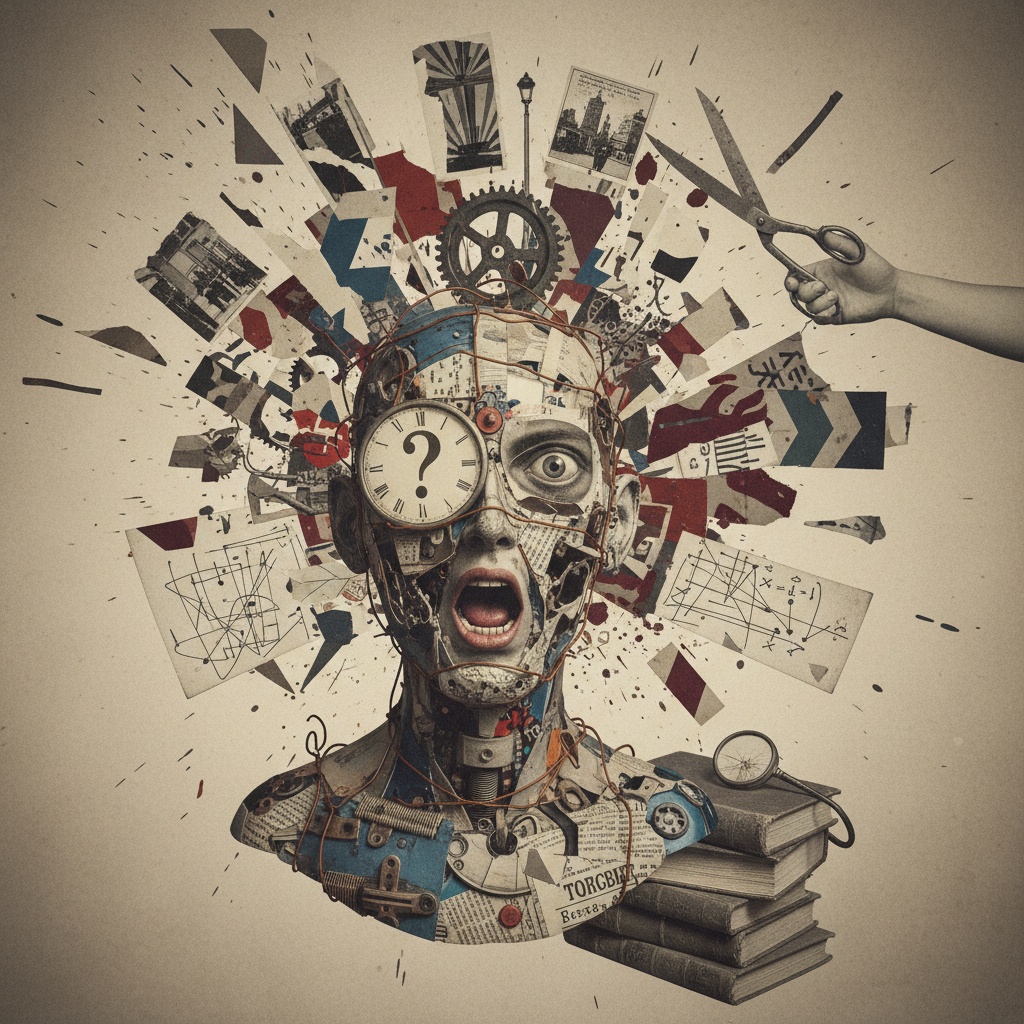
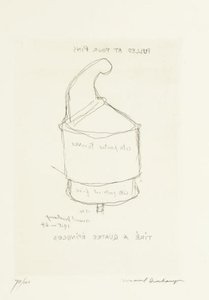
At its core, Dada was a rebellion against reason, beauty, and societal norms. Artists deliberately abandoned traditional aesthetic principles, embracing absurdity, irrationality, and chance as creative tools. Collage, utilizing fragments of newspapers, magazines, and everyday objects, became a defining technique – a visual representation of the fragmented reality they perceived. This wasn’t simply about assembling disparate elements; it was about disrupting meaning and challenging the viewer to question their own perceptions. Readymades, pioneered by Marcel Duchamp, took this concept even further. By presenting ordinary manufactured objects as art – a urinal famously titled “Fountain” being the most iconic example – Duchamp questioned the very definition of artistic creation and the role of the artist. Performance art also played a crucial role, often involving provocative and nonsensical acts designed to shock and disorient audiences. The use of photomontage, pioneered by artists like Hannah Höch, further blurred the lines between reality and representation, creating jarring juxtapositions that reflected the chaos of modern life. These techniques weren’t merely stylistic choices; they were deliberate strategies for dismantling artistic hierarchies and challenging the authority of established institutions.
Prominent Figures and Their Radical Visions
While Dada was a collective spirit rather than a unified style, several key figures emerged as its most prominent voices. Marcel Duchamp, with his readymades and conceptual approach, fundamentally altered the understanding of art itself. Jean Arp explored biomorphic forms in sculpture and collage, often employing chance operations to determine composition – a rejection of conscious control. Max Ernst, through works like “Stratified Rocks,” embraced automatism and surreal imagery, delving into the subconscious mind. Kurt Schwitters developed his unique “Merz” collages, incorporating found objects from his immediate environment into complex assemblages that reflected the detritus of modern life. Raoul Hausmann’s photomontages were often politically charged, critiquing societal structures and challenging conventional notions of beauty. These artists weren't simply creating aesthetically pleasing objects; they were engaging in a radical critique of culture, politics, and the very nature of reality. Their work was deliberately provocative, intended to disrupt complacency and force viewers to confront uncomfortable truths.
Dada’s Legacy: Influence on Subsequent Art Movements
Though relatively short-lived – lasting roughly from 1916 to 1924 – Dada exerted a profound influence on subsequent art movements. It directly paved the way for Surrealism, with its exploration of dreams, the unconscious, and automatism. The emphasis on chance operations and unconventional materials influenced Abstract Expressionism and Pop Art. Conceptual Art owes a significant debt to Duchamp’s readymades, which challenged the very notion of artistic skill and authorship. Performance art, installation art, and even contemporary digital art can trace their roots back to Dada’s experimental spirit. The movement's anti-establishment stance and its critique of societal norms continue to resonate with artists today. Dada wasn’t simply a rejection of tradition; it was a catalyst for innovation, liberating artists from the constraints of convention and opening up new possibilities for creative expression.
Exploring Dada Today: A Continuing Spirit of Rebellion
The spirit of Dada – its irreverence, its skepticism, and its commitment to challenging established norms – continues to inspire artists today. While the specific historical context that birthed the movement may have faded, the underlying themes of alienation, disillusionment, and the search for meaning remain remarkably relevant. Contemporary artists often employ similar techniques – collage, assemblage, performance art – to critique societal structures and explore complex issues. The legacy of Dada can be seen in works that question consumerism, political power, and the nature of reality itself. ArtsDot.com offers a unique opportunity to engage with this revolutionary movement through high-quality reproductions of key Dada artworks, allowing you to bring the spirit of rebellion into your own space. Explore the diverse range of pieces by Duchamp, Arp, Ernst, and others, and discover how their radical visions continue to challenge and inspire us today. Consider commissioning a custom reproduction – perhaps transforming a personal photograph in the style of a Dada collage – as a powerful statement against conformity and a celebration of artistic freedom.