The Avant-Garde Spark: Challenging Artistic Conventions
 Wikipedia: Avant-garde
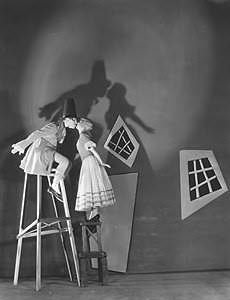
In the arts and literature, the term avant-garde (from French meaning 'advance guard' or 'vanguard') identifies an experimental genre or work of art, and the artist who created it, which usually is aesthetically innovative, whilst initially being ide...
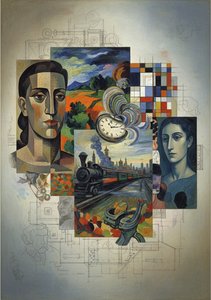
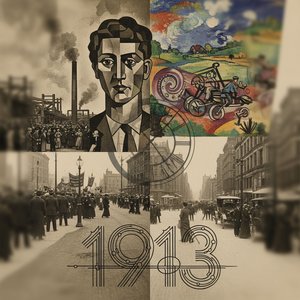
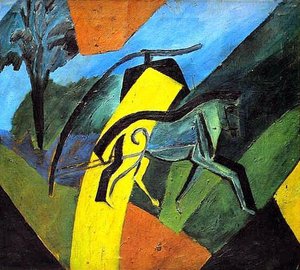
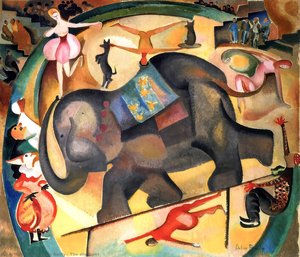
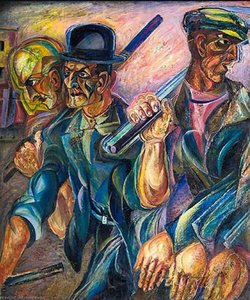
The dawn of the 20th century witnessed a seismic shift in artistic thought, a deliberate dismantling of established norms that reverberates through art history even today. This wasn’t merely an evolution; it was a revolution – the birth of the avant-garde. For centuries, Western painting had largely adhered to principles of representation, striving for mimetic accuracy and idealized beauty. But as the world hurtled towards modernity, artists began questioning the very purpose of art itself. Why replicate reality when photography could do so with such precision? The answer lay in exploring the internal landscape, subjective experience, and the fundamental elements of visual language. This spirit of rebellion, fueled by rapid industrialization, philosophical upheaval, and a burgeoning sense of individual expression, found its initial voice in movements like Fauvism and Cubism – radical departures that shattered conventions and paved the way for abstract art.
Fauvism's Bold Palette: A Revolution in Color
Fauvism ( FOH-viz-əm) is a style of painting and an art movement that emerged in France at the beginning of the 20th century. It was the style of les Fauves (French pronunciation: [le fov], the wild beasts), a group of modern artists whose works emph...
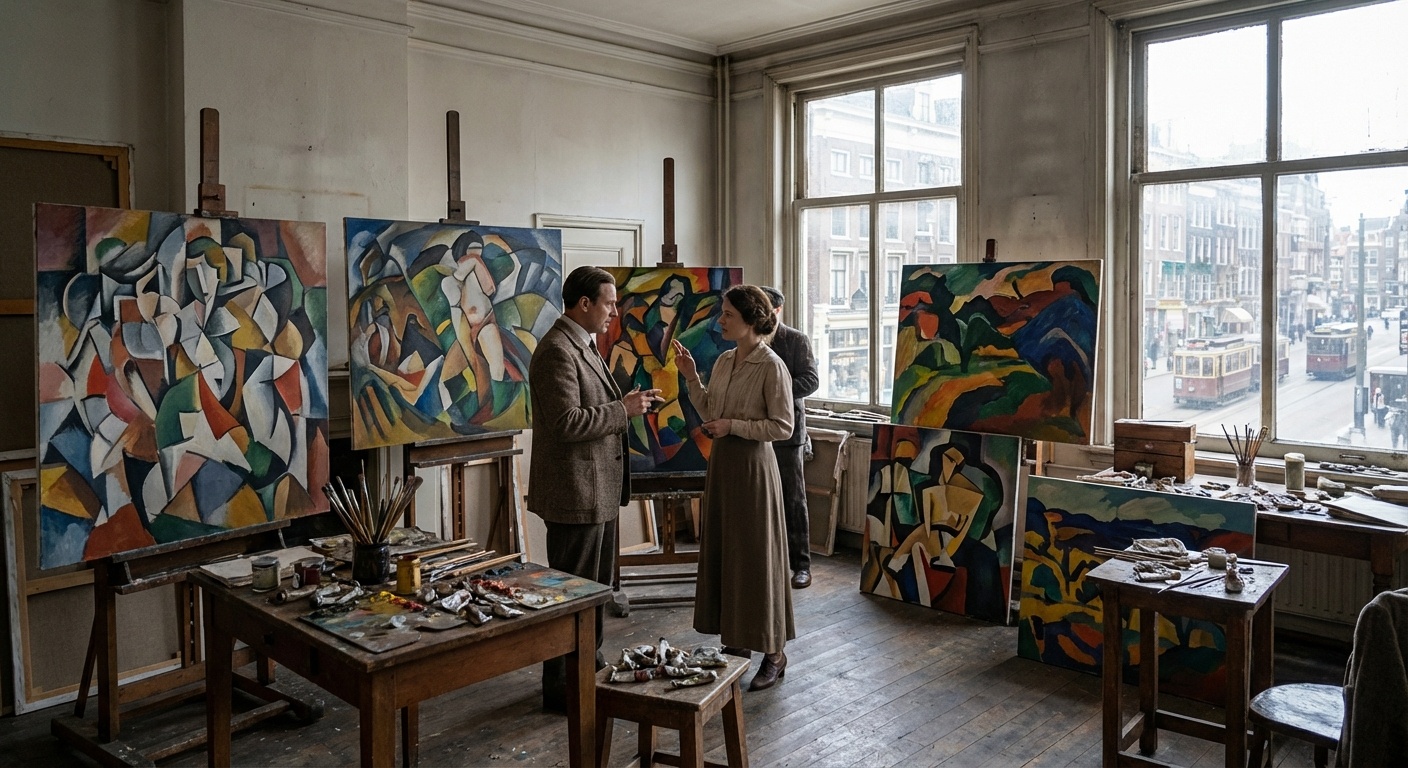
Emerging around 1905 in France, Fauvism—meaning “wild beasts”—was a brief but intensely impactful eruption of pure chromatic energy. Led by Henri Matisse and André Derain, these artists rejected the subtle harmonies of Impressionism in favor of unrestrained, often arbitrary color. Imagine canvases ablaze with non-naturalistic hues: fiery reds, vibrant yellows, and startling blues applied directly from the tube, thick and impastoed. This wasn’t about depicting a scene accurately; it was about conveying emotion through the sheer power of color itself. Matisse's “Woman with a Hat” (1905), for example, scandalized critics with its jarring palette and seemingly careless brushwork. Yet, beneath the apparent simplicity lay a profound exploration of form and composition. The Fauves weren’t simply painting *what* they saw; they were painting *how* they felt about what they saw. Their influence extended beyond color theory, liberating artists from the constraints of realistic depiction and emphasizing the painterly qualities of the medium.
Cubism’s Fragmented Vision: Deconstructing Reality
Cubism is an early-20th-century avant-garde art movement which began in Paris. It revolutionized painting and the visual arts, and sparked artistic innovations in music, ballet, literature, and architecture. Cubist subjects are analyzed, broken up, a...
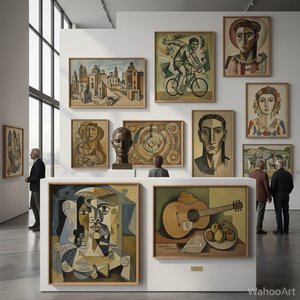
If Fauvism unleashed color, Cubism fractured form. Initiated by Pablo Picasso and Georges Braque around 1907, this movement represented a far more intellectual and analytical approach to painting. Rather than presenting objects from a single viewpoint, Cubists dissected them into geometric shapes and reassembled them on the canvas, showing multiple perspectives simultaneously. This wasn’t an attempt to distort reality but rather to represent it more comprehensively. Consider Braque's “The Fruitdish” (private collection), a seemingly simple still life that reveals a complex interplay of planes and angles. The subject is not merely depicted; it is analyzed, broken down, and reconstructed in a way that challenges our perception of space and form. Early Cubism, often referred to as Analytical Cubism, employed a muted palette—grays, browns, and blacks—to focus on the structural elements of the composition. Later phases, known as Synthetic Cubism, reintroduced color and collage, further blurring the boundaries between painting and sculpture.
Alice Bailly and David Burliuk: Pioneering Expressionists on the Cusp of Change
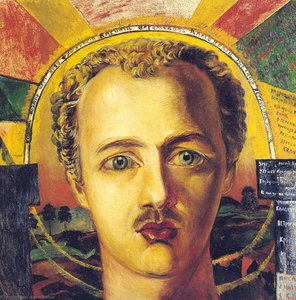
While Fauvism and Cubism dominated the Parisian art scene, other artists were forging their own paths at the periphery. Alice Bailly, a Swiss painter who spent time in Paris, stands as a compelling example of an artist embracing both Cubist and Expressionist sensibilities. Her “Self Portrait” is a dynamic work characterized by warm tones, bold brushstrokes, and a symbolic depth that hints at inner turmoil. She experimented with unconventional materials like wool, creating textured surfaces that added another layer of complexity to her compositions. Simultaneously, David Davidovich Burliuk, often hailed as the “Father of Russian Futurism,” was pushing boundaries in Eastern Europe. His vibrant paintings and passionate advocacy for avant-garde art played a pivotal role in shaping the trajectory of modernism in Russia. Both Bailly and Burliuk demonstrate that artistic innovation wasn’t confined to a single location or style; it was a global phenomenon driven by individual vision and a shared desire to break free from tradition.
Beyond Representation: The Influence of Primitivism and Psychological Exploration
The radical shifts in early 20th-century art weren't solely about formal experimentation. They were also deeply intertwined with broader cultural and intellectual currents. Artists increasingly looked beyond the Western canon for inspiration, turning to non-European art forms—African sculpture, Oceanic masks, Japanese woodblock prints—often referred to as “Primitivism.” This wasn’t simply an aesthetic fascination; it was a search for authenticity, spirituality, and a direct connection to primal forces. Furthermore, the burgeoning field of psychology, particularly the work of Sigmund Freud, profoundly influenced artists' exploration of the subconscious mind. The emphasis on emotion, instinct, and dreamlike imagery found expression in movements like Expressionism and Surrealism. This period saw a move away from objective representation towards subjective experience, with artists seeking to capture the inner workings of the human psyche.
The Legacy of 1911: Shaping the Course of Modern Art
The year 1911—a single twelve-month span—stands as a pivotal moment in art history. It was a period of intense experimentation, groundbreaking exhibitions, and fierce debate. The seeds of abstraction had been sown, and artists were increasingly challenging the very definition of what constituted “art.” The movements that emerged during this era – Fauvism, Cubism, Expressionism, Futurism—laid the foundation for countless subsequent artistic developments throughout the 20th and 21st centuries. Their legacy continues to inspire artists today, reminding us that art is not merely about replicating reality but about exploring new ways of seeing, feeling, and understanding the world around us. At ArtsDot.com, we are dedicated to making these masterpieces accessible, allowing you to experience the power and beauty of modern art firsthand through our meticulously crafted reproductions and custom painting services.