Introduction: The Seismic Shift – Setting the Stage for 1913
Modernism was an early 20th-century movement in literature, visual arts, performing arts, and music that emphasized experimentation, abstraction, and subjective experience. Philosophy, politics, architecture, and social issues were all aspects of thi...
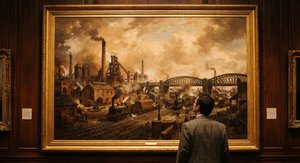
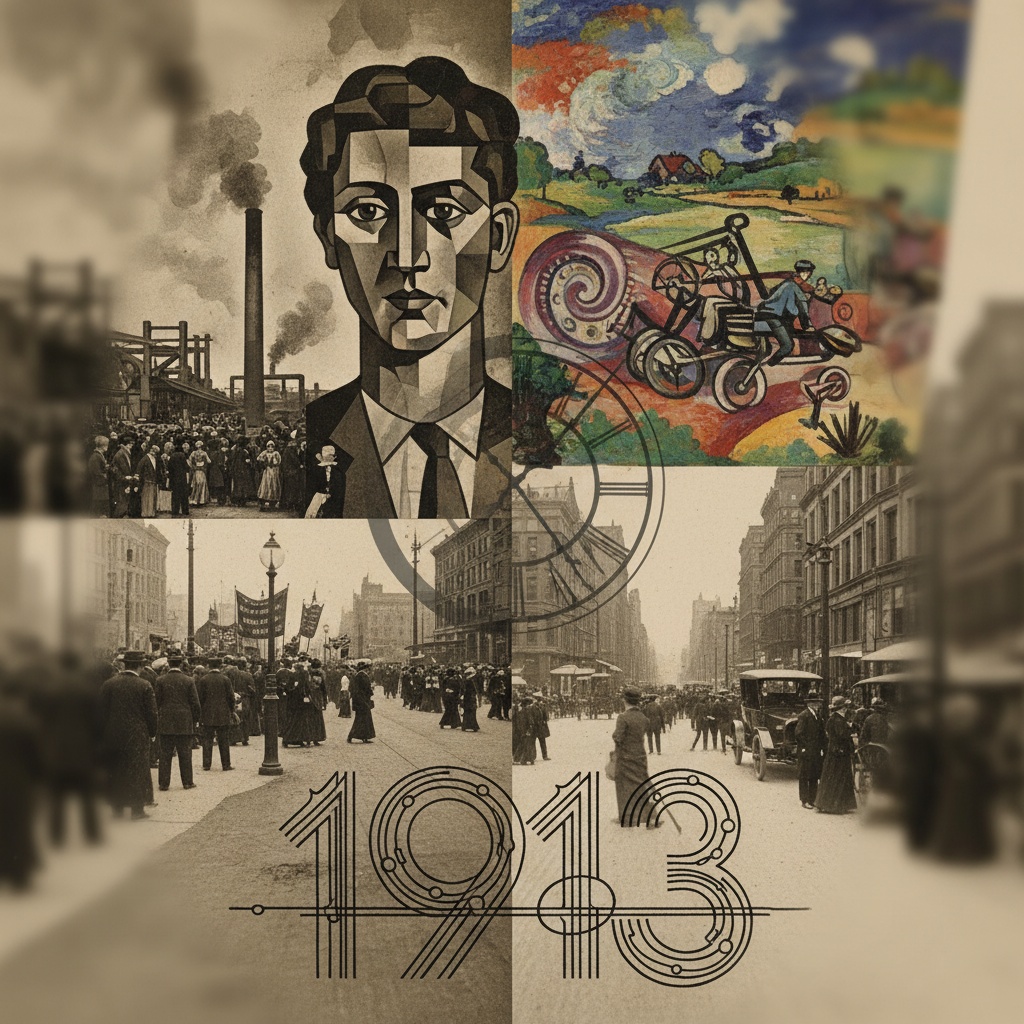
The year 1913 stands as a watershed moment in the history of art, a period not merely of stylistic evolution but of profound rupture with the past. It wasn’t a gradual unfolding; rather, it felt like an earthquake, shattering established conventions and ushering in an era defined by experimentation, abstraction, and a relentless questioning of representation itself. While the seeds of Modernism had been sown in the decades prior – Impressionism’s fleeting glimpses, Post-Impressionism’s subjective intensity – 1913 witnessed their explosive germination across Europe, fundamentally altering the trajectory of artistic expression. This was a year where artists didn't simply paint *what* they saw, but grappled with *how* we see, and what it means to represent reality in an increasingly fragmented world. The prevailing optimism of the Belle Époque had begun to fray, replaced by anxieties about industrialization, urbanization, and the looming specter of war – emotions that found potent expression in the radical new forms emerging from studios in Paris, Moscow, and beyond.
Cubism’s Ascent: Picasso, Braque, and the Fragmentation of Reality
Cubism is an early-20th-century avant-garde art movement which began in Paris. It revolutionized painting and the visual arts, and sparked artistic innovations in music, ballet, literature, and architecture. Cubist subjects are analyzed, broken up, a...
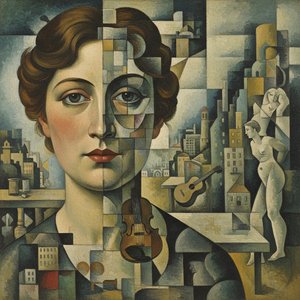
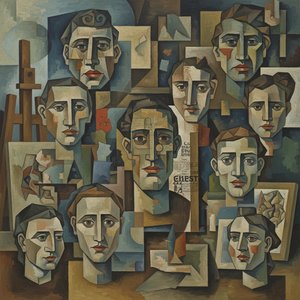
At the epicenter of this seismic shift lay Cubism, a movement spearheaded by Pablo Picasso and Georges Braque. By 1913, Cubism had moved beyond its initial explorations of Paul Cézanne's geometric forms to embrace a more radical deconstruction of perspective and representation. Works like Picasso’s “Seated Girl” (1910) exemplify this shift – the figure is not rendered as a unified whole, but broken down into facets, planes, and angles, simultaneously presenting multiple viewpoints. This wasn't merely an aesthetic choice; it was a deliberate attempt to challenge the traditional notion of a single, fixed reality. Braque’s contributions were equally pivotal, his canvases exploring similar themes with a quieter, more analytical approach. The influence extended beyond painting, impacting sculpture and laying the groundwork for future abstract movements. The rejection of illusionistic space forced viewers to actively engage with the artwork, reconstructing the image in their own minds – a revolutionary act that redefined the relationship between artist, subject, and audience. To truly appreciate this period is to understand it as an intellectual pursuit as much as an aesthetic one.
Beyond Paris: International Echoes of Modernist Innovation
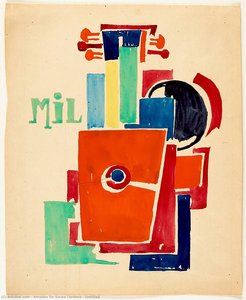
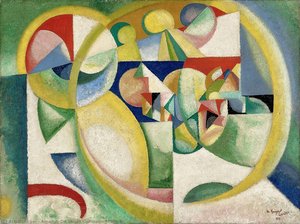
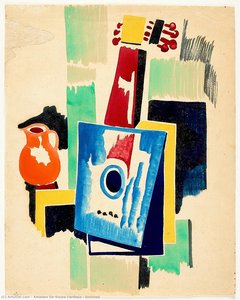
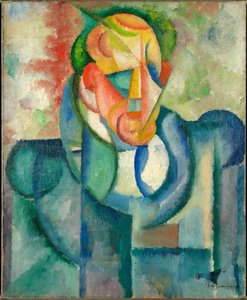
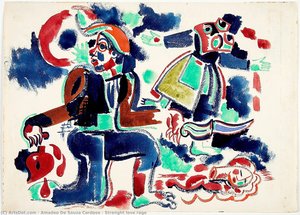
While Paris served as the crucible for many modernist ideas, the spirit of innovation quickly spread across Europe, taking root in diverse cultural contexts. In Portugal, Amadeo de Souza-Cardoso absorbed Cubist principles but infused them with a unique vibrancy and his own distinct sensibility, creating abstract compositions that resonated with both European trends and Portuguese folk traditions. Similarly, in Russia, artists like David Burliuk were forging their own path, blending Cubism with Futurism to capture the dynamism of modern life. The Russian avant-garde wasn’t simply imitating Parisian styles; it was actively seeking to create a new art for a new society, one that reflected the energy and upheaval of a rapidly changing world. Even in Japan, Yorosu Tetsugoro experimented with Cubist forms within the framework of Yōga painting, demonstrating the global reach of these artistic ideas. This international exchange highlights the interconnectedness of the modernist movement – a shared desire to break free from convention and explore new modes of expression.
The Russian Avant-Garde: Futurism and the Urge for a New World
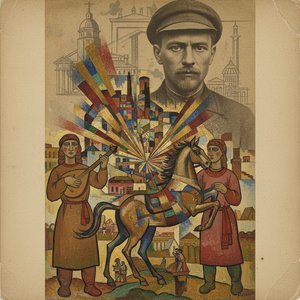
The Russian avant-garde, particularly its embrace of Futurism, represented a particularly radical strand of Modernist thought. Artists weren’t content with simply depicting reality; they sought to *become* part of it, celebrating speed, technology, and the energy of urban life. This manifested in bold geometric forms, dynamic compositions, and a rejection of traditional artistic materials. David Burliuk, a key figure in this movement, championed Cubo-Futurism, pushing the boundaries of painting and poetry alike. The Russian artists weren’t merely interested in aesthetic innovation; they were driven by a utopian vision – a desire to create a new world through art. This ambition extended beyond the canvas, influencing graphic design, theater, and even architecture. The movement's inherent political undertones would later become increasingly pronounced, reflecting the social and political turmoil of pre-revolutionary Russia.
Philosophical Undercurrents: Modernity, Alienation, and Artistic Rebellion
 Wikipedia: Avant-garde
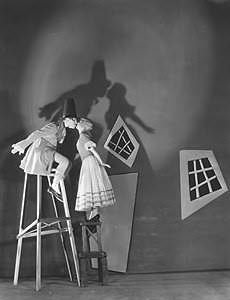
In the arts and literature, the term avant-garde (from French meaning 'advance guard' or 'vanguard') identifies an experimental genre or work of art, and the artist who created it, which usually is aesthetically innovative, whilst initially being ide...
The artistic upheavals of 1913 were inextricably linked to broader philosophical shifts. The growing sense of alienation in the face of industrialization and urbanization fueled a desire to reject traditional values and explore new ways of understanding the human condition. Thinkers like Henri Bergson challenged conventional notions of time and perception, influencing artists to focus on subjective experience rather than objective reality. This philosophical undercurrent is evident in the fragmented forms and ambiguous spaces of Cubist paintings – they weren’t simply representations of objects, but explorations of consciousness itself. The avant-garde, as a broader cultural phenomenon, was characterized by its rejection of established norms and its embrace of experimentation, often pushing boundaries that were considered ideologically unacceptable at the time. This rebellious spirit wasn't merely about aesthetics; it was a fundamental challenge to the very foundations of Western culture.
Collecting 1913: Identifying Key Works and Emerging Artists
For today’s collector, acquiring works from this pivotal year represents an opportunity to own pieces that stand at the genesis of Modernism. While iconic paintings by Picasso and Braque command significant prices, there are also compelling works by lesser-known artists like Fernand Léger, whose “Woman with a Book” (1923) exemplifies his unique style merging Cubism and Futurism, offering a fascinating glimpse into the era’s aesthetic diversity. Exploring the Russian avant-garde can yield equally rewarding discoveries – works by Burliuk or lesser-known Futurist painters offer compelling alternatives. When considering acquisitions, it's crucial to understand the artist’s context within the broader movement, their technical skill, and the work’s overall historical significance. ArtsDot.com provides a curated selection of reproductions and original artworks from this period, offering collectors access to museum-quality pieces at various price points. Our team of art experts can provide personalized guidance on style advice, size recommendations, and artwork appraisal, ensuring informed investment decisions. Discover the enduring legacy of 1913 – a year that continues to shape our understanding of art and its power to reflect and transform the world.