 Preview
 Send
Send Share
Share
 Details

 Download
 Similars
 X-Ray
X-Ray Diaporama
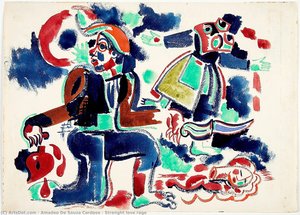
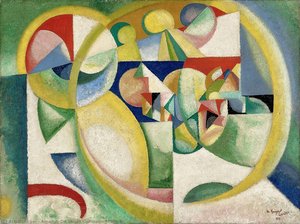
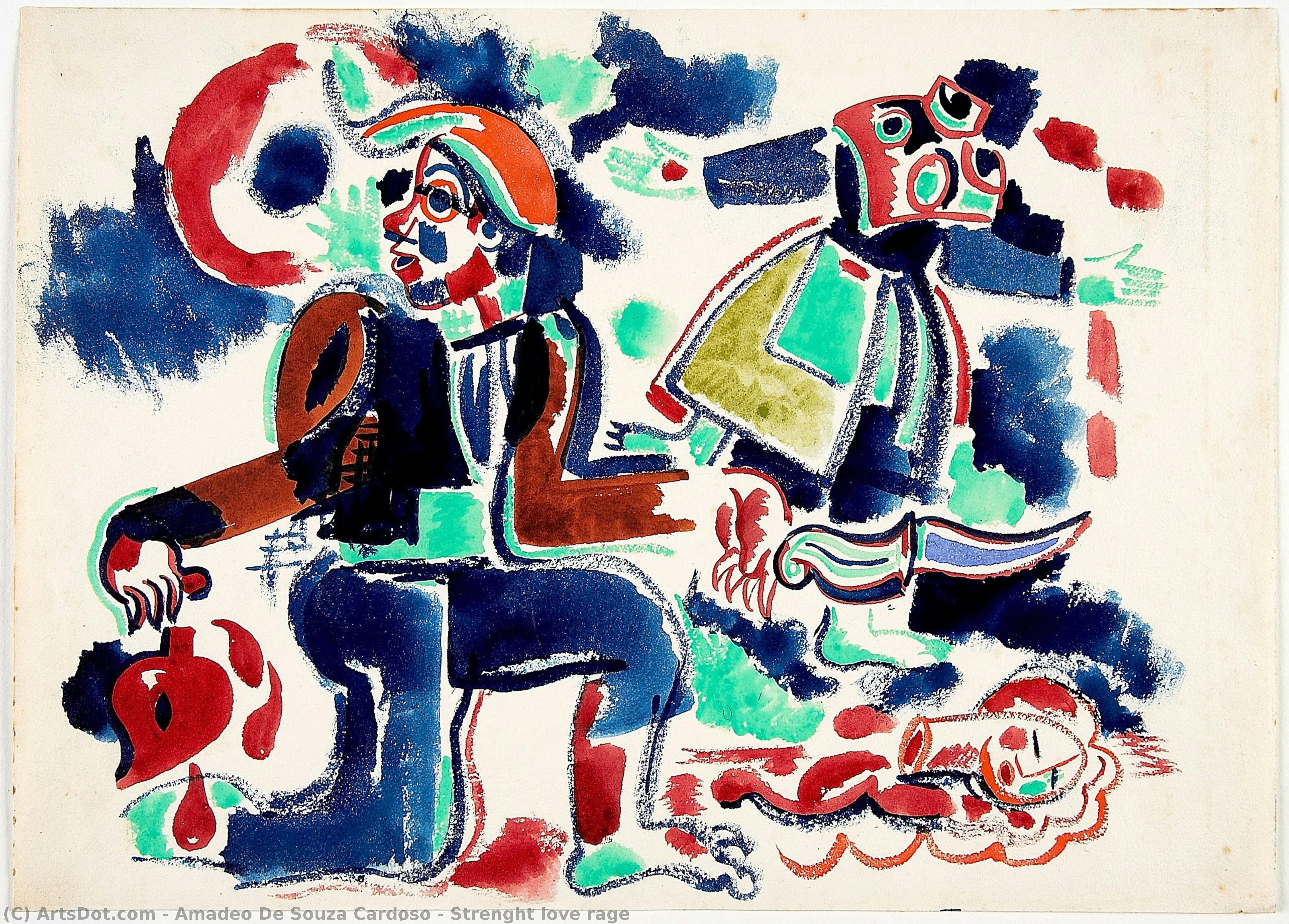
Strenght love rage
 Acrylic On Canvas
- WallArt
- Cubism
 1913
1913 23.0 x 33.0 cm
 Centro de Arte Moderna Gulbenkian
 Read More
Hand Made Oil Reproduction
Hand-painted oil on canvas in your size and frame, made to order by our artists. ( Buy Print Buy Image)




P118B $10

P118H $10

P118W $10

P438Z $10

P508JH $12

P508YH $12

P805H $10

P805Z $10

P919BZ $10

P919G $10

P919XJ $10

P959ZH $10

P968JZ $12

W106C $8

W218G $10

W218JH $8

W218Y $10

W307PJ $10

W316G $10

W316PJ $8

W316Y $10

W398PJ $8

W4111J $10

W500HY $15

W500JH $15

W692G $12

W849H $8

W940BG $15

W953PJ $8




Pick from our preset sizes that match the artwork's original proportions.

You may enter your own dimensions to fit a specific frame or space. If your selected size does not match the original image's proportions, we will either crop the artwork or extend the painting with additional hand-painted elements. A digital mockup will be sent for your approval before production begins.
Please note that the on-screen preview does not reflect the actual cropping or extension. Only the mockup will accurately show the final composition.
While custom sizes are available, we recommend selecting a dimension from the predefined list to preserve the original proportions.
After order, ArtsDot.com team will email client for instructions and provide a mockup preview
Worldwide Delivery () in 3/4 weeks instead of standard 5 weeks. (16 August). No compromise on quality.

Free Worldwide Express Shipping

High-Quality Linen Canvas

Full Shipping Insurance

Customs Tax Refund Guarantee

True Color Matching Guarantee

60-Day Return Policy (Defects Only)

100% Money-Back Guarantee

Bulk Discount Offer
 Glass option is only available in size under 110 CM

Strenght love rage
Reproduction Medium
Reproduction Size
-


Total Price
$ 263
Artwork Description
A Tempestuous Tableau: Unveiling “Strenght Love Rage”
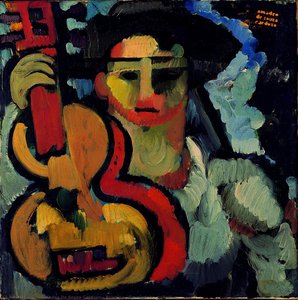
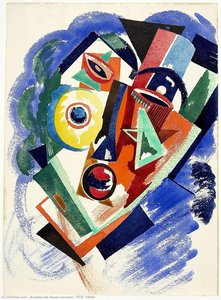
Amadeo de Souza-Cardoso’s “Strenght Love Rage,” painted in 1913, isn't merely a depiction of two figures; it’s a raw and intensely felt embodiment of human connection amidst turmoil. Created during a pivotal period of artistic experimentation – the dawn of modernism – this watercolor captures a moment suspended between conflict and affection, rendered with a vibrant palette and an almost palpable sense of urgency. The painting immediately draws the eye to the central figures, a man and a woman standing close together, their hands intertwined within a shared bowl. This simple gesture speaks volumes about the complex interplay of emotions at play: a silent promise of support, perhaps, or a recognition of mutual vulnerability.
Souza-Cardoso, a Portuguese artist deeply influenced by the avant-garde movements of Paris – Cubism, Futurism, and Expressionism – masterfully employs loose brushstrokes and fragmented forms to convey this emotional intensity. The figures themselves are not sharply defined; instead, they dissolve into planes of color, mirroring the swirling currents of feeling within them. Notice how the man’s beard, rendered in bold strokes of red and orange, seems to radiate outward, suggesting a surge of passion or perhaps even anger. Conversely, the woman's attire is subdued, dominated by blues and greens, hinting at a more contemplative state – a quiet strength that balances the tempestuous energy around her.
The Symbolism of Apples and Shared Vessels
Scattered throughout the composition are several apples, strategically placed near both figures. In art historical context, the apple is a potent symbol, often associated with temptation, knowledge, and even love’s bittersweet nature. Here, their presence suggests nourishment – not just physical sustenance but also emotional support and shared experience. The bowl they hold further amplifies this symbolism; it represents a vessel of connection, a container for both joy and sorrow, offering a space for intimacy and vulnerability. The arrangement isn't random; the apples seem to orbit the figures, reinforcing their central role within the scene.
Furthermore, consider the color palette itself. The dominant hues – reds, oranges, blues, greens, yellows, and purples – are not used in a harmonious way. Instead, they clash and blend, creating a dynamic visual rhythm that mirrors the emotional turbulence depicted. Souza-Cardoso deliberately avoids traditional perspective, opting for an almost flattened space that intensifies the feeling of immediacy and draws the viewer directly into the scene.
A Pioneer Caught Between Worlds
“Strenght Love Rage” was created in 1913, a time when Amadeo de Souza-Cardoso was navigating the rapidly changing artistic landscape of Europe. He had spent formative years in Paris, absorbing the revolutionary ideas of the avant-garde and forging connections with some of the most influential artists of his generation. His work reflects this exposure – it’s infused with the energy of Cubism's fragmented forms and the dynamism of Futurism’s embrace of movement. Yet, Souza-Cardoso remained deeply rooted in Portuguese identity, seeking to forge a distinctly modern artistic voice while honoring his heritage.
Sadly, Souza-Cardoso’s life was tragically cut short at the age of 30, just as he was beginning to gain international recognition. His untimely death robbed the art world of a truly visionary talent, and for many years his work remained largely forgotten. Today, however, “Strenght Love Rage” stands as a testament to his extraordinary artistic potential – a powerful and evocative painting that continues to resonate with viewers seeking to understand the complexities of human emotion.
A Timeless Reflection on Connection
“Strenght Love Rage” is more than just a beautiful watercolor; it’s a profound meditation on the nature of relationships, the interplay of emotions, and the enduring power of art. Its raw intensity, combined with Souza-Cardoso's masterful technique, creates an image that lingers in the mind long after viewing. Whether displayed as a striking centerpiece or a subtle addition to your interior design scheme, this painting offers a captivating glimpse into the heart of modernism and a timeless reflection on the complexities of human connection.
Related Artworks
Artist Biography
A Pioneer of Portuguese Modernism: The Life and Art of Amadeo de Souza-Cardoso
Amadeo de Souza-Cardoso, a name resonating with the vibrant energy of early 20th-century modernism, remains a somewhat enigmatic figure despite his pivotal role in bridging Portuguese art to the international avant-garde. Born on November 14, 1887, in Manhufe, a picturesque parish of Amarante in Portugal, his brief but intensely creative life was marked by a restless spirit and an unwavering dedication to artistic innovation. From humble beginnings rooted in the rural landscapes of his homeland, Souza-Cardoso embarked on a journey that would lead him to the heart of Parisian modernism, where he forged connections with some of the most influential artists of his time – Modigliani, Brancusi, Delaunay, and Gris among them. His early education began with architectural studies in Lisbon, but it was the allure of painting, particularly the expressive power of caricature, that truly captured his imagination and set him on a path toward artistic exploration. This initial foray into art wasn’t merely technical training; it was an awakening to the potential of visual language as a means of commentary and self-expression.Parisian Encounters and Artistic Development
The year 1906 marked a turning point, as Souza-Cardoso relocated to Paris, immersing himself in the city’s thriving artistic milieu. Initially continuing his architectural pursuits, he soon gravitated towards painting, quickly absorbing the radical ideas that were reshaping the art world. The influence of Cubism and Futurism became increasingly apparent in his work around 1910, establishing him as one of Portugal's first true modern painters. However, Souza-Cardoso didn’t simply mimic these movements; he synthesized them with his own unique sensibility, creating a style characterized by bold forms, vibrant colors, and dynamic compositions. His paintings weren’t merely representations of reality but rather explorations of perception, emotion, and the very essence of form itself. Works like *Saut du Lapin* (1911) and *Cabeça* (1913) exemplify this period, showcasing his experimentation with fragmented perspectives and a heightened sense of chromatic intensity. These weren’t chaotic arrangements but carefully balanced structures, revealing a deliberate artistic vision beneath the surface of apparent randomness. He participated in key exhibitions, including the Salon des Indépendants and, crucially, the groundbreaking 1913 Armory Show in New York, bringing his innovative work to an international audience.A Synthesis of Influences: Between Portugal and Paris
Souza-Cardoso’s artistic journey wasn't a complete severance from his Portuguese roots. Despite embracing the avant-garde spirit of Paris, he maintained a strong connection to his homeland, frequently returning to Manhufe. This duality is reflected in his art, where themes and motifs drawn from Portuguese culture – religious processions, rural landscapes, folk traditions – are interwoven with modernist techniques. *Entrada* (1917) and *Pintura* (1917), created during a period of renewed engagement with Portugal, demonstrate this synthesis, showcasing an increasing tendency towards abstraction while retaining a distinctly Portuguese flavor. This ability to reconcile seemingly disparate influences was a hallmark of his artistic genius. He wasn’t simply adopting styles; he was transforming them, imbuing them with his own unique perspective and creating something entirely new. His work became a dialogue between cultures, a testament to the power of art to transcend geographical boundaries.Legacy and Remembrance: A Lasting Impact
Tragically, Amadeo de Souza-Cardoso’s promising career was cut short by his untimely death on October 25, 1918, at the age of just thirty. He succumbed to pneumonia during the Spanish Flu pandemic, leaving behind a relatively small but remarkably impactful body of work. For many years, his contributions were overlooked, overshadowed by more prominent figures in the modernist movement. However, in recent decades, there has been a growing recognition of his significance as a pioneer of Portuguese modernism and an important voice within the broader European avant-garde. Two major retrospectives – one in 1958 and another at the Grand Palais in Paris in 2016 – have helped to reintroduce his work to a wider audience, solidifying his place in art history. Today, his paintings can be found in museums around the world, including the Plymouth City Museum and Art Gallery, alongside works by other notable artists. His legacy continues to inspire contemporary artists, serving as a reminder of the power of artistic innovation and the enduring importance of cultural exchange.Key Characteristics of Souza-Cardoso’s Work
- Innovative Style: A pioneering approach to modern Portuguese art, blending Cubism, Futurism, and his own unique sensibility.
- Vivid Color Palette: Characterized by aggressive and vibrant use of color, creating dynamic and emotionally resonant compositions.
- Dynamic Composition: Often employing fragmented perspectives and seemingly chaotic arrangements that are, in fact, carefully balanced and structured.
- Cultural Synthesis: A unique ability to integrate Portuguese themes and motifs with modernist techniques, creating a dialogue between cultures.
- Early Abstraction: Exploration of abstraction, particularly in his later works, pushing the boundaries of representational art.
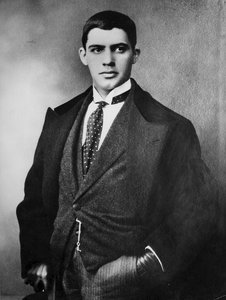
Amadeo de Souza-Cardoso
1887 - 1918 , Portugal
Quick Facts
- Artistic Movement Or Style: Cubism, Futurism, Modernism
- Artists Who Influenced This Artist:
- Modigliani
- Brancusi
- Delaunay
- Date Of Birth: November 14, 1887
- Date Of Death: October 25, 1918
- Full Name: Amadeo de Souza-Cardoso
- Nationality: Portuguese
- Notable Artworks:
- Saut du lapin
- Cabeça
- Entrada
- Pintura
- Place Of Birth: Manhelices, Portugal
Related Articles

Demandes Commerciales
APS ofrece reproducciones de bellas artes y encargos personalizados desde 2004. Confían en nosotros corporaciones, hoteles y coleccionistas selectos para obras de arte de calidad museística, servicio discreto y soluciones artísticas completas. ¡Póngase en contacto con nosotros para obtener un presupuesto personalizado!

Watercolor Wonders: 10 Masterpieces That Redefined Art History | ArtsDot
Journey through 10 legendary watercolor masterpieces by Sargent, Turner & Homer! Explore iconic landscapes, portraits & floral art that redefined history. Find museum-quality reproductions and curated decor ideas at ArtsDot.com.

Goya's Masterpieces: Explore 25 Iconic Paintings & Art Prints | ArtsDot
Delve into the world of Francisco Goya with ArtsDot. Explore 25 iconic paintings – from 'The Third of May' to his haunting Black Paintings. Discover the stories, techniques & emotions behind these Spanish masterpieces. Find museum-quality art reproductions for your home at ArtsDot.com!

Ephemeral Visions: Exploring the Artistic Legacy & Contemporary Practice of Watercolor Painting
Explore the captivating world of watercolor painting! Discover its rich history, essential techniques, influential artists & collecting tips. A comprehensive guide for art enthusiasts from ArtsDot.
Ephemeral Visions: Exploring the History & Emotional Resonance of Watercolor Painting
Explore the captivating history of watercolor painting, from ancient techniques to modern masters like Kandinsky & Blake. Discover essential artists, collecting tips & the emotional power of this luminous medium. Expert insights for art enthusiasts.