The Rise of Genre Painting: Beyond Historical Grandeur
For centuries, the hierarchy of art was firmly established. History painting – grand narratives of mythology, religion, and heroic deeds – reigned supreme. Portraits of nobility held a respected position, while landscapes and still lifes occupied a more modest tier. But simmering beneath this conventional order lay a quiet revolution: the emergence of genre painting, an artistic pursuit dedicated to depicting the seemingly mundane realities of everyday life. This wasn’t merely about capturing what *was* painted; it was about elevating it – finding dignity, beauty, and profound meaning in the ordinary experiences of common people. The initial resistance to this shift speaks volumes about the prevailing cultural values. To focus on a tavern brawl or a woman writing a letter was considered by some as lacking intellectual weight, a frivolous departure from the noble themes that had defined artistic excellence for generations. Yet, it was precisely this embrace of the commonplace that would unlock new avenues of artistic expression and offer unprecedented insights into the lives and customs of past societies.
Dutch Masters & Domestic Life: A Golden Age of 'Scene'
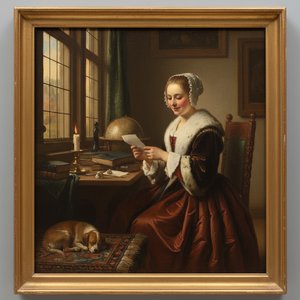
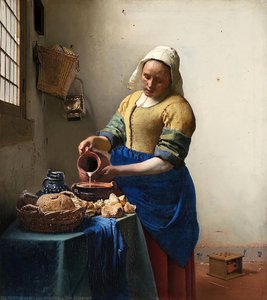
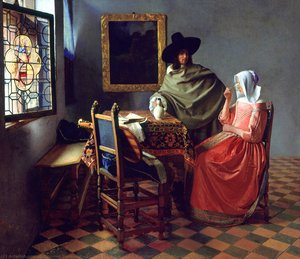
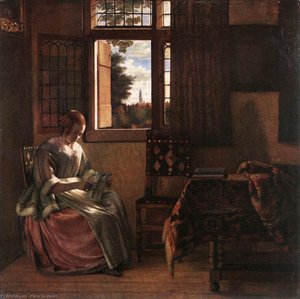
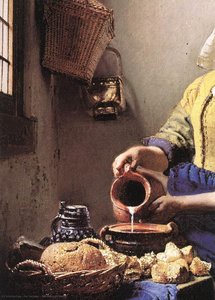
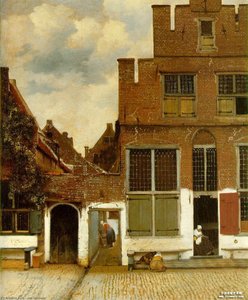
The 17th century Netherlands witnessed an extraordinary flourishing of genre painting, a period often hailed as its “Golden Age.” Several factors converged to create this fertile artistic landscape. The burgeoning middle class possessed both the wealth and the desire for art that reflected their own lives – scenes they could readily identify with, unlike the lofty narratives reserved for aristocratic patrons. Artists responded by meticulously documenting domestic interiors, bustling markets, and lively taverns with remarkable realism and attention to detail. Names like Johannes Vermeer, Pieter de Hooch, and Frans Hals became synonymous with this new style. Vermeer’s “Woman Reading a Letter,” for instance, isn't simply a depiction of a solitary figure; it’s a masterclass in capturing the quiet intimacy of domestic life, the play of light on surfaces, and the subtle emotional nuances of human experience. Hals, renowned for his dynamic brushwork, infused his tavern scenes with an energy and immediacy that captured the vivacity of Dutch social life. This wasn’t just observation; it was a celebration of everyday moments, rendered with technical brilliance and a keen understanding of human character.
Symbolism in the Everyday: Unveiling Hidden Narratives
To dismiss genre painting as merely realistic would be a grave oversight. Beneath the surface of seemingly straightforward depictions often lay layers of symbolism and moral commentary. Artists frequently embedded hidden meanings within their compositions, inviting viewers to decipher subtle clues and contemplate deeper themes. A discarded shoe might represent marital fidelity or infidelity; a half-eaten meal could symbolize gluttony or temperance. Gabriel Metsu’s “The Poultry Seller,” for example, is deceptively simple at first glance. However, the suggestive pose of the rooster and the double entendre inherent in Dutch vocabulary reveal a playful, yet pointed, commentary on human desire. Jan Steen's works are particularly rich in allegorical references, often presenting seemingly cheerful scenes with underlying moral lessons about family life and societal norms. This interplay between realism and symbolism elevated genre painting beyond mere documentation; it transformed everyday scenes into vehicles for social critique and philosophical reflection.
Genre Painting Across Cultures and Centuries: Expanding Perspectives
While the Dutch Golden Age represents a pinnacle of genre painting, its roots extend far deeper and its influence resonates across cultures and centuries. Medieval illuminated manuscripts, such as the *Très Riches Heures du Duc de Berry,* offer glimpses into peasant life and agrarian activities, foreshadowing the later focus on everyday scenes. In 16th-century Flanders, artists like Pieter Bruegel the Elder pioneered a naturalistic depiction of rural life, paving the way for the Dutch masters. Beyond Europe, similar explorations of daily life can be found in various artistic traditions, albeit often imbued with distinct cultural nuances. Louis Léopold Robert’s Italian landscapes and genre scenes, for example, capture the romantic spirit of 19th-century travel and a fascination with local customs. The enduring appeal of genre painting lies in its universality – the human experience transcends geographical boundaries and historical periods.
From Realism to Romanticism: Artistic Approaches to Daily Life
The artistic approaches within genre painting were remarkably diverse, ranging from meticulous realism to more romanticized interpretations of everyday life. Some artists prioritized accurate representation, striving to capture every detail with photographic precision. Others embraced a looser brushstroke and a heightened sense of emotion, imbuing their scenes with a subjective quality. Jan Victors (Jan Fictor), influenced by Caravaggio, employed dramatic chiaroscuro to create compelling biblical genre scenes, while Gerard Hoet focused on historical and mythological subjects, often incorporating elements of everyday life into his compositions. Pablo Picasso’s “The Ironer,” though later in the artistic timeline, demonstrates a continued fascination with the dignity of labor and the human form within a domestic setting. This spectrum of approaches underscores the versatility of genre painting – it wasn't defined by a single style but rather by its commitment to depicting the richness and complexity of human existence.
The Enduring Legacy of Genre Painting: Influence & Modern Relevance
Genre painting’s influence extends far beyond the confines of art history. It laid the groundwork for later movements like Realism and Impressionism, which further emphasized the depiction of everyday life and subjective experience. Its focus on social commentary paved the way for artists to address contemporary issues and challenge conventional norms. Even today, genre painting continues to resonate with audiences who appreciate its honesty, intimacy, and profound insights into the human condition. At ArtsDot.com, we celebrate this rich artistic tradition by offering high-quality reproductions of masterpieces from across the centuries, allowing you to bring the beauty and storytelling power of genre painting into your own home. Explore our collection today and discover the enduring legacy of art that depicts the ordinary – and finds extraordinary meaning within it.