The Belle Époque: A Crucible of Change
The Belle Époque (French pronunciation: [bɛlepɔk]) or La Belle Époque (French for 'The Beautiful Era') was a period of French and European history that began after the end of the Franco-Prussian War in 1871 and continued until the outbreak of World W...
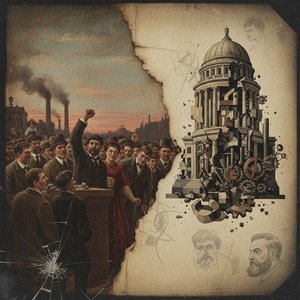
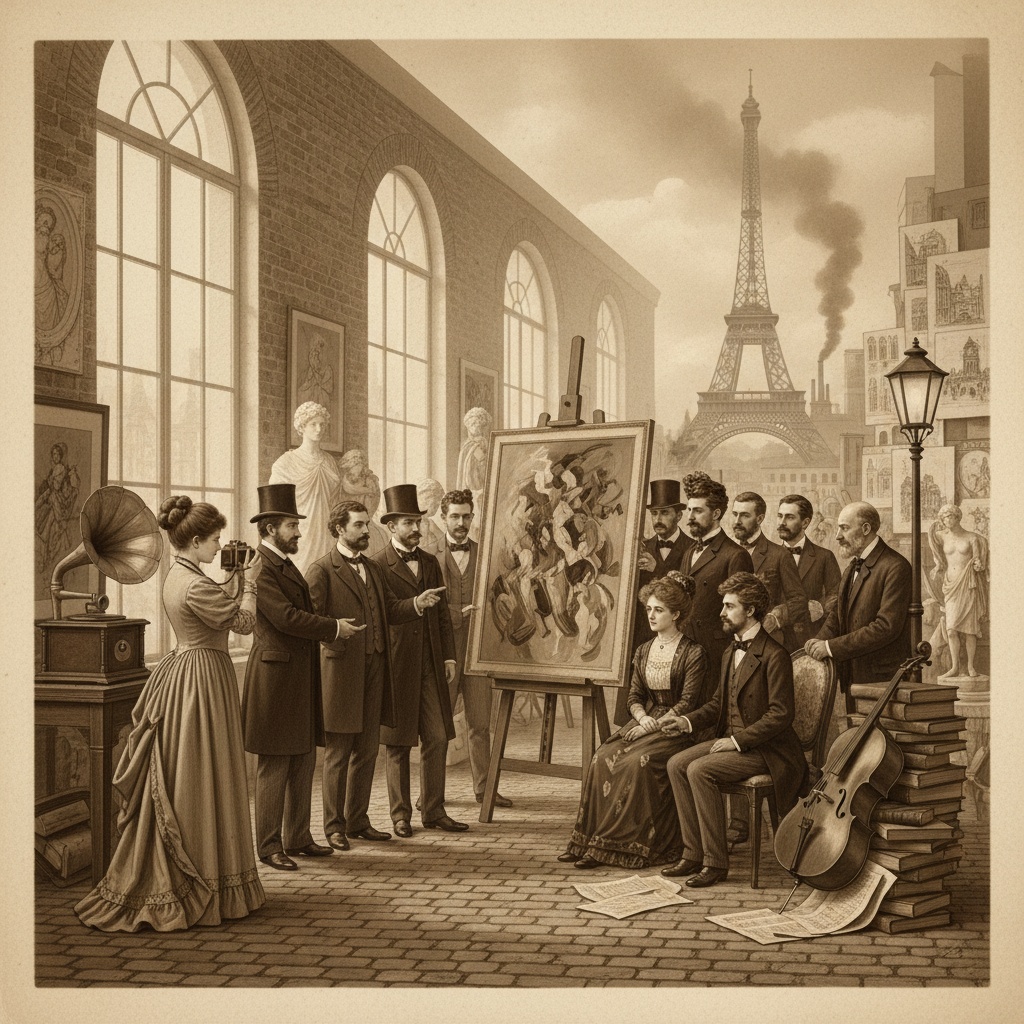
The term “Belle Époque,” meaning “beautiful era” in French, evokes images of Parisian cafes, glittering ballrooms, and a burgeoning sense of optimism that permeated Europe from the end of the Franco-Prussian War in 1871 to the outbreak of World War I. But beneath the surface of this seemingly idyllic period lay profound social, political, and technological shifts—a crucible within which modern art was forged. It was an age of unprecedented peace and prosperity, particularly for France, allowing artistic expression to flourish like never before. The rebuilding of Paris under Haussmann’s ambitious plan created a new urban landscape, one that would become both the subject matter and inspiration for a generation of artists seeking to capture the fleeting moments of modern life. This era wasn't simply about beauty; it was about *change*, about challenging conventions and exploring new ways of seeing the world.
The rise of industrialization brought with it not only economic growth but also a growing middle class eager for leisure activities and cultural experiences. This demand fueled the entertainment industry, from the cabarets of Montmartre to the grand expositions that showcased technological marvels. The Eiffel Tower, initially met with resistance, quickly became an iconic symbol of this new age—a testament to human ingenuity and progress. It was a time when science and art intertwined, influencing each other in profound ways. The Belle Époque provided fertile ground for artistic experimentation, setting the stage for the revolutionary movements that would follow.
Impressionism's Bold Departure & Parisian Life
Impressionism was a 19th-century art movement characterized by visible brush strokes, open composition, emphasis on accurate depiction of light in its changing qualities (often accentuating the effects of the passage of time), ordinary subject matter...
Emerging as a direct response to the rigid academic standards of the French art establishment, Impressionism represented a radical departure from tradition. Artists like Claude Monet, Pierre-Auguste Renoir, and Alfred Sisley abandoned the studio in favor of *plein air* painting—capturing the ephemeral effects of light and atmosphere directly on canvas. Their focus shifted from historical or mythological subjects to everyday scenes: bustling boulevards, serene landscapes, and intimate portraits of modern life. The name “Impressionism” itself was initially a pejorative term, coined by critic Louis Leroy after viewing Monet’s Impression, soleil levant (1872), but it ultimately stuck, becoming synonymous with the movement's innovative approach.
The Impressionists weren’t merely interested in depicting *what* they saw; they were concerned with *how* they saw it. Visible brushstrokes, open compositions, and a vibrant palette of colors were used to convey the sensation of light and movement. Paintings like Renoir's Young Woman Seated exemplify this focus on capturing fleeting moments and the play of light on form. The artists faced harsh criticism for their seemingly unfinished style, but they persevered, driven by a desire to represent the world as they experienced it—a world constantly in flux. Paris became their laboratory, its streets and cafes providing endless inspiration.
Post-Impressionism: Beyond Light and Color
Post-Impressionism (also spelled Postimpressionism) was a predominantly French art movement which developed roughly between 1886 and 1905, from the last Impressionist exhibition to the birth of Fauvism. Post-Impressionism emerged as a reaction agains...
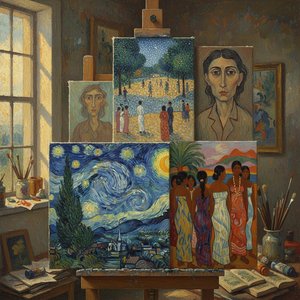
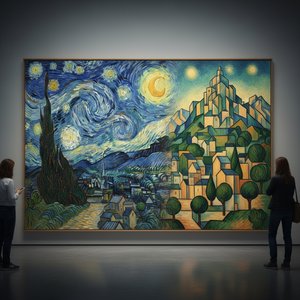
By the mid-1880s, Impressionism had begun to evolve, giving rise to Post-Impressionism—a diverse movement that rejected the naturalistic depiction of light and color in favor of more abstract qualities or symbolic content. While building upon the foundations laid by the Impressionists, artists like Paul Cézanne, Vincent van Gogh, and Georges Seurat sought to explore deeper emotional and psychological themes. Post-Impressionism wasn’t a unified style but rather a collection of individual approaches, each artist forging their own unique path.
Cézanne, often referred to as the “father of Post-Impressionism,” aimed to restore structure and order to painting, reducing objects to their basic geometric forms. Seurat developed Pointillism—a meticulous technique involving the application of tiny dots of color that blended optically in the viewer’s eye. This scientific approach contrasted sharply with the more intuitive methods of other Post-Impressionists. The movement encompassed a wide range of styles, including Les Nabis, Symbolism, and Cloisonnism, reflecting the growing desire for artistic experimentation and individual expression.
Van Gogh, Gauguin, and the Search for Expression
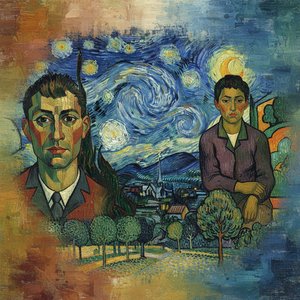
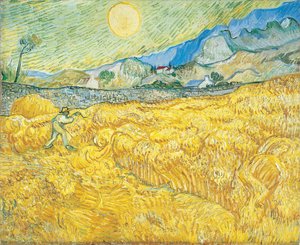
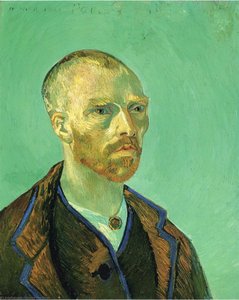
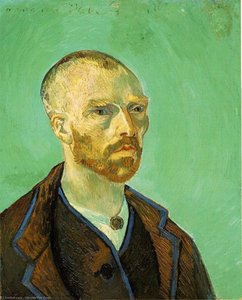
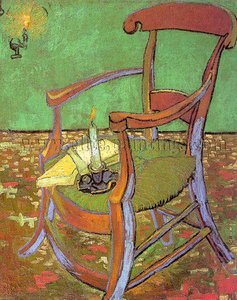
Perhaps no artists embody the spirit of Post-Impressionism more powerfully than Vincent van Gogh and Paul Gauguin. Both rejected the constraints of conventional representation in their pursuit of emotional truth. Van Gogh’s paintings are characterized by vibrant colors, impasto brushstrokes, and a deeply personal vision—often reflecting his inner turmoil and struggles with mental illness. Works like Terrace of the Café La Guinguette showcase his ability to convey emotion through color and form, transforming an ordinary scene into a powerful expression of human experience.
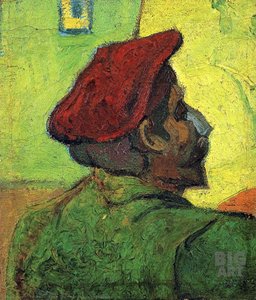
Gauguin, seeking escape from the industrial world, traveled to Tahiti, where he explored themes of primitivism and spirituality. His paintings are characterized by bold colors, simplified forms, and a rejection of Western artistic conventions. Both Van Gogh and Gauguin pushed the boundaries of painting, paving the way for Expressionism and other modern art movements. Their work wasn’t simply about depicting what they saw but about conveying how they *felt*—a radical shift in artistic priorities.
Jules Grün & Charles Léandre: Capturing Belle Époque Dynamism
While Van Gogh and Gauguin represent the more emotionally charged side of Post-Impressionism, artists like Jules-Alexandre Grün and Charles Lucien Léandre captured the vibrant energy and social life of the Belle Époque with a distinctly Parisian flair. Grün was renowned for his colorful posters and illustrations depicting cabarets, theaters, and scenes of everyday life in Paris. His work embodies the optimism and dynamism of the era.
Léandre, a satirical caricaturist, used his art to comment on social issues and poke fun at Parisian society. His “Nocturnes” series offers a witty glimpse into the nightlife of the city, capturing its glamour and decadence. These artists weren’t necessarily concerned with abstract theories or profound philosophical statements; they were focused on documenting the world around them—the sights, sounds, and energy of Belle Époque Paris. Their work provides valuable insights into the social and cultural context of the era.
The Enduring Legacy of 1886 in Art History
The year 1886, marking the last Impressionist exhibition, stands as a pivotal moment in art history—a turning point that ushered in a new era of artistic experimentation and innovation. The seeds planted by the Impressionists blossomed into the diverse styles of Post-Impressionism, paving the way for Fauvism, Cubism, and other modern movements. The artists of this period challenged conventions, explored new techniques, and redefined the very purpose of art.
Their legacy continues to inspire artists today, reminding us of the power of individual expression and the importance of seeing the world with fresh eyes. At ArtsDot.com, we are dedicated to preserving and celebrating this rich artistic heritage, offering high-quality reproductions of masterpieces from the Belle Époque and beyond. Explore our collection and discover the beauty and innovation that defined this remarkable era—a time when art truly came alive.