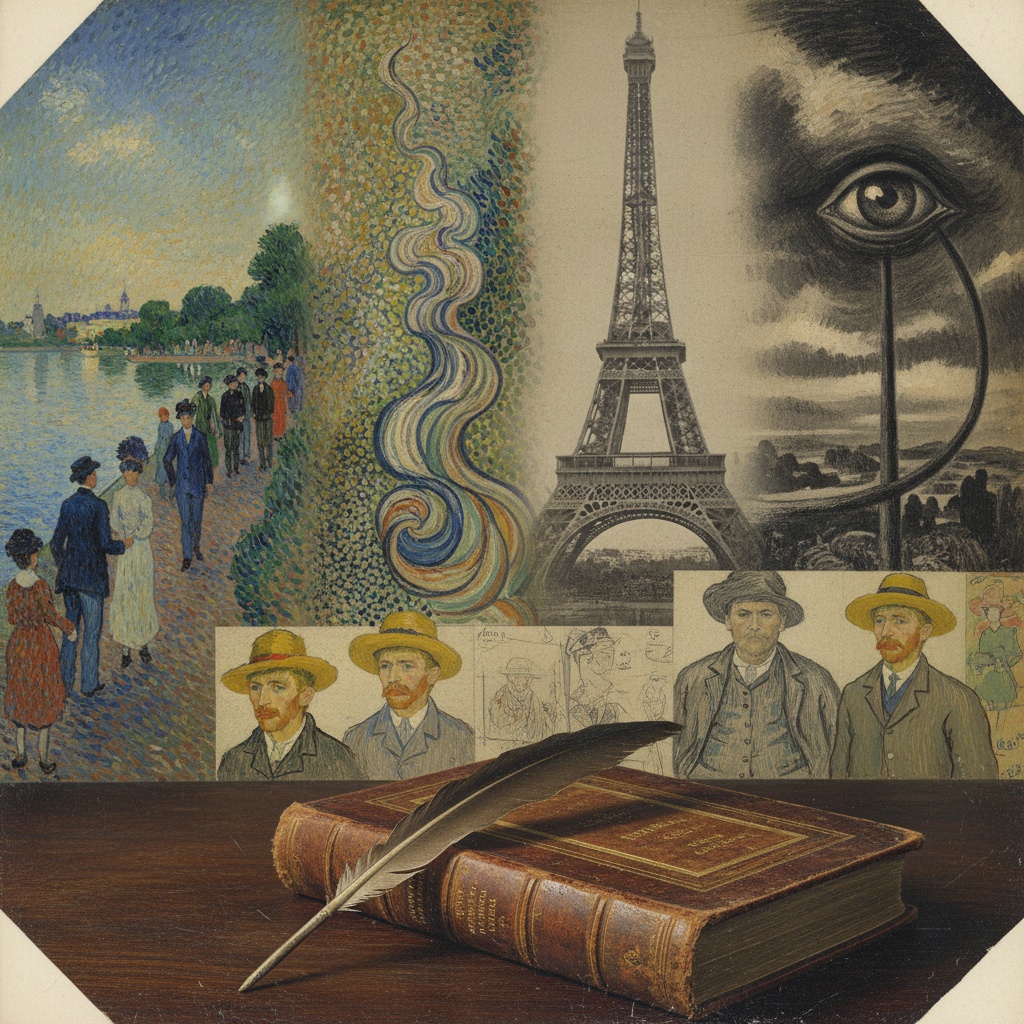
The Belle Époque Canvas: Setting the Stage for Artistic Innovation
The Belle Époque (French pronunciation: [bɛlepɔk]) or La Belle Époque (French for 'The Beautiful Era') was a period of French and European history that began after the end of the Franco-Prussian War in 1871 and continued until the outbreak of World W...
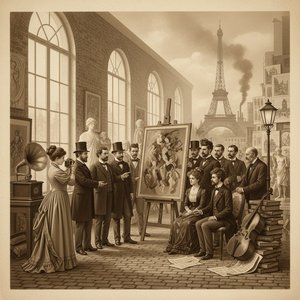
The final decades of the 19th century, a period often romanticized as the Belle Époque – “the beautiful era” – presented a fascinating paradox. While technological advancements and burgeoning economic prosperity reshaped European society, a quiet revolution was brewing within artistic circles. This wasn’t an abrupt upheaval, but rather a subtle shift in perspective, a growing dissatisfaction with simply *recording* reality and a yearning to express something deeper, more subjective. Paris, the undisputed cultural heart of Europe, pulsed with this energy, becoming a crucible for new ideas and aesthetic approaches. The optimism of the era, however, was laced with anxieties about modernity, industrialization, and the changing social order – themes that would find their way onto canvases in increasingly bold and unconventional ways. This period wasn’t merely a backdrop to artistic change; it actively *fueled* it, providing both inspiration and impetus for artists seeking new modes of expression.
From Impressionism's Gaze: A Shifting Focus in 1887
Post-Impressionism (also spelled Postimpressionism) was a predominantly French art movement which developed roughly between 1886 and 1905, from the last Impressionist exhibition to the birth of Fauvism. Post-Impressionism emerged as a reaction agains...
The year 1887 occupies a unique position in art history. It marks the twilight of Impressionism – not its sudden demise, but rather a moment of critical self-reflection within the movement itself. Artists like Monet, Renoir, and Degas had spent decades meticulously capturing fleeting moments of light and color, prioritizing optical sensation over narrative or symbolic content. However, by 1887, some began to feel constrained by these very principles. The pursuit of pure visual representation, while groundbreaking, seemed insufficient for conveying the complexities of human emotion and experience. A desire for greater structure, deeper meaning, and a more personal connection with their subjects emerged. This wasn’t a rejection of Impressionism's achievements, but an evolution – a move beyond capturing *what* the eye sees to exploring *how* the artist feels and interprets what they see. The last major Impressionist exhibition in 1886 served as a catalyst for this divergence, prompting artists to seek new paths.
Symbolism Emerges: Exploring Inner Worlds and Emotional Resonance
Symbolism or symbolist may refer to: Symbol, any object or sign that represents an idea == Arts == Artistic symbol, an element of a literary, visual, or other work of art that represents an idea Color symbolism, the use of colors within various cu...
Into this void stepped Symbolism, an artistic movement that prioritized subjective experience, emotional resonance, and the exploration of inner worlds. Rejecting Realism’s emphasis on objective depiction, Symbolist painters sought to evoke moods, ideas, and spiritual truths through suggestive imagery, often drawing inspiration from mythology, dreams, and literature. Color became less about accurately representing light and more about conveying psychological states. Figures were often elongated or distorted, landscapes imbued with a sense of mystery, and narratives left deliberately ambiguous. This wasn’t art meant to be easily deciphered; it demanded active participation from the viewer, inviting them to engage with the artwork on an emotional and intellectual level. While not all artists fully embraced Symbolism as a defined style, its influence permeated much of the Post-Impressionist landscape, encouraging a move away from purely optical concerns.
Key Figures of 1887: Van Gogh, Gauguin, & Beyond – Pioneering New Visions
 Echoes of 1886: Art, Culture & the Dawn of Modernity
Explore the vibrant art & culture of 1886 – a pivotal year bridging Impressionism to Post-Impressionism. Discover Van Gogh, Gauguin, Renoir & more with ArtsDot's expert insights.
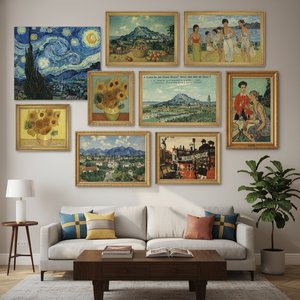
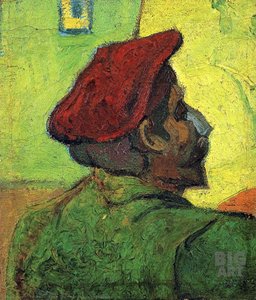
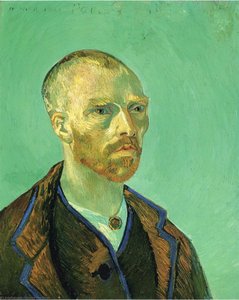
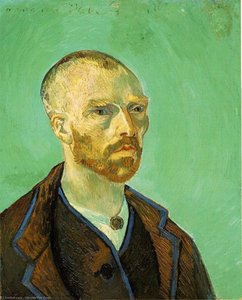
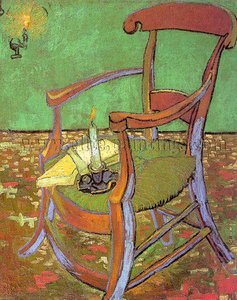
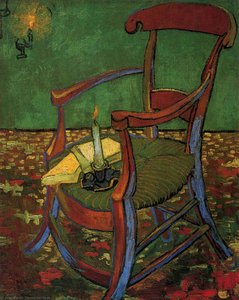
The year 1887 witnessed pivotal moments in the careers of several artists who would become synonymous with Post-Impressionism. Vincent van Gogh, still relatively unknown at this time, was experimenting with bolder colors and more expressive brushstrokes while living in Paris, absorbing influences from Impressionism but rapidly developing his own unique style – one characterized by intense emotion and a deeply personal vision. Paul Gauguin, similarly restless and dissatisfied, began to reject the conventions of Parisian society and sought inspiration in more “primitive” cultures, traveling to Martinique and later Tahiti in search of authenticity and spiritual renewal. His paintings from this period are marked by flattened forms, vibrant colors, and a deliberate rejection of Western artistic traditions. Georges Seurat, though often categorized separately as a Neo-Impressionist, also played a crucial role in the broader movement with his meticulous pointillist technique – a scientific approach to color theory that aimed to create optical effects through the precise application of tiny dots. These artists, along with others like Paul Cézanne and Henri de Toulouse-Lautrec, weren’t working in isolation; they were engaged in a dynamic dialogue, challenging conventions and pushing the boundaries of artistic expression.
The Influence of Technology & Science on the Art of 1887
The Belle Époque was an era defined by rapid technological advancements – from photography to electricity to new discoveries in optics and color theory. These innovations profoundly impacted the art world. Photography, for example, challenged painting’s traditional role as a means of accurate representation, freeing artists to explore more subjective and expressive approaches. Scientists like Michel Eugène Chevreul were studying the psychology of color perception, influencing artists' understanding of how colors interact and affect the viewer. Seurat, in particular, was deeply fascinated by these scientific principles, applying them rigorously to his pointillist technique. This wasn’t simply about aesthetics; it was a deliberate attempt to understand and manipulate visual perception. The burgeoning field of psychoanalysis, pioneered by Sigmund Freud, also began to influence artists' exploration of the subconscious mind and emotional states.
Legacy of 1887: Paving the Way for Modern Art Movements
The artistic ferment of 1887 laid the groundwork for many of the major modern art movements that would follow. The emphasis on subjective experience, expressive color, and abstract form paved the way for Fauvism, Expressionism, and Cubism. Post-Impressionist artists weren’t simply reacting against Impressionism; they were forging a new path – one that prioritized individual vision, emotional depth, and a more profound engagement with the human condition. Their willingness to experiment, challenge conventions, and explore new techniques revolutionized the art world and continues to inspire artists today. At ArtsDot.com, we celebrate this legacy by offering high-quality reproductions of masterpieces from this pivotal era, allowing you to bring the beauty and innovation of 1887 into your own home.