


The Renaissance Rediscovery: A Foundation for Art Reproduction
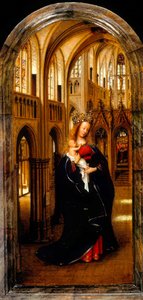
Renaissance art (1350 – 1620) is the painting, sculpture, and decorative arts of the period of European history known as the Renaissance, which emerged as a distinct style in Italy in about AD 1400, in parallel with developments which occurred in phi...
The very notion of reproducing a work of art, so commonplace today, finds its roots deeply embedded within the Italian Renaissance. Before photography and digital imaging, the desire to possess—or at least experience—the beauty and power of a masterpiece was largely fulfilled through skilled copying. Artists weren’t simply mimicking; they were engaging in a profound act of study, absorbing the techniques, compositions, and even the spirit of their predecessors. This wasn't seen as a lesser form of creation but rather as an essential component of artistic education and the preservation of cultural heritage. Consider the workshops of Florence, bustling with apprentices meticulously recreating works by masters like Masaccio or Botticelli. These copies weren’t intended to deceive; they were exercises in understanding, tributes to genius, and a means of disseminating aesthetic ideals beyond the confines of wealthy patrons' collections. The rediscovery of classical texts during this period also fueled this impulse – artists sought not just to emulate the *style* of antiquity but to recapture its intellectual and philosophical underpinnings, often relying on reproductions of Roman sculptures and architectural fragments as their primary source material. This early embrace of replication laid the groundwork for centuries of artistic exchange and ultimately, our modern capacity to bring these timeless works into homes worldwide.
Beyond the Brushstroke: The Value of Reproductions in Art Appreciation
 Timeless Masterpieces: A Journey Through Art History's Most Beloved Paintings
Explore the world's most beloved paintings with ! Discover art history’s iconic masterpieces & find expert guidance for collecting, custom reproductions & home decor. Trusted quality since 2004.
To dismiss a reproduction as merely a ‘copy’ is to fundamentally misunderstand its potential. While nothing can truly replace standing before an original—experiencing the texture, scale, and even the historical context—a thoughtfully crafted reproduction offers access where it might otherwise be impossible. For many, travel isn't feasible, museum visits are infrequent, or simply, the sheer volume of art history is overwhelming. A high-quality reproduction becomes a portal, allowing for intimate study and personal connection. It invites contemplation in a way that a fleeting glance at a postcard never could. Moreover, reproductions democratize art; they break down barriers of exclusivity and allow individuals to curate their own personal galleries, reflecting their tastes and passions. The ability to live with an image of Giovanni Agostino Da Lodi’s “The Adoration of the Shepherds”, for example, isn't just about aesthetic pleasure; it’s about engaging in a dialogue with centuries of artistic tradition, prompting questions about faith, perspective, and the human condition. It fosters a deeper understanding and appreciation that extends far beyond simply recognizing a famous image.
Artists Reimagined: Ugo da Carpi, Peter Francis Weller & Modern Interpretations
 peter francis weller
Peter Francis Weller (born 1947) is a versatile American actor & director known for 'RoboCop' & his Ph.D. in Italian Renaissance Art History. He also curates and studies fashion history, specifically early 20th-century textiles and design.
The story doesn’t end with faithful copies. Throughout history, artists have used reproduction not just as a means of preservation but also as a springboard for innovation. Ugo da Carpi, a pioneering Italian printmaker of the early 16th century, revolutionized woodcut techniques, creating remarkably detailed reproductive prints after Raphael. His work wasn’t about simply duplicating an image; it was about exploring the possibilities of a new medium and making art accessible to a wider audience through mass production. Fast forward to today, and we find figures like Peter Francis Weller, whose academic background in Italian Renaissance Art History informs his curatorial eye and passion for early 20th-century textiles and design. Weller’s unique perspective highlights the interconnectedness of art history—how fashion, painting, sculpture, and even seemingly disparate fields influence one another. This modern engagement with historical forms isn't about imitation but rather a recontextualization, offering fresh insights into enduring themes and techniques. Contemporary artists are increasingly using reproduction as a tool for commentary, challenging traditional notions of authorship and originality.
Aura and Authenticity: Walter Benjamin's Perspective on Mechanical Reproduction
 Wikipedia: The Work of Art in the Age of Mechanical Reproduction
"The Work of Art in the Age of Mechanical Reproduction" (German: Das Kunstwerk im Zeitalter seiner technischen Reproduzierbarkeit) (1935), by Walter Benjamin, is an essay of cultural criticism which proposes and explains that mechanical reproduction ...
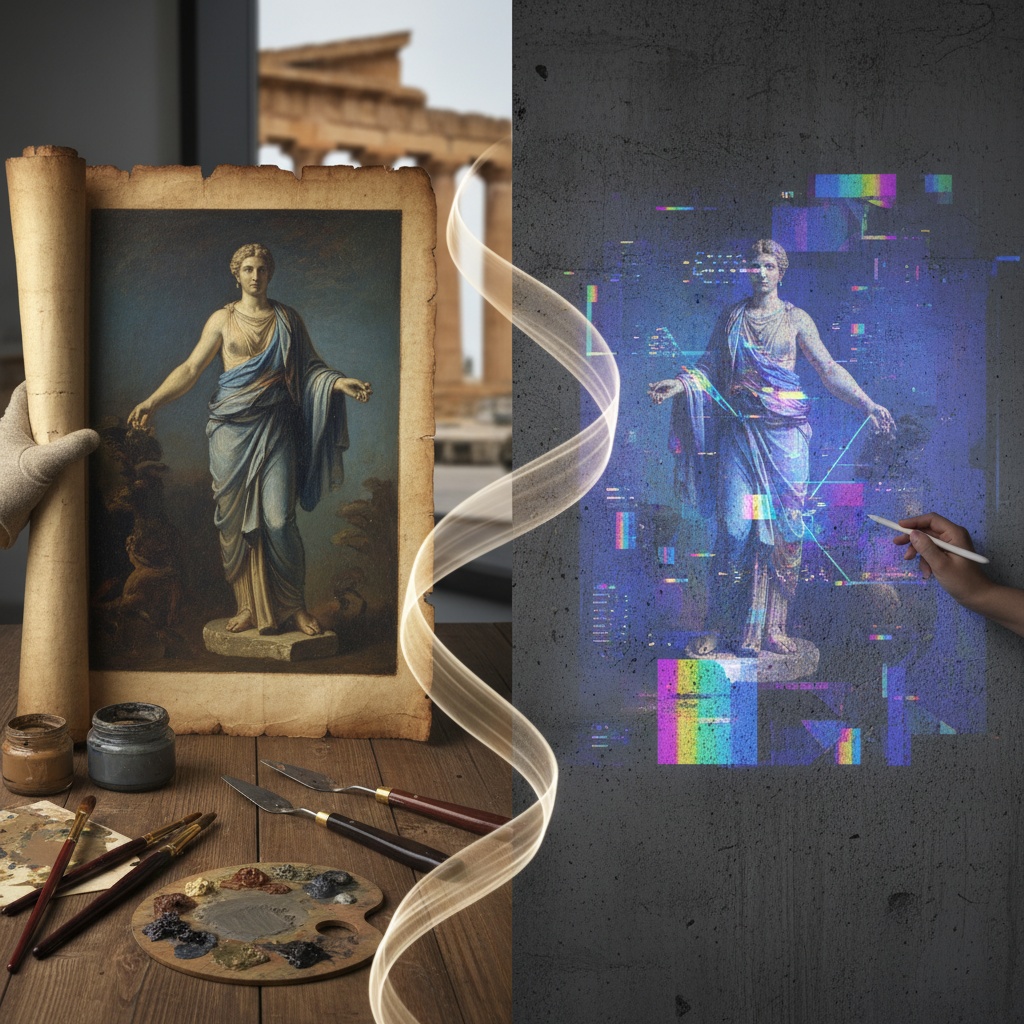
The philosophical implications of art reproduction were famously explored by Walter Benjamin in his seminal essay, “The Work of Art in the Age of Mechanical Reproduction.” Benjamin argued that mechanical reproduction diminishes the ‘aura’—the unique presence and historical context—of a work of art. He posited that this loss of aura fundamentally alters our relationship with art, shifting it from a ritualistic experience to one based on consumption and accessibility. While Benjamin's concerns were rooted in the rise of photography and film, his ideas remain profoundly relevant today. However, it’s crucial to recognize that the ‘aura’ isn’t solely tied to physical presence. A skilled reproduction, created with reverence and attention to detail, can evoke a sense of wonder and connection that transcends its material form. The act of studying brushstrokes, analyzing composition, and understanding the historical context—even through a reproduction—can foster a deeper appreciation than a casual encounter with the original. Furthermore, Benjamin acknowledged the potential for reproduction to democratize art, breaking down barriers of exclusivity and empowering new audiences.
From Florence to Your Walls: Connecting with Masterpieces Today
The journey from Renaissance workshops to modern printing techniques has transformed our relationship with art. Today, thanks to advancements in technology and a renewed appreciation for artistic heritage, it’s easier than ever to bring the masterpieces of history into your home. At ArtsDot.com, we believe that art should be accessible to everyone. We specialize in handmade oil paintings and museum-quality prints, meticulously crafted by skilled artists who are passionate about preserving the legacy of the great masters. Whether you’re seeking a faithful reproduction of Jan van Eyck’s “Man in a Turban”, a vibrant reimagining of Fra Angelico’s “The Dominican Blessed”, or a custom portrait inspired by your favorite artist, we offer a range of options to suit every taste and budget. Our commitment to quality extends beyond the canvas—we provide instant confirmation, online tracking, and a 100% satisfaction guarantee. More than just selling art, we aim to foster a deeper connection with history, culture, and the enduring power of human creativity.