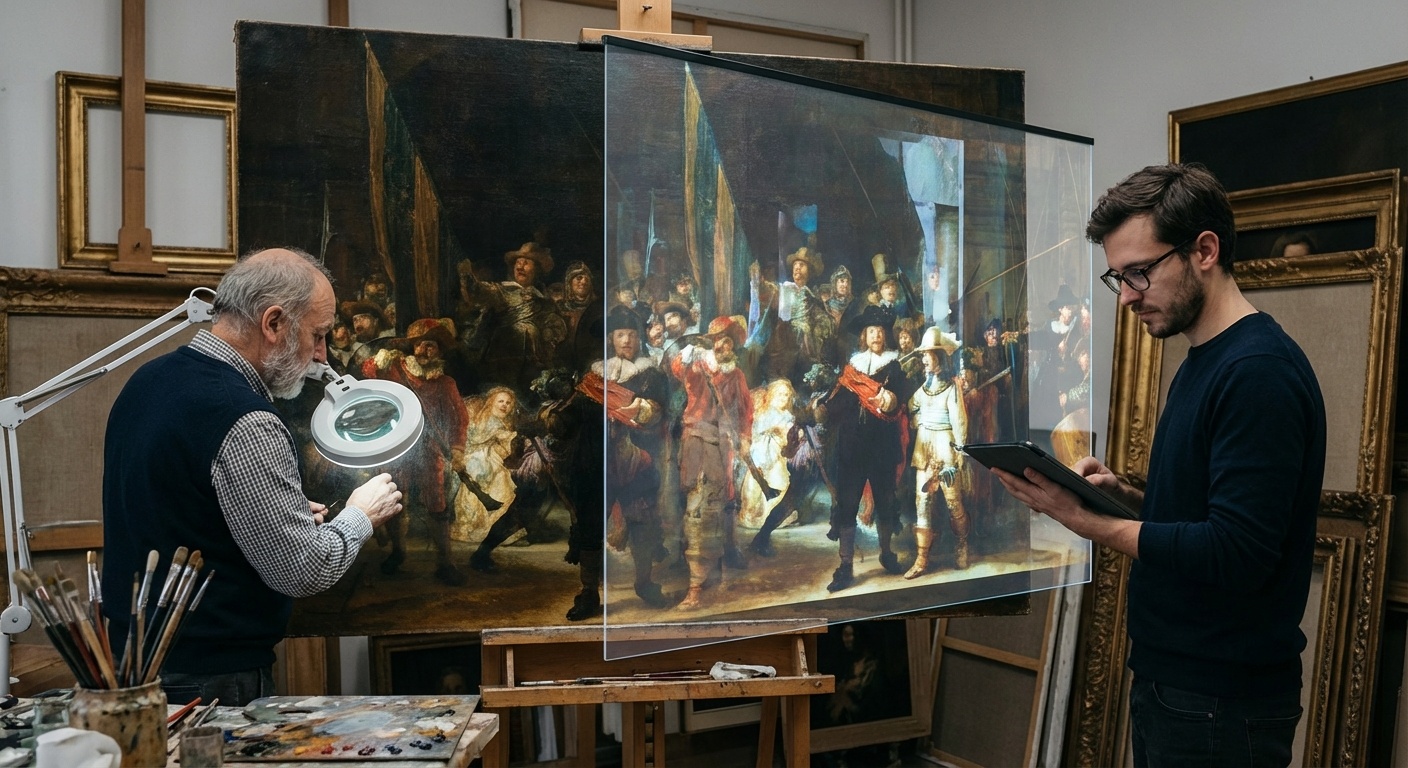
The Rise of History Painting: Defining Grandeur and Moral Purpose
History paintings is a genre of Western art that focuses on the depiction of historical, mythological, biblical, or literary subjects, often with a moral or didactic purpose. Considered the most prestigious genre in the academic art hierarchy during ...
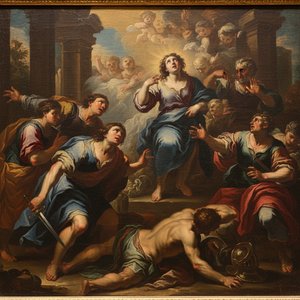
For centuries, history painting reigned supreme as the most esteemed genre in Western art. This wasn’t merely a matter of aesthetic preference; it was deeply intertwined with notions of cultural authority, civic virtue, and intellectual prowess. Unlike portraiture, which focused on the individual, or still life, concerned with material possessions, history painting aimed to capture moments of profound significance – events drawn from mythology, scripture, literature, and, increasingly, contemporary historical occurrences. The very term “history” in this context held a broader meaning than simply recounting past events; it signified historia, the telling of a story imbued with moral lessons and universal truths. Artists weren’t just depicting scenes; they were constructing narratives designed to inspire, educate, and even shape societal values. The grandeur associated with history painting stemmed from its ambition: large-scale canvases, complex compositions featuring numerous figures, and meticulous attention to detail all contributed to an impression of importance and gravitas. Think of Titian's “Diana and Actaeon,” a work brimming with mythological drama and allegorical weight – the scene isn’t simply about a hunt; it explores themes of transgression, divine retribution, and the power of observation. This emphasis on didactic purpose meant that history paintings often served as visual embodiments of classical ideals, reinforcing notions of heroism, sacrifice, and civic duty.
Narrative Art Before & Beyond the Canvas: From Ancient Tales to Renaissance Masterpieces
Narrative art is art that tells a story, either as a moment in an ongoing story or as a sequence of events unfolding over time. Some of the earliest evidence of human art suggests that people told stories with pictures. Although there are some common...
The impulse to tell stories through images predates literacy itself. From the rock art depicting hunting scenes in prehistoric caves to the elaborate reliefs adorning Egyptian tombs – showcasing banquets, daily life, and religious rituals – humanity has always sought to communicate narratives visually. The Narmer Palette, a remarkable artifact from ancient Egypt dating back to around 3100 BC, provides an early example of sequential narrative, illustrating King Narmer’s military victories. These early forms often employed a “simultaneous narrative” style, presenting multiple events within a single frame rather than a linear progression. As civilizations developed and writing emerged, the methods of storytelling evolved. The Assyrian palaces, with their orthostats sculpted in low relief depicting royal hunts and battles, demonstrate a sophisticated approach to conveying complex narratives through carefully arranged scenes. However, it was during the Renaissance that narrative art truly flourished on canvas. Artists like Paolo Uccello, with his ambitious (though unfinished) “Battle of San Romano,” began experimenting with perspective and composition to create dynamic and immersive depictions of historical events. Michelangelo’s Sistine Chapel ceiling stands as a monumental testament to this period, transforming biblical stories into breathtaking visual spectacles. The key shift was the move towards capturing pivotal moments within these narratives – a single, dramatic instance that encapsulated the essence of the larger tale.
Genre Painting's Influence on Historical Representation: Everyday Life as a Reflection of Society
Genre painting (or petit genre) is the painting of genre art, which depicts aspects of everyday life by portraying ordinary people engaged in common activities. One common definition of a genre scene is that it shows figures to whom no identity can b...
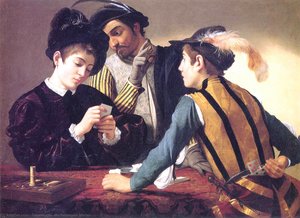
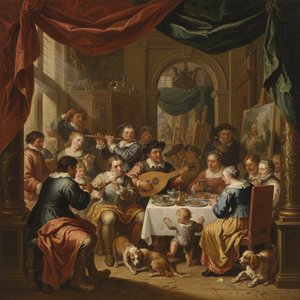
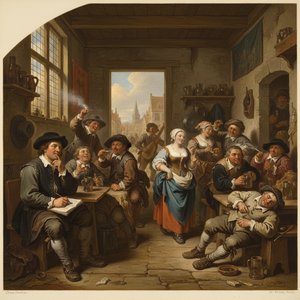
While history painting occupied the pinnacle of artistic esteem for centuries, the emergence of genre painting in the 17th century offered a compelling alternative – and ultimately, subtly influenced how historical scenes were perceived. Genre paintings focused on depicting everyday life, ordinary people engaged in common activities. Artists like Jan Vermeer, with his intimate portrayals of domestic interiors, and Pieter de Hooch, capturing scenes of Dutch courtyards, shifted the focus from grand narratives to the quiet moments of daily existence. This wasn’t simply a rejection of historical themes; rather, it represented a growing interest in realism and a desire to reflect the complexities of contemporary society. The meticulous detail and naturalistic rendering found in Dutch genre painting inadvertently raised expectations for accuracy even within history paintings. Artists began incorporating more realistic details into their depictions of historical events, striving for greater verisimilitude. Furthermore, genre scenes often contained hidden moral or symbolic meanings, prompting viewers to look beyond the surface representation and consider deeper societal implications. This emphasis on underlying meaning paved the way for a more nuanced approach to historical storytelling – one that acknowledged the complexities of human motivation and the ambiguities of the past. The influence is visible in works where seemingly simple scenes are imbued with allegorical weight or subtle social commentary.
Key Movements in Historical Painting: Baroque Drama, Romantic Idealism, and Realist Depictions
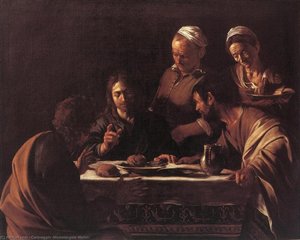
The evolution of historical painting wasn’t a linear progression but rather a series of shifts driven by changing artistic styles and philosophical currents. The Baroque period (roughly 1600-1750) saw an explosion of dramatic intensity in history paintings. Artists like Peter Paul Rubens embraced dynamic compositions, rich colors, and heightened emotionality to convey the power and spectacle of mythological and religious narratives. The emphasis was on movement, energy, and a sense of theatrical grandeur. In contrast, Romanticism (late 18th – early 19th century) prioritized emotion, imagination, and individualism. Artists like Eugène Delacroix rejected the strict academic conventions of history painting, focusing instead on capturing moments of intense passion and subjective experience. His “Liberty Leading the People” exemplifies this shift, portraying a contemporary historical event with a powerful emotional charge and symbolic resonance. The 19th century also witnessed the rise of Realism, which sought to depict life as it truly was – without idealization or romantic embellishment. Artists like Gustave Courbet challenged traditional notions of beauty and subject matter, focusing on the lives of ordinary people and portraying historical events with unflinching honesty. This movement marked a significant departure from previous approaches, emphasizing accuracy and social commentary over idealized representations.
The Enduring Legacy of History Painting: Contemporary Interpretations & Modern Relevance
While the dominance of history painting waned in the 20th century, its influence continues to resonate in contemporary art. Artists today often revisit historical themes, not necessarily to recreate past events but rather to reinterpret them through a modern lens. This can involve challenging traditional narratives, exploring marginalized perspectives, or using historical imagery to comment on current social and political issues. The very act of re-examining the past becomes a form of critical engagement with our present. Furthermore, the techniques developed during the golden age of history painting – such as complex composition, dramatic lighting, and meticulous attention to detail – continue to inspire artists across various mediums. The enduring appeal of historical narratives lies in their ability to connect us to universal themes of love, loss, power, and conflict. By exploring these themes through art, we gain a deeper understanding of ourselves and the world around us. The legacy is not simply about replicating past styles but about continuing a tradition of storytelling that has shaped human culture for centuries. At ArtsDot, you can explore reproductions of iconic history paintings, allowing you to bring these powerful narratives into your own home and engage with the rich artistic heritage they represent.
Collecting Historical Paintings: A Guide for Enthusiasts & Investors
For those drawn to the captivating world of historical painting, collecting presents a unique opportunity to connect with art’s past and potentially build a valuable investment. Begin by identifying your interests – are you fascinated by Renaissance masterpieces, captivated by Baroque drama, or drawn to the realism of the 19th century? Researching artists and movements is crucial, understanding their techniques, historical context, and stylistic characteristics. Provenance, the documented history of ownership, is paramount when assessing a painting’s authenticity and value. Consider factors such as condition, size, and subject matter – all of which can influence price. Working with reputable art dealers or consultants can provide valuable guidance and ensure you are making informed decisions. Online platforms like ArtsDot offer access to a vast collection of high-quality reproductions, allowing you to explore different styles and artists before committing to an original piece. Remember that collecting art should be driven by passion – choose works that resonate with you personally, regardless of their potential investment value. Whether you’re seeking iconic masterpieces or lesser-known gems, the world of historical painting offers a wealth of artistic treasures waiting to be discovered.