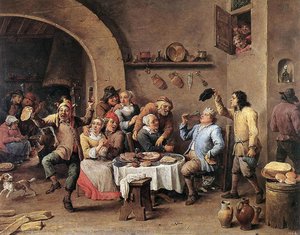
Introduction: The World of David Teniers the Younger
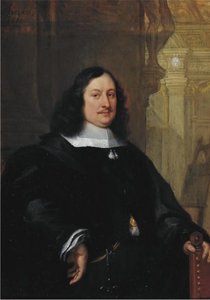 David Teniers the Younger
David Teniers the Younger (1610-1690): Leading Flemish Baroque painter of lively genre scenes, peasant life & detailed landscapes. Influential artist!
David Teniers the Younger (1610-1690) occupies a unique position within the vibrant tapestry of 17th-century Flemish art. While Peter Paul Rubens commanded attention with his grand mythological and religious compositions, and Anthony van Dyck excelled in aristocratic portraiture, Teniers carved out a distinct niche portraying the everyday lives of ordinary people. He wasn’t merely documenting scenes; he was crafting narratives imbued with subtle social commentary, keen observation, and an undeniable charm that resonated deeply with his contemporaries – and continues to captivate audiences today. Born into a family of painters—his father, David Teniers the Elder, instilled in him a foundational artistic skill—the younger Teniers quickly surpassed his progenitor, becoming arguably the most successful genre painter of his time.
Genre Painting as Social Mirror: Everyday Life in 17th-Century Flanders
Genre painting (or petit genre) is the painting of genre art, which depicts aspects of everyday life by portraying ordinary people engaged in common activities. One common definition of a genre scene is that it shows figures to whom no identity can b...
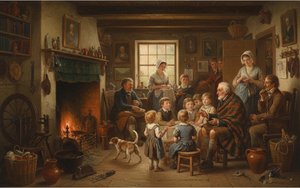
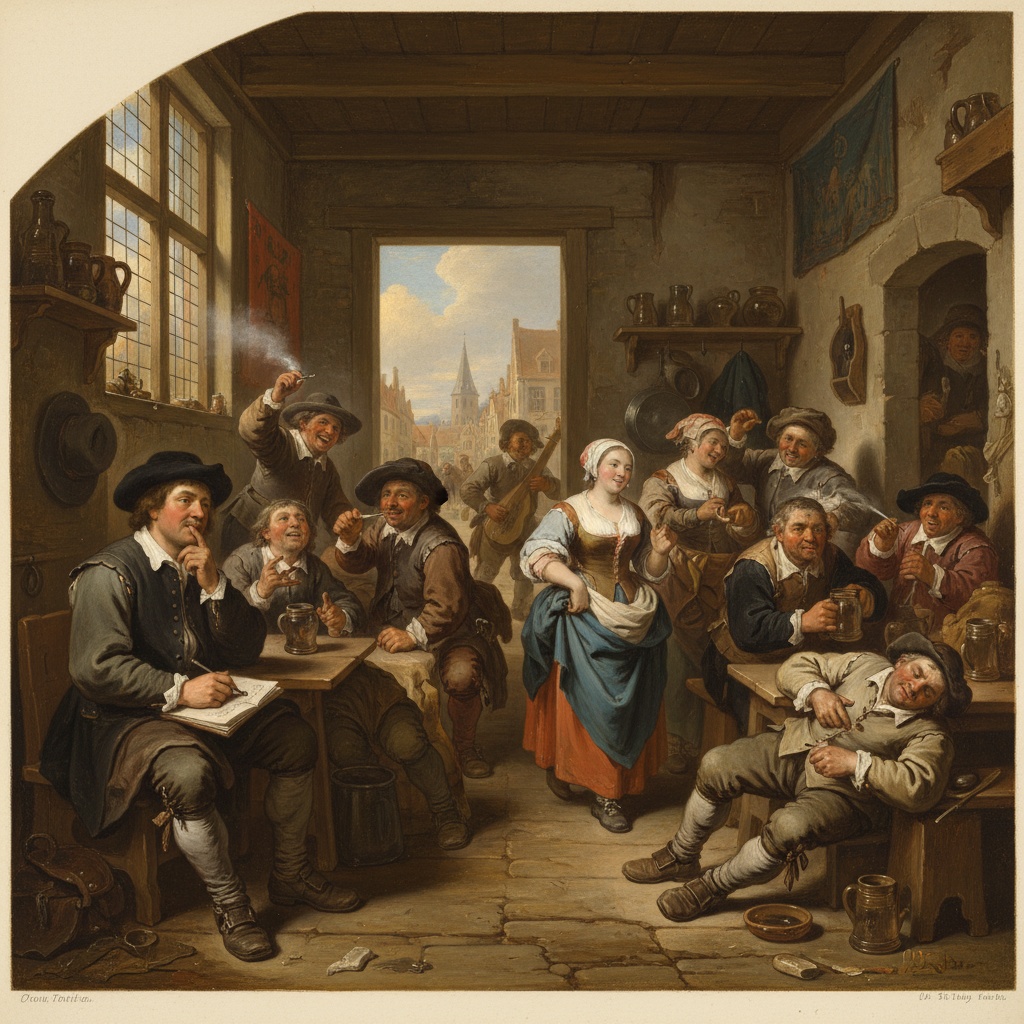
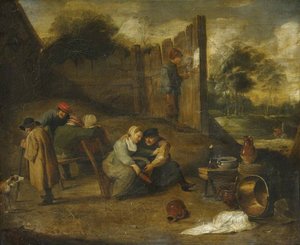
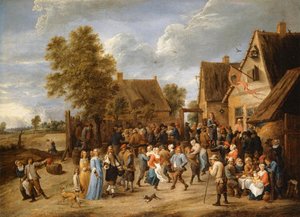
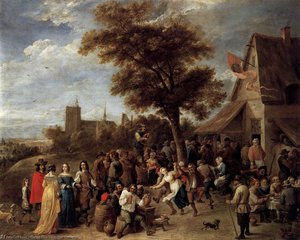
The rise of genre painting in the Low Countries during the Baroque period wasn’t accidental. It reflected a burgeoning middle class with disposable income and an increasing desire for art that mirrored their own experiences, rather than solely depicting biblical or historical events. Teniers masterfully tapped into this demand. His paintings offer a fascinating glimpse into Flemish life: bustling village fetes like his iconic “Flemish Kermess,” cozy tavern interiors filled with boisterous patrons, and meticulously rendered kitchens teeming with activity. These weren’t idealized portrayals; they possessed a delightful realism, capturing the imperfections and nuances of daily existence. However, to view Teniers solely as a recorder of reality would be a disservice. Beneath the surface charm often lay layers of symbolism and moralizing undertones. A seemingly innocent scene of peasants enjoying a meal might subtly critique excessive drinking or highlight the importance of familial piety.
Teniers’s Artistic Innovation: Peasant Scenes, Tavern Interiors & Beyond
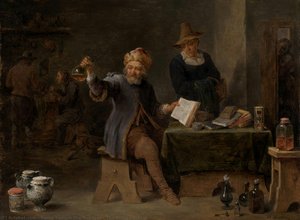
What truly set Teniers apart was his versatility and innovative approach to genre painting. While he excelled at depicting peasant life – often characterized by lively figures and dynamic compositions – he didn't limit himself to a single subject matter. He painted landscapes with remarkable detail, capturing the atmospheric qualities of the Flemish countryside. His interiors, particularly those featuring taverns, are renowned for their masterful use of light and shadow, creating a sense of intimacy and warmth. He also developed a fascination with collections – paintings within paintings – often depicting scholars surrounded by cabinets filled with curiosities and artworks. These scenes weren’t just displays of wealth; they reflected the intellectual pursuits and refined tastes of his patrons. Furthermore, Teniers was a skilled copyist, adept at reproducing works by other masters, demonstrating his technical prowess and deep understanding of art history.
A Courtly Artist: Patronage and the Archduke Leopold Wilhelm Collection
Teniers’s success wasn't solely due to his artistic talent; it was also a product of shrewd networking and advantageous patronage. In 1651, he entered the service of Archduke Leopold William, the Governor General of the Habsburg Netherlands, as court painter and curator of his extensive art collection. This appointment proved pivotal. Teniers wasn’t merely responsible for maintaining the collection; he actively expanded it, acquiring works from across Europe. He also created detailed inventories and even painted views *of* the Archduke's gallery itself – a fascinating meta-commentary on the act of collecting and the appreciation of art. His most significant contribution during this period was arguably “Theatrum Pictorium,” a printed catalogue featuring 244 engravings of paintings in the Archduke’s collection. This publication served as an invaluable resource for scholars and collectors, solidifying Teniers's reputation as a leading authority on art.
Legacy and Influence: Teniers’s Impact on Northern European Art
David Teniers the Younger left an indelible mark on Northern European art. His influence extended far beyond his native Flanders, impacting generations of painters. He founded the Antwerp Academy in 1660, aiming to revive Flemish painting after a period of decline – a testament to his commitment to artistic education and preservation. His genre scenes were particularly influential, inspiring artists across Europe to depict everyday life with greater realism and attention to detail. Even more significantly, his work resonated with French Rococo painters like Antoine Watteau, who admired Teniers’s ability to capture the charm and elegance of social gatherings. The echoes of Teniers's style can be seen in the fêtes galantes – aristocratic outdoor parties – that became a hallmark of the Rococo movement.
Collecting Teniers Today: A Lasting Appeal
Today, David Teniers the Younger’s paintings are highly sought after by collectors and museums worldwide. His works offer not only aesthetic pleasure but also a valuable window into 17th-century Flemish society. The vibrant colors, dynamic compositions, and subtle social commentary continue to resonate with modern audiences. Whether it's a lively “Kermess” scene or an intimate tavern interior, Teniers’s paintings invite us to step back in time and experience the joys and complexities of everyday life in Baroque Flanders. ArtsDot.com offers high-quality reproductions of Teniers’s masterpieces, allowing art enthusiasts to bring a touch of Flemish charm into their own homes. Explore our collection today and discover the enduring appeal of this remarkable artist.