
Introduction
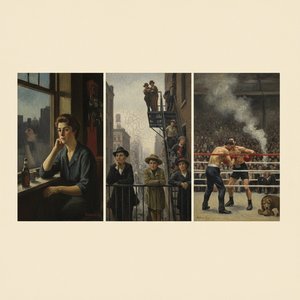
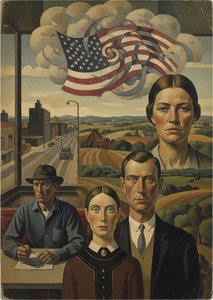
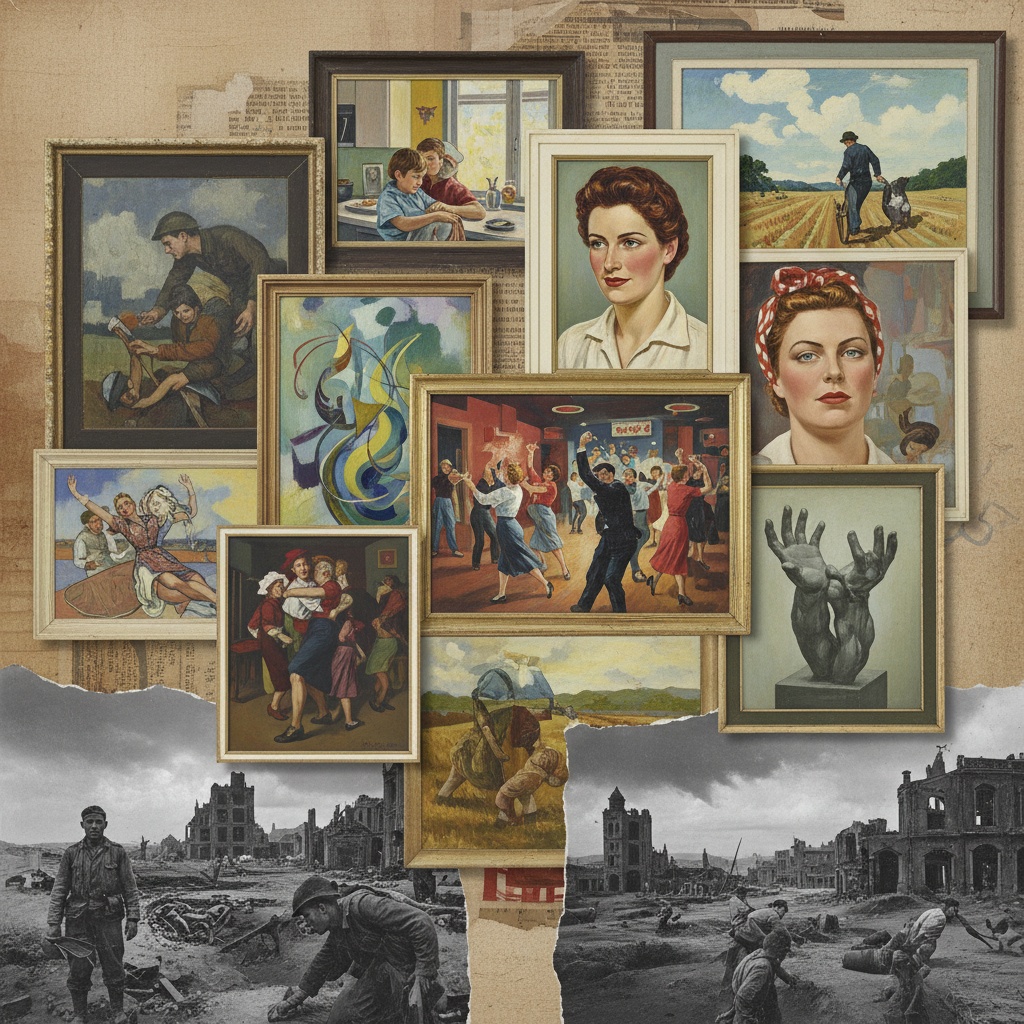
The 1940s—a decade etched into our collective memory not merely as a series of years, but as a crucible of human experience. It was an era defined by the shadow of global conflict, yet simultaneously illuminated by resilience, innovation, and a profound yearning for hope. From the stark realities of wartime to the burgeoning dreams of a post-war world, the art produced during this period serves as a powerful testament to the complexities of the human spirit.
This was a time when traditional artistic boundaries were challenged, reflecting the upheaval and uncertainty that permeated society. The Second World War irrevocably altered the course of history, prompting artists to grapple with themes of loss, trauma, displacement, and the search for meaning in the face of unimaginable devastation. Simultaneously, advancements in technology and shifting social landscapes spurred new forms of expression—from abstract explorations of inner turmoil to poignant depictions of everyday life.
The artworks born from this era weren’t simply records of events; they were visceral responses, emotional excavations, and prophetic visions. They captured the anxieties of a world at war, the quiet dignity of those who endured, and the fragile optimism that bloomed amidst the ruins. These paintings, sculptures, and photographs offer us a unique window into a pivotal moment in time—a chance to connect with the past on a deeply human level.
Today, these works continue to resonate because they speak to universal truths about the human condition. They remind us of the enduring power of art to bear witness, to provoke empathy, and to inspire reflection. The following selection presents ten artworks that encapsulate the spirit of the 1940s—each a compelling story waiting to be discovered, each a testament to the artists who dared to create in the face of adversity.
Prepare to journey through a landscape of powerful imagery and profound emotion as we explore these iconic pieces. We invite you to consider not only what they depict, but also the context from which they emerged—the hopes, fears, and dreams that shaped their creation.
Freedom from want - Norman Rockwell
Norman Rockwell’s “Freedom from Want” (1942) isn't simply a painting; it’s an enduring emblem of American gratitude, a visual distillation of the Thanksgiving spirit that continues to resonate deeply today. As part of his celebrated “Four Freedoms” series—a response to Franklin D. Roosevelt’s call for national unity during wartime—this artwork transcends its historical context to become a universal celebration of family and abundance.
The scene, depicting a large family gathered around a lavishly set table with a magnificent turkey as the centerpiece, is rendered in Rockwell’s signature realistic style. His meticulous attention to detail – from the glistening skin of the bird to the warm expressions on each face – invites us into this intimate moment of shared joy and thankfulness. The composition's semi-circular arrangement draws our eye towards the act of presenting the turkey, a gesture brimming with love and care.
What makes “Freedom from Want” so compelling is its ability to evoke a powerful sense of nostalgia and warmth. The painting’s enduring appeal speaks to our collective longing for connection, security, and the simple pleasures of home. Even today, its color palette—rich browns, deep reds, and creamy whites—influences interior design trends, inspiring cozy, inviting spaces that prioritize comfort and familial togetherness. It's a reminder that even amidst hardship, there is always room for gratitude and hope.
This artwork’s inclusion in our Top 10 reflects its lasting legacy as a symbol of American values and its continued relevance in exploring the themes of resilience and community during challenging times. It stands as a testament to Rockwell's masterful ability to capture the heart of the nation, one brushstroke at a time.
Gas - Edward Hopper
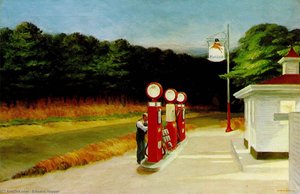 Gas - Edward Hopper
Edward Hopper’s “Gas” (1940) is more than a depiction of a roadside station; it's a hauntingly beautiful meditation on American solitude, a quiet echo of the vastness and often-unspoken loneliness that permeated life during the 1940s. The painting captures a fleeting moment—a stillness broken only by the implied journey of those passing through—and resonates with a timeless quality that continues to captivate viewers.
Hopper’s masterful use of light and shadow, coupled with his meticulous attention to detail, creates an atmosphere of both tranquility and unease. The muted palette of greens, browns, and the striking red of the pumps draws the eye across the scene, emphasizing the geometric forms and the expansive landscape beyond. This composition isn't merely representational; it’s a carefully constructed study in balance and contrast.
“Gas” earns its place among our Top 10 artworks for its profound ability to evoke emotion through simplicity. It speaks to the transient nature of modern life, the isolation that can exist even amidst progress, and the enduring allure of the open road. The painting’s influence extends beyond the art world, inspiring a sense of nostalgia in contemporary design—from minimalist interiors that echo its clean lines to curated collections that prioritize quiet contemplation.
Consider how “Gas” invites us to reflect on our own journeys, both literal and metaphorical. It's a reminder that beauty can be found in the most unexpected places, even in the stillness of an empty highway and the fading light of a summer evening. This artwork is not just a window into the past; it’s a mirror reflecting our shared human experience.
Number 6 - Paul Jackson Pollock
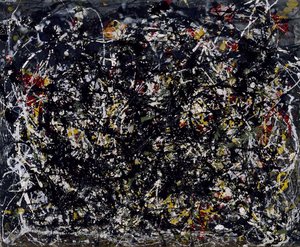 Number 6 - Paul Jackson Pollock
Jackson Pollock’s “Number 6” (1949) isn't simply a painting to be observed; it’s an experience—a swirling vortex of energy and emotion that embodies the spirit of Abstract Expressionism. Created in the aftermath of World War II, this artwork represents a radical departure from traditional artistic conventions, rejecting representational form in favor of spontaneous gesture and raw emotional expression.
Pollock's groundbreaking “drip” technique—laying the canvas flat and pouring, flinging, and dripping paint directly onto it—was revolutionary. This method allowed him to engage with the artwork on a visceral level, moving around the canvas as if conducting an elaborate dance. The resulting composition is not planned but emerges organically from this dynamic interaction, creating a complex web of interwoven lines and colors that seem to pulsate with life.
“Number 6” earns its place among our Top 10 artworks for its profound impact on the definition of beauty itself. It challenges us to look beyond recognizable forms and embrace the power of pure emotion, texture, and color. At ArtsDot, we believe in making great art accessible—allowing you to bring this energy into your own space. Imagine “Number 6” adorning a modern living room, sparking conversation and inspiring contemplation.
This artwork is more than just decor; it’s an invitation to connect with the subconscious, to explore the depths of human experience, and to embrace the beauty of chaos. It's a testament to Pollock’s enduring legacy as a pioneer of abstract art and a reminder that true artistry lies in the freedom of expression.
Circus Family - Fernand Léger
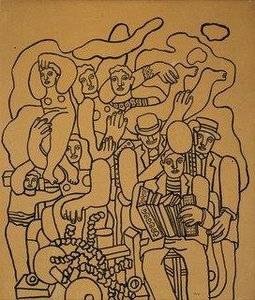 Circus Family - Fernand Léger
Fernand Léger’s “Circus Family” (1941) feels like a vibrant echo of life itself—a bustling tableau brimming with human connection and quiet energy. This captivating work, rendered in bold black lines against a neutral background, isn't merely a depiction of circus performers; it’s a celebration of community and resilience during a time of global uncertainty.
Léger’s distinctive “Tubism”—a personal evolution of Cubism—simplifies forms into cylindrical shapes, prioritizing expressive realism over anatomical precision. The flattened figures and dynamic composition create a stage-like quality, inviting us to step into this lively world. The overlapping bodies suggest the interconnectedness of society, while the accordion player provides a musical backdrop to their everyday interactions.
“Circus Family” earns its place among our Top 10 artworks for its ability to capture the essence of modern life with optimism and grace. It’s a reminder that even amidst hardship, there is beauty to be found in shared experiences and human connection. At ArtsDot, we believe in bringing this energy into your home—imagine “Circus Family” adorning a hallway or living space, sparking conversation and inspiring a sense of warmth.
This artwork isn’t just decor; it's an invitation to embrace the vibrancy of life, to celebrate the dignity of labor, and to find joy in the simple moments. It stands as a testament to Léger’s enduring legacy as a pioneer of modern art and a master of expressive form.
Portrait Mirelle Shahinian - Aleksandr Deyneka
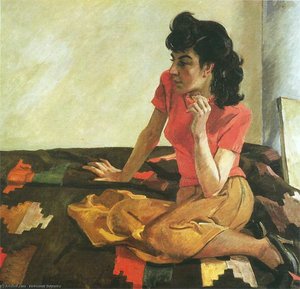 Portrait Mirelle Shahinian - Aleksandr Deyneka
Aleksandr Deyneka’s “Portrait Mirelle Shahinian” (1944) isn't simply a likeness; it’s a quiet study in resilience and contemplation, a glimpse into the spirit of Soviet artistic life during wartime. The painting captures a young woman with an air of thoughtful introspection—a moment frozen in time that resonates deeply even today.
As a prime example of Socialist Realism, this artwork embodies the ideals of portraying relatable figures who embody strength and optimism. Deyneka’s masterful use of oil paint creates a rich texture and depth, drawing us into Mirelle Shahinian's world. The warm color palette—rich reds and oranges—evokes a sense of intimacy and emotional warmth.
“Portrait Mirelle Shahinian” earns its place among our Top 10 artworks for its ability to capture the essence of human character within a specific historical context. It’s a reminder that even amidst hardship, there is beauty to be found in quiet moments of reflection and inner strength. At ArtsDot, we believe in making great art accessible—allowing you to bring this sense of warmth and contemplation into your own space.
Imagine “Portrait Mirelle Shahinian” adorning a study or living room, sparking conversation and inspiring a sense of calm. It’s more than just decor; it's an invitation to connect with the past and embrace the enduring power of human spirit.
William Henry Hastie - Betsy Graves Reyneau
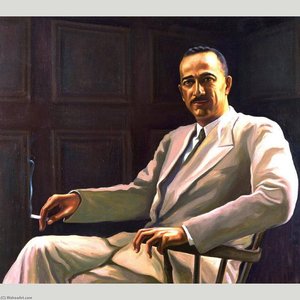 William Henry Hastie - Betsy Graves Reyneau
Betsy Graves Reyneau’s “William Henry Hastie” (1944) is more than a portrait; it's a powerful statement of dignity and progress, capturing the essence of a trailblazing figure during a pivotal moment in American history. The painting depicts Hastie—the first African American to serve as a federal judge and Governor of the U.S. Virgin Islands—with quiet confidence and sophistication.
Reyneau’s masterful use of oil paint creates a rich, textured surface that invites close inspection, while dramatic lighting highlights Hastie's facial features and casts subtle shadows that enhance his presence. The composition is carefully balanced, drawing attention to his dignified posture and thoughtful expression. This artwork isn’t merely representational; it’s a celebration of achievement and resilience.
“William Henry Hastie” earns its place among our Top 10 artworks for its historical significance and artistic merit. It stands as a testament to Reyneau's skill in capturing not just likeness, but also the character and spirit of her subjects. At ArtsDot, we believe in making art accessible—allowing you to bring this sense of dignity and inspiration into your own home.
Imagine “William Henry Hastie” adorning a study or living room, sparking conversation and reminding us of the importance of progress and equality. It’s more than just decor; it's an invitation to reflect on our shared history and embrace the enduring power of human spirit.
Dingle’s Department Store, Exeter - Vincent van Gogh
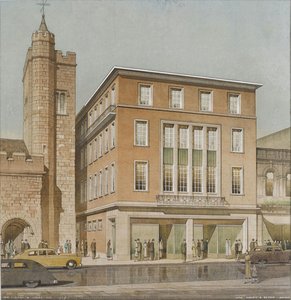 Dingle’s Department Store, Exeter - cyril arthur farey
Unveiling Cyril Arthur Farey’s “Dingle’s Department Store, Exeter” (1949) is like discovering a forgotten window into post-war Britain—a meticulously rendered snapshot of a bustling high street at a pivotal moment in time. This architectural drawing isn't merely a depiction of a building; it’s a visual record of a bygone era, capturing the optimism and energy of a nation rebuilding.
The artwork’s detailed precision and warm earth tones evoke a sense of nostalgia and solidity. Farey masterfully captures the textures of brick and stone, while the inclusion of pedestrians and a vintage automobile adds life to the scene. It's a reminder of a time when private cars were permitted on Exeter High Street—a detail that speaks volumes about the changing landscape of urban life.
“Dingle’s Department Store” earns its place among our Top 10 artworks for its historical significance and artistic merit. Its resonance extends beyond architectural circles, offering a glimpse into the everyday lives of people during the 1940s. At ArtsDot, we believe in preserving these moments—allowing you to bring this sense of history and sophistication into your own space.
Imagine “Dingle’s Department Store” adorning a study or living room, sparking conversation and reminding us of the enduring beauty of architectural design. It's more than just decor; it's an invitation to connect with the past and appreciate the timeless elegance of a bygone age.
Fortresses - Walter Thomas Monnington
 Fortresses - walter thomas monnington
To encounter Walter Thomas Monnington’s “Fortresses” (1944) is to witness a moment of wartime intensity captured with breathtaking skill and emotional resonance. This oil on canvas isn't simply a depiction of aircraft in flight; it’s a powerful evocation of courage, danger, and the strategic importance of aerial combat during World War II.
Monnington’s bold brushstrokes and dynamic composition convey a sense of movement and energy that draws you into the scene. The vastness of the sky, contrasted with the imposing scale of the four-engine bomber, creates a dramatic tension. Muted tones of blue and gray—punctuated by flashes of white representing turbulent snow—evoke a feeling of cold isolation.
“Fortresses” earns its place among our Top 10 artworks for its ability to capture the spirit of an era with both realism and emotional depth. Its influence extends beyond historical documentation, offering a timeless reflection on human resilience in the face of adversity. At ArtsDot, we believe in preserving these moments—allowing you to bring this sense of history and sophistication into your own space.
Imagine “Fortresses” adorning a study or living room, sparking conversation and reminding us of the sacrifices made during wartime. It’s more than just decor; it's an invitation to connect with the past and appreciate the enduring power of human spirit.
Eleanor Dark - maxwell spencer dupain ac obe
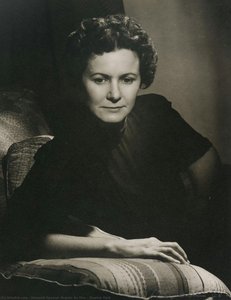 Eleanor Dark - maxwell spencer dupain ac obe
Maxwell Spencer Dupain’s 1940 portrait of Eleanor Dark is more than a photograph; it's an intimate glimpse into the soul of one of Australia’s most important writers. The stark black and white composition, with its dramatic lighting and blurred background, draws us immediately to Dark’s contemplative expression—a quiet strength that speaks volumes about her life and work.
This image earns its place among our Top 10 artworks for its ability to capture not just a likeness, but the essence of a creative spirit. Dupain's mastery of light and shadow creates a sense of depth and timelessness, elevating the portrait beyond mere documentation. It’s a testament to the power of photography to reveal inner character.
“Eleanor Dark” reflects the era’s growing appreciation for intellectualism and artistic expression, while also hinting at the challenges faced by left-leaning thinkers during wartime. At ArtsDot, we believe in preserving these moments—allowing you to bring this sense of history and sophistication into your own space.
Imagine “Eleanor Dark” adorning a study or living room, sparking conversation about literature, feminism, and the enduring power of storytelling. It’s more than just decor; it's an invitation to connect with the past and appreciate the beauty of human intellect.
Rock of Ages - colonel donald l. dickson usmcr
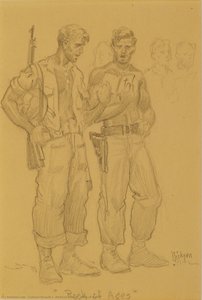 Rock of Ages - colonel donald l. dickson usmcr
Before you stands a quiet moment—three young men, poised on the precipice of uncertainty, their camaraderie a fragile shield against the looming weight of war. Colonel Donald L. Dickson’s “Rock of Ages” (1942) isn't simply a pencil sketch; it’s a poignant evocation of youth, duty, and the unspoken anxieties of a generation facing unimaginable conflict.
The expressive lines and heavy shading capture not just their physical forms, but also the intensity of their emotions. One figure clutches a rifle—a symbol of both protection and sacrifice—while the others engage in hushed conversation, perhaps sharing fears or dreams before entering the fray. Dickson’s skill lies in his ability to convey so much with such economy of means.
“Rock of Ages” earns its place among our Top 10 artworks for its raw emotional power and historical significance. It's a reminder of the human cost of war, and a testament to the enduring bonds forged in times of adversity. At ArtsDot, we believe in preserving these moments—allowing you to bring this sense of history and reflection into your own space.
Imagine “Rock of Ages” adorning a study or living room, sparking conversation about courage, sacrifice, and the importance of remembering those who served. It’s more than just decor; it's an invitation to connect with the past and appreciate the enduring power of human spirit.
Conclusion
As we close our journey through these ten remarkable artworks, it’s not merely a farewell to paintings from the past—but an invitation to welcome them into the present. Each canvas, each brushstroke, holds a story that transcends time, echoing the hopes, fears, and enduring spirit of the 1940s.
These masterpieces are more than historical treasures; they are living presences capable of transforming our spaces—infusing them with depth, emotion, and a sense of connection to something larger than ourselves. To gaze upon Eleanor Dark’s contemplative portrait is to encounter a kindred spirit, while the turbulent skies of “Fortresses” remind us of courage in the face of adversity.
At ArtsDot, we believe that art has the power to heal, inspire, and elevate our everyday lives. That's why we meticulously recreate these iconic works—allowing you to experience their beauty firsthand and share their stories with generations to come. They are not simply objects for display; they are windows into other worlds, invitations to contemplation, and reminders of our shared humanity.
We invite you to explore our full collection —and discover the artwork that speaks most deeply to your soul. May these timeless images continue to move hearts, shape interiors, and inspire creativity for years to come.