The Psychology of Color: Foundations of Emotional Impact
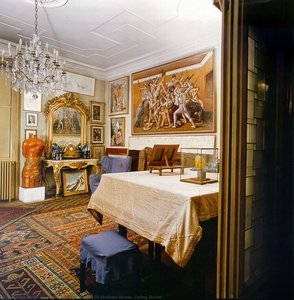
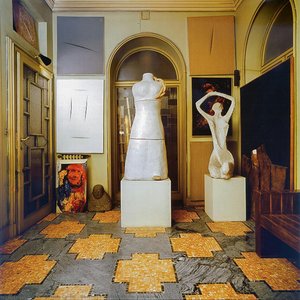
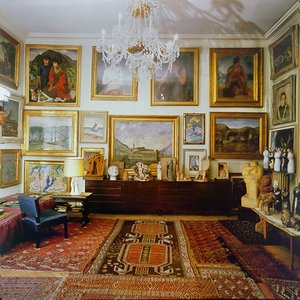
Interior design psychology is a field within environmental psychology, which concerns the environmental conditions of the interior. It is a direct study of the relationship between an environment and how that environment affects the behavior of its i...
The spaces we inhabit are rarely neutral; they resonate with unspoken narratives, subtly influencing our moods and behaviors. At the heart of this influence lies color – a primal force that bypasses conscious thought to tap directly into our emotional core. Understanding the psychology of color isn’t merely about aesthetic preference; it's about recognizing a deeply ingrained language spoken by the human psyche. From the earliest cave paintings, imbued with ochre and charcoal representing life and ritual, to the vibrant frescoes of the Renaissance, artists have intuitively harnessed color’s power. Consider the calming blues often found in devotional art, intended to evoke serenity and spiritual contemplation, or the fiery reds employed in depictions of passion and conflict. These weren't arbitrary choices; they were deliberate attempts to manipulate perception and elicit specific responses. The foundation of this understanding stems from our biological connection to the natural world – blue representing water and sky, green symbolizing growth and vitality, red mirroring blood and fire. However, cultural context also plays a crucial role. What evokes tranquility in one society might signify mourning in another, highlighting the nuanced interplay between innate response and learned association.
Navigating Mood with Palette: Warm vs. Cool Tones in Interior Spaces
 Wikipedia: Color theory
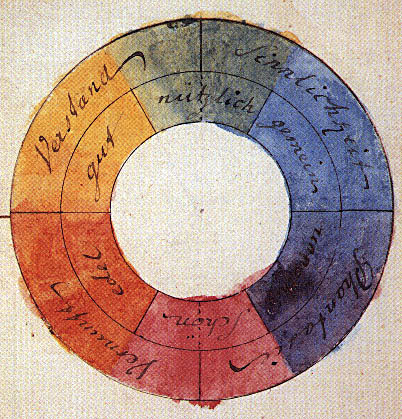
Color theory, or more specifically traditional color theory, is a historical body of knowledge describing the behavior of colors — namely in color mixing, color contrast effects, color harmony, color schemes and color symbolism. Modern color theory i...
The deliberate orchestration of warm and cool tones forms the cornerstone of interior design psychology. Warm colors – reds, oranges, and yellows – possess an inherent energy, stimulating activity and fostering a sense of intimacy. Think of the inviting glow of a Tuscan villa bathed in golden sunlight, or the convivial atmosphere of a traditional pub with its rich mahogany hues. These shades are ideal for social spaces like living rooms and dining areas, encouraging conversation and connection. However, excessive warmth can be overwhelming, leading to feelings of agitation or anxiety. This is where cool colors – blues, greens, and purples – offer a counterbalance. They evoke calmness, serenity, and introspection, creating sanctuaries conducive to relaxation and contemplation. A bedroom painted in soft lavender or a study adorned with muted teal promotes focus and tranquility. The key lies not in excluding either spectrum but in achieving balance. A carefully considered interplay of warm accents within a cool backdrop can create depth and visual interest, preventing the space from feeling sterile or impersonal. The strategic use of neutral tones – grays, whites, and beiges – acts as a grounding force, allowing the emotional impact of warmer or cooler shades to take center stage.
Art Historical Perspectives on Emotion & Composition
Throughout art history, masters have employed composition not just for visual appeal but as a powerful tool for conveying emotion. Consider Henri Matisse’s Olga Merson (ArtsDot.com), where the bold use of color and simplified forms creates an atmosphere of joyful exuberance. The vibrant palette isn't simply decorative; it reflects a celebration of life and personality. Conversely, Georges Seurat’s Paysage de l'Ile-de-France (ArtsDot.com) utilizes Pointillism – the meticulous application of tiny dots of color – to evoke a sense of serene stillness and contemplative beauty. The technique itself contributes to the emotional effect; the deliberate slowness of its creation mirroring the tranquility it depicts. The Impressionists, too, understood this power, capturing fleeting moments of light and emotion through loose brushstrokes and vibrant hues. Their focus wasn’t on precise representation but on conveying *feeling*. Even in seemingly objective genres like portraiture, composition plays a vital role. The angle of the subject's gaze, the positioning of hands, and the surrounding environment all contribute to the narrative being conveyed – whether it be power, vulnerability, or introspection.
Beyond Aesthetics: How Painting Style Influences Perceived Atmosphere
The style in which a painting is executed profoundly impacts its perceived atmosphere. A highly realistic portrait, rendered with meticulous detail, can evoke a sense of gravitas and formality, while an abstract expressionist work – characterized by bold brushstrokes and non-representational forms – might convey raw emotion and energy. Jean-Édouard Vuillard’s The Striped Blouse (ArtsDot.com) exemplifies the Intimiste style, creating a sense of quiet intimacy through soft colors, delicate patterns, and domestic scenes. The painting doesn't shout for attention; it invites contemplation and evokes a feeling of peaceful solitude. Neo-Impressionism, as seen in Seurat’s work, creates a different kind of atmosphere – one of scientific precision and harmonious order. The methodical application of dots lends a sense of calm and stability. Understanding these stylistic nuances allows you to select paintings that align with your desired emotional outcome. A minimalist space might benefit from the bold energy of an abstract piece, while a more traditional setting could be enhanced by the subtle realism of a portrait or landscape.
Personal Resonance: Aligning Art Choices with Individual Psychology
Emotional intelligence (x), also known as emotional quotient (xQ), is the ability to perceive, use, understand, manage, and handle emotions. High emotional intelligence includes emotional recognition of emotions of the self and others, using emotiona...
While general principles guide our understanding of color and style, personal resonance remains paramount. Our individual experiences, memories, and cultural backgrounds shape our emotional responses to art. A painting that evokes joy in one person might elicit sadness in another. This is where the concept of emotional intelligence comes into play – the ability to recognize and understand your own emotions and how they are influenced by external stimuli. Before selecting artwork, take time to reflect on what truly resonates with you. What colors evoke positive feelings? What subjects or styles capture your imagination? Consider paintings that remind you of cherished memories or places. Don't be afraid to experiment and trust your intuition. The goal isn’t to adhere to a prescribed aesthetic but to create a space that reflects your unique personality and fosters a sense of wellbeing.
Creating Harmonious Contrast: Balancing Paintings for Dynamic Interiors
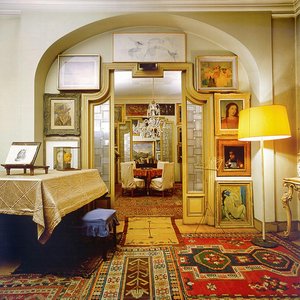
A truly captivating interior often achieves balance through harmonious contrast – the interplay of opposing elements that creates visual interest and depth. This doesn’t necessarily mean avoiding similar colors or styles; it means strategically juxtaposing them to create a dynamic effect. For example, pairing a vibrant abstract painting with more subdued neutral furnishings can prevent the space from feeling overwhelming. Similarly, combining paintings from different periods – a classical portrait alongside a modern landscape – can create a sense of intellectual curiosity and visual intrigue. The key is to consider scale, texture, and framing. A large-scale painting can serve as a focal point in a room, while smaller pieces can be grouped together to create a gallery wall effect. Thoughtful framing enhances the artwork’s impact and complements its style. Ultimately, creating harmonious contrast requires a keen eye for detail and an understanding of how different elements interact with one another. At ArtsDot.com, we offer a vast selection of hand-painted reproductions and prints, allowing you to curate a collection that reflects your unique vision and transforms your space into a haven of emotional resonance.