

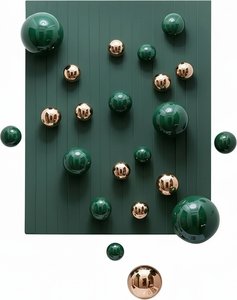

Understanding Art's Emotional Impact: Color Psychology & Mood
The walls of our homes are not simply barriers defining space; they are canvases upon which we project our inner selves, and the art adorning them speaks volumes about who we are—or aspire to be. But beyond personal preference lies a fascinating interplay between color, composition, and the subconscious mind. For centuries, artists have intuitively understood the power of hue to evoke specific emotions, and today, that knowledge can be harnessed to create interiors that resonate with tranquility, energy, or contemplation. Consider the Dutch Masters, for example, whose masterful use of chiaroscuro – the dramatic contrast between light and shadow – wasn’t merely a technical feat but a deliberate attempt to imbue their scenes with a sense of mystery and spiritual depth. The rich, warm tones of Rembrandt's interiors invite intimacy, while the cooler palettes favored by Jan Vermeer suggest a quiet, introspective mood.
The science behind color psychology reveals that reds and oranges stimulate activity and passion, making them ideal for social spaces like living rooms or dining areas where conversation flows freely. However, an overabundance of these hues can be overwhelming; balance is key. Blues and greens, conversely, promote calmness and relaxation, often associated with nature and serenity. These are perfect choices for bedrooms or studies—spaces dedicated to rest and rejuvenation. Neutral tones – grays, whites, and browns – offer a versatile foundation, allowing artwork to take center stage without competing for attention. The subtle nuances within these shades also matter; a deep navy blue evokes trust and stability, while a vibrant yellow inspires optimism and creativity. It’s not simply about *what* color you choose but *how* it's applied—the saturation, value, and interplay with surrounding elements all contribute to the overall emotional impact.
Ultimately, selecting artwork based on its inherent psychological properties is akin to curating an atmosphere. A carefully chosen palette can transform a sterile room into a welcoming sanctuary or inject energy into a lackluster space. It’s about understanding how color interacts with light, texture, and form to create a harmonious whole.
Navigating Art Styles: From Renaissance to Contemporary – A Comprehensive Overview
The history of art is a tapestry woven from countless movements, each reflecting the cultural, political, and philosophical currents of its time. To truly appreciate artwork—and select pieces that resonate with your personal aesthetic—requires a basic understanding of these stylistic evolutions. The Renaissance, born in 14th-century Italy, marked a revival of classical ideals, emphasizing humanism, realism, and meticulous detail. Artists like Leonardo da Vinci and Michelangelo sought to capture the beauty and complexity of the natural world with unprecedented accuracy. Fast forward to the Baroque period, characterized by its dramatic compositions, opulent ornamentation, and intense emotionality—think Caravaggio’s powerful chiaroscuro or Bernini's dynamic sculptures.
The 19th century witnessed a proliferation of movements, from the romantic landscapes of Caspar David Friedrich to the impressionistic brushstrokes of Monet and Renoir. Impressionism sought to capture fleeting moments of light and color, rejecting traditional academic conventions in favor of subjective experience. Modern art, encompassing Cubism, Surrealism, and Abstract Expressionism, further challenged established norms, exploring abstract concepts and pushing the boundaries of artistic expression. Picasso’s fragmented forms revolutionized painting, while Dalí’s dreamlike landscapes delved into the depths of the subconscious mind. Contemporary art reflects current trends and societal concerns, often incorporating mixed media and unconventional materials—a testament to its ever-evolving nature.
Understanding these stylistic nuances isn't about adhering to rigid categories but rather appreciating the historical context and artistic intentions behind each movement. A collector might be drawn to the classical elegance of Renaissance portraits or the bold experimentation of Abstract Expressionism, depending on their individual taste and intellectual curiosity. The key is to select artwork that not only appeals aesthetically but also carries cultural significance.
Scale & Proportion: Choosing Artwork That Complements Your Space
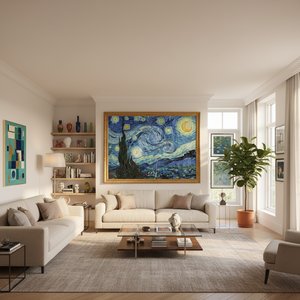
Often overlooked, scale is a critical element in achieving visual harmony within an interior. A piece of art that’s disproportionate to its surroundings can disrupt the balance of a room, creating a sense of unease or awkwardness. Conversely, artwork that's appropriately sized enhances the overall aesthetic and draws the eye. Consider the dimensions of the wall itself—a grand living room can accommodate larger statement pieces, while smaller spaces benefit from curated gallery walls or strategically placed accents.
A general rule of thumb is to ensure that artwork is proportional to the furniture below it; a painting above a sofa should be roughly two-thirds of its length. The height of ceilings also plays a crucial role—artwork hung too high can feel detached, while pieces positioned too low may appear grounded. The 'golden ratio' – approximately 1.618 – provides a helpful guideline for composition and placement, ensuring visual balance and harmony. In expansive rooms, a large-scale artwork can serve as an anchor, drawing the eye and creating a focal point. Smaller spaces benefit from gallery walls—a curated collection of varying sizes and styles that adds visual interest without overwhelming the room.
Ultimately, mastering scale is about achieving a sense of equilibrium – ensuring that artwork complements the space rather than overpowering it. Careful consideration of proportions and placement elevates the overall aesthetic and creates a more inviting atmosphere.
Creating a Gallery Wall: Curating Personalized Collections for Maximum Effect
The gallery wall represents a dynamic and personalized approach to art display, allowing you to curate a collection that reflects your individual taste and tells a unique story. Unlike a single statement piece, a gallery wall offers visual complexity and invites exploration—a testament to your creativity and discerning eye.
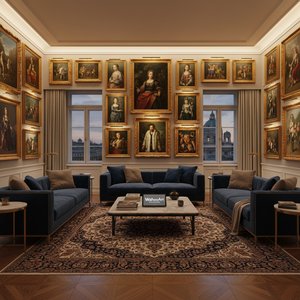
Begin by selecting a cohesive theme or color palette to unify the collection. This doesn’t necessarily mean adhering to strict uniformity; rather, it's about creating a sense of harmony through shared aesthetic qualities. Mix and match artwork of varying sizes, styles, and frames for visual interest—incorporating photographs, prints, sketches, and even sculptural elements. Before hanging, lay out the artwork on the floor to experiment with arrangements. Maintain consistent spacing between frames for a polished look; typically, 2-3 inches is ideal. The 'salon style' gallery wall – characterized by densely packed artwork – creates a maximalist aesthetic, while more minimalist arrangements offer a cleaner, contemporary feel.
Don’t be afraid to incorporate personal objects or photographs into the display—adding layers of meaning and sentimentality. Consider creating a focal point within the gallery wall—a larger piece that anchors the composition or a grouping of artwork with a shared theme. The goal is to create a visually engaging narrative that reflects your personality and invites conversation.
Beyond the Canvas: Exploring Sculptures, Murals and Alternative Art Forms
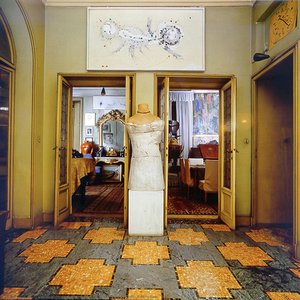
While paintings and prints often take center stage, exploring alternative art forms—sculptures, murals, tapestries—can add depth, texture, and a unique dimension to your interiors. Sculptures introduce three-dimensionality and tactile interest, transforming spaces with their form and presence. A bronze sculpture can anchor a living room, while smaller ceramic pieces add subtle accents to bookshelves or mantels.
Murals create dramatic statements, transforming walls into immersive works of art—a bold expression of personality and creativity. Consider commissioning a custom mural tailored to your specific preferences, incorporating colors, patterns, and imagery that resonate with your individual taste. Tapestries offer warmth and texture, evoking a sense of history and craftsmanship—perfect for bedrooms or studies. Pay attention to lighting conditions; sculptures benefit from directional light that highlights their form and texture, while murals require careful planning and execution to complement the overall aesthetic.
Expanding beyond traditional art forms allows you to curate spaces that are truly unique and personalized. Experiment with different materials, dimensions, and textures to create a dynamic and engaging interior—a reflection of your individual style and artistic sensibility.
Art Investment 101: Building a Collection with Lasting Value
Investing in art is not merely about acquiring beautiful objects; it’s about preserving cultural heritage, supporting artists, and potentially building a collection with lasting value. While the art market can be complex, understanding basic principles can empower you to make informed decisions. Begin by researching artists whose work resonates with your personal taste—exploring their historical context, artistic influences, and current market trends. Attend gallery openings, art fairs, and auctions to gain firsthand exposure to different styles and price points.
Provenance – the history of ownership – is a crucial factor in determining an artwork’s value. Pieces with documented provenance—tracing their lineage back to reputable collections or artists' estates—are typically more desirable. Consider consulting with art advisors or appraisers for expert guidance—they can provide valuable insights into market trends, artist valuations, and potential investment opportunities. Diversification is also key; building a collection that encompasses different styles, mediums, and price points mitigates risk.
Ultimately, the most important aspect of art investment is to acquire pieces you genuinely love—artwork that resonates with your personal aesthetic and enriches your life. While financial appreciation is certainly a consideration, the intrinsic value of owning beautiful objects should never be underestimated. ArtsDot.com offers a curated selection of museum-quality reproductions and custom paintings, providing an accessible entry point into the world of art collecting.