The Origins of Engraving: From Ancient Crafts to Early Renaissance Innovations
Engraving is the practice of incising a design on a hard, usually flat surface by cutting grooves into it with a burin. The result may be a decorated object in itself, as when silver, gold, steel, or glass are engraved, or may provide an intaglio pri...
Engraving, at its heart, is a testament to humanity’s enduring desire to leave a mark – to translate vision into tangible form with unwavering precision. While often associated with the meticulous artistry of the Renaissance and Baroque periods, the roots of this captivating technique stretch far back into antiquity. Early examples weren't necessarily what we recognize as fine art; rather, they were born from practical necessity. The incising of designs onto stone, bone, ivory, and precious metals served functional purposes – adorning tools, creating seals, or signifying ownership. These early forms, though rudimentary compared to later developments, established the fundamental principle: removing material to create a lasting impression.
The ancient world saw skilled artisans employing techniques akin to engraving in civilizations across the globe. However, it was during the late Medieval period and the burgeoning Renaissance that engraving truly began its ascent as a distinct artistic discipline. The development of steel tools capable of holding a finer edge, coupled with an increasing demand for reproducible imagery – spurred by religious devotion and the rise of humanist scholarship – created fertile ground for innovation. Artists like Master Esme in Germany are credited with pioneering techniques that would lay the foundation for modern engraving practices. The invention of the printing press by Johannes Gutenberg in the mid-15th century proved to be a pivotal moment, providing a mechanism for disseminating engraved images on an unprecedented scale.
This newfound ability to create multiple impressions transformed the landscape of art and communication. No longer confined to the elite circles who could afford hand-painted manuscripts or individual works, imagery became accessible to a wider audience. The earliest printed engravings often focused on religious themes – depictions of saints, biblical scenes, and devotional icons – reflecting the prevailing spiritual climate of the era. But even within these sacred subjects, artists began to explore new levels of detail, realism, and emotional expression, pushing the boundaries of what was possible with this emerging medium.
Mastering the Burin: Techniques, Materials & The Intaglio Process
Intaglio, the process of cutting a design into a surface, may refer to: Intaglio, a type of engraved gem or metal signet ring Intaglio (printmaking), a group of printmaking techniques, including engraving and etching Intaglio (rock art) Intaglio (bu...
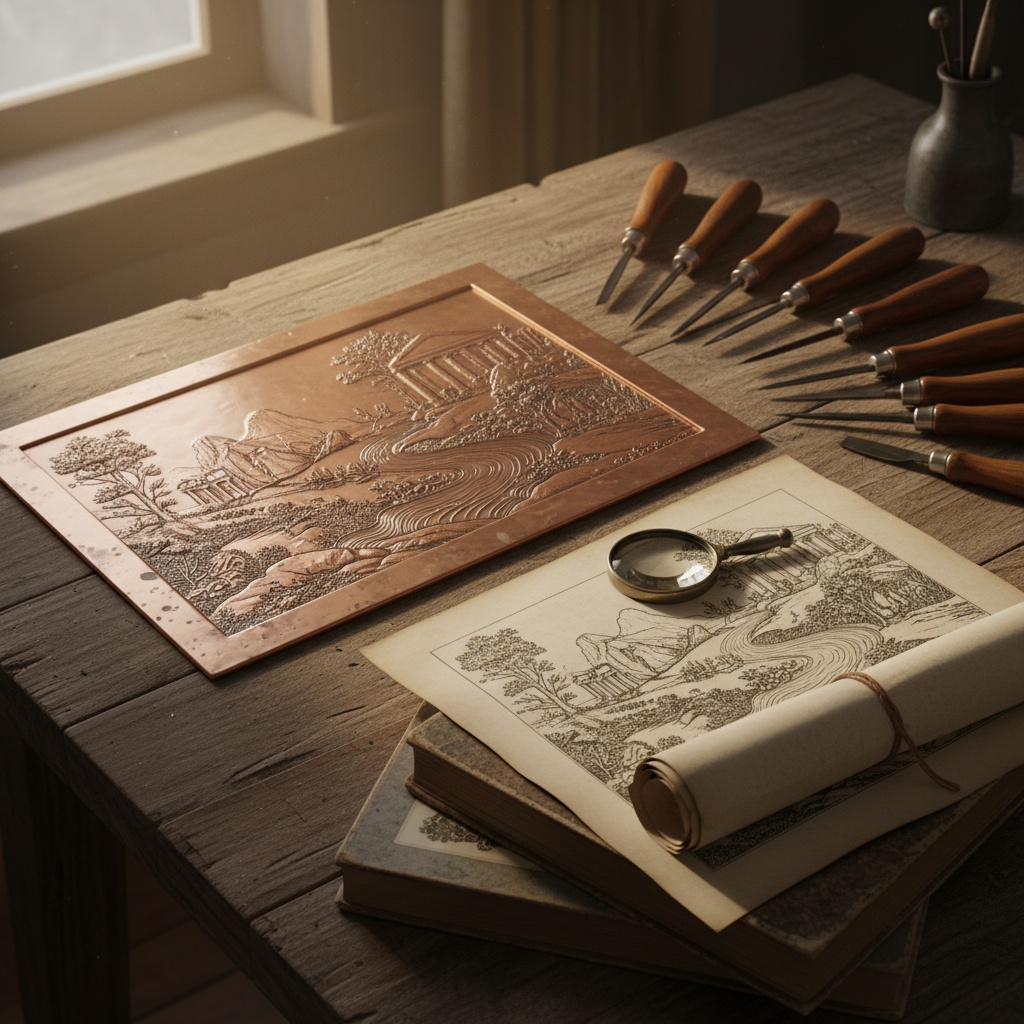
The defining characteristic of engraving lies in its intaglio process – a technique where the design is incised into a hard surface, typically a copper or steel plate. This isn’t merely scratching; it's a deliberate and highly skilled act of material removal using a specialized tool called a burin. The burin, with its distinctive V-shaped blade, allows the engraver to control the depth and width of each line with remarkable precision. Unlike sketching where lines can be erased or altered easily, engraving demands unwavering confidence and meticulous planning; each stroke is permanent.
The process begins with carefully preparing the metal plate – polishing it to a mirror-like sheen. The artist then transfers the desired image onto the surface, often using a wax ground as a resist. With the burin in hand, they begin to carve away at the plate, creating a network of recessed lines that will ultimately hold the ink. The depth and angle of these lines dictate the tonal values in the final print; deeper, wider lines produce darker areas, while shallower, narrower lines create lighter tones. This is where the true artistry lies – the ability to translate light and shadow through the manipulation of line.
Once the engraving is complete, ink is applied to the plate’s surface, filling the incised grooves. The excess ink is then carefully wiped away, leaving only the ink within the engraved lines. A sheet of dampened paper is placed over the plate, and both are run through a high-pressure printing press. The pressure forces the paper into the inked recesses, transferring the image onto its surface. This process results in prints with a distinctive tactile quality – a raised impression that speaks to the laboriousness and skill involved in their creation.
Iconic Engravers & Their Masterpieces: Dürer, Callot, and Beyond
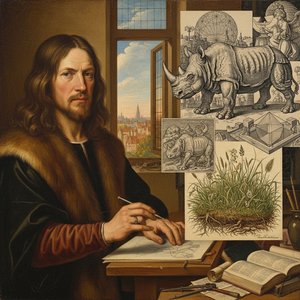
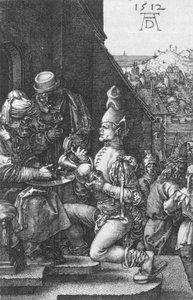
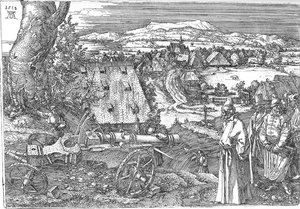
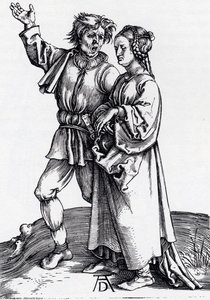
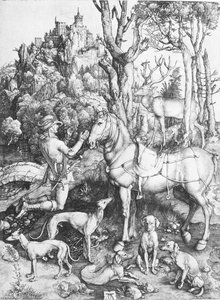
The history of engraving is punctuated by the brilliance of individual artists who elevated the technique to unprecedented heights. Albrecht Dürer, a German Renaissance master, stands as perhaps the most celebrated engraver of all time. His works – such as “Melancholia I” and “Knight, Death and the Devil” – are not merely technical marvels but profound explorations of human existence, religious symbolism, and artistic ambition. Dürer’s meticulous attention to detail, his mastery of perspective, and his innovative use of cross-hatching established a new standard for engraving artistry.
Jacques Callot, a French engraver working in the 17th century, brought a distinctly dramatic flair to the medium. Known for his series “The Miseries and Misfortunes of War,” Callot unflinchingly depicted the brutality and chaos of conflict, offering a starkly realistic portrayal of human suffering. His small-scale engravings, often executed with incredible precision, served as powerful social commentary.
Beyond Dürer and Callot, numerous other artists contributed to the rich tapestry of engraving history. Hendrick Goltzius, renowned for his elegant Mannerist style; Robert Nanteuil, a master portrait engraver; and William Hogarth, an English artist who used engravings to satirize 18th-century society – each left an indelible mark on the medium, expanding its expressive possibilities.
Engraving's Golden Age & Its Influence on Printmaking Traditions
The 16th and 17th centuries represent the golden age of engraving. Fueled by patronage from royal courts, wealthy collectors, and a burgeoning print market, artists were able to dedicate themselves fully to this demanding craft. The demand for engraved portraits soared, allowing individuals to possess likenesses of prominent figures – monarchs, scholars, and military leaders. Religious imagery continued to be popular, but the subject matter expanded to encompass landscapes, genre scenes, allegorical compositions, and mythological narratives.
This period also witnessed a significant exchange of ideas and techniques between different regions of Europe. Italian engravers influenced artists in France and Germany, while Dutch printmakers developed their own distinctive styles characterized by realism and attention to detail. The rise of specialized workshops – where multiple artisans collaborated on the creation of prints – further accelerated the dissemination of knowledge and innovation.
The influence of engraving extended far beyond its immediate impact on printmaking traditions. Engraved illustrations played a crucial role in scientific publications, botanical studies, and cartography, enabling the accurate reproduction of complex images for scholarly purposes. The techniques developed by engravers also informed other artistic disciplines – such as etching, woodcut, and mezzotint – contributing to the broader evolution of visual culture.
Collecting Engravings: Assessing Value, Authenticity & Preservation
... art of multiplying printed copies from a single original, to which art the name of engraving has been extended, so that nowadays the word signifies the.
For the discerning collector, engravings offer a unique opportunity to acquire works of exceptional artistry and historical significance. However, navigating the world of antique prints requires careful consideration and informed judgment. Authenticity is paramount; verifying the provenance – the documented history of ownership – is crucial in establishing the legitimacy of a print.
Assessing value involves several factors: the artist’s reputation, the rarity of the image, its condition, and the quality of the impression. Prints in pristine condition, with strong tonal values and minimal signs of wear, command higher prices. The presence of a signature or watermark can also enhance value.
Preservation is essential to maintaining the integrity of an engraving collection. Exposure to light, humidity, and pollutants can cause irreversible damage. Prints should be stored in acid-free mats and frames, away from direct sunlight and extreme temperatures. Professional conservation services may be necessary for restoring damaged prints or removing foxing – those unsightly brown spots caused by oxidation.
Ultimately, collecting engravings is not merely about acquiring beautiful objects; it’s about connecting with the past – appreciating the skill of master artisans and preserving a vital part of our cultural heritage.