The Allure of Then: Defining Nostalgia & Its Psychological Roots
 The Chromatic Spectrum of Feeling: Exploring Color & Emotion in Art History
Explore the fascinating relationship between color and emotion in art history. Discover how master artists used color to evoke feelings & cultural meanings, plus the psychology behind it all.
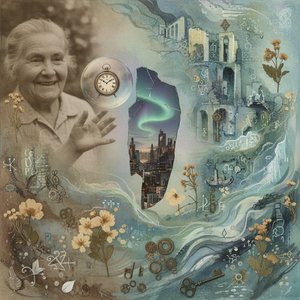
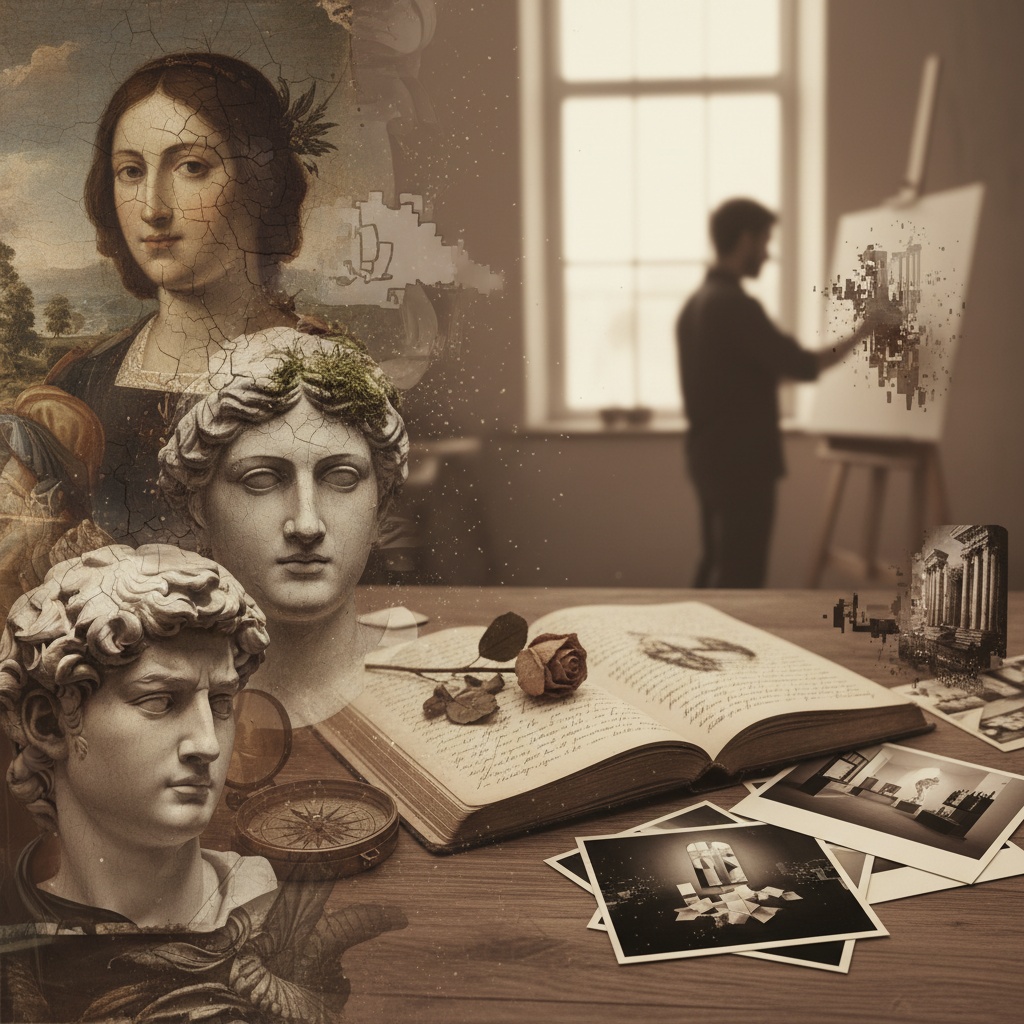
Nostalgia, a bittersweet ache for a past perceived as simpler, more authentic, or profoundly meaningful, is far from a recent phenomenon. While often associated with sentimental longing for childhood or bygone eras, its roots delve deep into the human psyche – a fundamental need to connect with identity, find comfort in continuity, and grapple with the relentless march of time. The term itself, coined by Swiss physician Johannes Hofer in 1688 to describe homesickness among soldiers, initially denoted a medical condition. However, over centuries, it has evolved into a complex emotion recognized as a powerful force shaping art, culture, and our very understanding of self. It isn’t merely a yearning for *what was*, but rather a carefully constructed narrative built from memory, often idealized and selectively curated. This selective process is key; nostalgia doesn't recall the past precisely, it reconstructs it, imbuing it with emotional resonance that serves present needs.
From Romanticism to Reconstruction: Historical Precedents of Nostalgic Art
The seeds of artistic nostalgia were sown long before the 20th century. The Romantic movement, with its emphasis on emotion, individualism, and a reverence for nature, laid fertile ground for exploring themes of loss and longing. Artists like Caspar David Friedrich frequently depicted ruins, desolate landscapes, and melancholic figures contemplating the transience of existence – visual metaphors for a past irrevocably lost. These weren’t simply depictions of physical decay; they were explorations of spiritual and emotional fragmentation in the face of modernity. Later, the Pre-Raphaelites looked back to medieval art and literature, rejecting industrialization and celebrating a perceived golden age of craftsmanship and spirituality. This wasn't just stylistic imitation but a deliberate attempt to recapture a sense of authenticity lost in their own time. Even Realism, despite its focus on depicting contemporary life, often contained an undercurrent of nostalgia for rural simplicity and traditional ways of life threatened by urbanization. The impulse to revisit and reimagine the past, therefore, isn’t confined to any single style or period; it's a recurring motif woven into the fabric of art history.
Pop Art's Embrace of the Past: Reclaiming and Recontextualizing Cultural Imagery
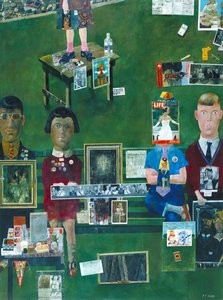 On the Balcony
Explore 'On the Balcony' by Peter Blake – a vibrant British Pop Art collage blending surreal imagery & cultural references. A dynamic, layered artwork perfect for collectors & interior design.
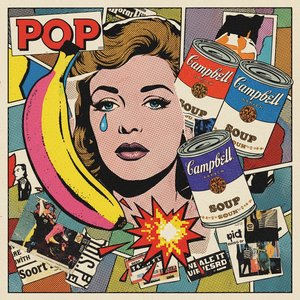
The mid-20th century witnessed a dramatic shift in how artists engaged with nostalgia, particularly through the rise of Pop Art. Artists like Peter Blake, exemplified by his iconic work On the Balcony, didn’t shy away from mass culture but actively embraced it – advertising imagery, comic books, and everyday objects became their subject matter. However, this wasn't a simple celebration of consumerism; rather, it was a complex act of reclamation and recontextualization. Blake’s collage, for instance, layers seemingly disparate elements—pin-up girls, vintage advertisements, and iconic film stars—creating a vibrant tapestry that simultaneously celebrates and critiques postwar society. The effect is profoundly nostalgic, evoking the sights, sounds, and anxieties of a rapidly changing world. Pop Art tapped into a collective memory, transforming familiar images into art objects and prompting viewers to reflect on their own relationship with the past. This marked a turning point: nostalgia wasn’t just about longing for an idealized era; it was about examining the very mechanisms through which we construct and consume memories.
Contemporary Artists Mining Memory: Exploring Personal & Collective Histories
Today, contemporary artists continue to explore the complexities of nostalgia in diverse and innovative ways. Christian Marclay's monumental The Clock, a 24-hour film composed entirely of clips from other movies featuring time displays, is a powerful example. It doesn’t simply evoke nostalgia for classic cinema; it manipulates our perception of time itself, forcing us to confront the fleeting nature of memory and the subjective experience of duration. Shirin Neshat's work often delves into Iranian culture, using symbols and traditions that evoke the pre-revolutionary past while simultaneously addressing contemporary political tensions. Her pieces aren’t simply about remembering a lost Iran; they are about negotiating identity in a complex global landscape. Kara Walker’s monumental installation A Subtlety, a giant sugar sculpture referencing the history of slavery, similarly confronts uncomfortable truths and challenges idealized narratives of the past. These artists demonstrate that nostalgia isn't merely a sentimental indulgence but a powerful tool for examining social change, personal identity, and the enduring legacy of history.
The Zeitgeist of Yearning: Why Nostalgia Resonates in Today’s World
In 18th- and 19th-century German philosophy, a Zeitgeist (German pronunciation: [ˈtsaɪtɡaɪst] ; lit. 'spirit of the age'; capitalized in German) is an invisible agent, force, or daemon dominating the characteristics of a given epoch in world history....
The current resurgence of nostalgia—evident in music, fashion, film, and art—isn't accidental. In an era defined by rapid technological advancements, political instability, and a sense of collective uncertainty, the past offers a comforting refuge. As philosopher Georg W.F. Hegel described it, each epoch possesses a unique Zeitgeist, or “spirit of the age,” shaping its values, beliefs, and artistic expressions. Today’s Zeitgeist seems particularly attuned to longing for simpler times, authentic connections, and a sense of community. The 1980s, in particular, have experienced a remarkable revival, fueled by streaming services like Netflix and social media trends. This isn't simply about aesthetic preferences; it reflects a deeper desire for the perceived optimism and cultural vibrancy of that era. However, this nostalgia can also be problematic, glossing over the complexities and inequalities of the past. It’s crucial to approach nostalgic imagery with critical awareness, recognizing its selective nature and potential for distortion.
Curating a Nostalgic Space: Using Art to Evoke Emotion & Wellbeing
The power of art lies in its ability to evoke emotion and transform spaces. When thoughtfully curated, artwork can create a sense of nostalgia that nurtures wellbeing and fosters connection. Choosing pieces with personal significance—perhaps paintings reminiscent of childhood landscapes or prints inspired by beloved films—can imbue a home with warmth and emotional resonance. The psychology of color also plays a crucial role; soft pastels evoke feelings of tranquility and innocence, while vibrant hues can trigger memories of joyful experiences. At ArtsDot, we offer a vast collection of handmade oil paintings and museum-quality prints designed to help you create a space that truly resonates with your soul. Whether you’re seeking a classic masterpiece or a custom reproduction of a cherished photograph, our team is dedicated to providing expert guidance and ensuring your artwork reflects your unique vision. Explore curated collections by mood, request any size or framing style, and discover the transformative power of art—a journey back in time, beautifully reimagined for today.