The Birth of the 'Wild Beasts': Defining the Fauvist Movement
In the early years of the twentieth century, a seismic shift occurred within the Parisian art scene, one that would forever alter the trajectory of Western aesthetics. This was not a subtle transition, but a sudden, visceral eruption of pigment and passion known as Fauvism. The movement earned its provocative moniker from the critic Louis Vauxcelles, who, upon witnessing the 1905 Salon d'Automne, famously described the artists as les fauves—the wild beasts. This label was not merely an insult but a profound recognition of the raw, unbridary energy contained within their canvases. Unlike the Impressionists, who sought to capture the fleeting nuances of light and atmosphere, the Fauvists were driven by an internal, emotional necessity to use color as an independent force.
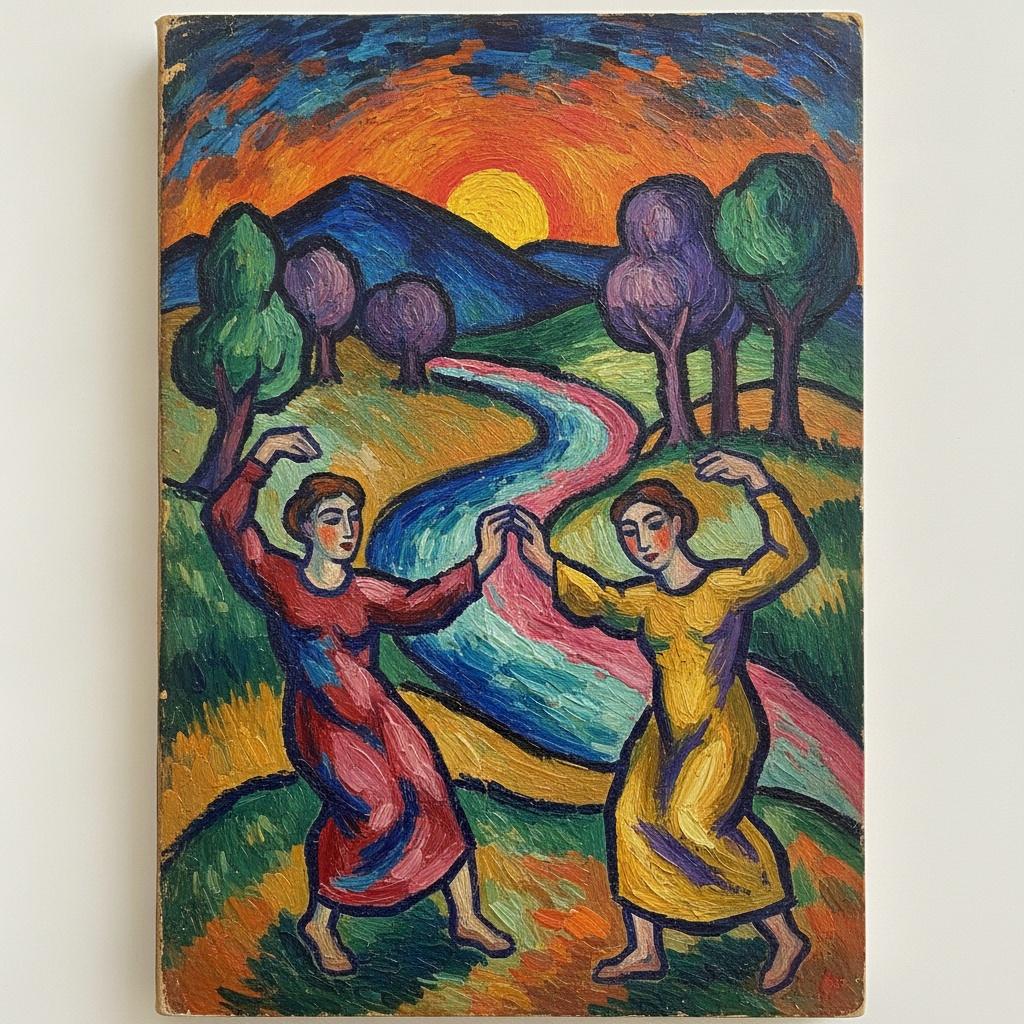
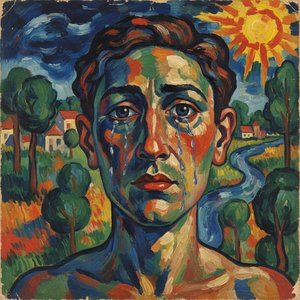
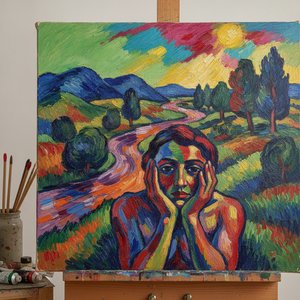
The essence of this movement lay in its rejection of traditional mimetic representation. To a Fauvist, a tree did not need to be painted brown or green to be recognized; it could be a searing crimson or a deep ultramarine if that served the emotional truth of the composition. This liberation allowed for a new kind of visual language, where the artist's subjective experience took precedence over the objective reality of the subject matter. It was a period of intense experimentation, where the boundaries of what constituted "art" were pushed to their absolute limits, challenging viewers to find meaning not in the accuracy of the image, but in the intensity of the sensation.
A Palette of Rebellion: The Liberation of Color from Form
At the heart of the Fauvist revolution was a radical reimagining of color theory. For centuries, color had been subservient to line and form, used primarily to model volume and describe texture. The Fauvists shattered this hierarchy, treating color as an autonomous element capable of conveying profound psychological depth. By utilizing unmixed, high-intensity pigments directly from the tube, artists created works that vibrated with a rhythmic, almost musical quality. This was a rebellion against the muted tones of academic tradition and even the soft, blended palettes of late Impressionism.
This liberation of color meant that shadows were no longer mere dark gradients but could be composed of vibrant purples or deep blues, while highlights might explode in brilliant yellows. The relationship between objects became less about physical boundaries and certainly more about the interaction of chromatic weights. This technique created a flattened, two-dimensional space that emphasized the decorative and expressive power of the canvas. Through this bold application, color ceased to be a descriptive tool and became the very soul of the painting, capable of evoking heat, joy, or profound melancholy through nothing more than the juxtaposition of complementary hues.
Masters of the Revolution: Matisse, Derain, and the Vanguard
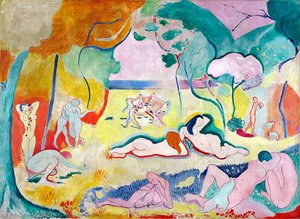
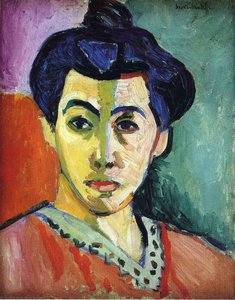
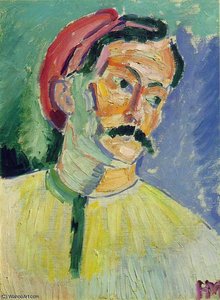
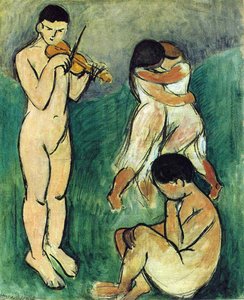
While Fauvism was a collective movement, it was anchored by several visionary figures whose individual styles contributed to its multifaceted brilliance. Henri Matisse stands as the undisputed titan of the group. His work, such as the mesmerizing Les Coloquintes, demonstrates a masterful command of simplified forms and dynamic compositions that use color to create a sense of structural harmony. In his more intimate works, like the Portrait of Mme. Matisse, one can observe how he uses vibrant tones to explore emotional depth and human connection, proving that even within such radical experimentation, a profound sense of grace could be maintained.
Alongside Matisse, André Derain played a pivotal role in establishing the movement's visual vocabulary. His iconic depictions of the London landscape utilized broken strokes of intense color to capture the atmospheric energy of the Thames, showcasing an evolution from Impressionist roots toward a more structured, expressive classicism. The movement was further enriched by artists like Albert Marquet, whose work often leaned into the atmospheric light and Mediterranean landscapes, and Henri Charles Manguin, who brought a luminous, sun-drenched quality to his subjects. Together, this vanguard of artists utilized a shared language of chromatic intensity to dismantle old conventions and pave the way for the abstraction that would follow in the decades to come.
Beyond the Canvas: The Lasting Impact of Fauvism on Modern Aesthetics
The legacy of Fauvism extends far beyond the brief period of its peak intensity. Though the movement itself was relatively short-lived, its impact acted as a catalyst for nearly every major modern art movement that followed. The liberation of color provided the foundational logic for German Expressionism, where emotion was pushed even further into the realm of distortion and psychological intensity. Furthermore, the emphasis on the flatness of the picture plane and the autonomy of color elements laid the groundwork for the development of Cubism and, eventually, the total abstraction of the mid-twentieth century.
Even in contemporary design and visual culture, the Fauvist spirit remains palpable. The way we use bold, clashing colors in modern graphic design, the expressive brushwork found in neo-expressionist painting, and even the saturated palettes of digital media all owe a debt to the fauves. They taught us that art does not have to be a window into a recognizable world; it can be a mirror reflecting the internal landscape of the human spirit. By breaking the shackles of realism, they gifted modern art with the freedom to explore the infinite possibilities of pure sensation.
Capturing the Fauvist Spirit: Bringing Bold Expression into the Modern Home
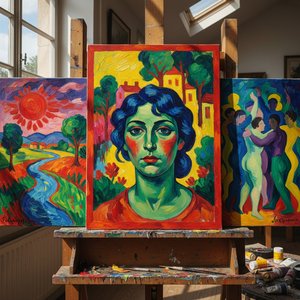
For the contemporary art enthusiast, the allure of Fauvism lies in its ability to transform a space through sheer visual vitality. Integrating such bold energy into a home requires an appreciation for balance and the transformative power of a focal point. A high-quality reproduction of a Matisse or a Derain does more than decorate a wall; it introduces a conversation piece that commands attention and evokes a sense of historical grandeur. Whether through a large-scale oil painting that mimics the tactile, impasto textures of the original or a meticulously crafted Giclée print, these works bring a museum-grade sophistication to private collections.
To successfully curate a space with Fauvist influences, one might consider pairing a vibrant, colorful masterpiece with more neutral architectural elements, allowing the artwork's chromatic intensity to serve as the room's primary "light source." The movement's emphasis on texture and light also offers endless possibilities for customization, from multi-panel set paintings that span wide hallways to bespoke commissions that reimagine personal memories through a Fauvist lens. Ultimately, embracing this wild revolution of color allows collectors to surround themselves with an enduring legacy of passion, creativity, and the eternal beauty of the uninhibited human imagination.
At ArtsDot.com, we are dedicated to preserving this vibrant history. From handcrafted oil reproductions that capture every meticulous brushstroke to professional art consultations for your home, our mission is to make the masterpieces of the past accessible to the collectors of the future. Whether you seek a custom portrait in the style of the masters or a museum-quality print to complete your collection, we provide the expertise and craftsmanship to bring the revolution of color into your world.